





The Truth About Gemstones in Jewelry: Natural, Lab-Grown, or Synthetic?
Walk into a jewelry store, or browse a jewelry brand's website, and the language around gemstones is often deliberately ambiguous. "Crystal." "Stone." "Gemstone accent." These terms tell you almost nothing about what you are actually looking at.
There is a meaningful difference between a natural gemstone formed over millions of years in the earth's crust, a lab-grown stone created to mimic that process in a controlled environment, and a synthetic or glass simulant designed to look like something it is not. Understanding that difference changes how you buy.
Natural Gemstones: Formed by Time
Natural gemstones are exactly what the name implies: minerals formed through geological processes over millions, sometimes billions, of years. They are mined, then cut and polished, retaining the unique characteristics of their geological journey.
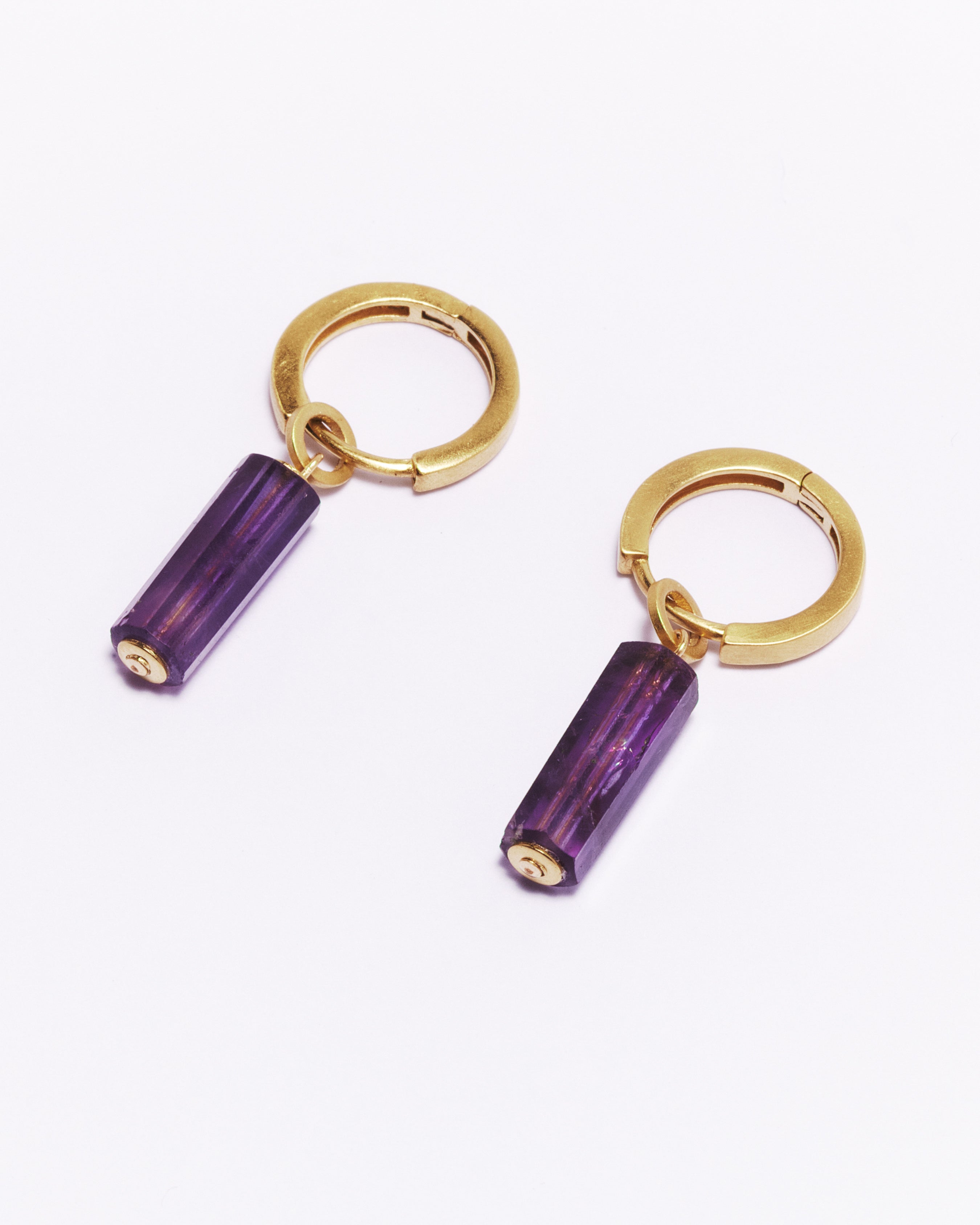
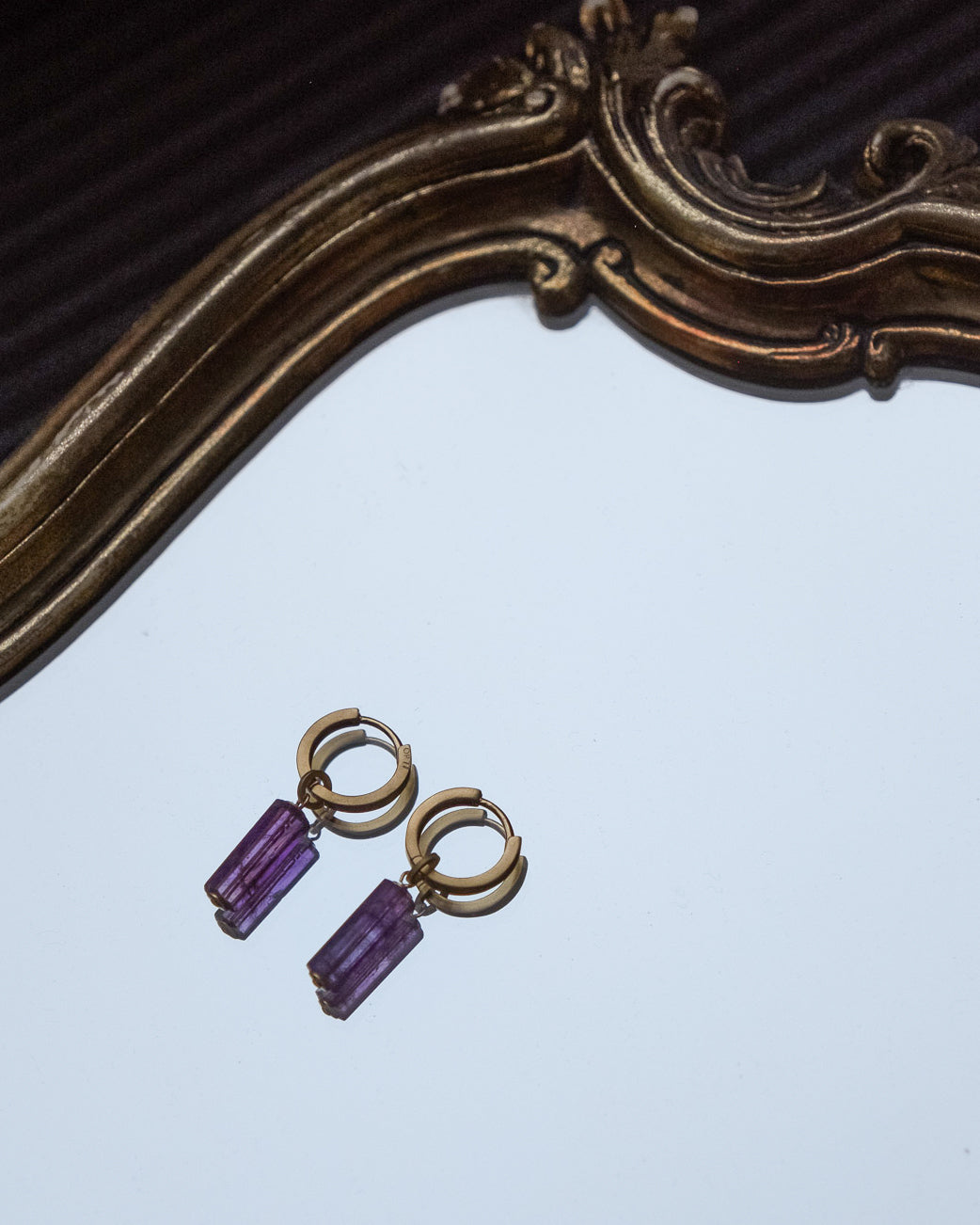
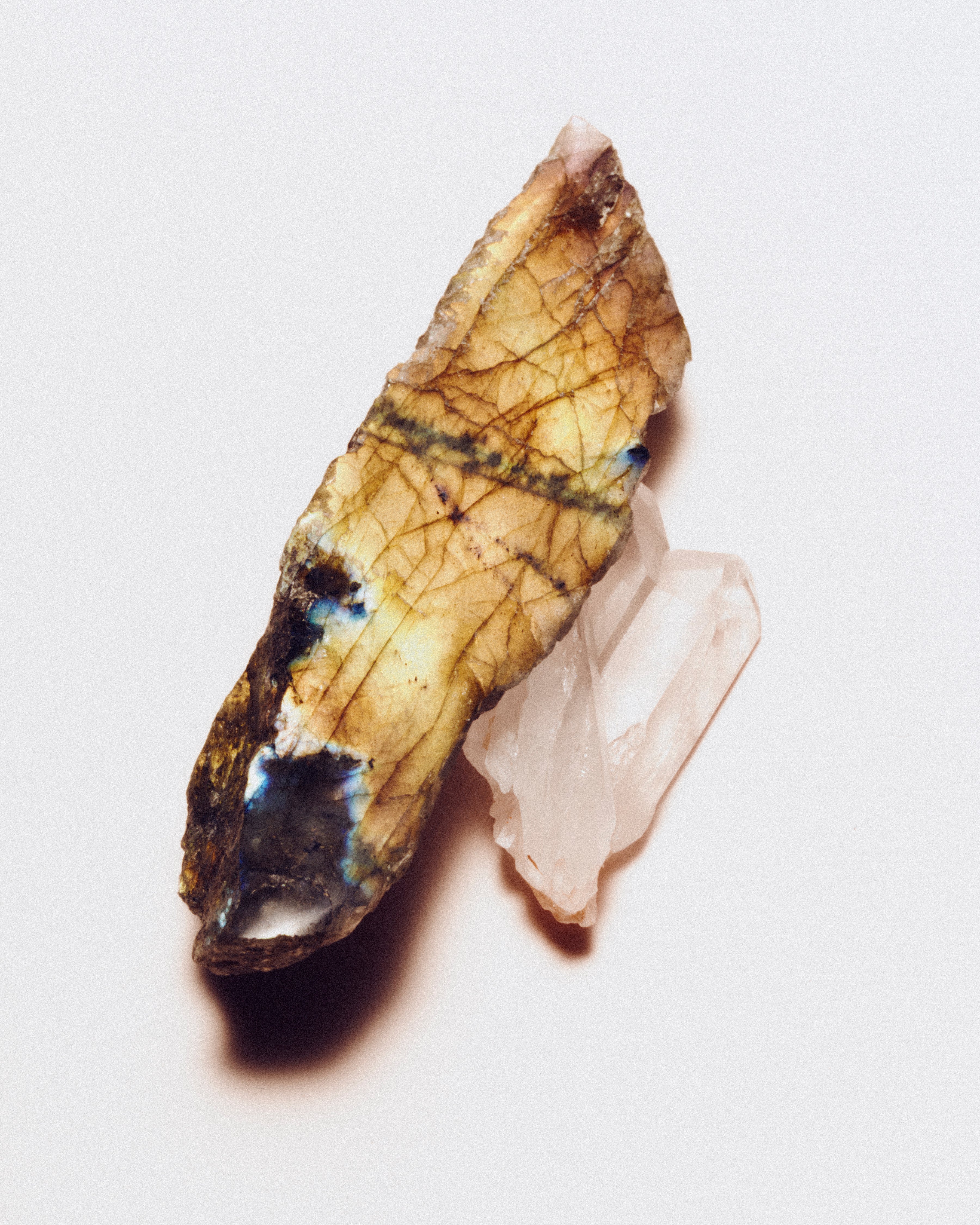
No two natural gemstones are identical. A natural labradorite will have its own internal structure, its own pattern of light play, its own particular shade of schiller. A natural amethyst will have inclusions, color zoning, and a depth that distinguishes it from every other piece ever cut. This uniqueness is not a flaw. It is the signature of something real.
Natural gemstones vary widely in quality, measured through color saturation, clarity, cut quality, and carat weight. A high-quality natural gemstone in an accessible setting is almost always a better investment than a mediocre stone in a precious metal setting.
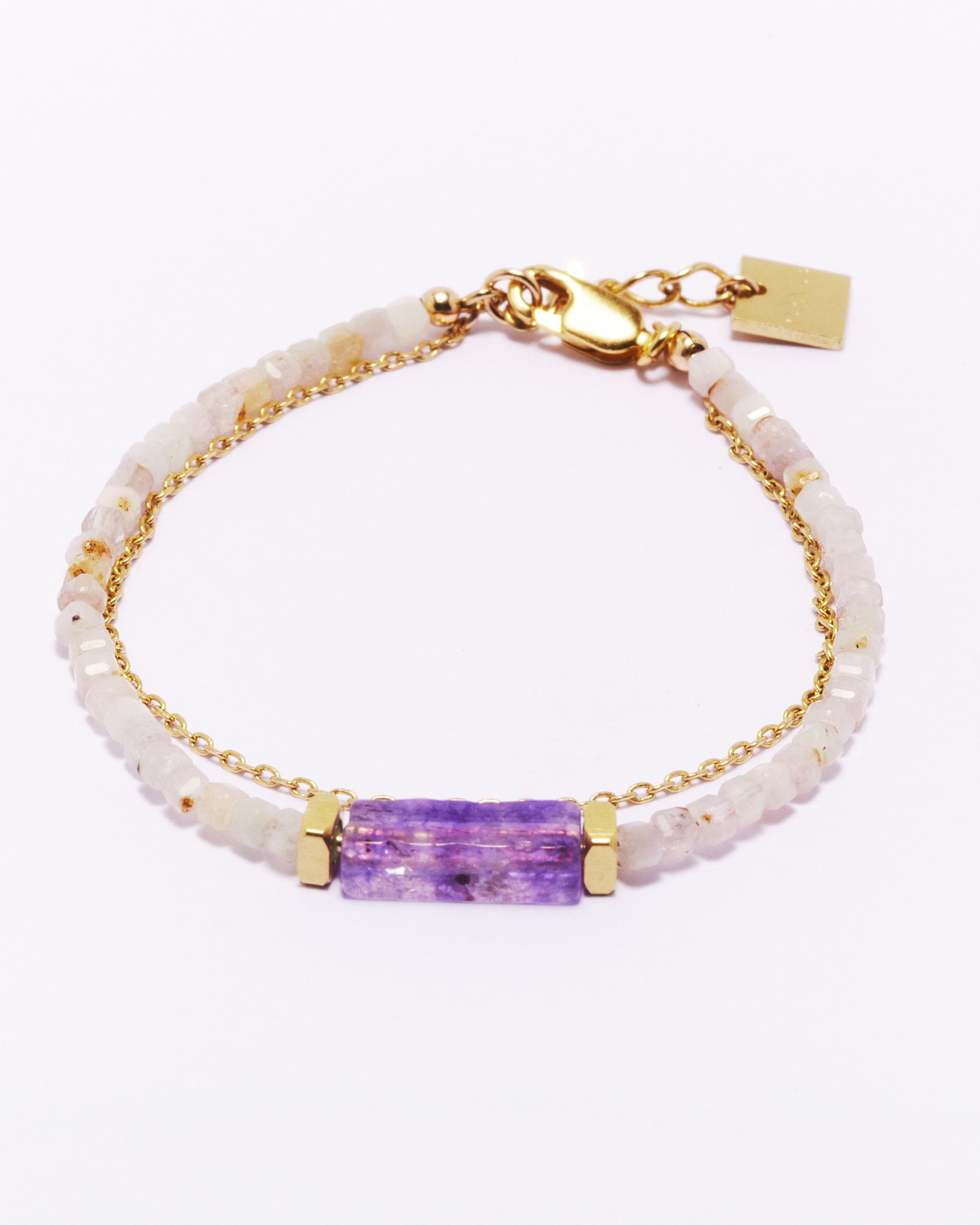
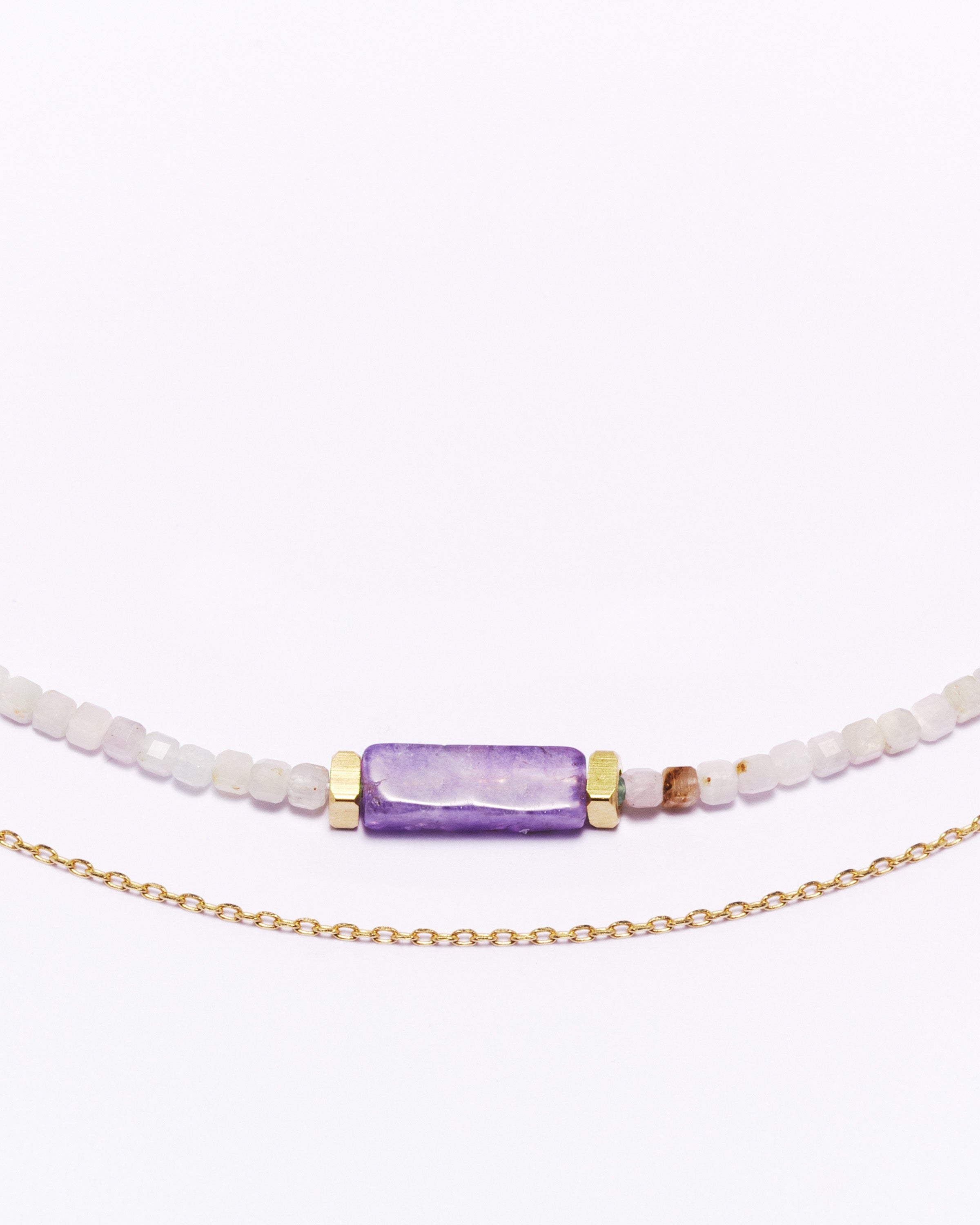
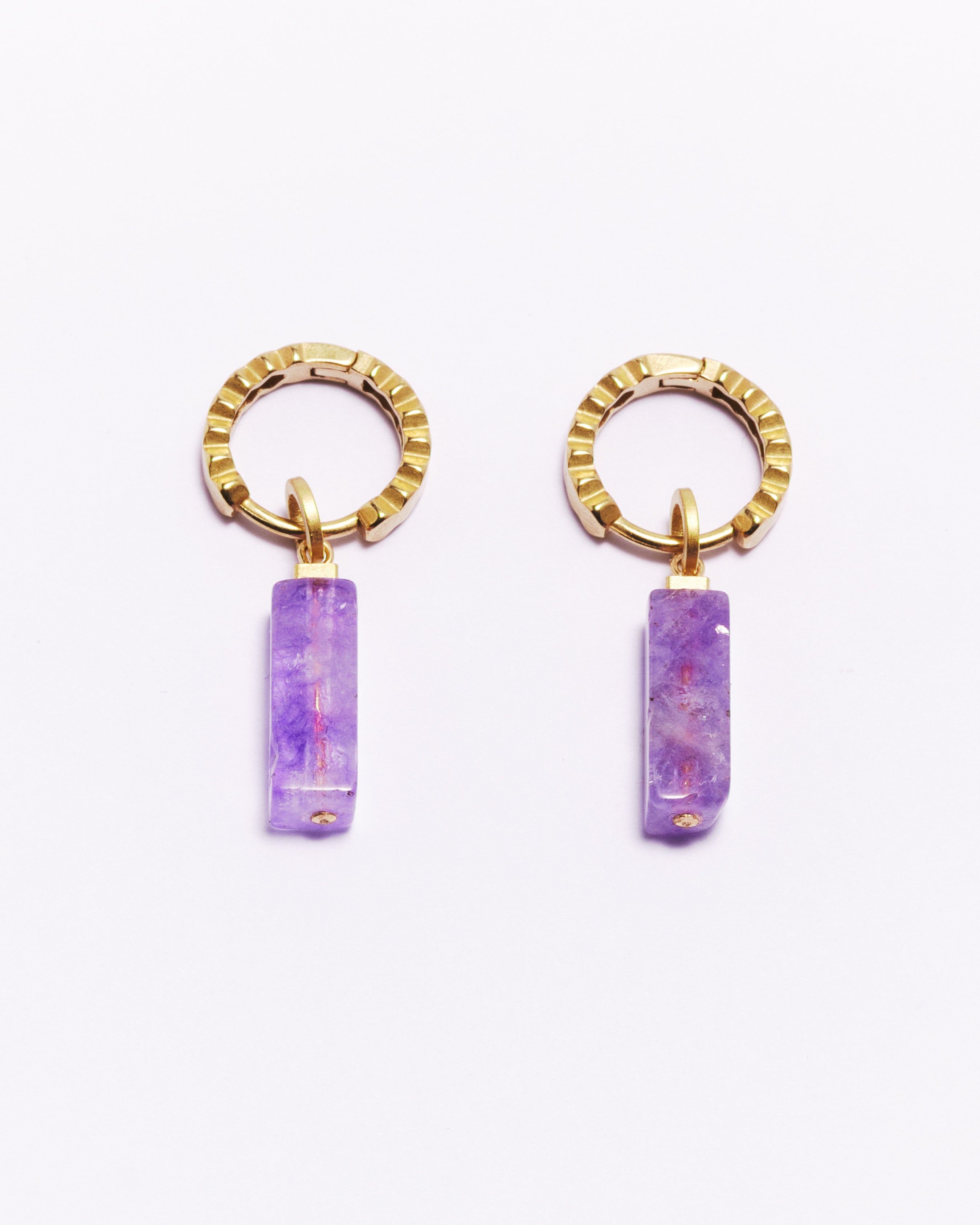
At Opaze, we source natural gemstones: labradorite, moonstone, amethyst, citrine, garnet, selected for color, cut quality, and the particular quality of presence that some stones simply have and others do not. Sourcing takes time. It is worth it.

Lab-Grown Gemstones: The Science Alternative
Lab-grown gemstones are created through processes that replicate the conditions under which natural stones form: high heat, high pressure, specific chemical environments. The result is a gemstone that is chemically and optically identical to its natural counterpart.
Lab-grown diamonds, sapphires, rubies, and emeralds are increasingly common in jewelry. They typically cost significantly less than natural equivalents of the same size and quality, and they carry no mining-related ethical concerns.
The trade-off is uniqueness. Lab-grown stones are consistent and perfect in a way natural stones are not. For some buyers, that consistency is the point. For others, it removes exactly what makes wearing a stone meaningful.
Lab-grown gemstones are a legitimate choice, especially for stones like diamonds where natural equivalents come with significant price premiums. What matters is knowing what you are buying and making the choice consciously.
Synthetic and Simulant Stones: Not the Same Thing
This is where vocabulary becomes important, because the terms are used interchangeably in a way that obscures real differences.
A synthetic stone technically refers to a lab-grown stone with the same chemical composition as the natural version. Synthetic ruby is chemically identical to natural ruby. In this sense, "synthetic" and "lab-grown" overlap.
A simulant, however, is a different material entirely that is designed to look like a more valuable stone. Cubic zirconia is a simulant for diamond: it looks similar but has a completely different chemical structure. Glass used to imitate turquoise is a simulant. Dyed howlite sold as turquoise is a simulant, and arguably deceptive.
Simulants are not inherently bad. They are bad when they are sold as something they are not. A glass accent stone sold as a "crystal" at an honest price point is fine. The same piece marketed as containing "gemstones" without clarification is not.

The Energetic Dimension
For many people who wear gemstone jewelry, the choice of natural stones is not just aesthetic. It is intentional. The long tradition of attributing properties to specific stones, labradorite's connection to transformation and protective energy, moonstone's association with intuition and cycles, amethyst's purported calming and clarifying qualities, is rooted in natural stones.
Whether you engage with these traditions literally or metaphorically, there is something worth noting: a natural stone has a geological history, a physical uniqueness, and a presence that a simulant simply does not carry. When you hold a piece of labradorite and tilt it toward the light, watching the color shift from dark grey to electric blue to gold, that phenomenon is the result of light interfering with the stone's internal structure. That structure took millions of years to form.
No lab can replicate what that particular piece of stone has been through. That is not mysticism. That is geology. And for many people, it matters.
How to Know What You Are Buying
Ask. Always ask. Any reputable jewelry brand should be able to tell you clearly whether the stones in their pieces are natural, lab-grown, or simulant. If the answer is vague, treat that vagueness as information.
Look for specific stone names and origins. "Natural labradorite from Madagascar" tells you something. "Blue stone" tells you almost nothing.
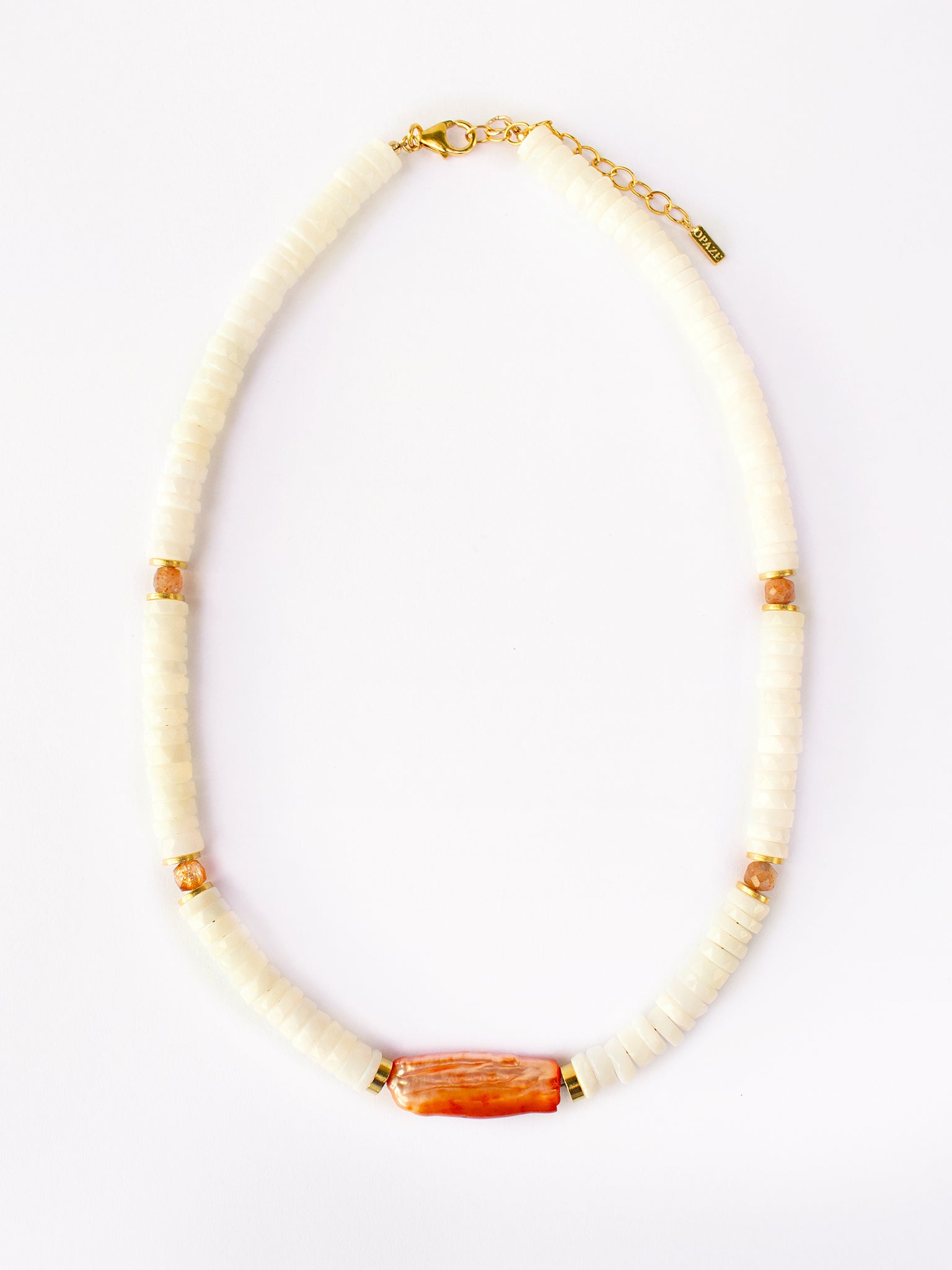
At Opaze, we name our stones because we are proud of what they are. Natural gemstones, individually selected, with the kind of character that makes each piece genuinely singular. That is the commitment we make to every person who wears something we have made.

What is the difference between a natural and a lab-grown gemstone?
Natural gemstones are formed through geological processes over millions of years. Lab-grown gemstones have the same chemical composition but are created in a controlled environment. They are optically and structurally identical, but natural stones are unique in a way lab-grown stones are not.
Are lab-grown gemstones real?
Yes. Lab-grown gemstones are chemically real. They are not imitations or simulants. They are the same material as natural stones, just formed differently.
What is a simulant gemstone?
A simulant is a material that resembles a gemstone but has a different chemical composition. Cubic zirconia, for example, is a diamond simulant. It looks similar but is a different material entirely.
Do natural gemstones have healing or energetic properties?
Many traditions, from Ayurvedic practice to crystal healing to indigenous mineral knowledge, attribute specific properties to particular stones. Whether you engage with these traditions literally or as meaningful metaphor, natural stones carry a uniqueness and geological history that simulants and lab-grown stones do not share.
How do I know if the gemstones in my jewelry are natural?
Ask the brand directly. Reputable makers will clearly identify whether stones are natural, lab-grown, or synthetic. Look for specific stone names and origins rather than vague terms like "crystal accent" or "gemstone detail."