




Gold Plated vs. Gold Filled vs. Solid Gold: What's Actually Worth Your Money
Walk into almost any jewelry conversation and you will hear these three terms thrown around, sometimes interchangeably, often incorrectly. Gold plated. Gold filled. Solid gold. They sound like steps on a ladder, but the differences are more specific, and more interesting, than that.
Here is what each one actually means, what you are paying for, and how to think about the decision.
Solid Gold: The Heirloom Standard
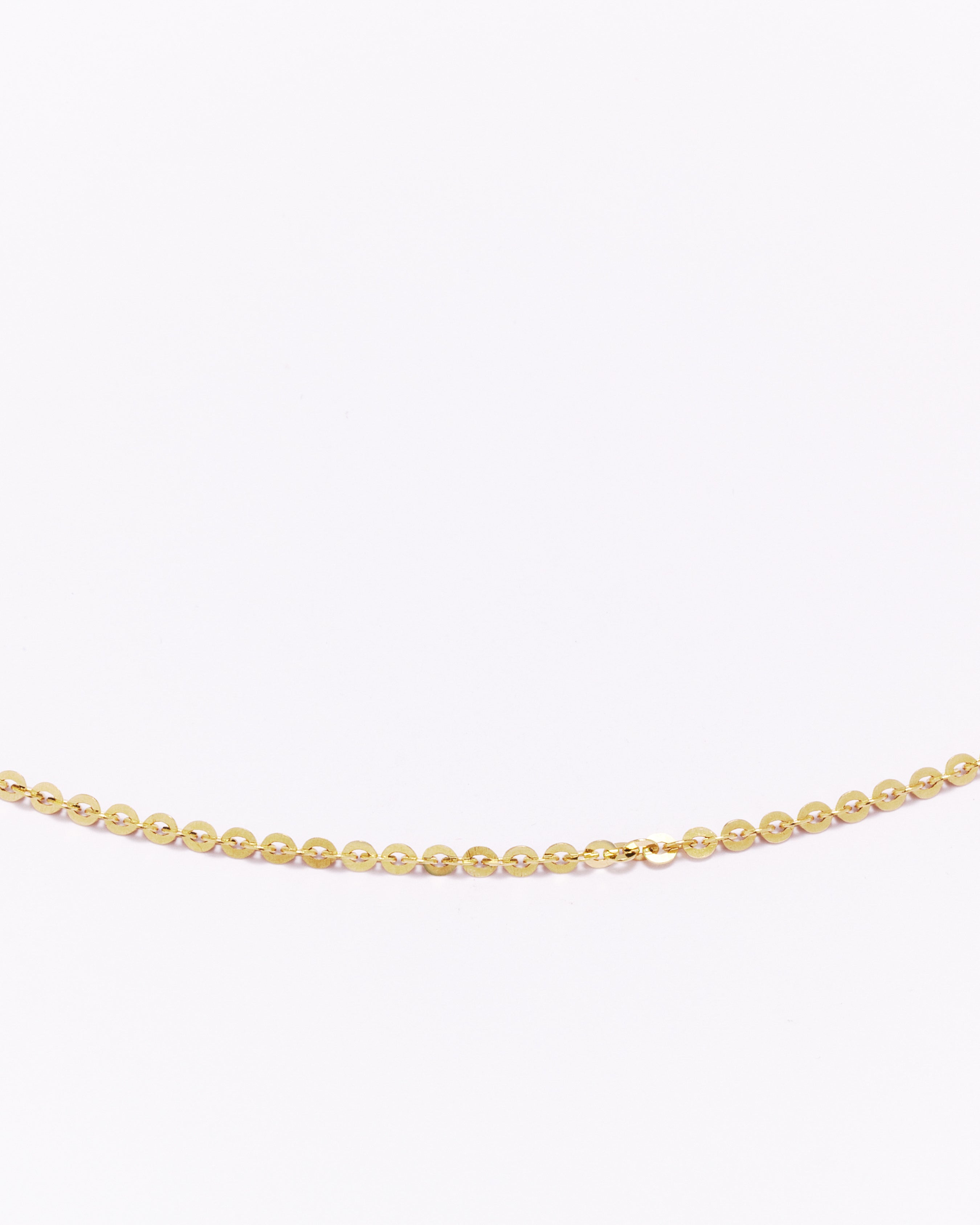
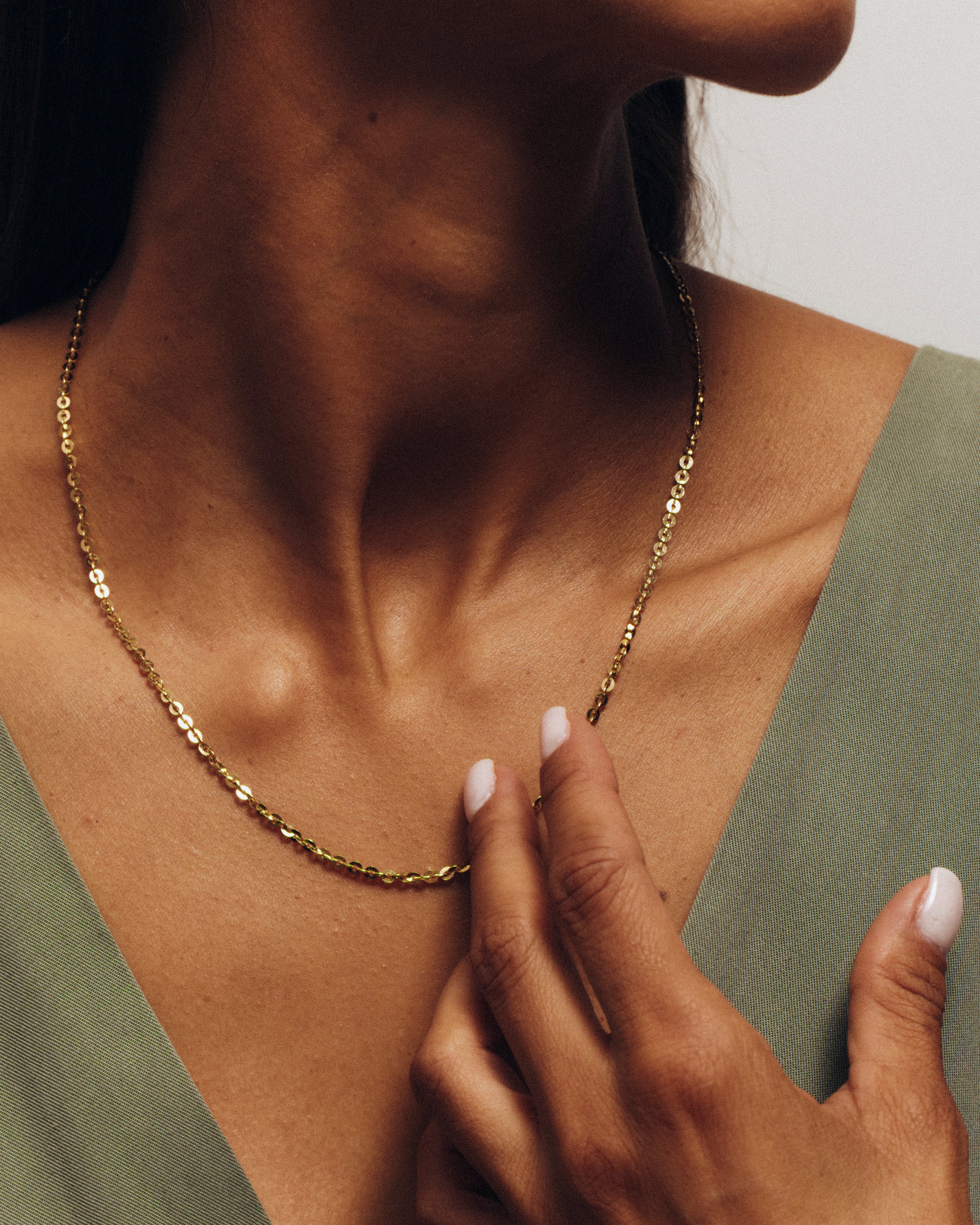
Solid gold is exactly what it sounds like: gold all the way through. No base metal underneath, no plating to wear away. A solid gold piece is a piece you can hand down.
Gold is measured in karats. 24 karat is pure gold, beautiful and deeply lustrous, but too soft for most jewelry. This is why most fine jewelry is made in 18k (75% gold) or 14k (58.3% gold), alloyed with other metals for durability.
The trade-off is price. Solid gold pieces command a premium that reflects the material cost, and that cost has risen significantly. As of 2025, gold prices have pushed to record highs, making solid gold jewelry a genuine investment category.
Solid gold makes sense for: pieces you intend to keep forever, an engagement ring, a meaningful pendant passed between generations, something with strong sentimental or resale value.
Gold Filled: The Underrated Middle Ground
Gold filled is not, despite the name, entirely filled with gold. It is a process by which a thick layer of gold, at least 1/20th of the piece's total weight, is mechanically bonded to a base metal core, usually brass.
The bonding process is more intensive than electroplating, which is why gold filled pieces are more durable than gold plated. They can last 10 to 30 years with regular wear and proper care. They are also more resistant to tarnishing and are generally safe for people with metal sensitivities.
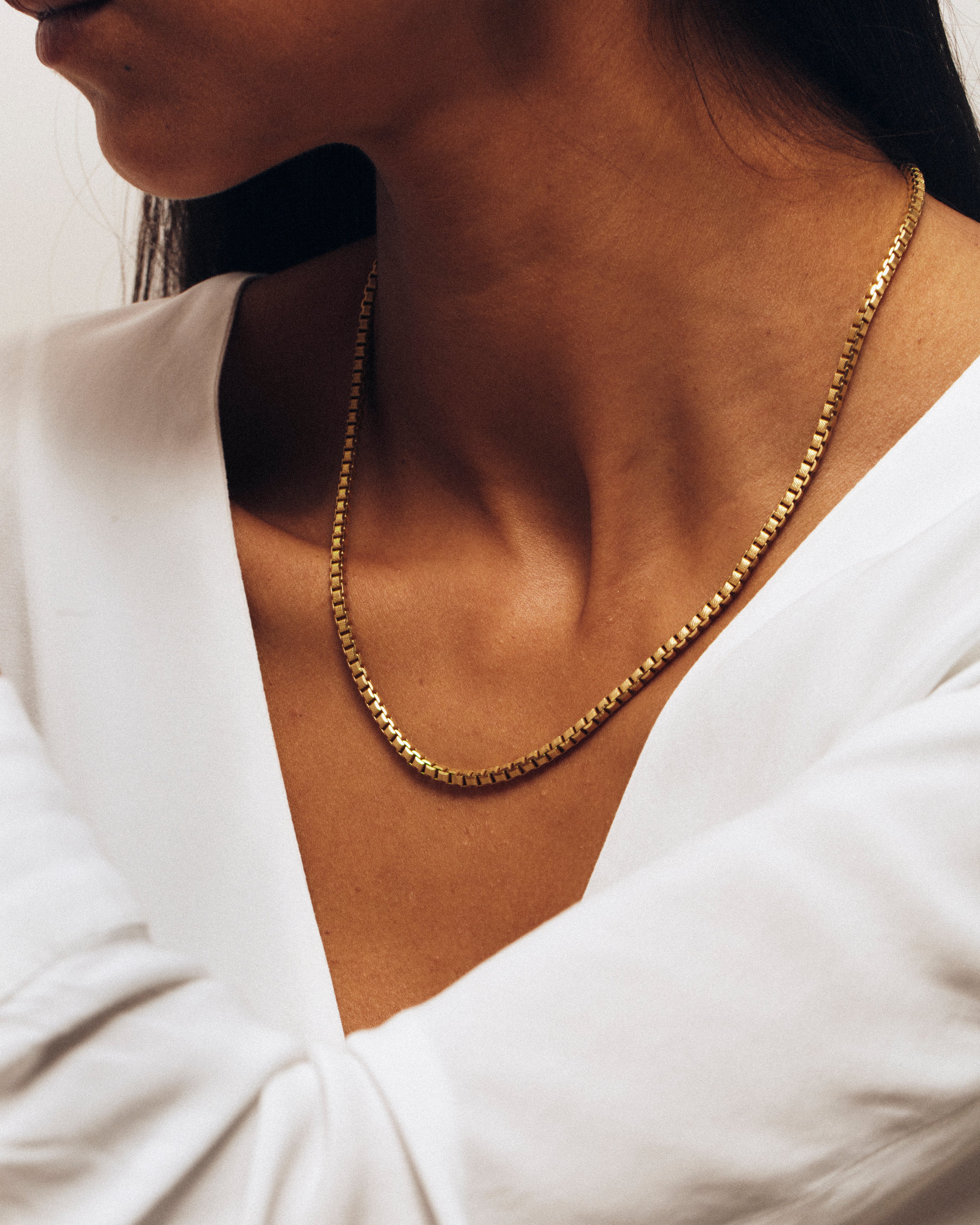
Gold filled makes sense for: everyday pieces you want to wear consistently without worry, a simple chain, a pair of hoops, a delicate bracelet.
Gold Plated: Accessible Beauty, Intentional Design
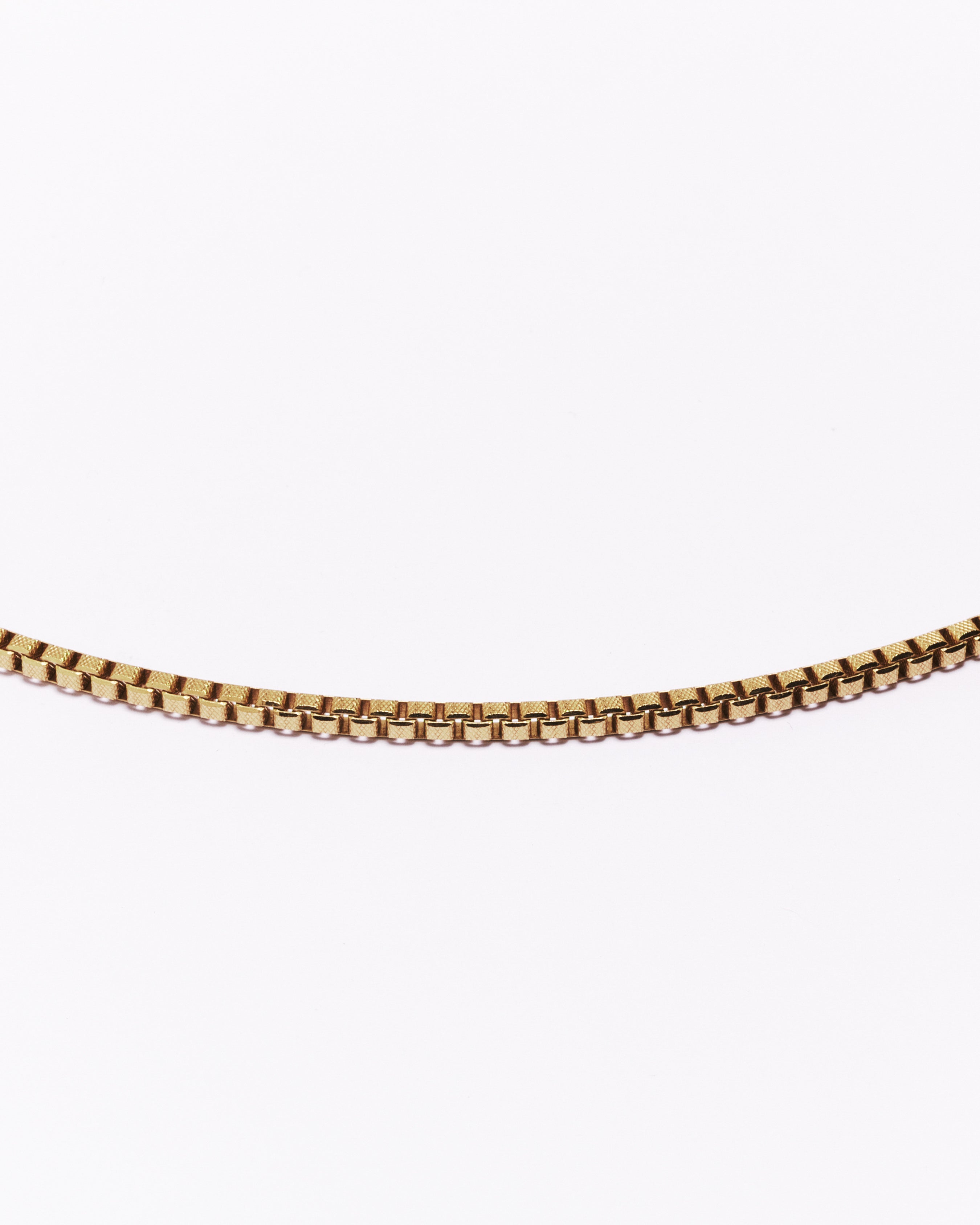
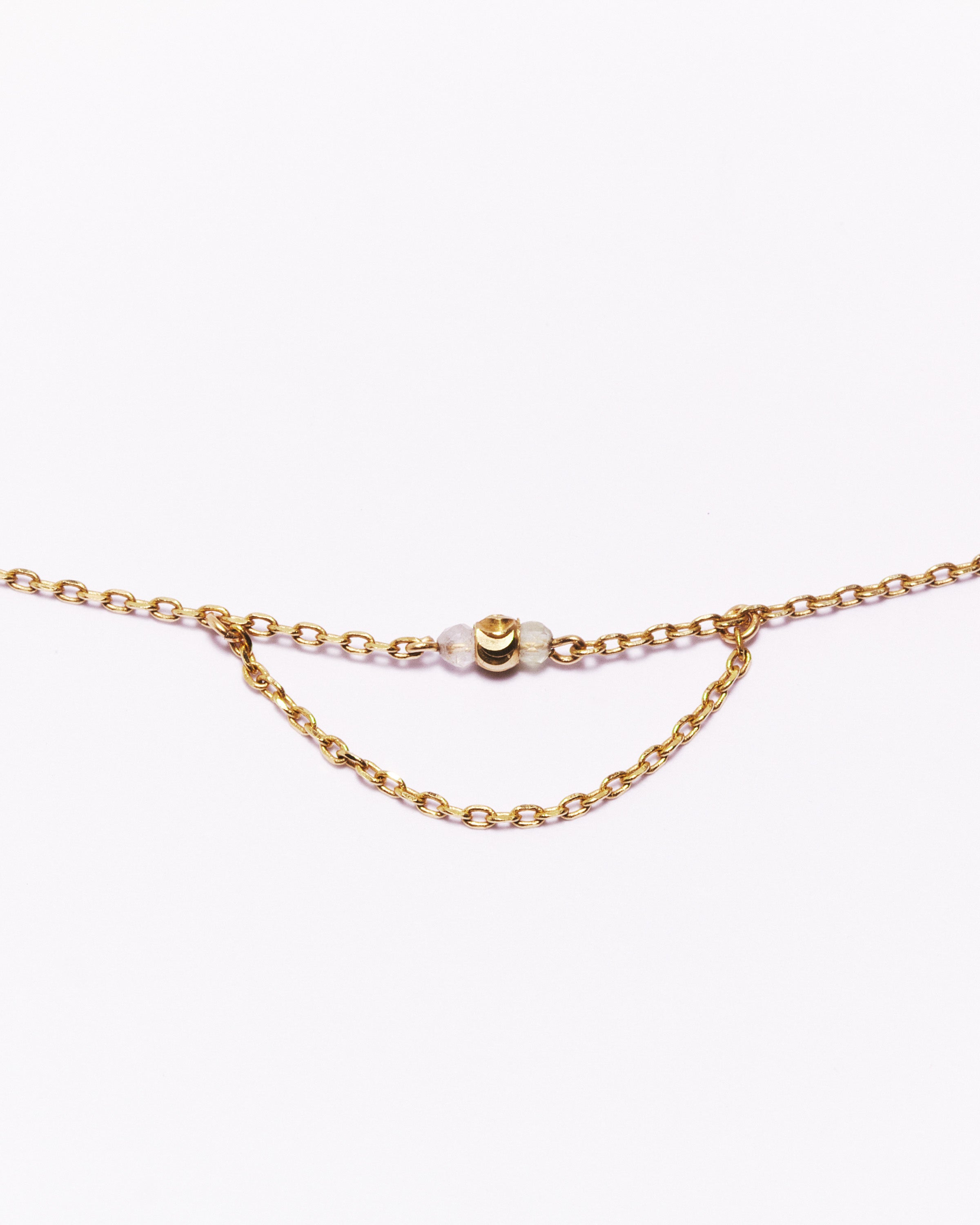
Gold plated jewelry uses electroplating to deposit a thin layer of real gold onto a base metal. The gold layer is thinner than in gold filled pieces, which means it is more susceptible to wear over time. But quality varies enormously based on plating thickness and the quality of the base metal.
This is the category where craftsmanship and intention separate the mediocre from the exceptional. A mass-produced gold plated ring from a fast-fashion retailer and a handcrafted gold plated setting with a natural gemstone from an artisan studio are both technically "gold plated." But they are not the same object.
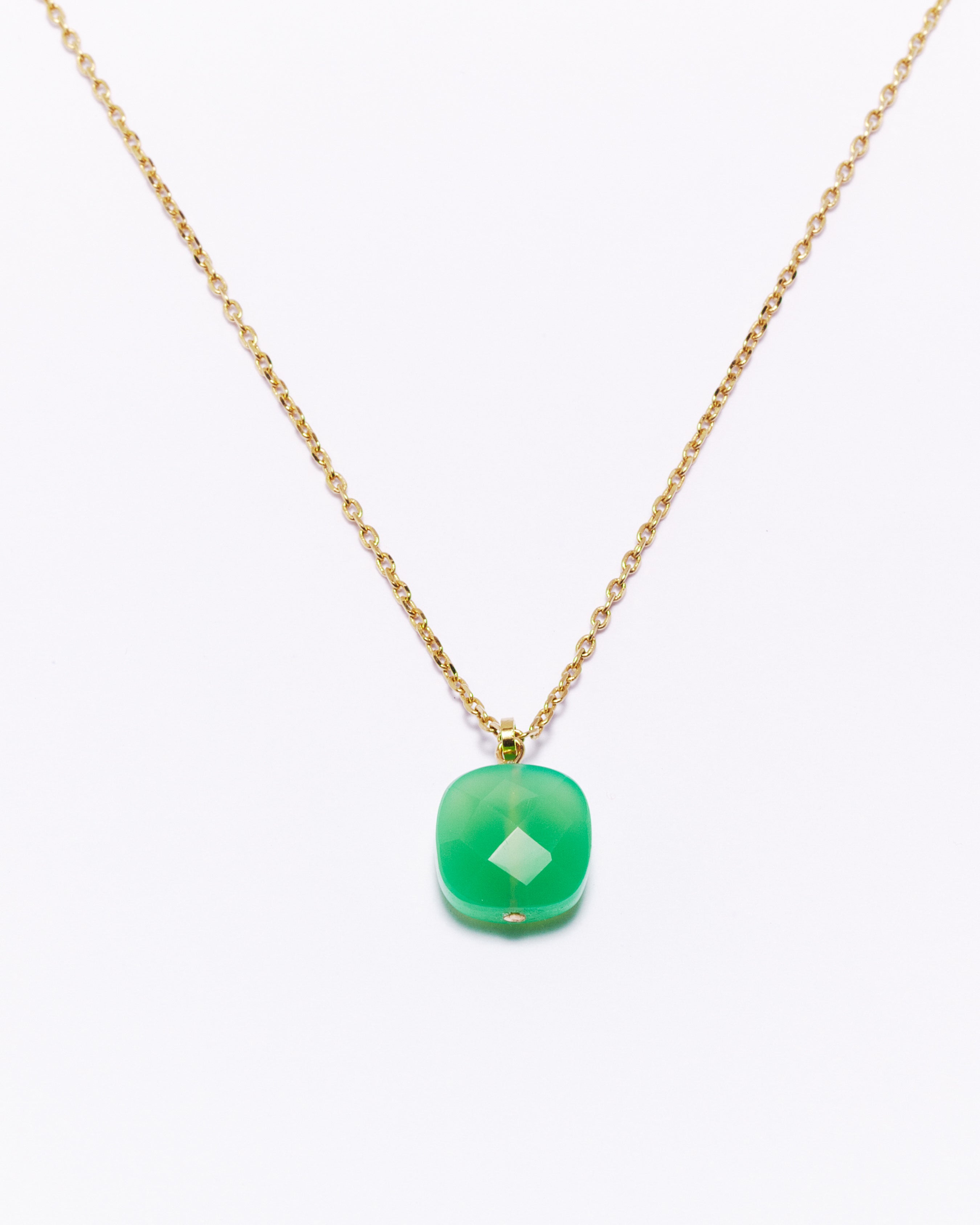
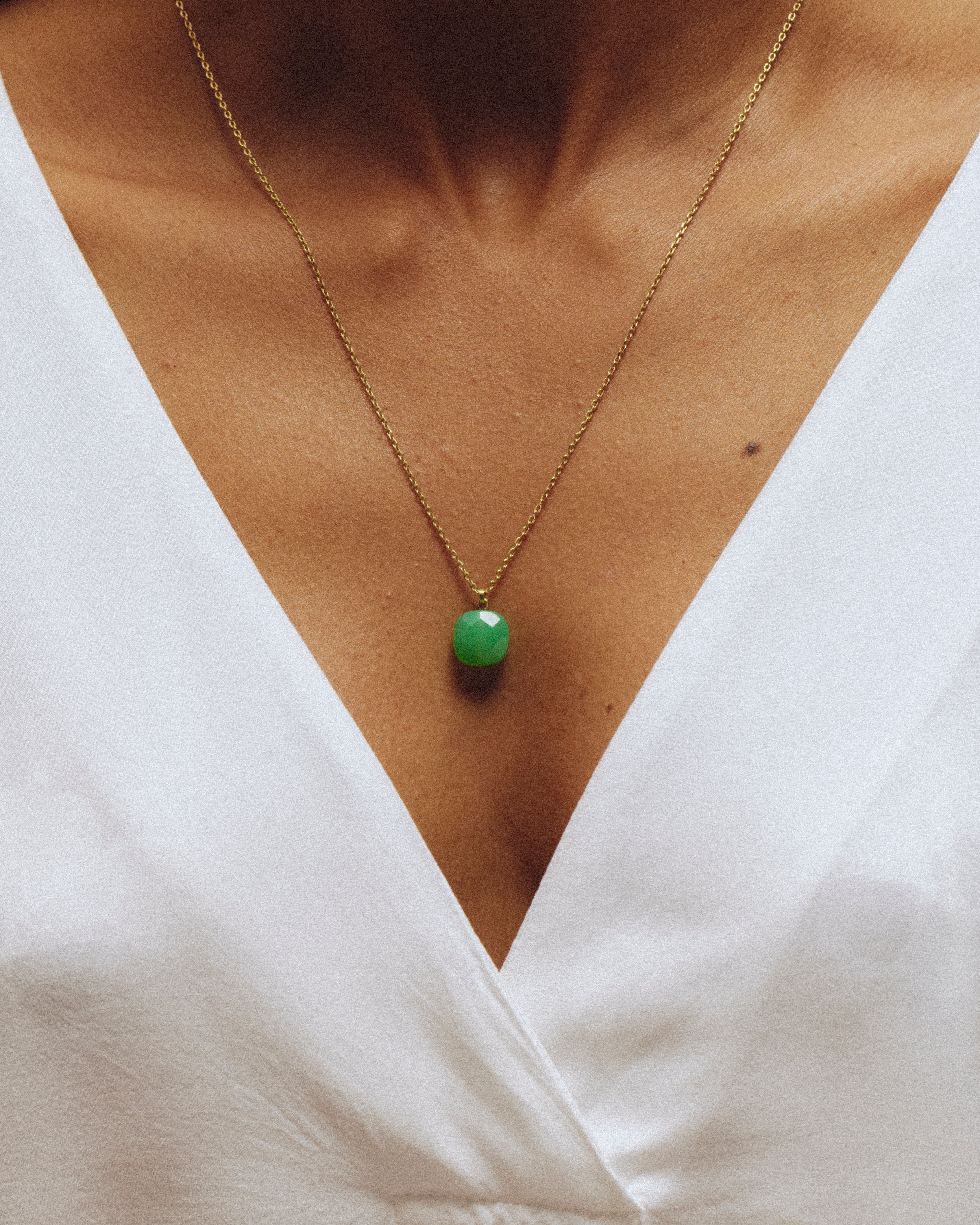
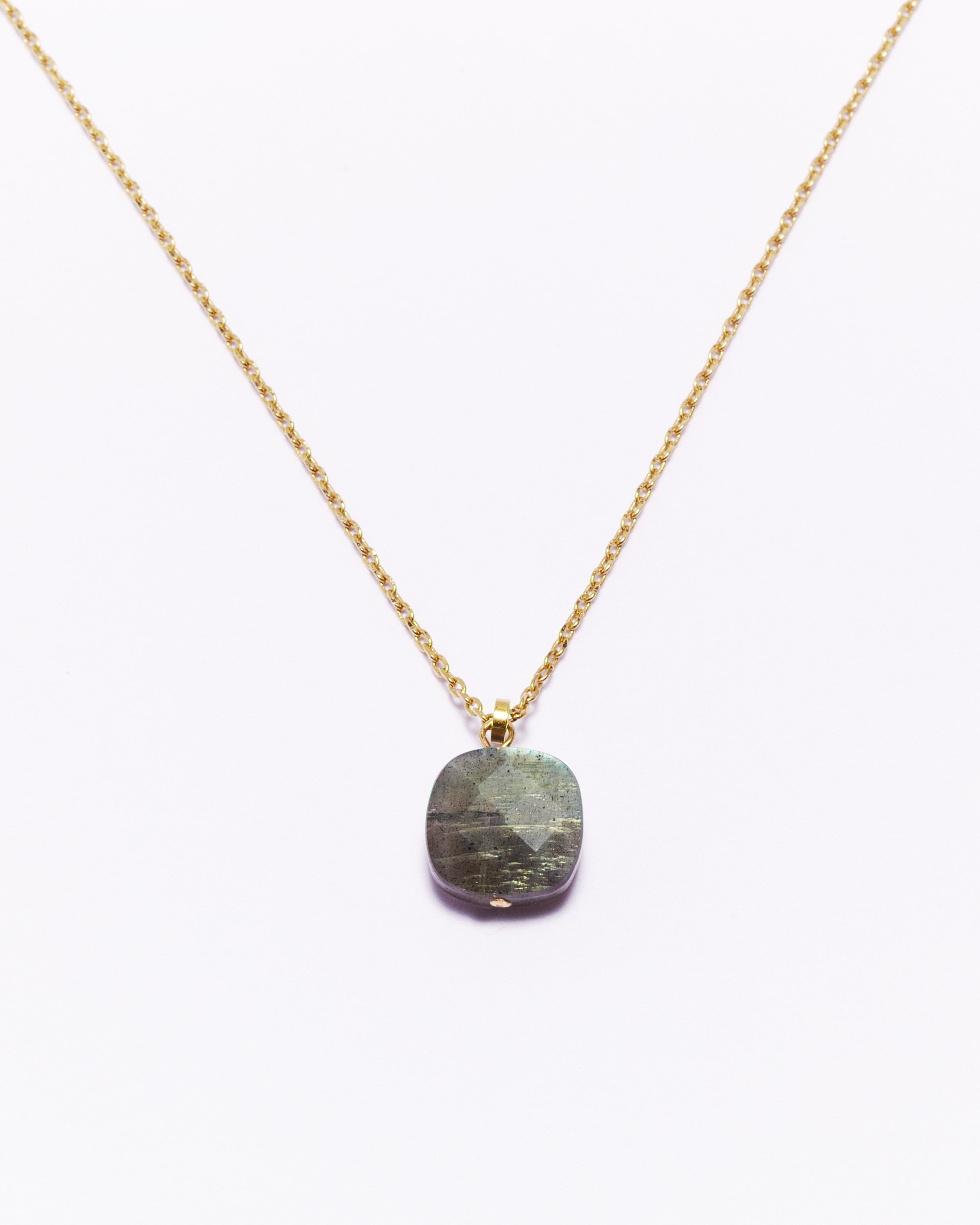
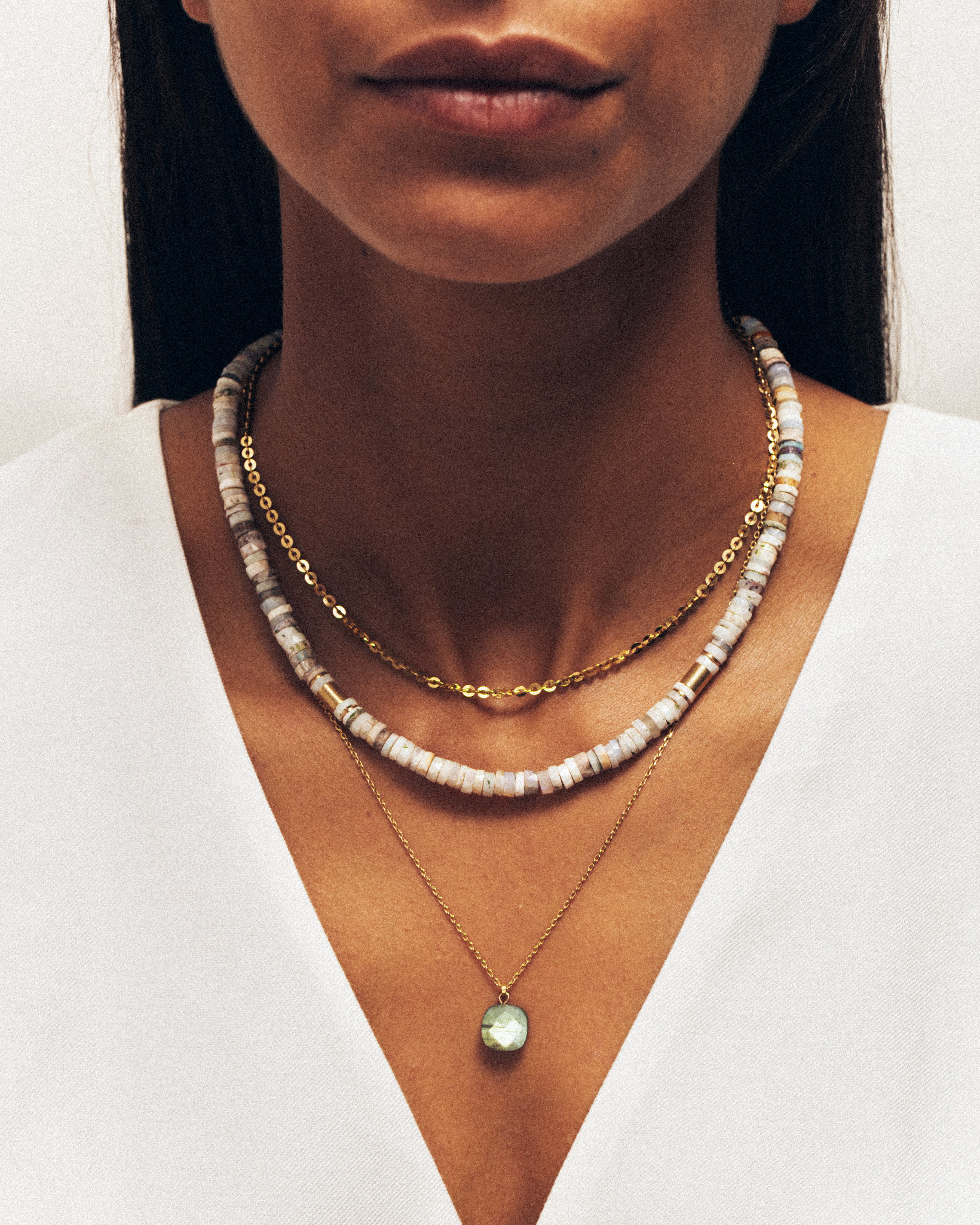
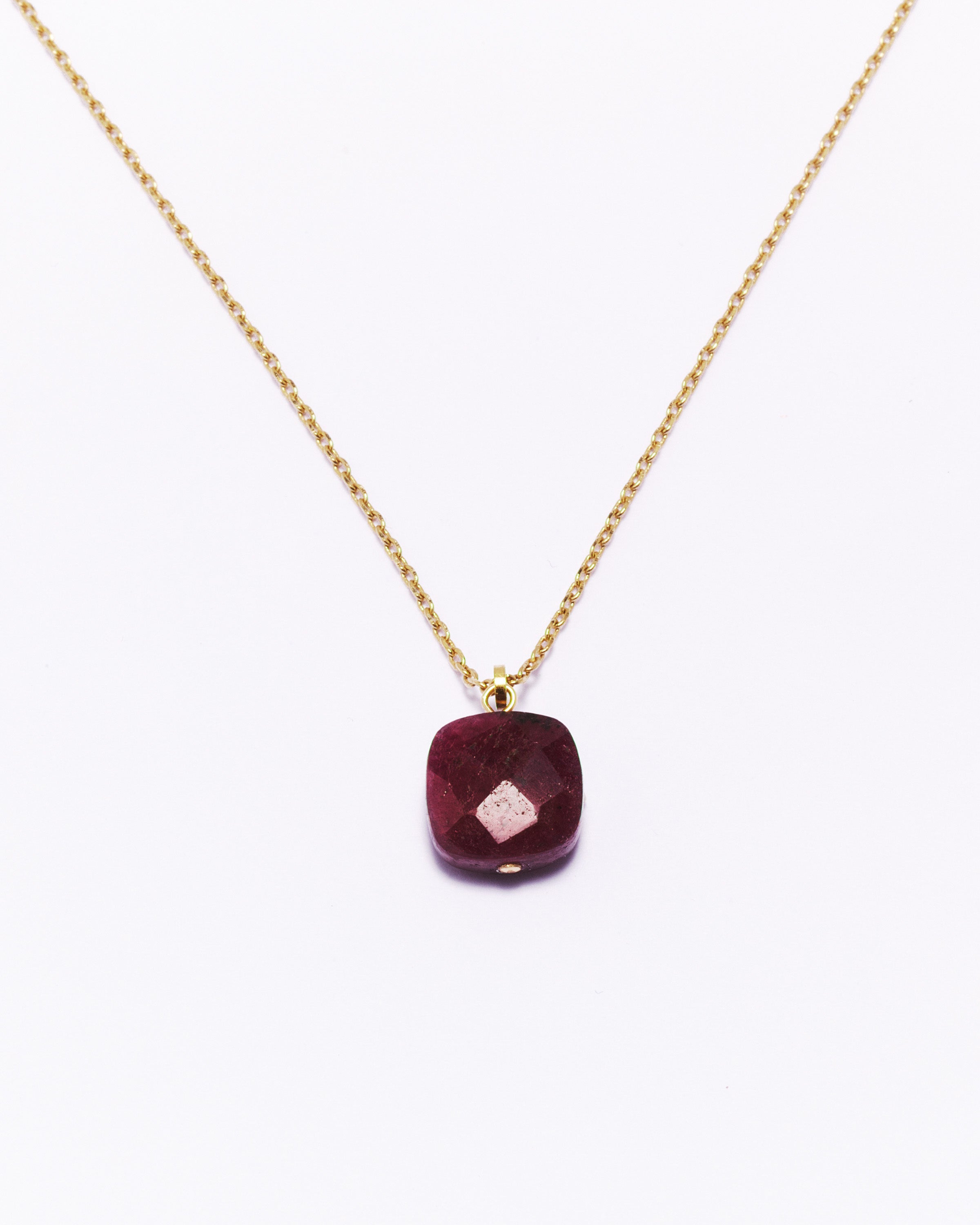
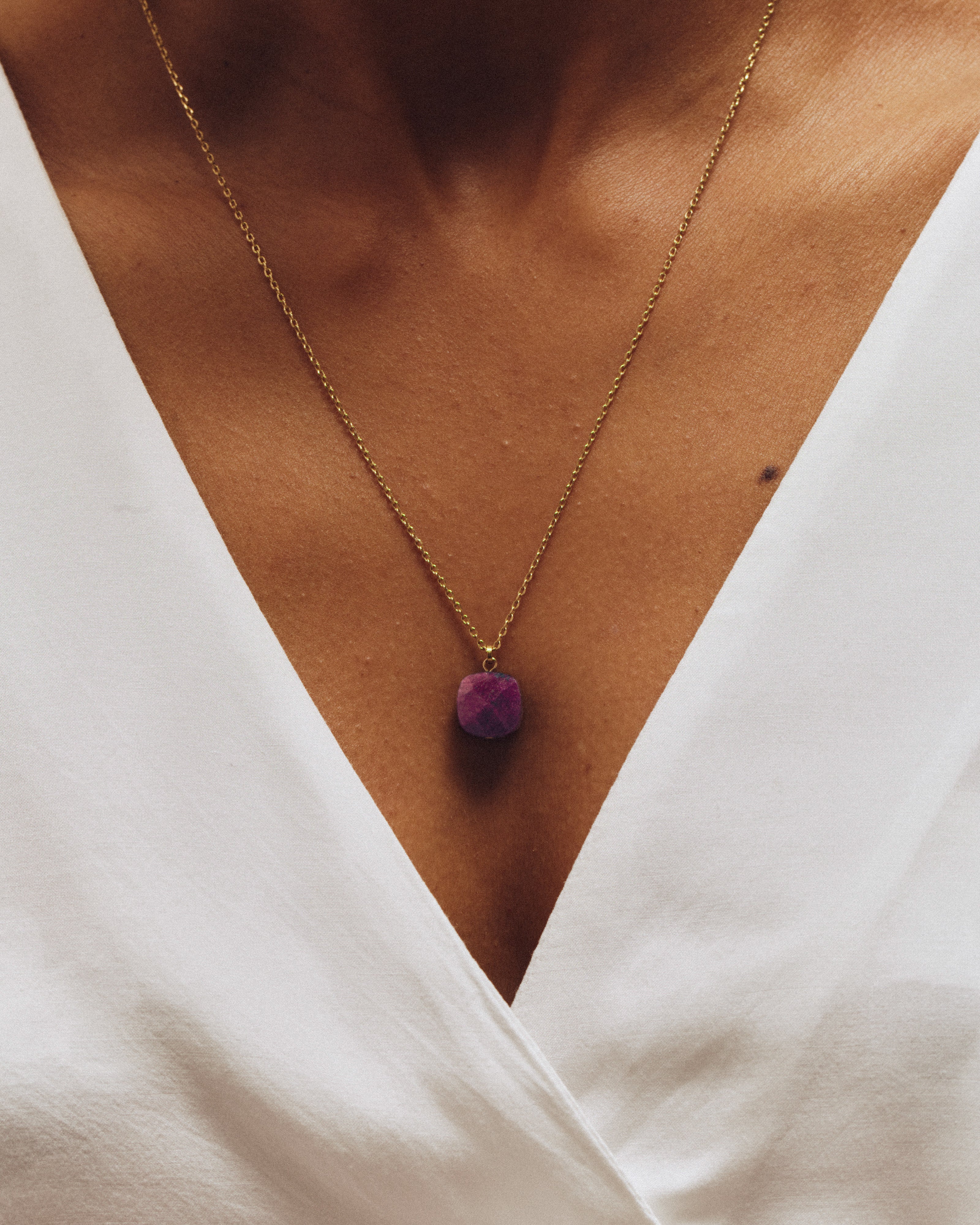
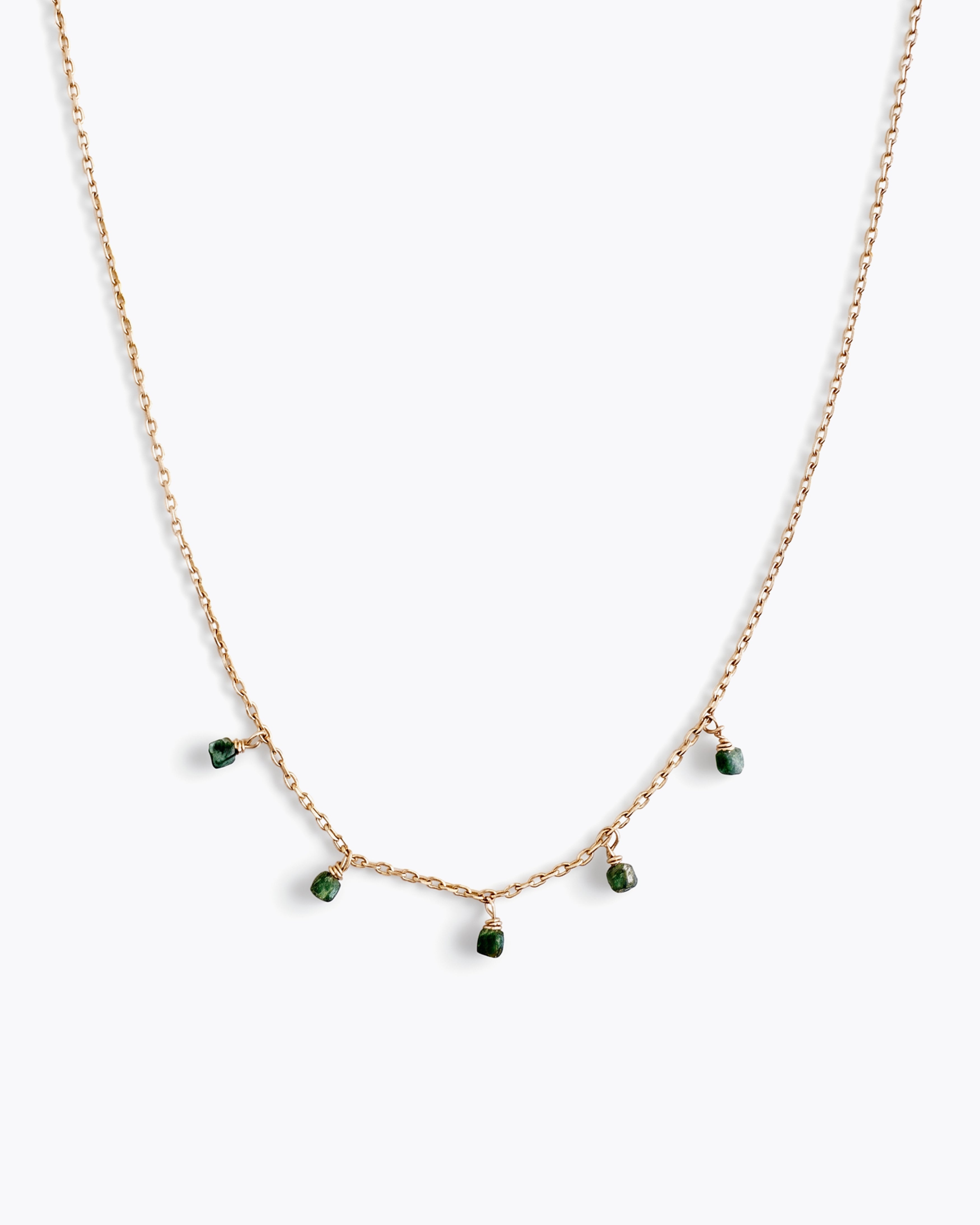
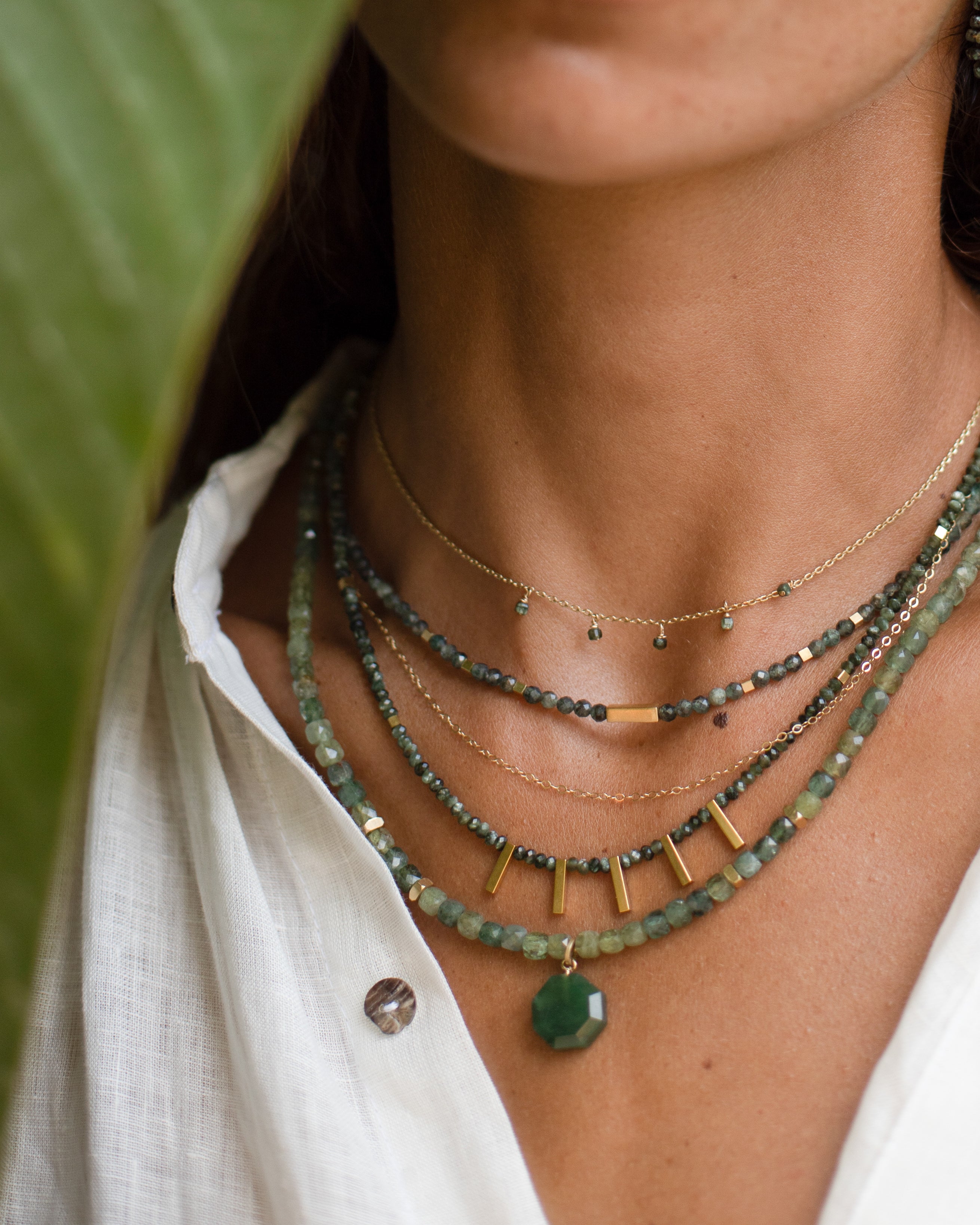
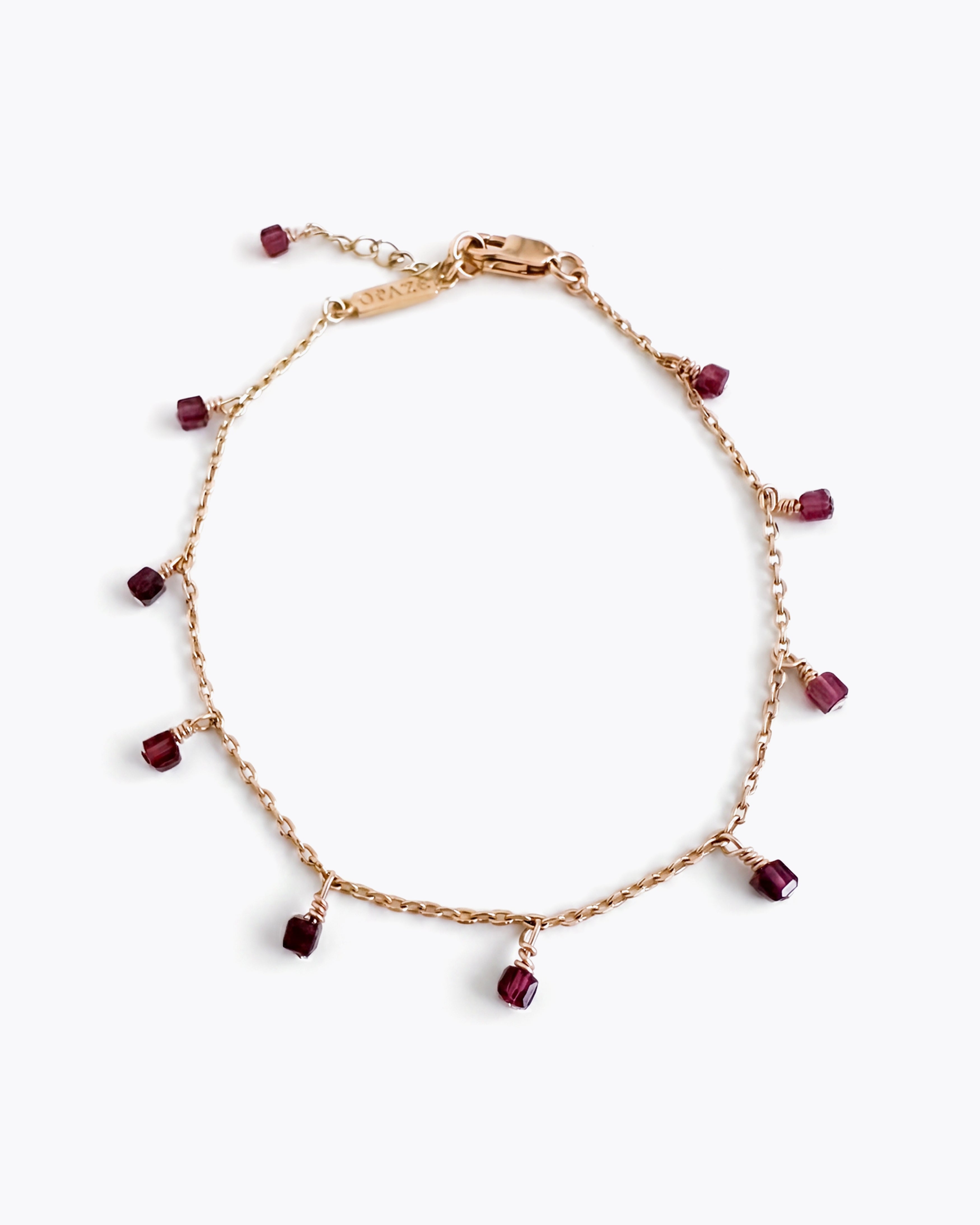
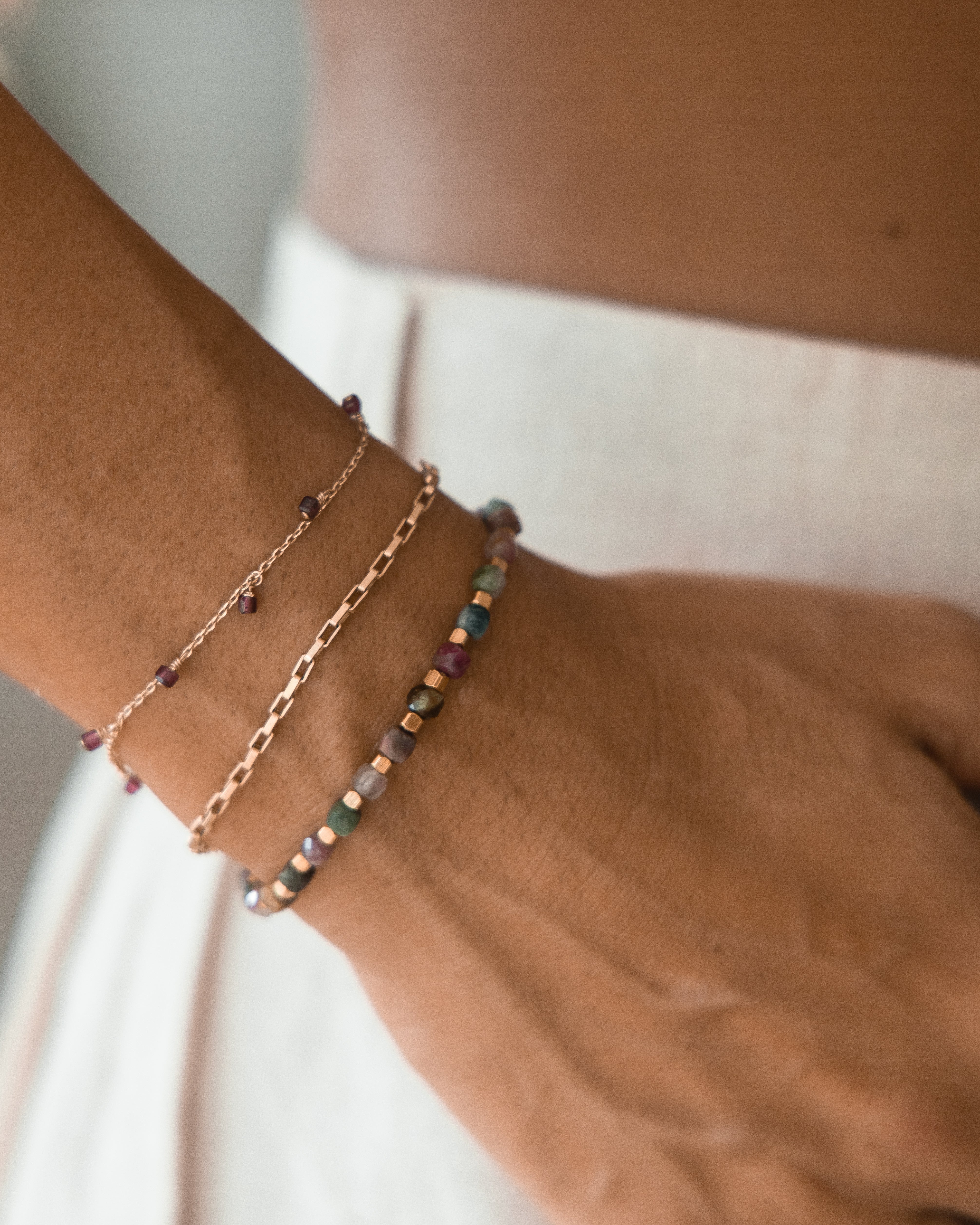
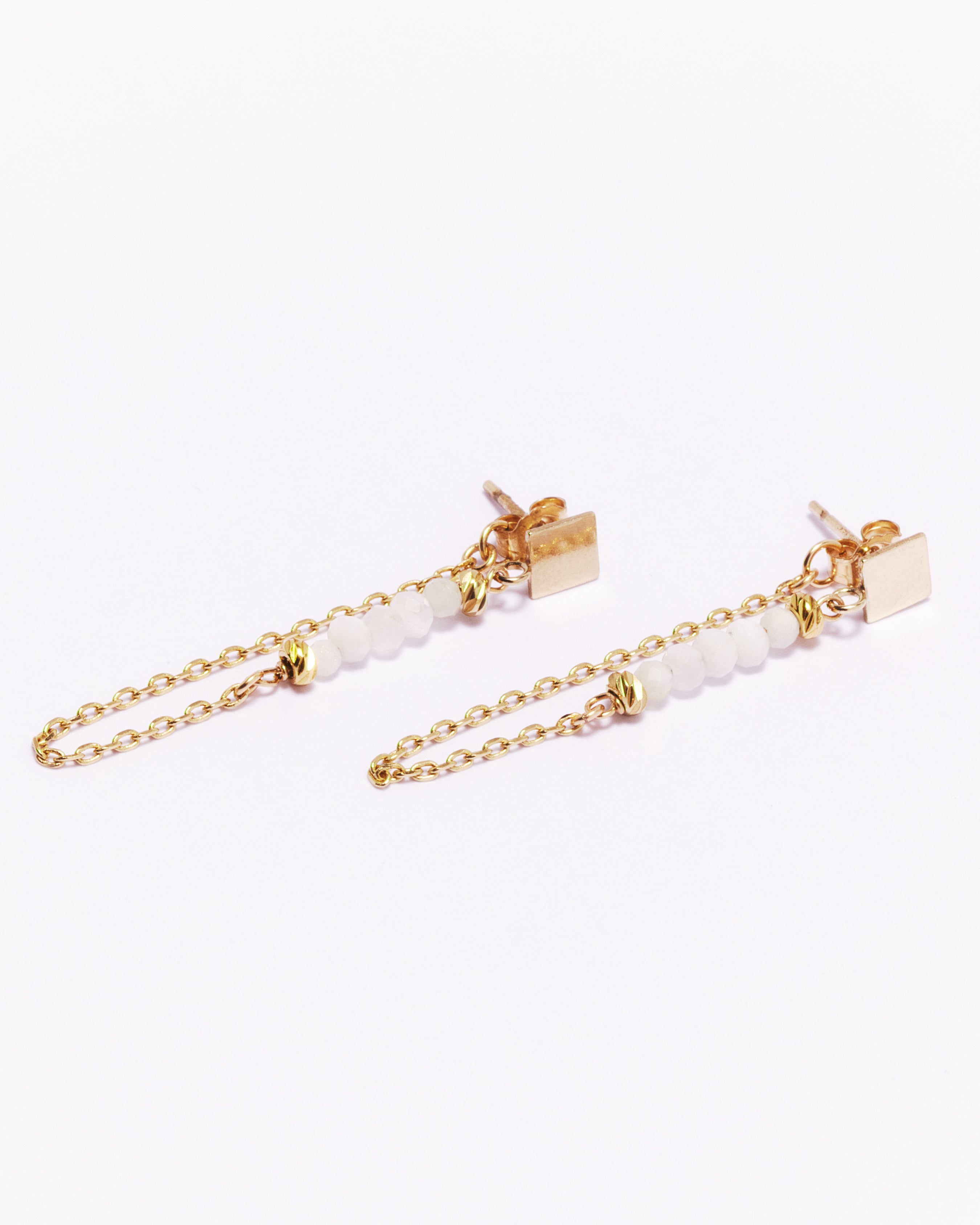
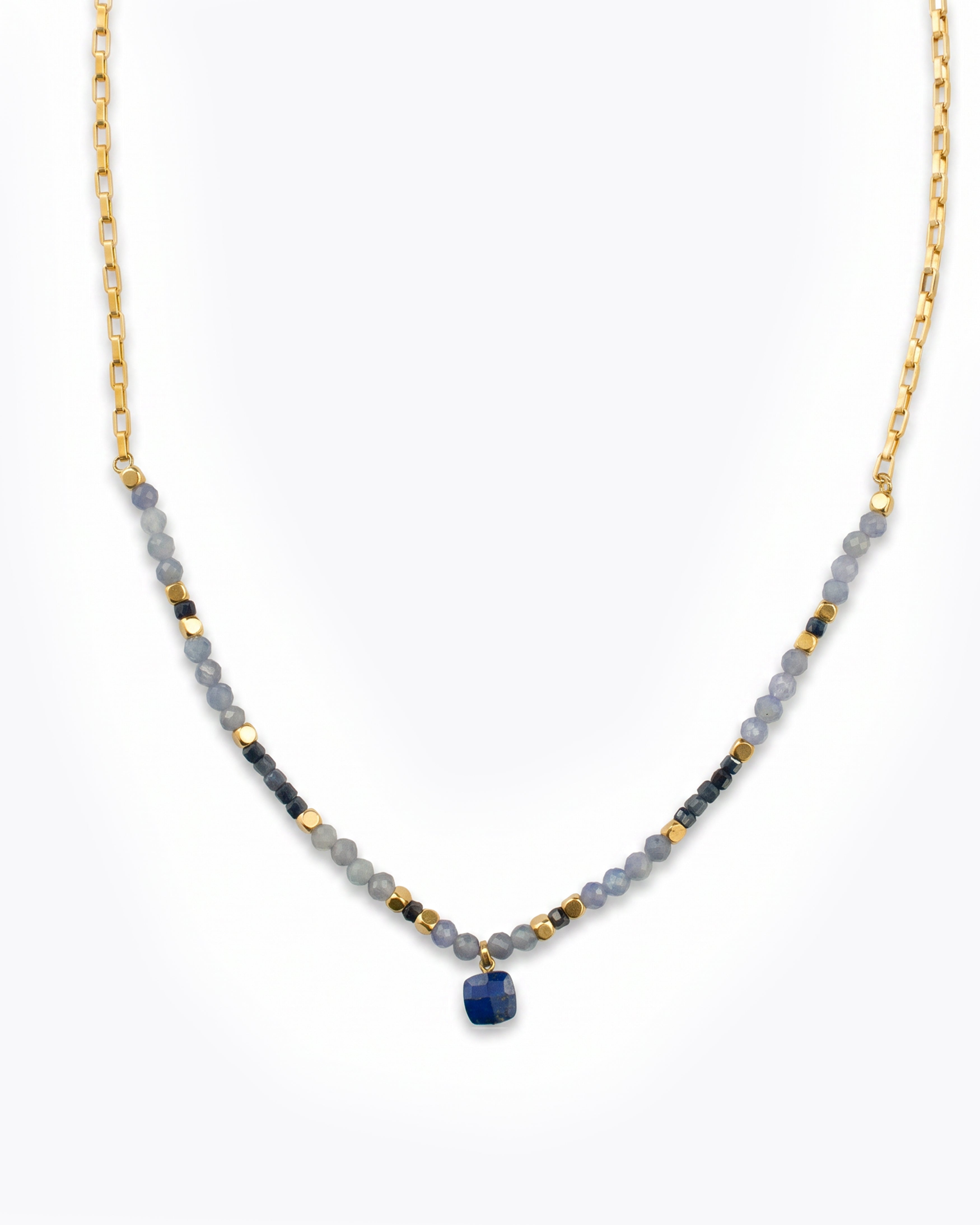
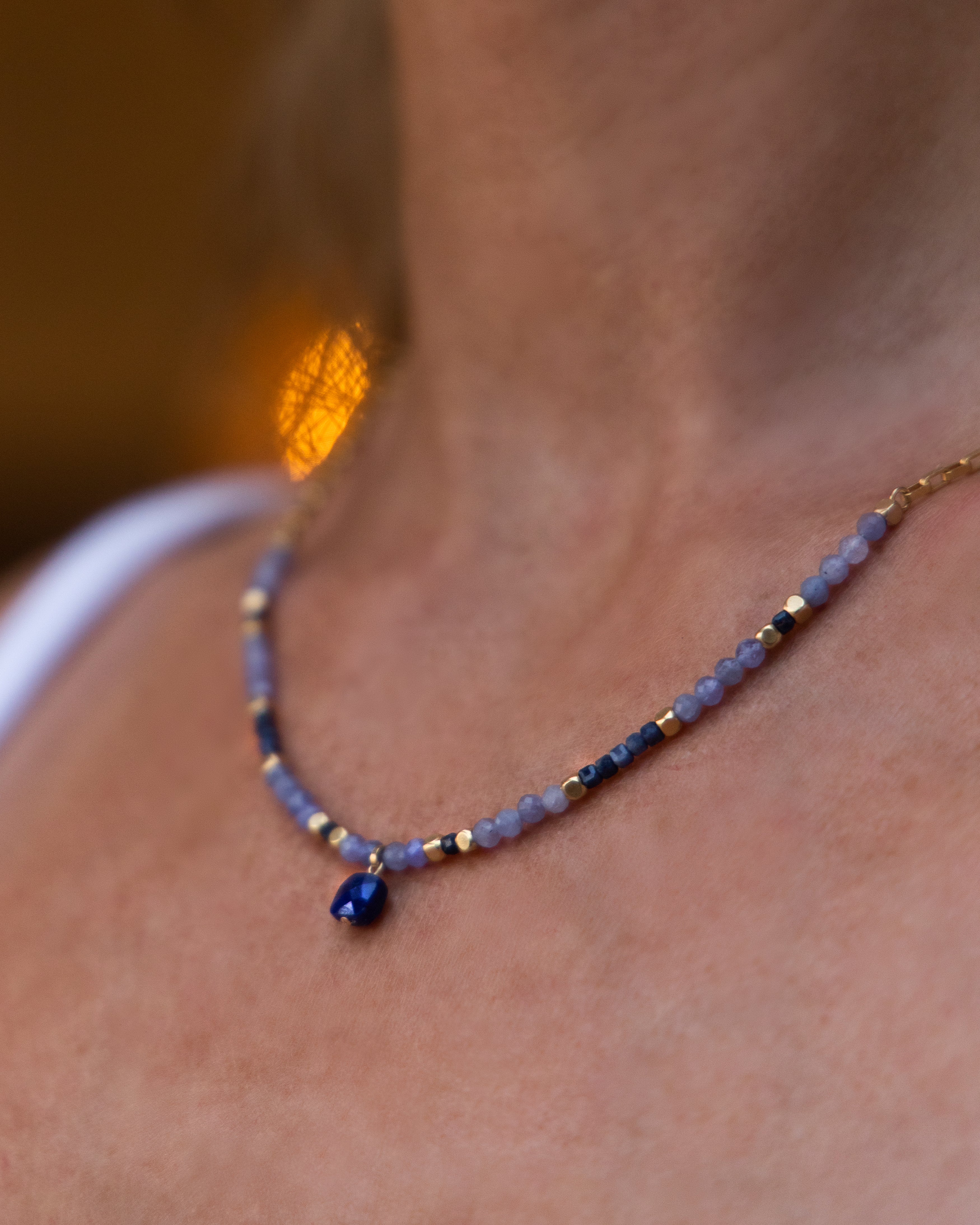
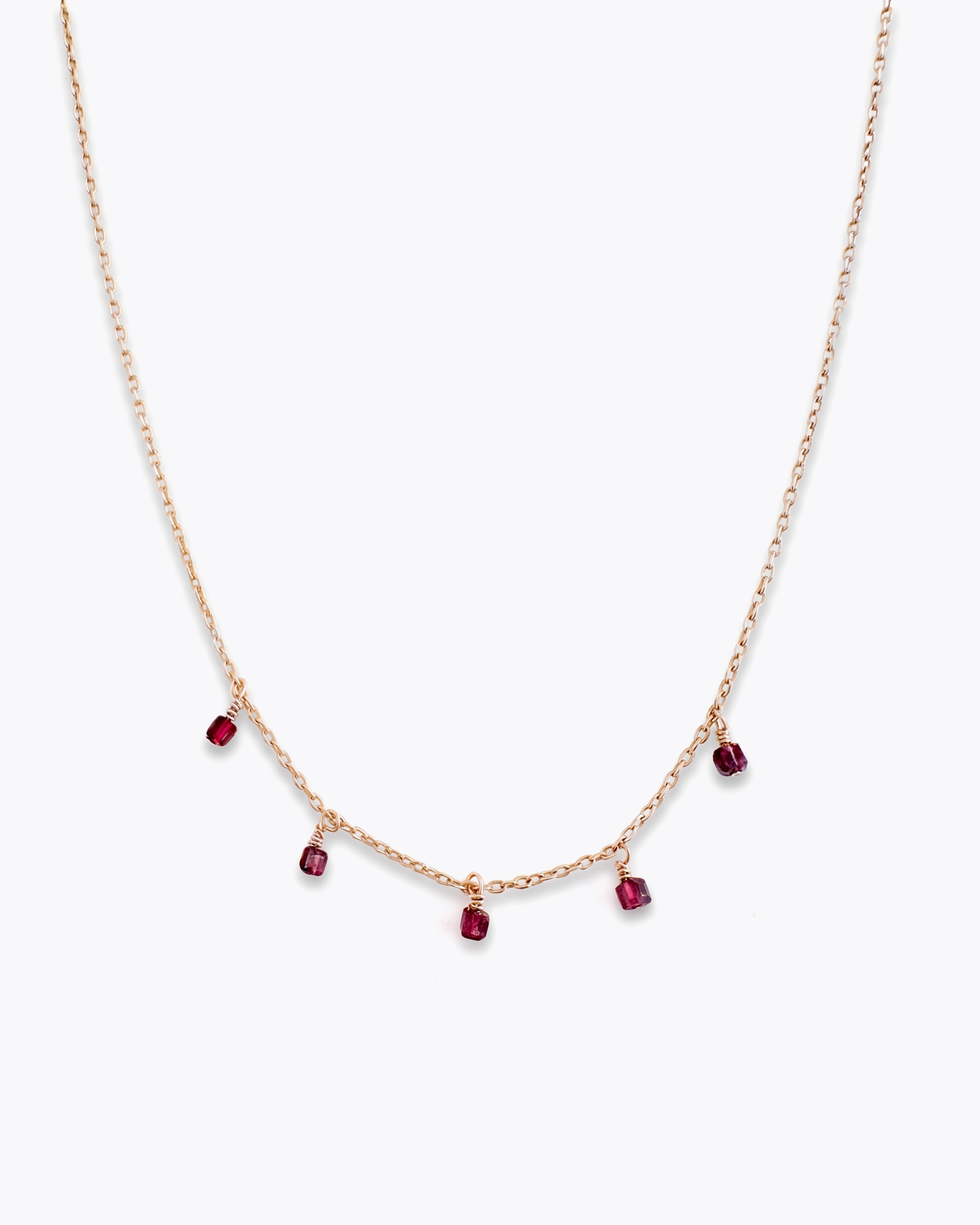
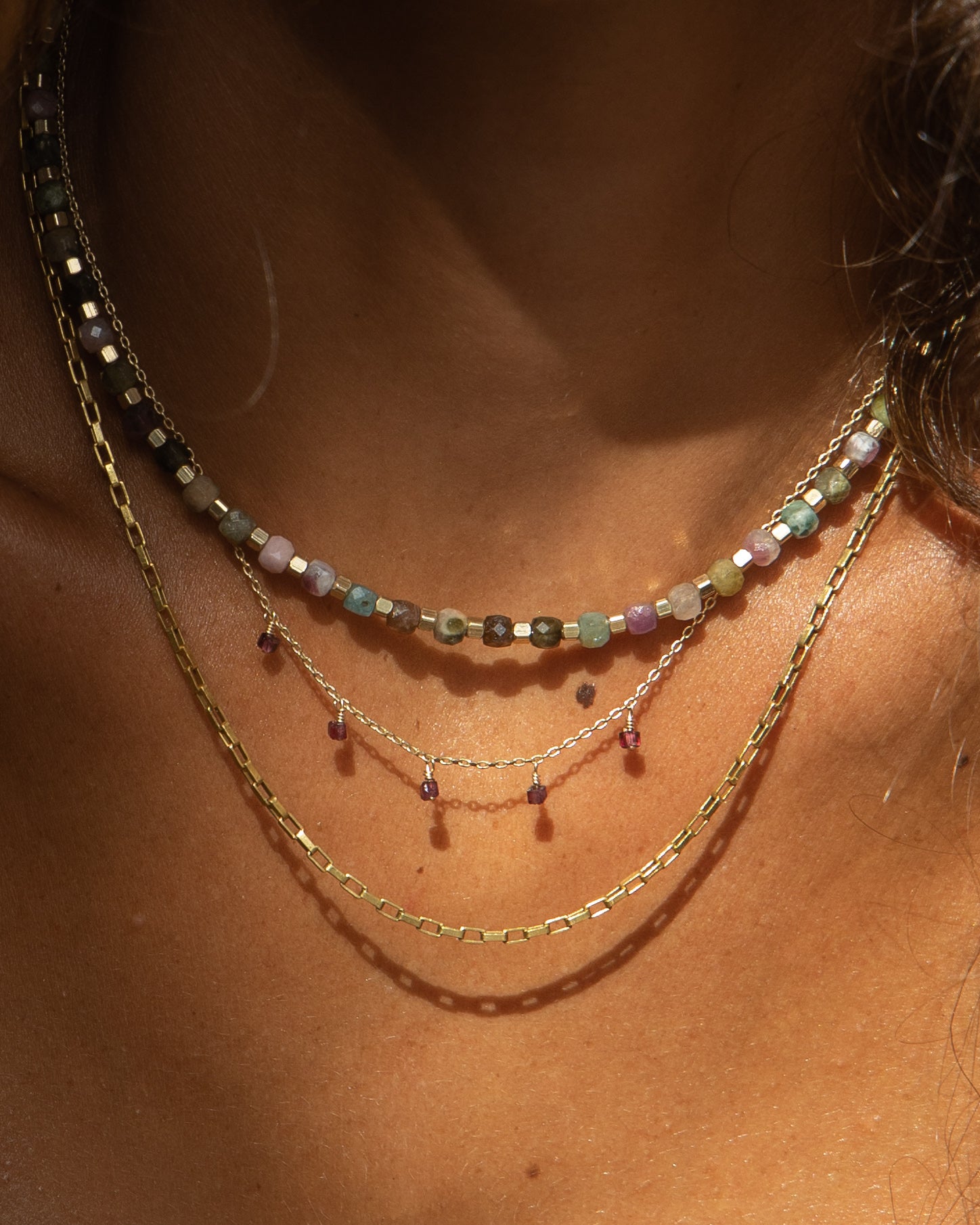
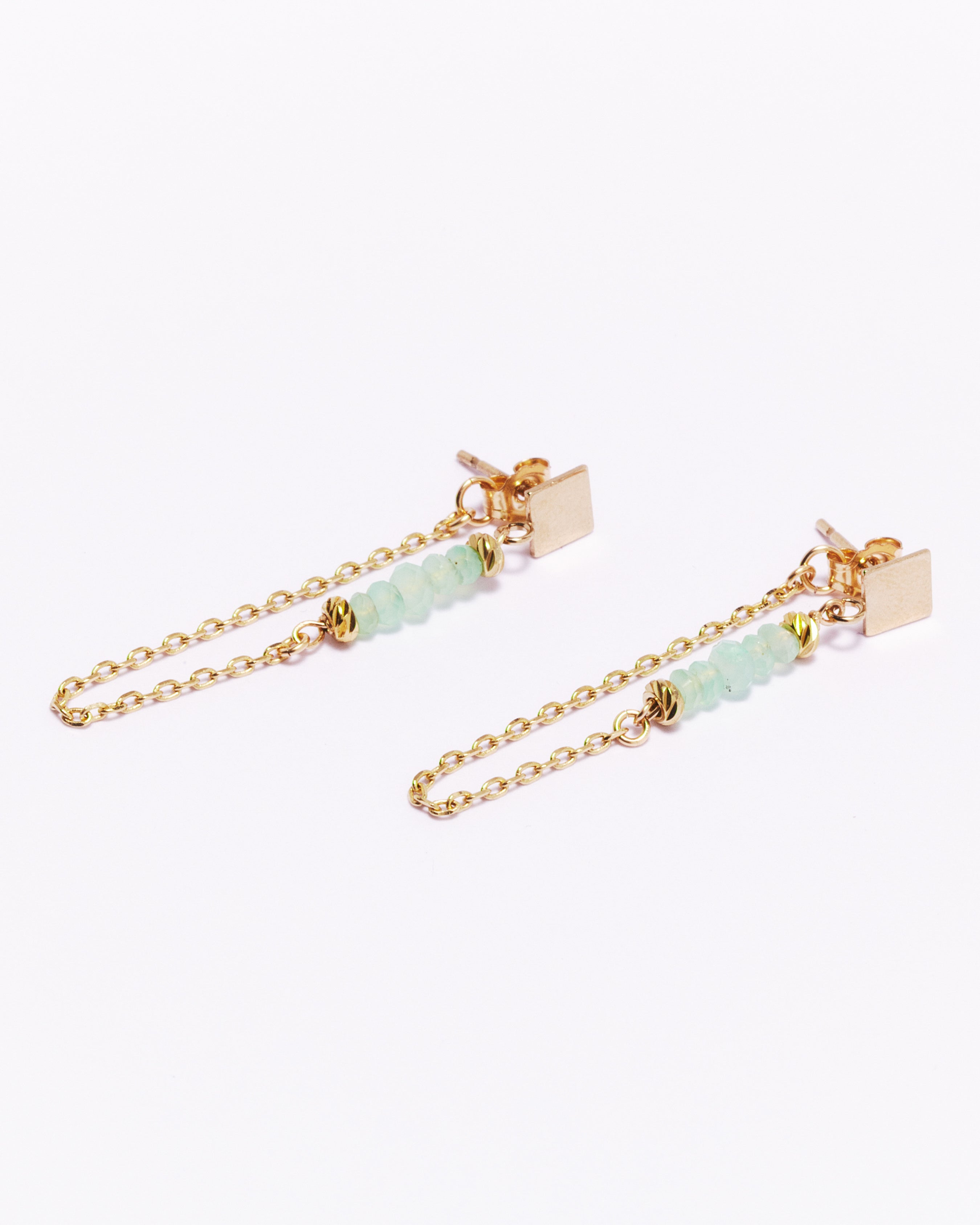
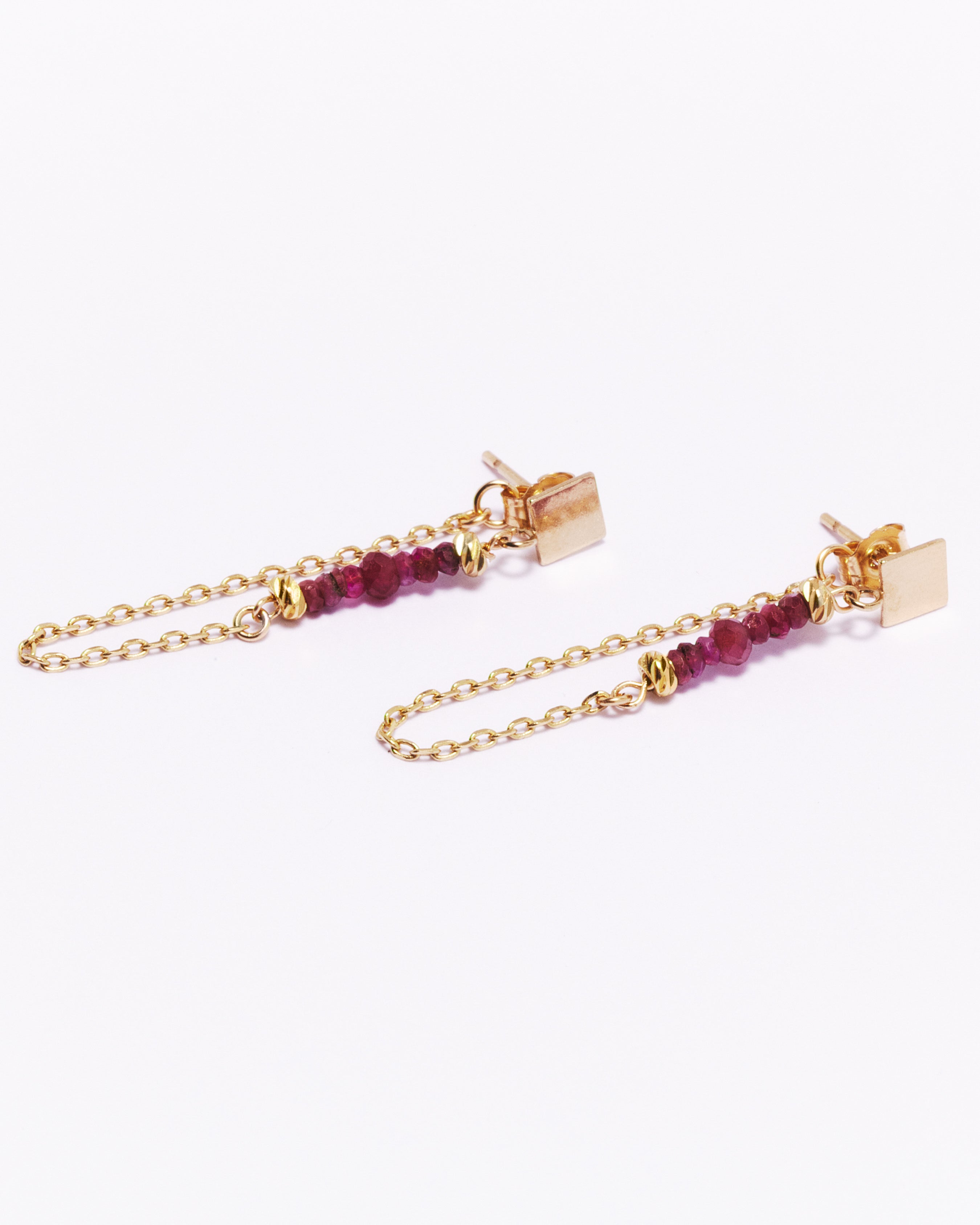
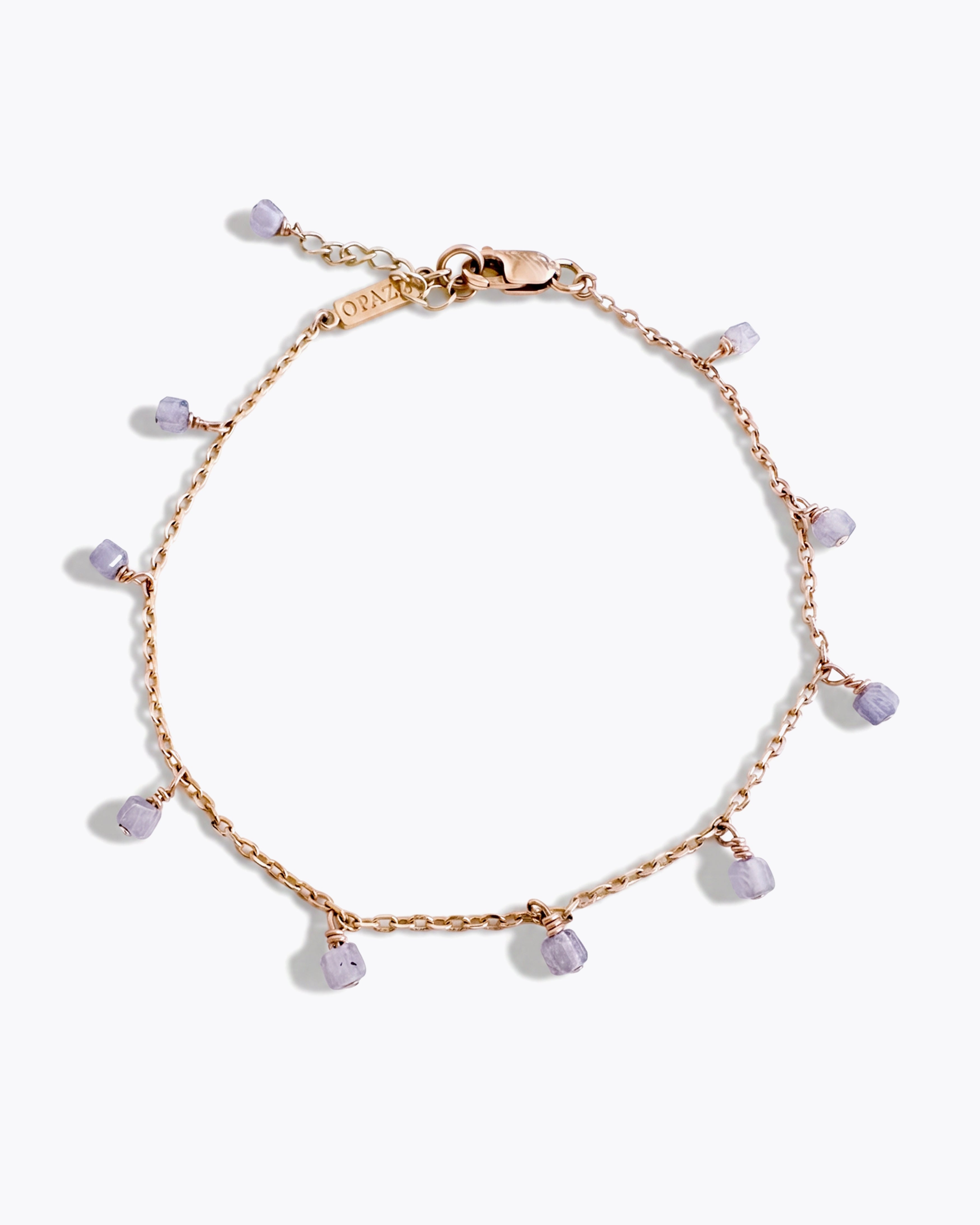
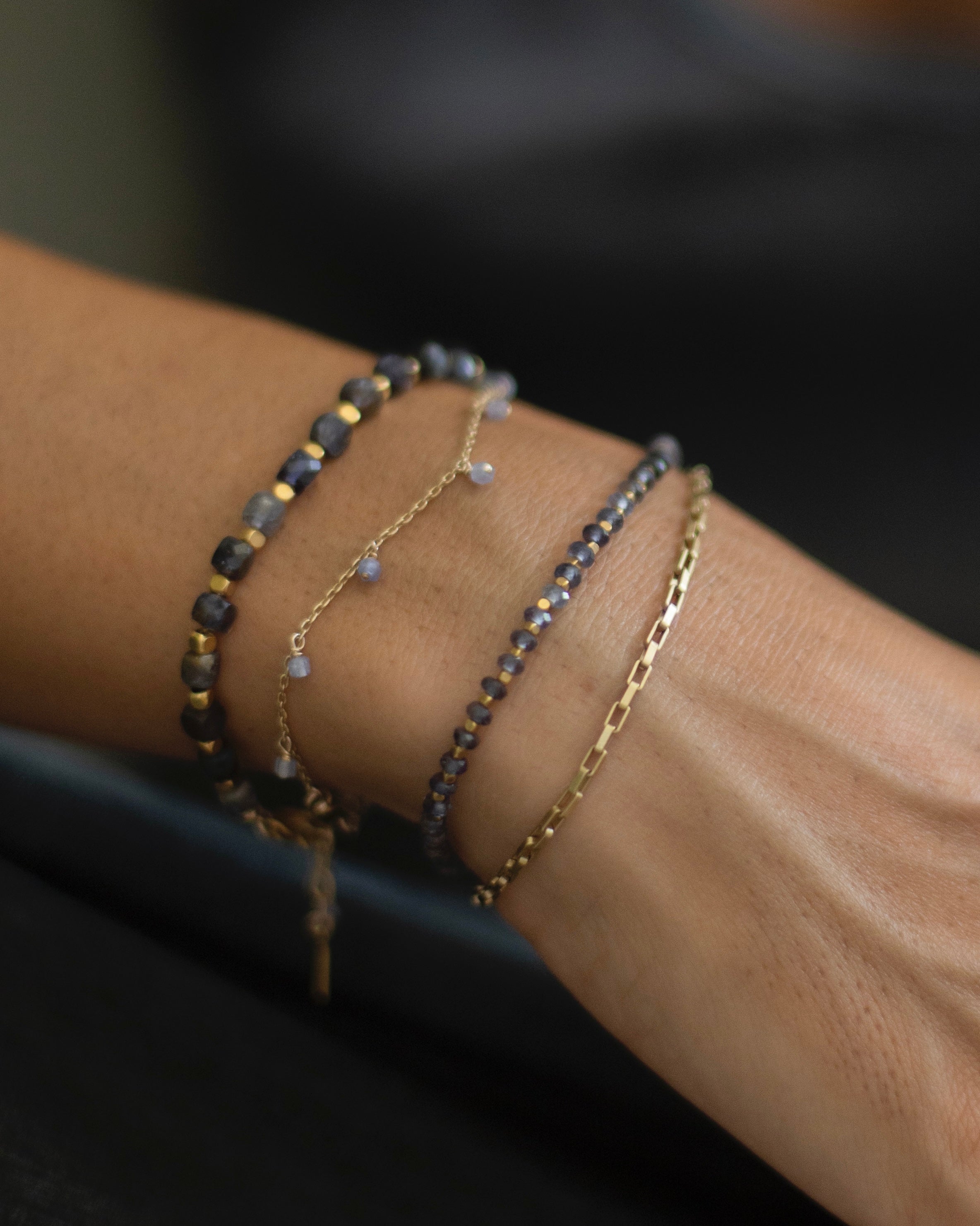
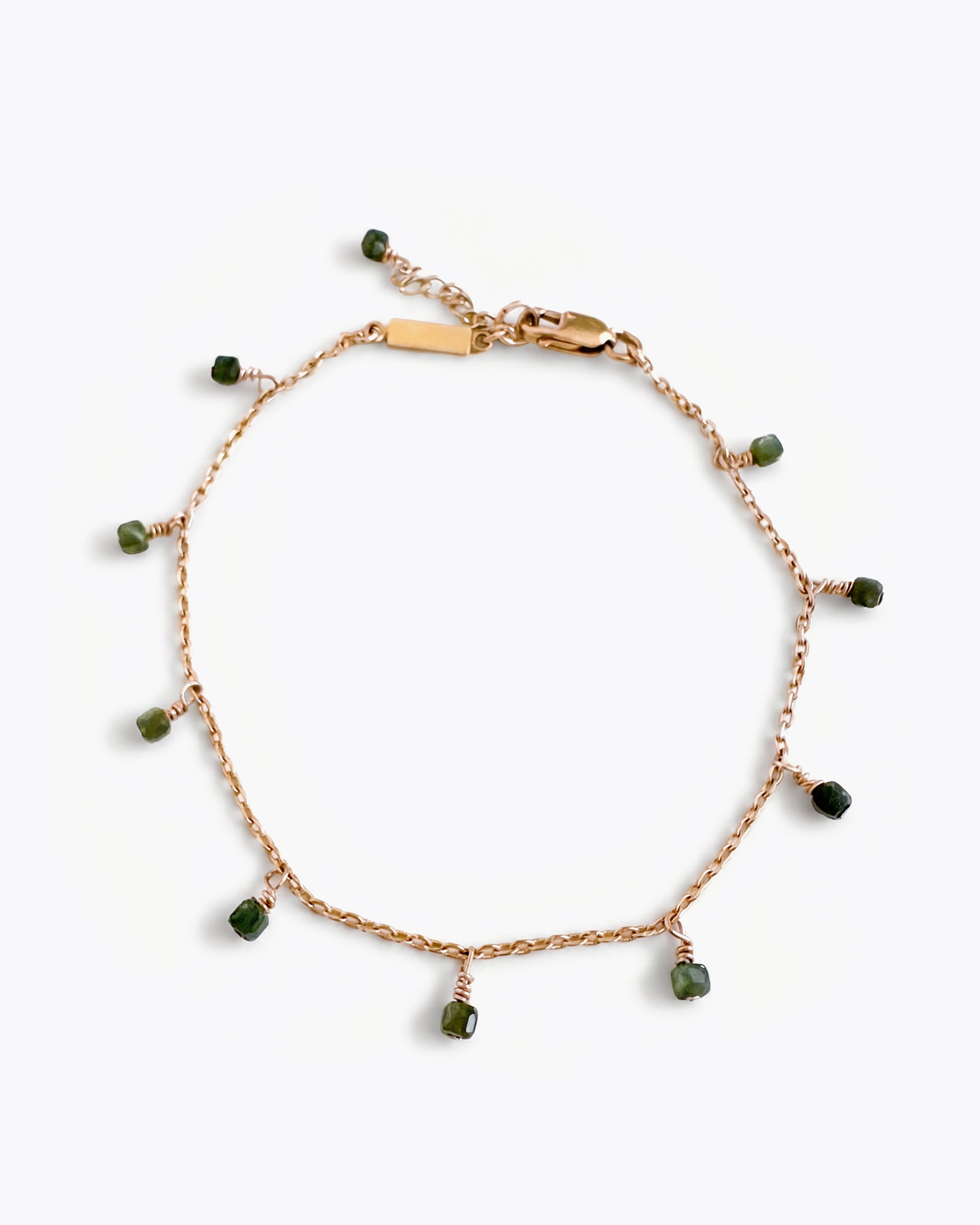
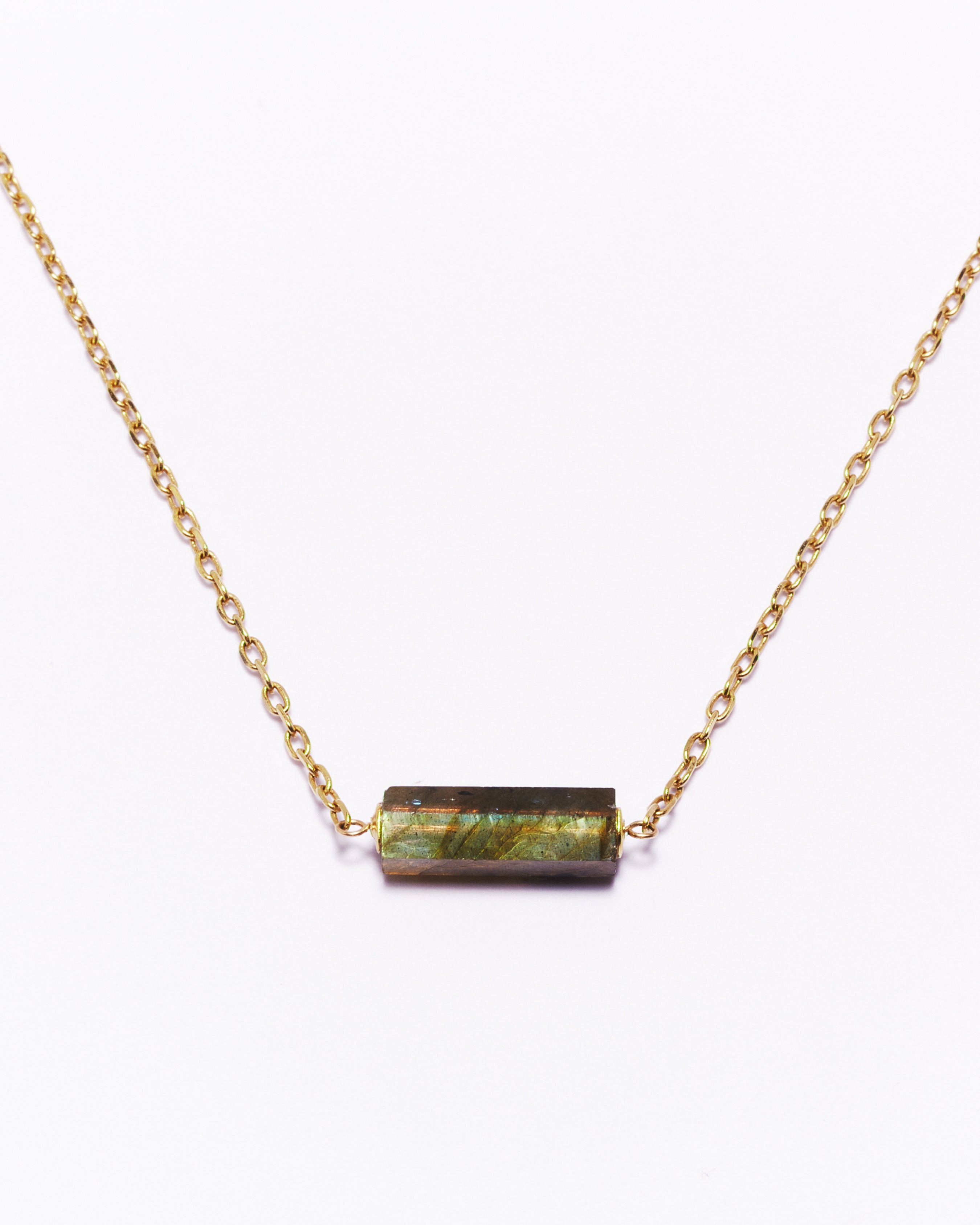
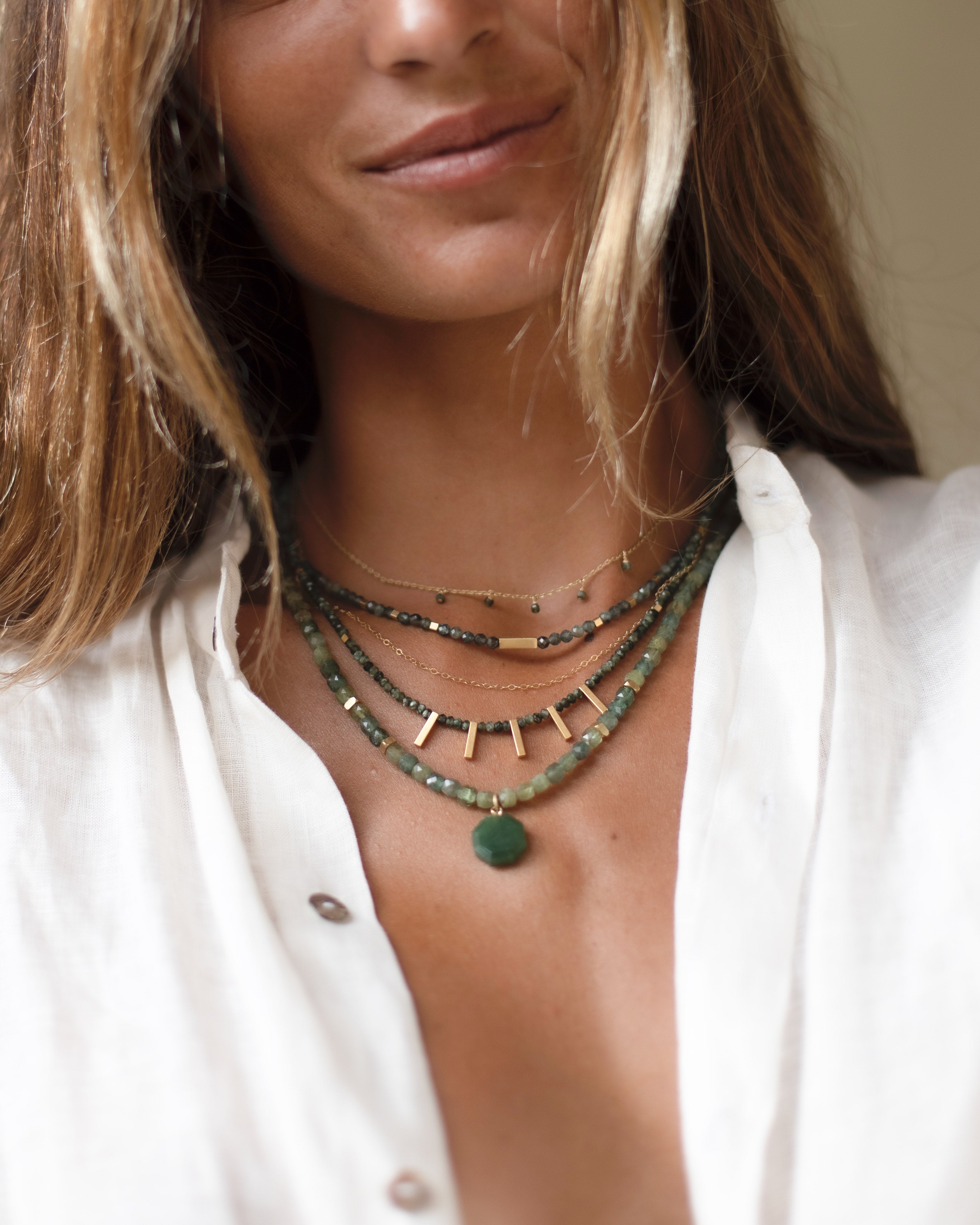
At Opaze, gold plated settings allow us to focus our investment where it matters most: the stones. Natural labradorite. Faceted moonstone. High-quality amethyst, citrine, and garnet. Gemstones that carry genuine geological history, and for those who feel it, genuine energetic presence.
Gold plated makes sense for: beautiful, design-forward pieces where the stone is the hero, where the value is in the artisanship and the experience of wearing something meaningful, and where price accessibility matters.

A Side-by-Side Comparison
- Solid Gold: Real gold throughout. Highest cost. Lasts forever. Best for heirloom pieces and significant investments.
- Gold Filled: Thick gold layer, mechanically bonded. Mid-range cost. Lasts 10 to 30 years. Best for everyday wear with minimal maintenance.
- Gold Plated: Medium gold layer, electroplated. Accessible cost. Lasts 2 to 3 or more years with care. Best for artisan-designed, gemstone-forward pieces and intentional everyday luxury.
What Worth Really Means
Worth is a function of what you want from a piece of jewelry. If you want to build a small collection of meaningful stones, labradorite for the shift you are navigating, moonstone for the intuition you are leaning into, citrine for the abundance you are calling in, gold plated settings make that collection possible without requiring a significant financial commitment per piece.
If you want a single piece you will wear every day for the rest of your life without ever thinking about it, solid gold is the answer.
Most people, it turns out, want both. A thoughtfully built collection might include one or two solid gold anchors, your everyday chain, your ring, and a rotating selection of gold plated statement pieces that change with your season, your mood, and what you need the stones around you to be saying.
That is how we think about it at Opaze. The gold is the canvas. The stone is the story.
Is gold filled better than gold plated?
Gold filled is generally more durable than gold plated due to the thicker gold layer. However, gold plated pieces can be of excellent quality and offer far more design flexibility and stone-setting possibilities at an accessible price.
Does gold plated jewelry contain real gold?
Yes. Gold plated jewelry has a genuine gold layer. It is just thinner than gold filled or solid gold.
Can you shower with gold filled jewelry?
Occasionally, yes. Gold filled is more water-resistant than gold plated. But for longevity, it is best to remove any jewelry before prolonged water exposure.
What is the difference between 14k and 18k gold plated?
The karat refers to the gold content of the plating layer itself. 18k gold plated has a richer, warmer tone. 14k is slightly more durable due to higher alloy content in the layer.