


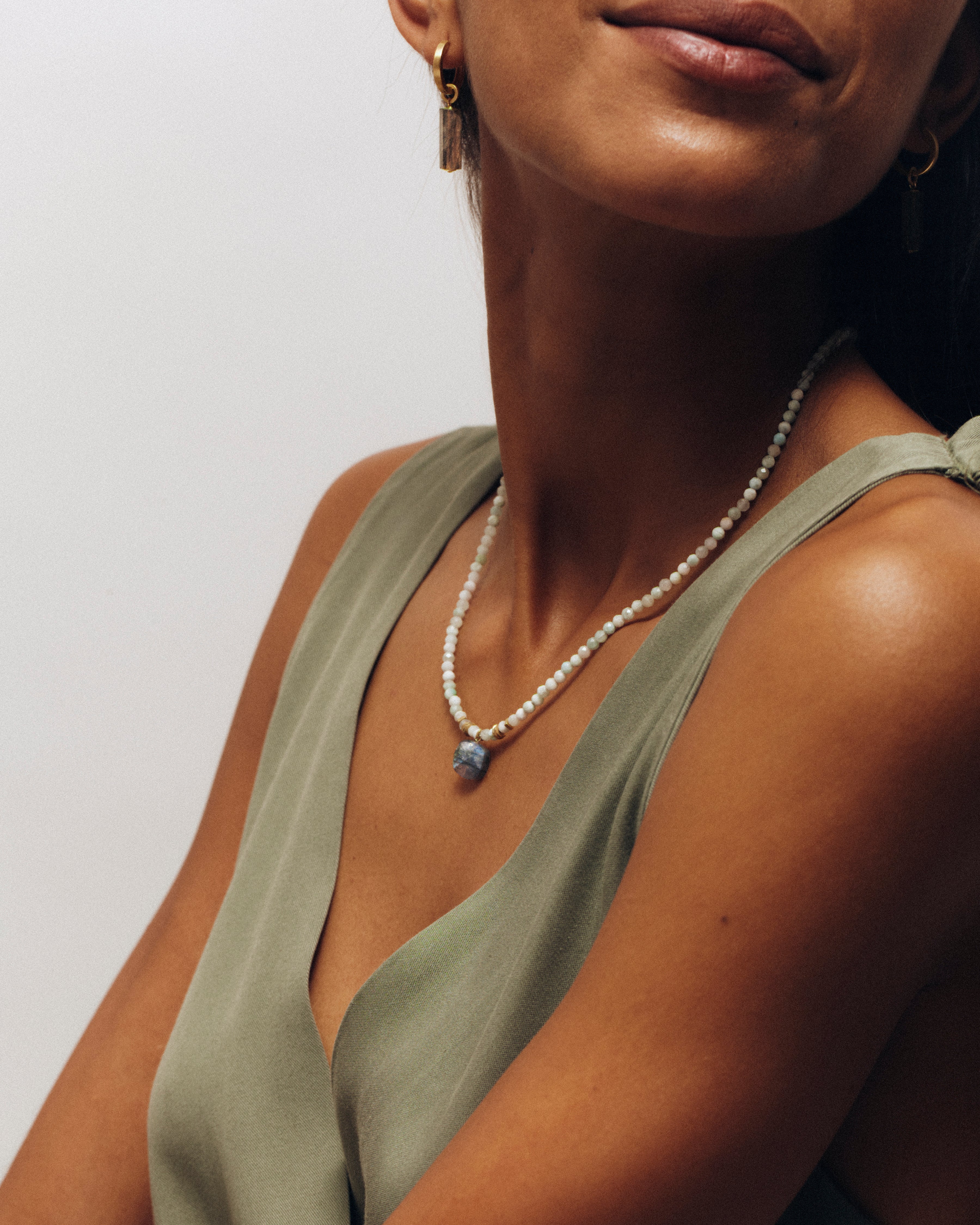
What Is Fine Jewelry, Really? And Where Does Gold-Plated Fit In
The jewelry industry has a vocabulary problem. Not a bad one, exactly, but an oversimplified one. Terms like "fine jewelry," "luxury jewelry," and "fashion jewelry" are used with such different intentions by different brands that they have lost most of their meaning for the people actually buying and wearing the pieces.
Let us untangle it. Because where your jewelry falls in this taxonomy matters, and the answer might shift how you think about your collection entirely.
The Traditional Definition of Fine Jewelry
In the traditional industry framework, fine jewelry refers to pieces made entirely from precious metals: solid gold in any karat, sterling silver, platinum. Often set with precious or semi-precious gemstones. The implication is permanence: a fine jewelry piece is meant to outlast its owner.
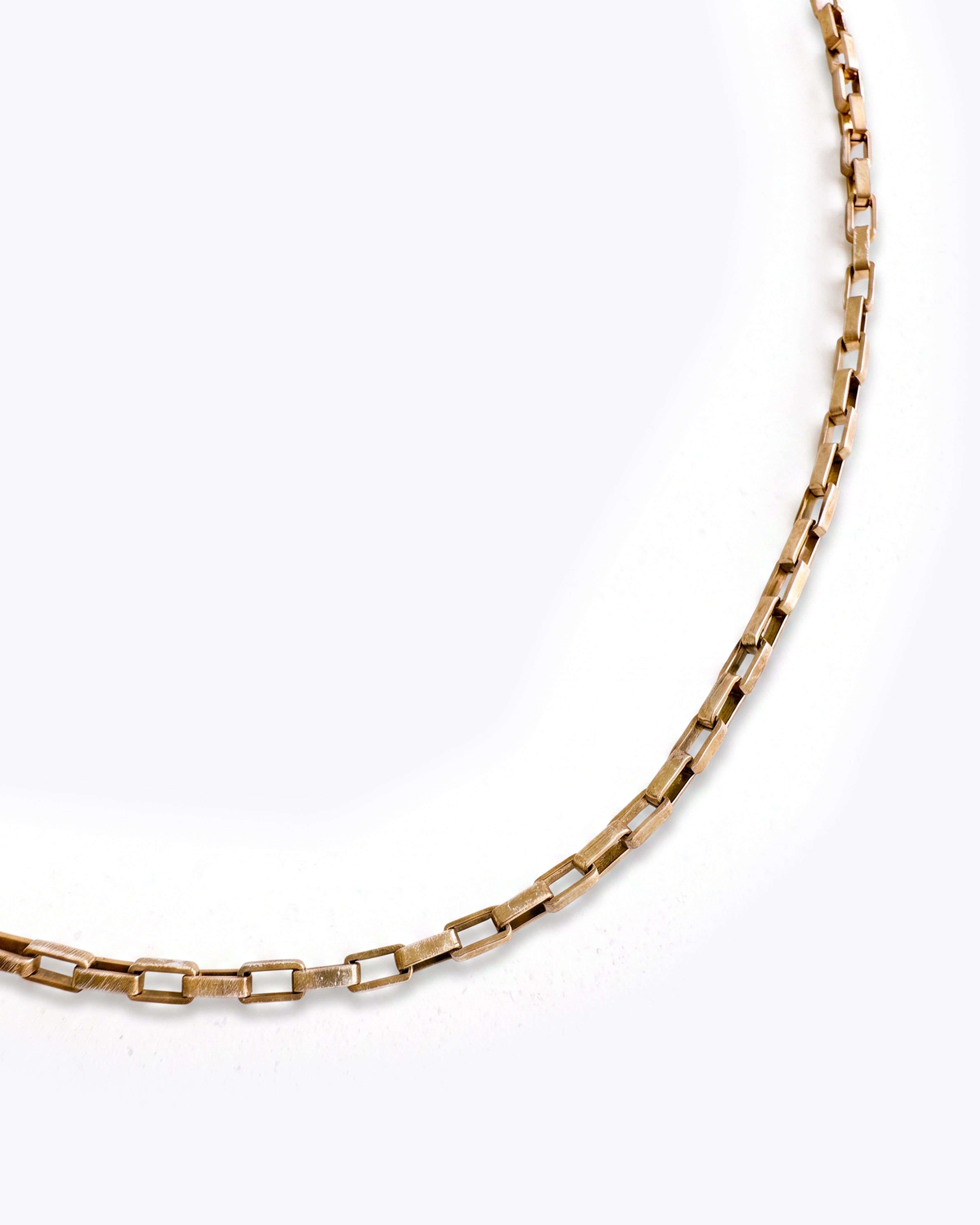
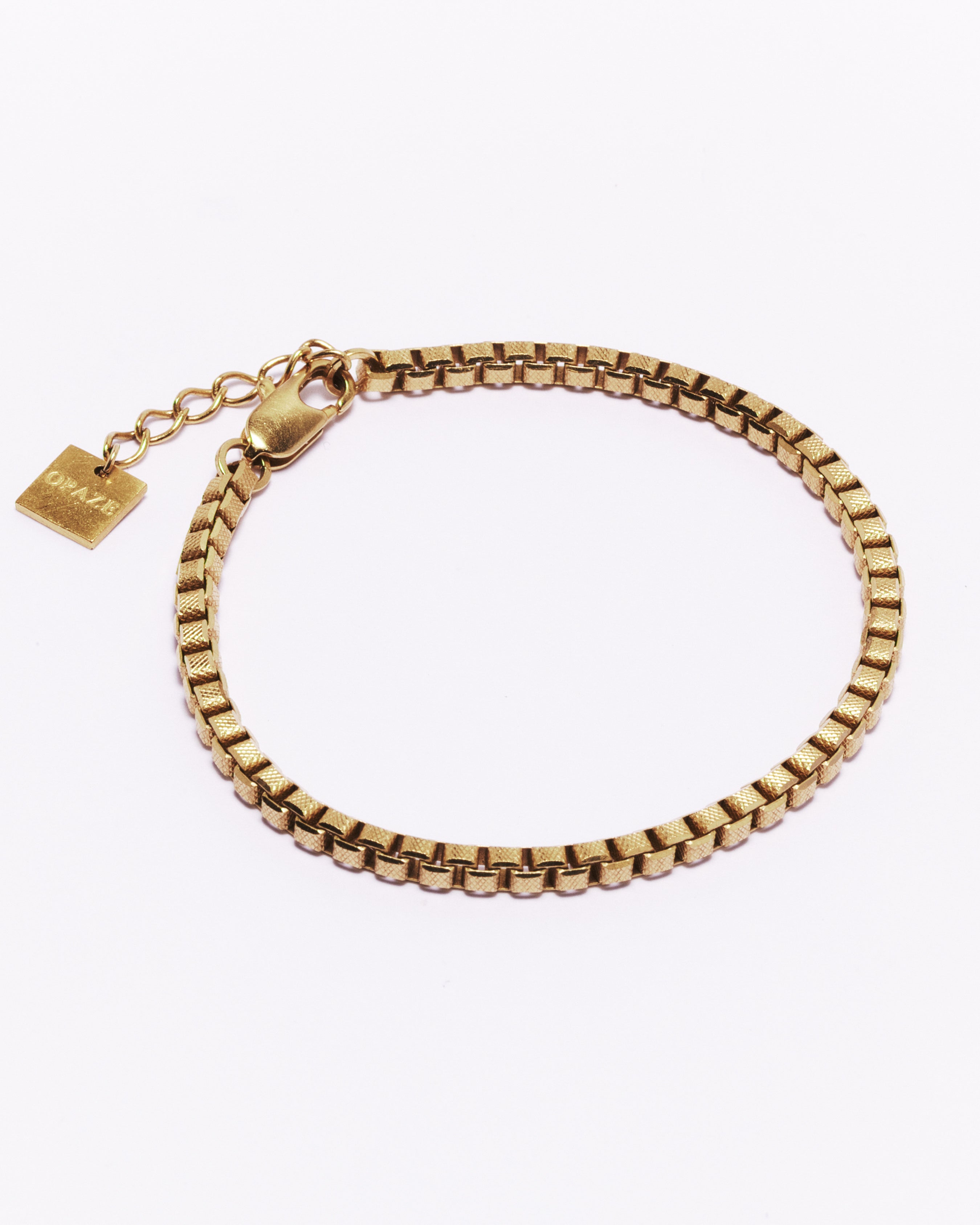
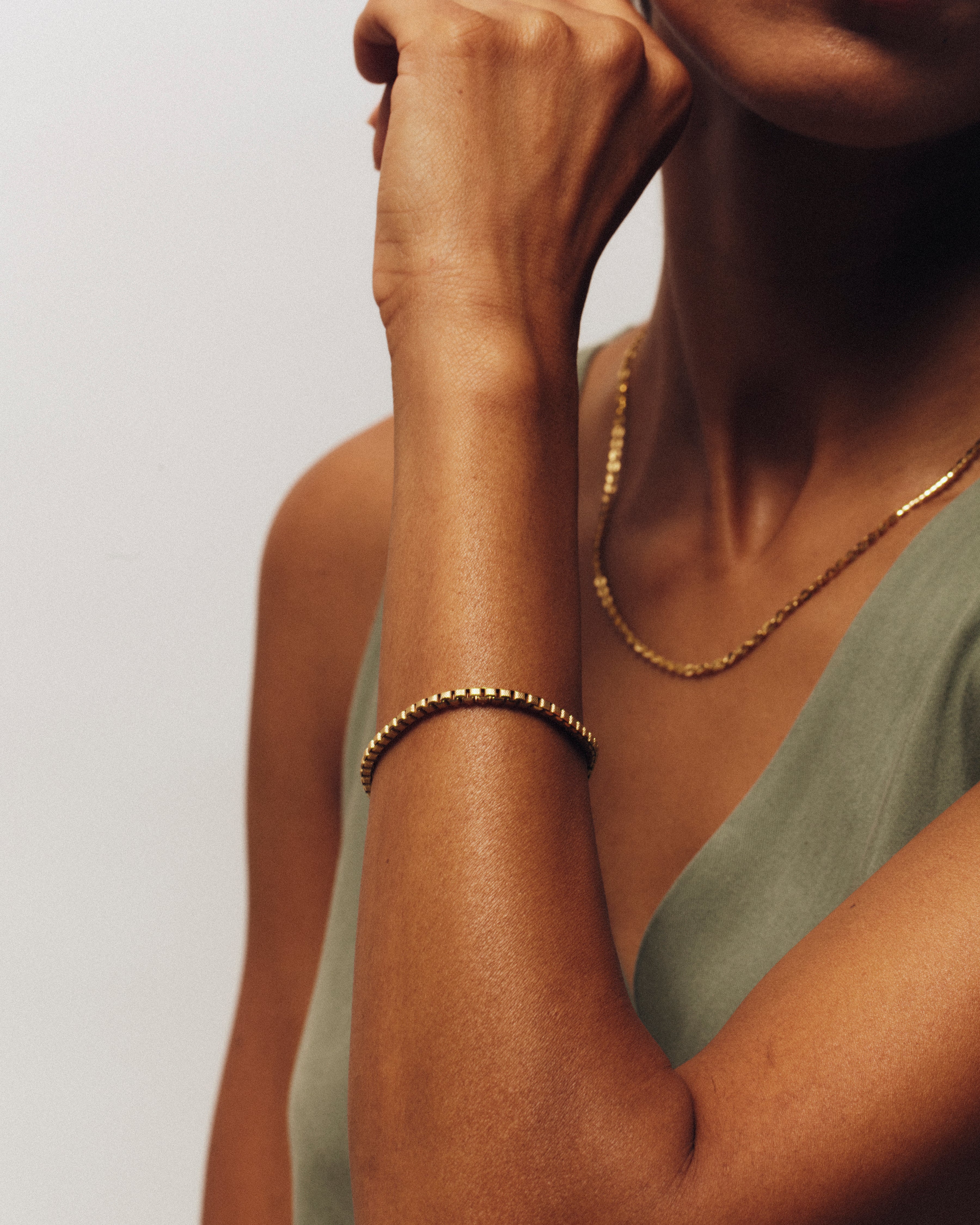
Under this definition, gold plated jewelry is typically classified as "fashion jewelry" or "costume jewelry," the former carrying a neutral connotation, the latter often a slightly dismissive one.
But this framework was created by an industry with a vested interest in defining value according to material weight. And it is, at its core, a commercial taxonomy, not a design one, not a craft one, and certainly not a meaningful one.
What the Definition Misses
Consider two pieces side by side.
The first is a solid 14k gold ring, machine-cast, set with a small synthetic stone, produced at industrial scale in a factory. It meets the traditional definition of fine jewelry.
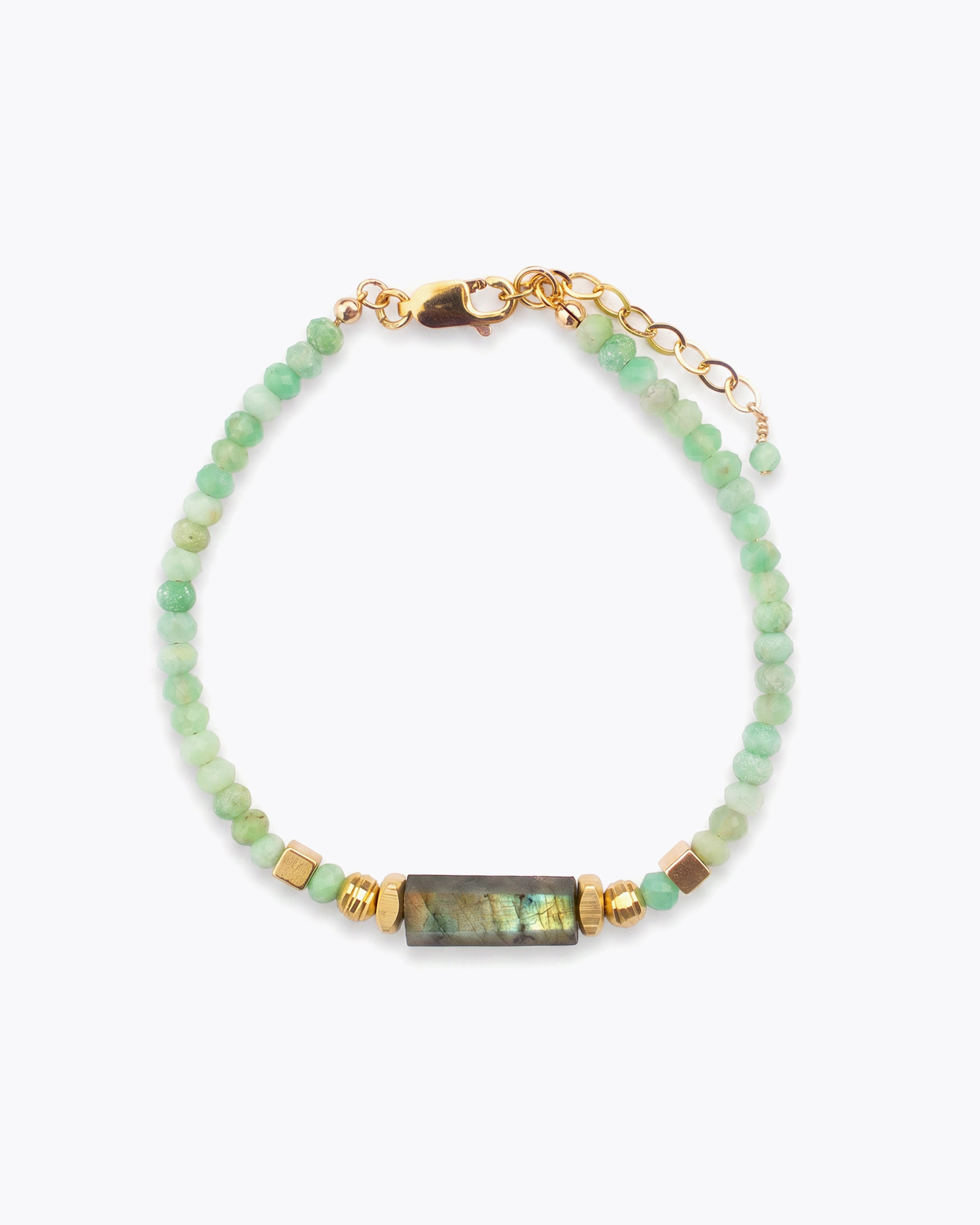
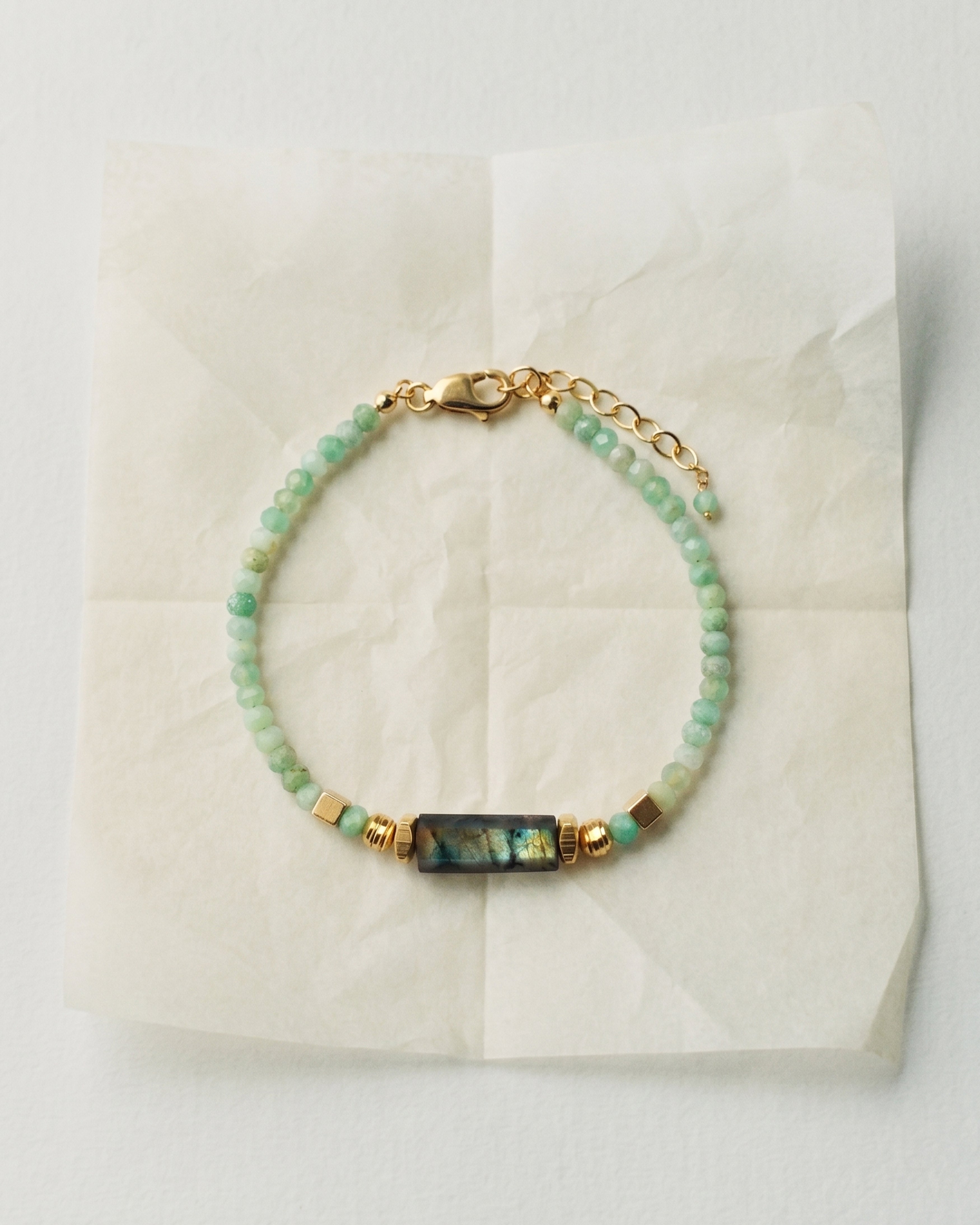
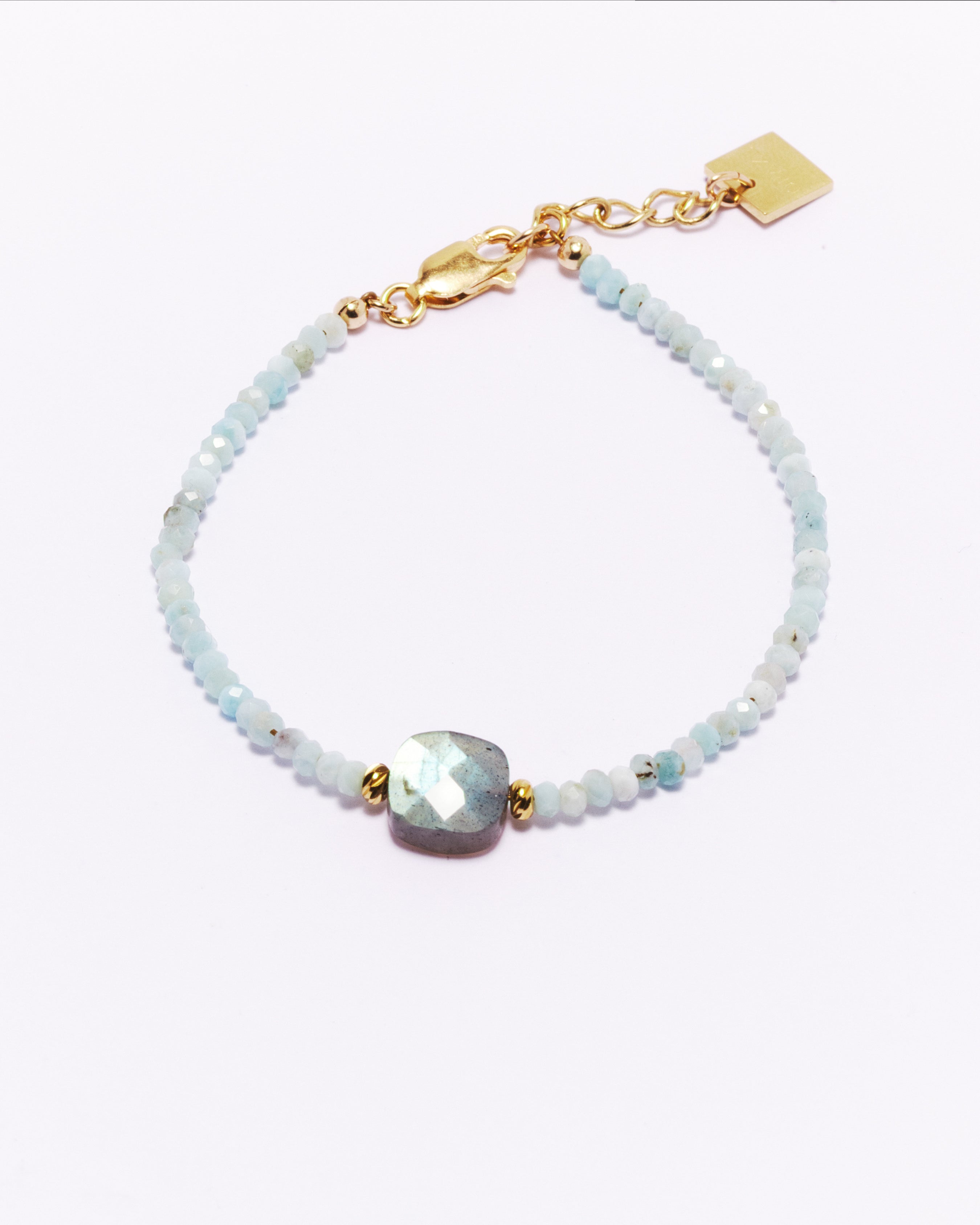
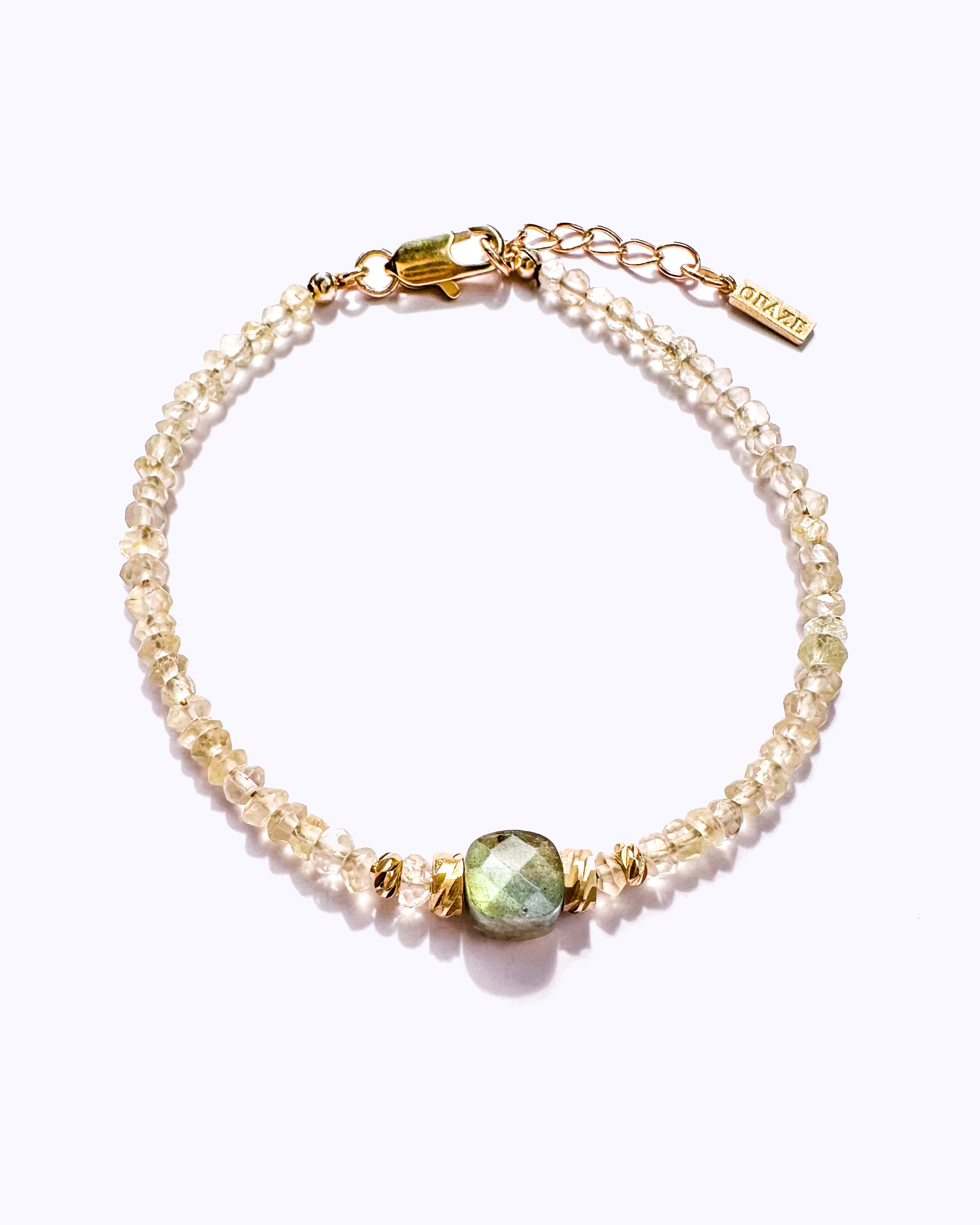
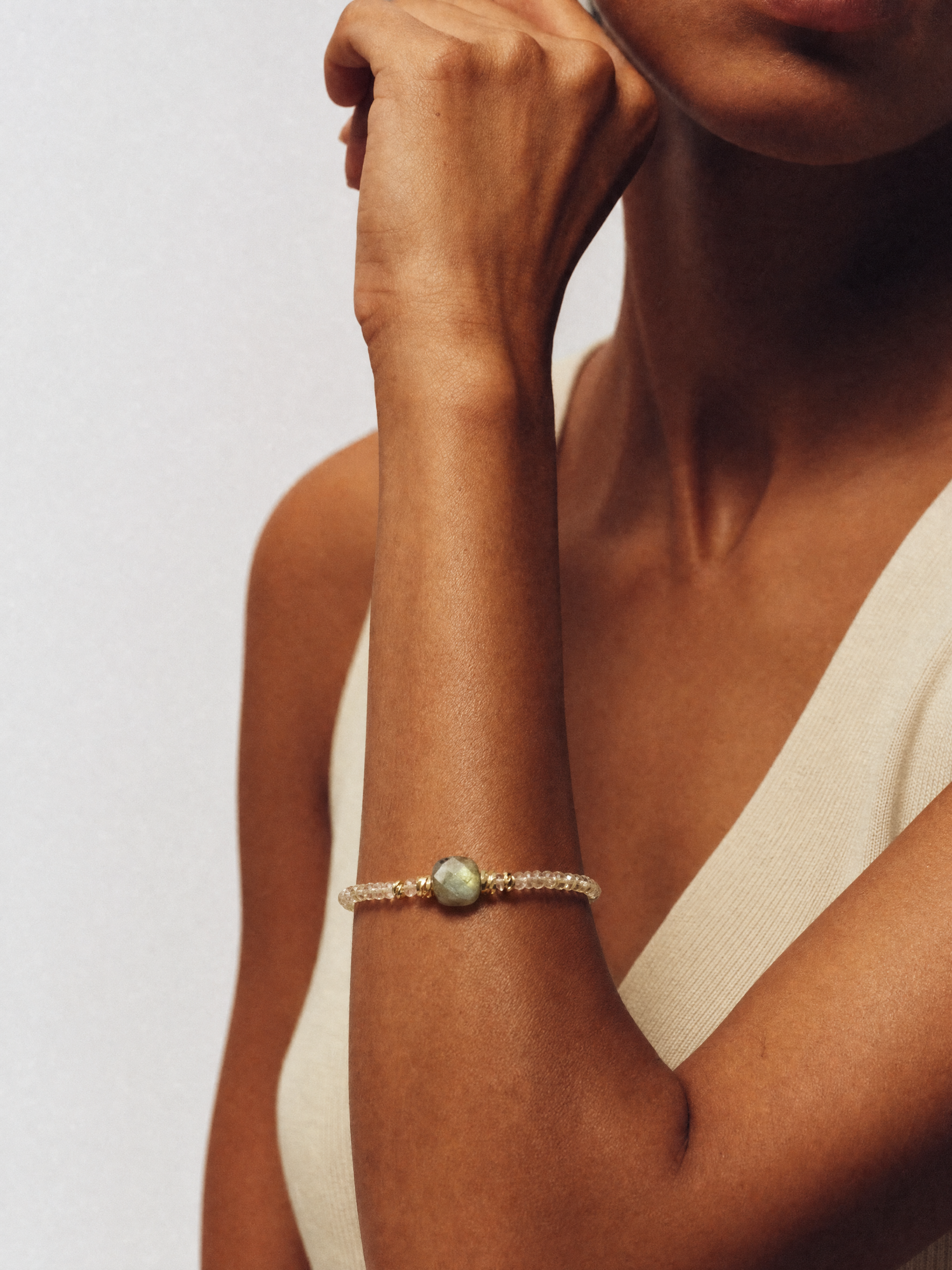
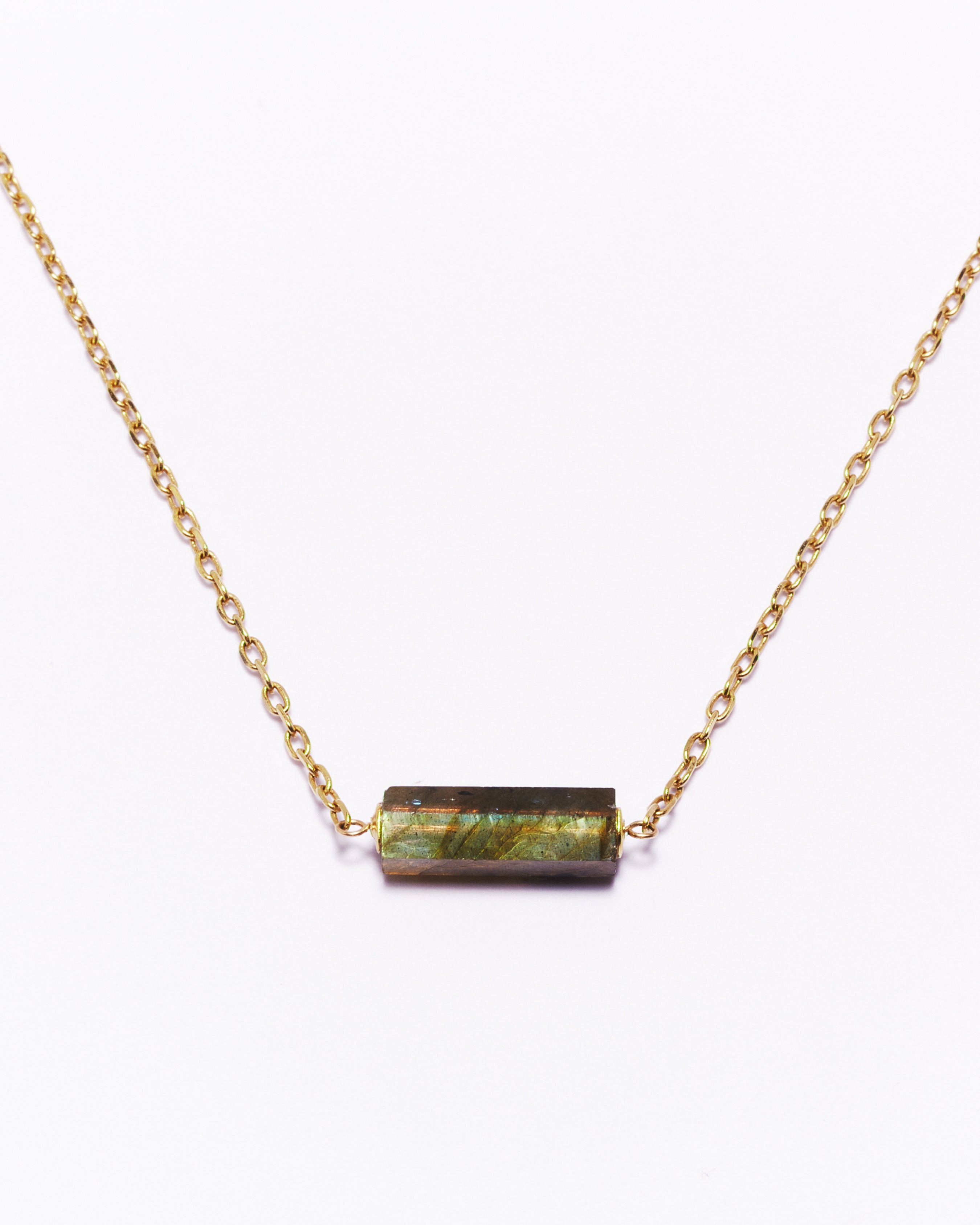
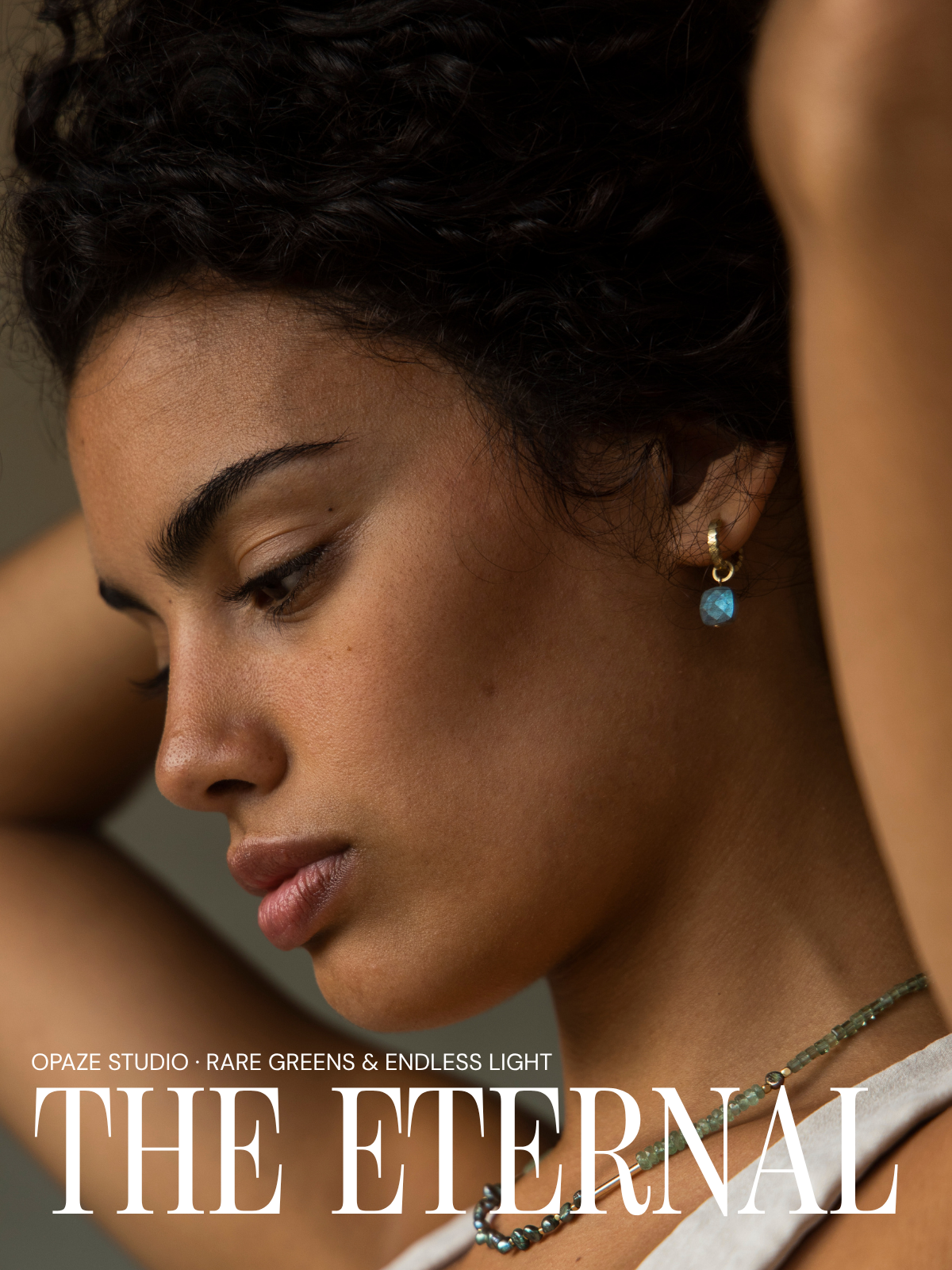
The second is a gold plated setting, made by hand in a small studio, holding a natural faceted labradorite with visible schiller, that extraordinary optical phenomenon where light shifts and moves inside the stone. The artisan who made it spent an hour getting the stone placed at exactly the right angle.
Which of these is fine?
The question answers itself. And yet the industry's taxonomy would tell you the first piece is fine jewelry and the second is fashion jewelry. That framing does not hold up under any honest scrutiny.

A Different Framework: Intentional Jewelry
At Opaze, we think about jewelry differently. The category we care about is not fine versus fashion. It is intentional versus disposable.
Intentional jewelry is designed to be worn, not accumulated. It is made with care, from the stone selection to the setting to the finish. The materials are honest. The provenance is real. And there is a reason for the piece beyond trend-chasing.
Disposable jewelry is the opposite: high-volume, low-care, here-today-gone-tomorrow. It does not matter whether the metal is solid gold or plated brass. What matters is whether someone thought about it.
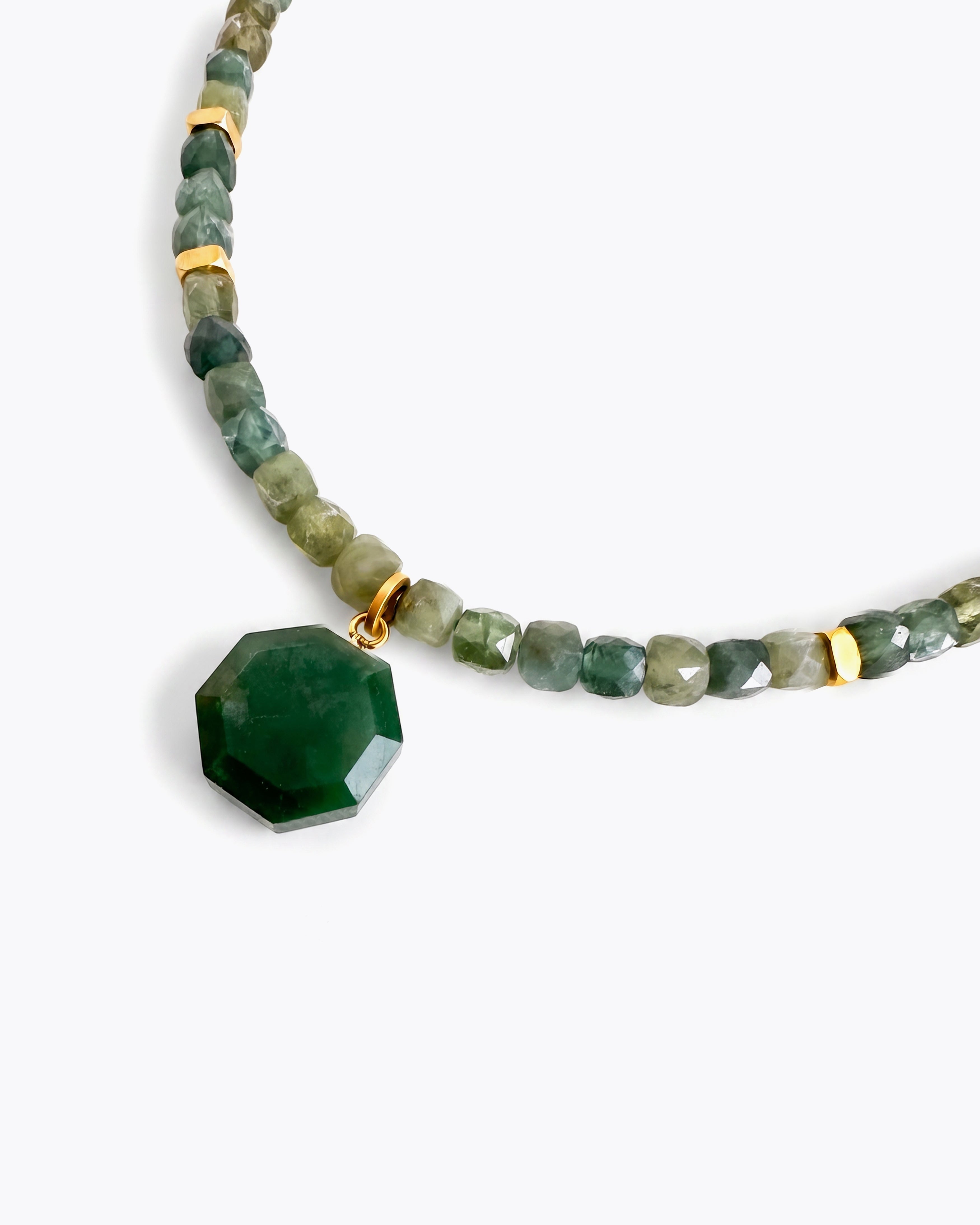
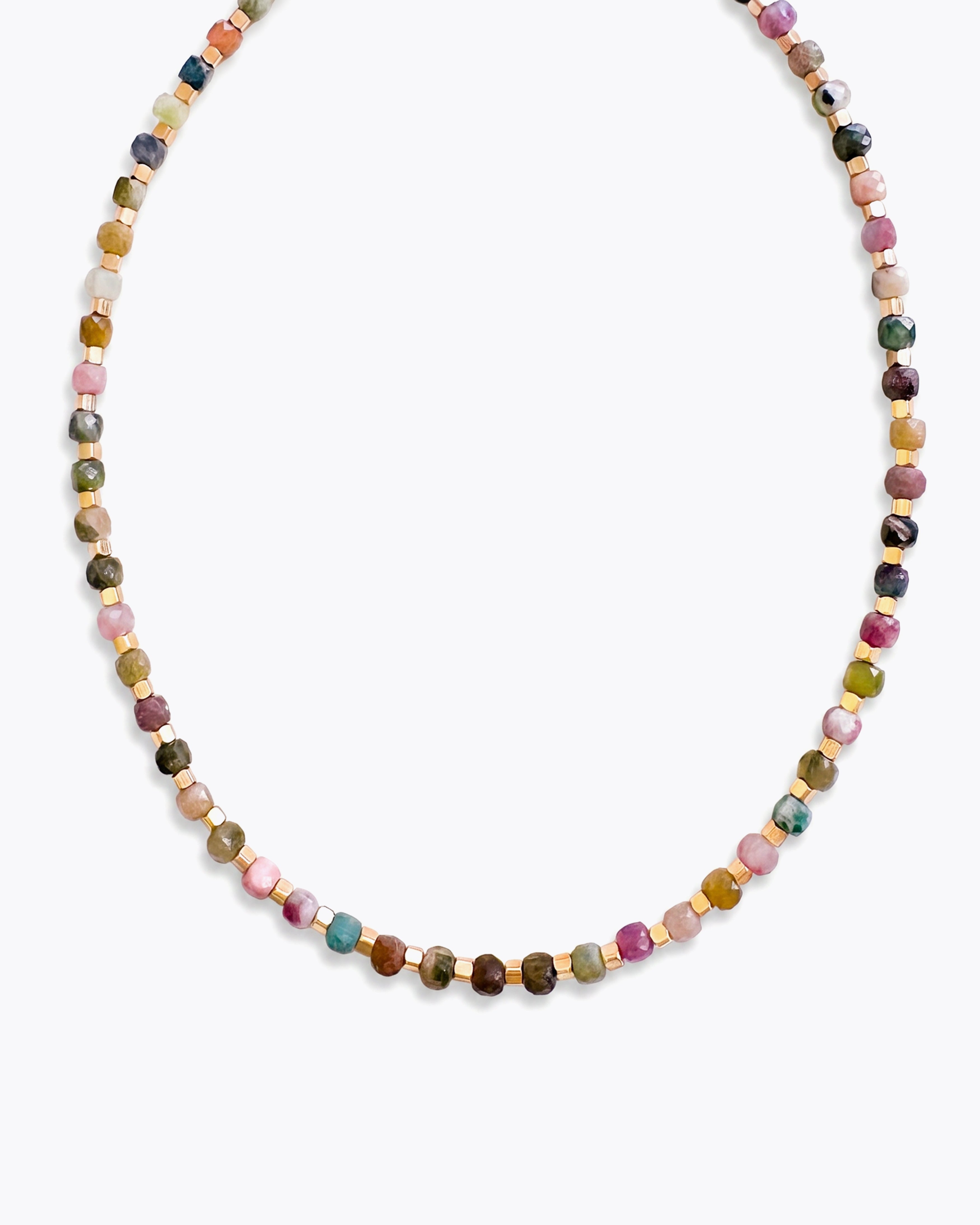
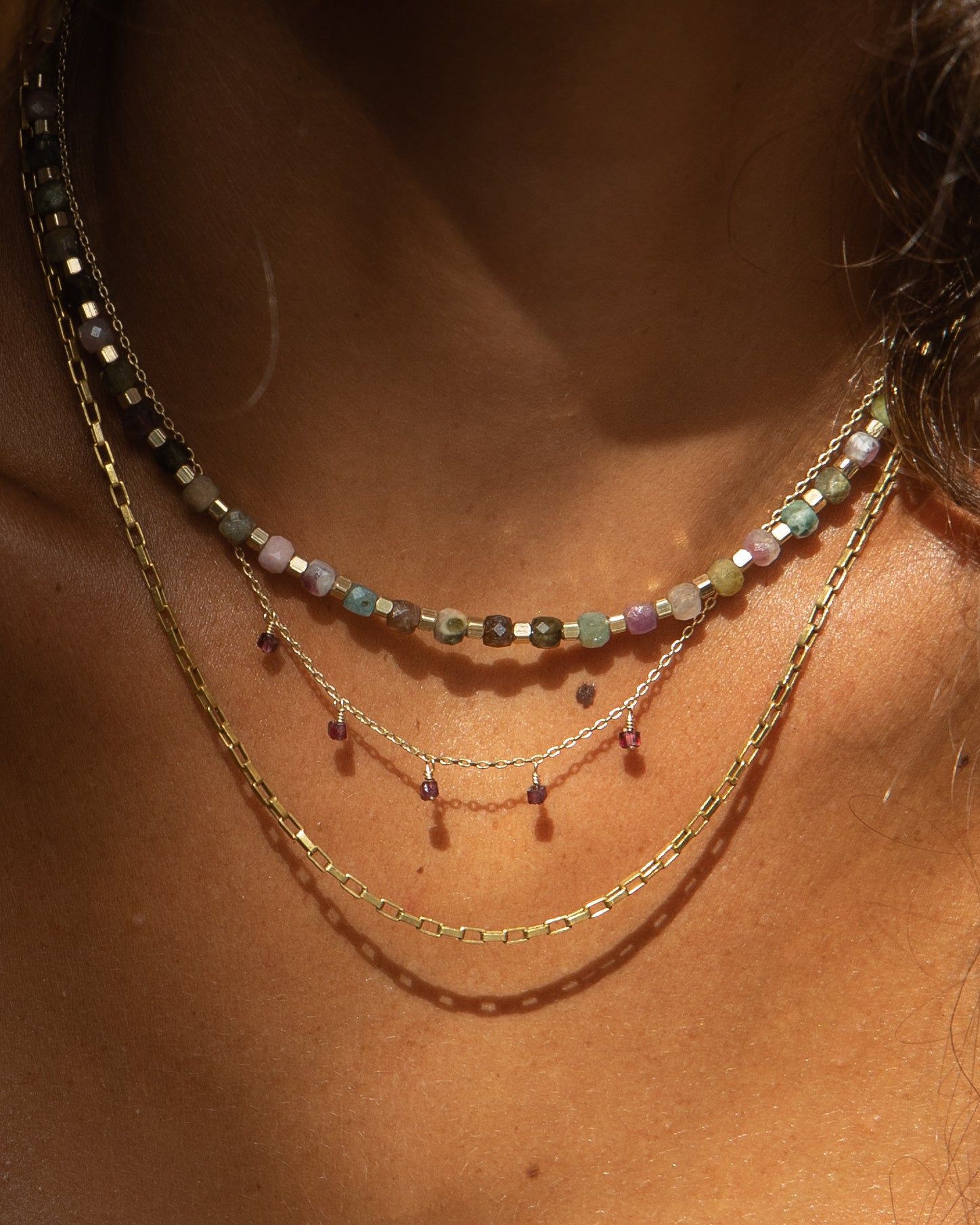
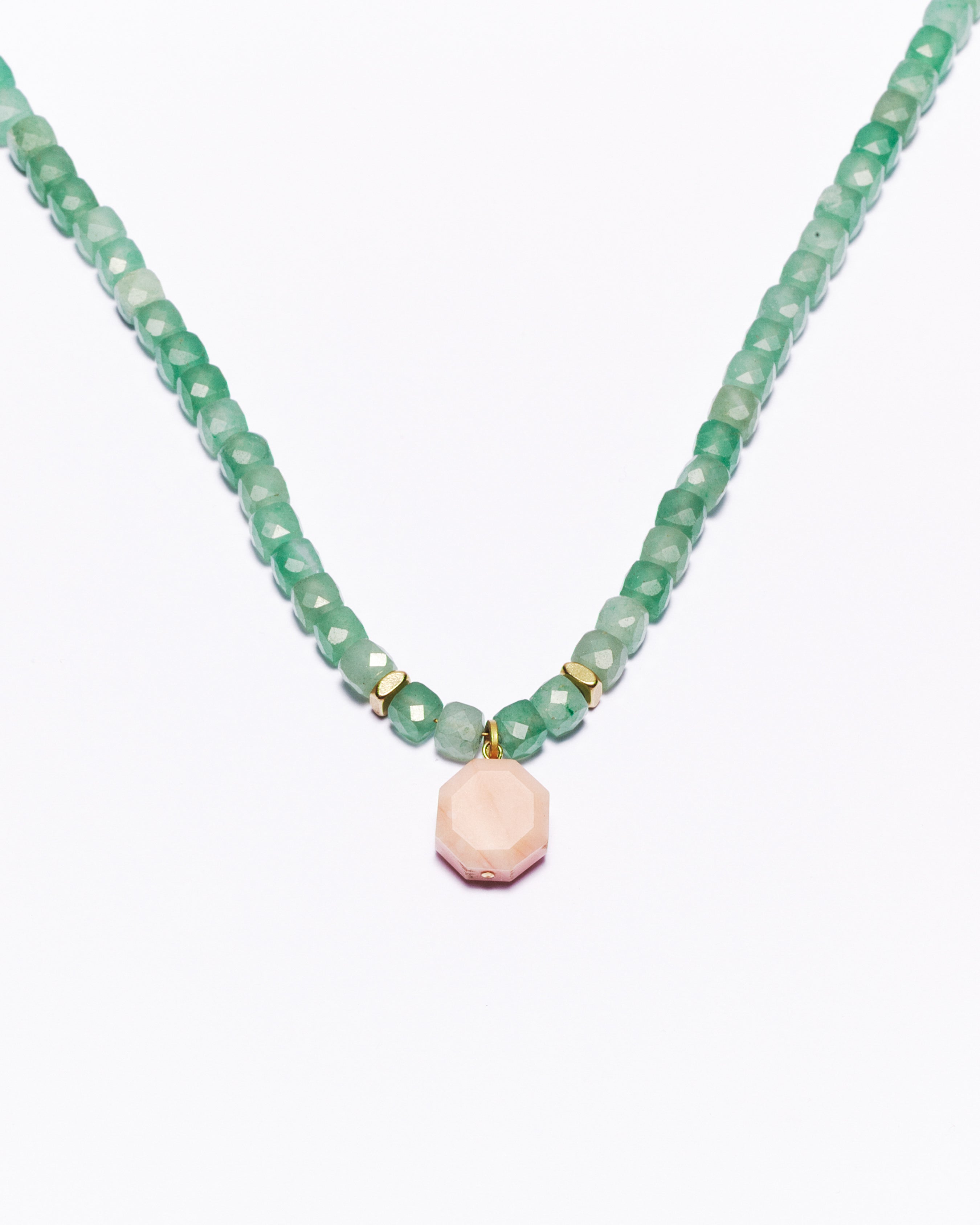
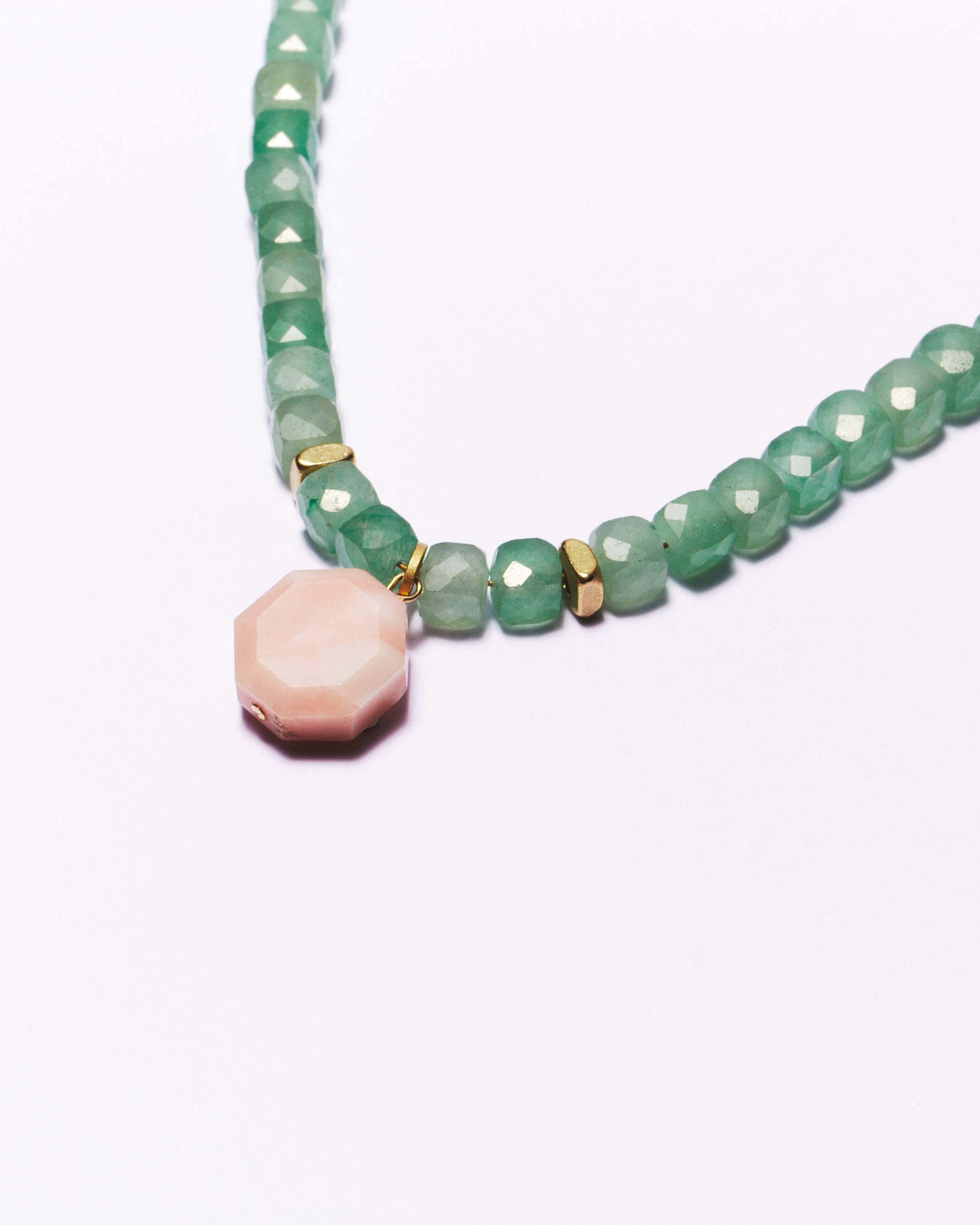
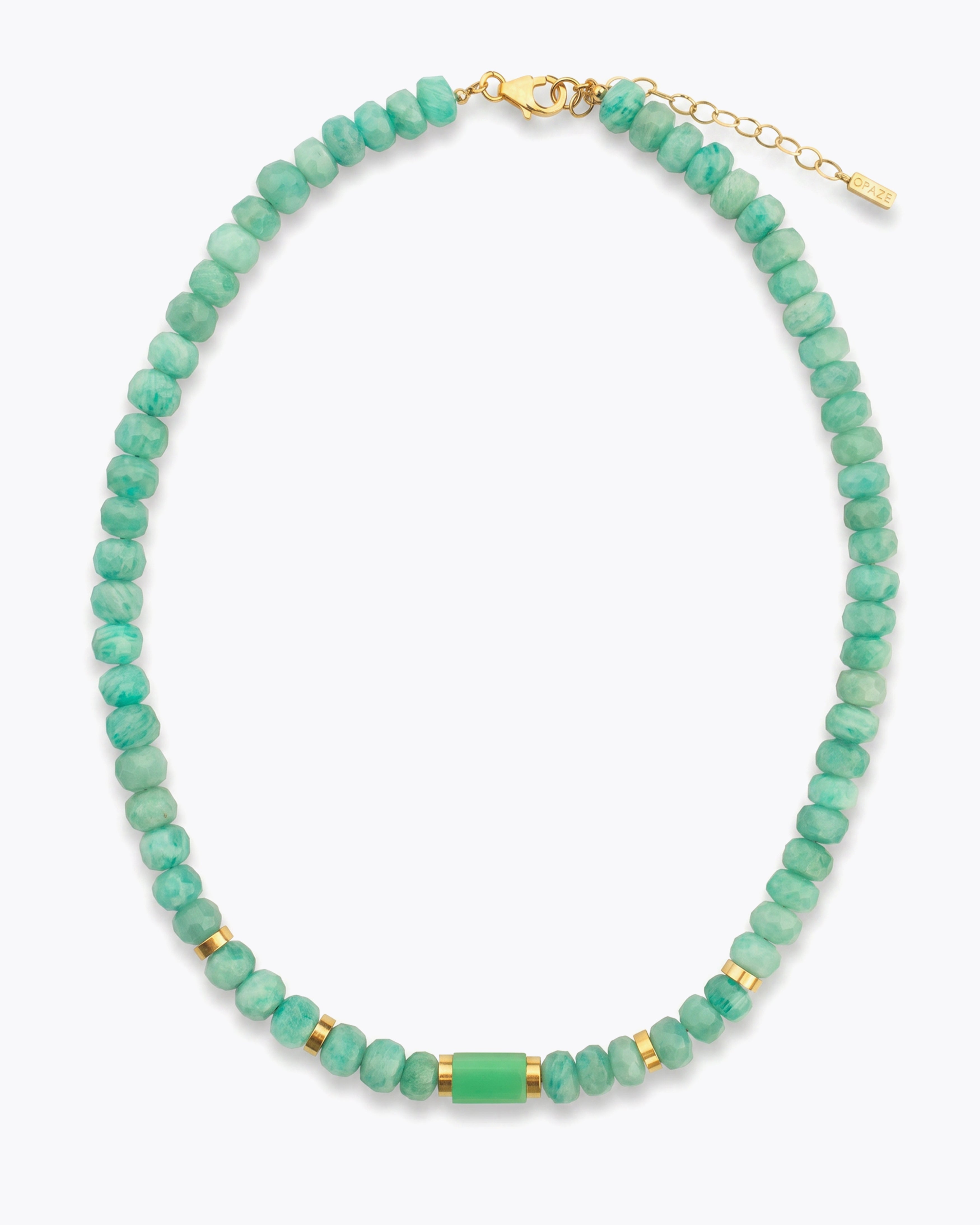
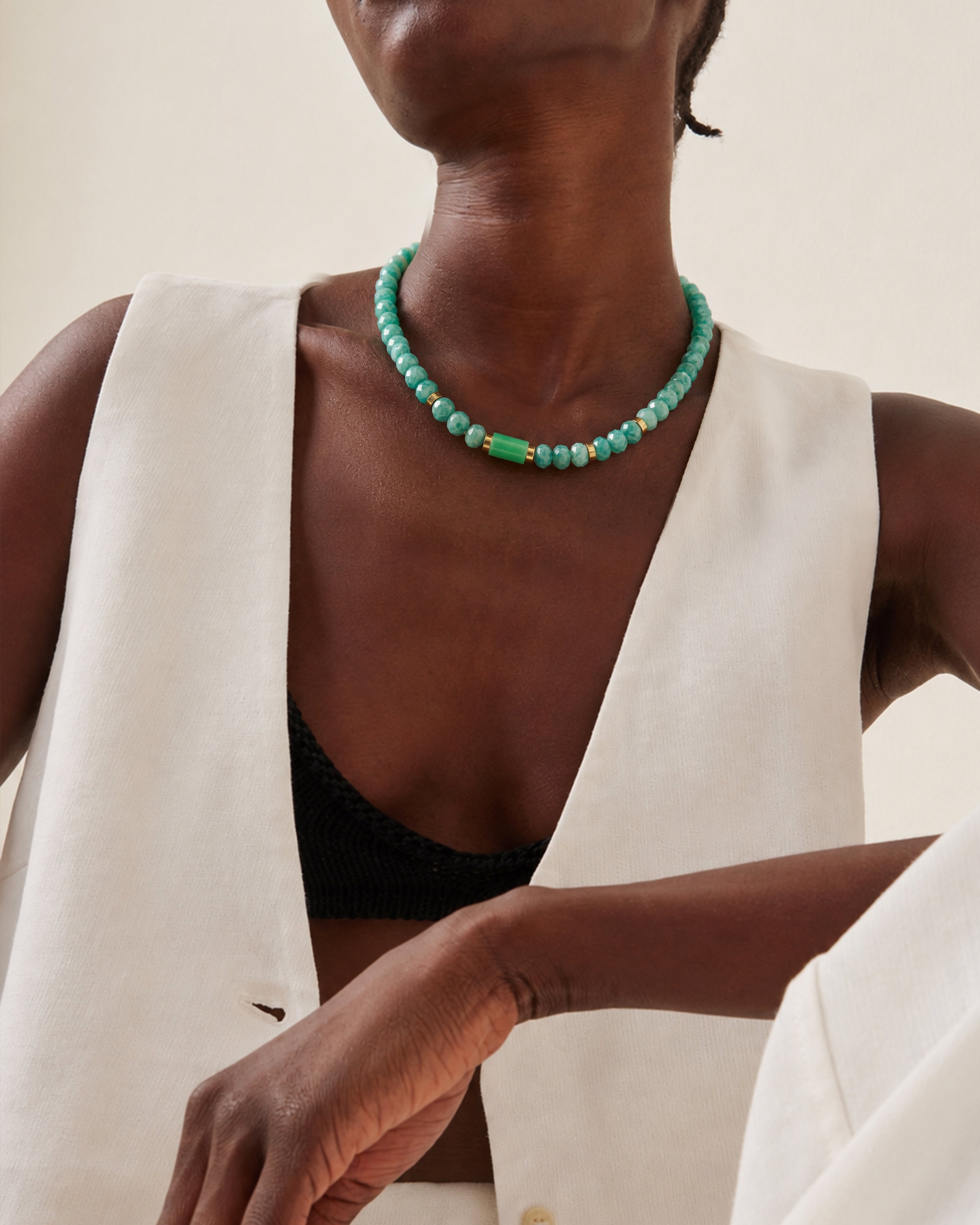
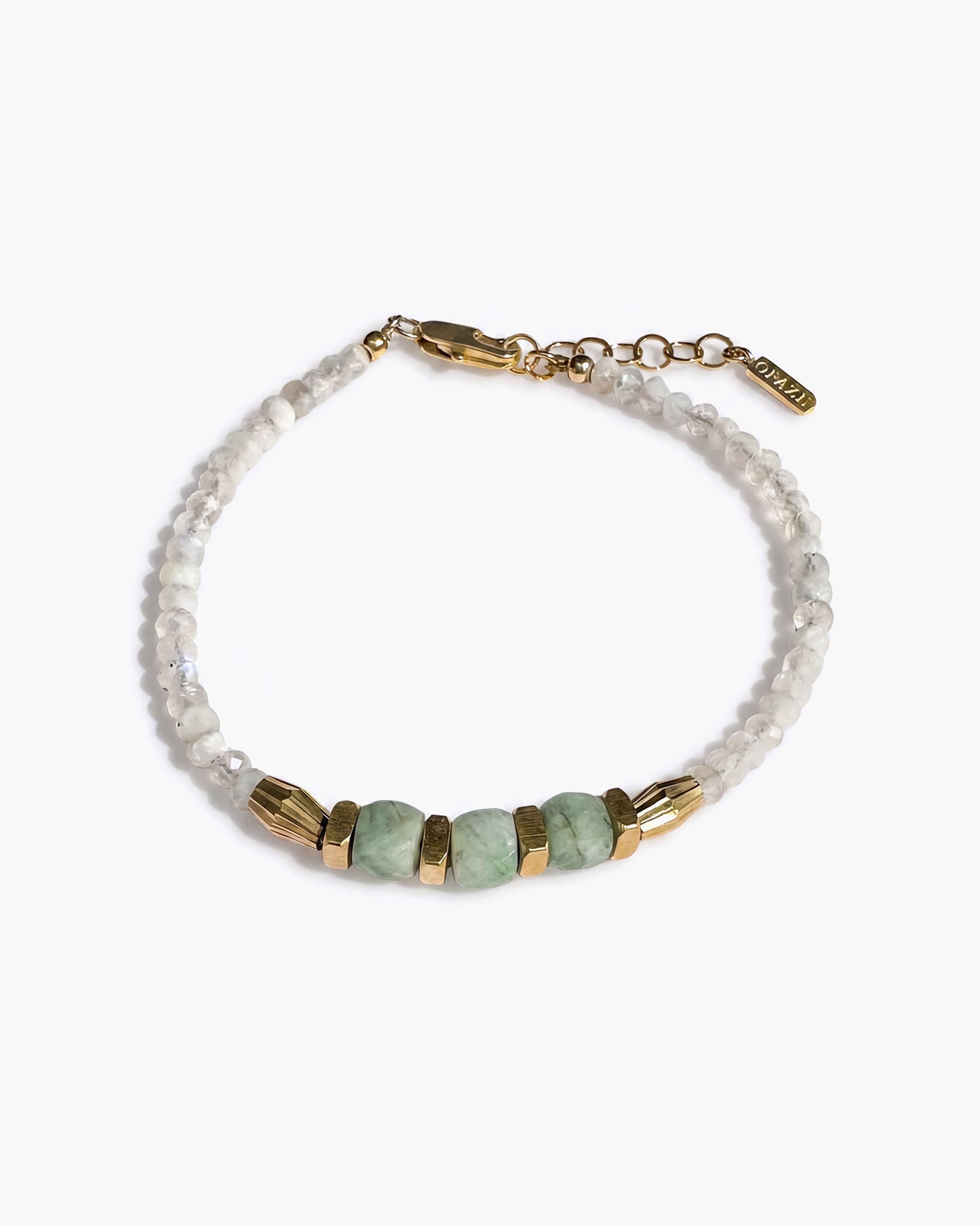
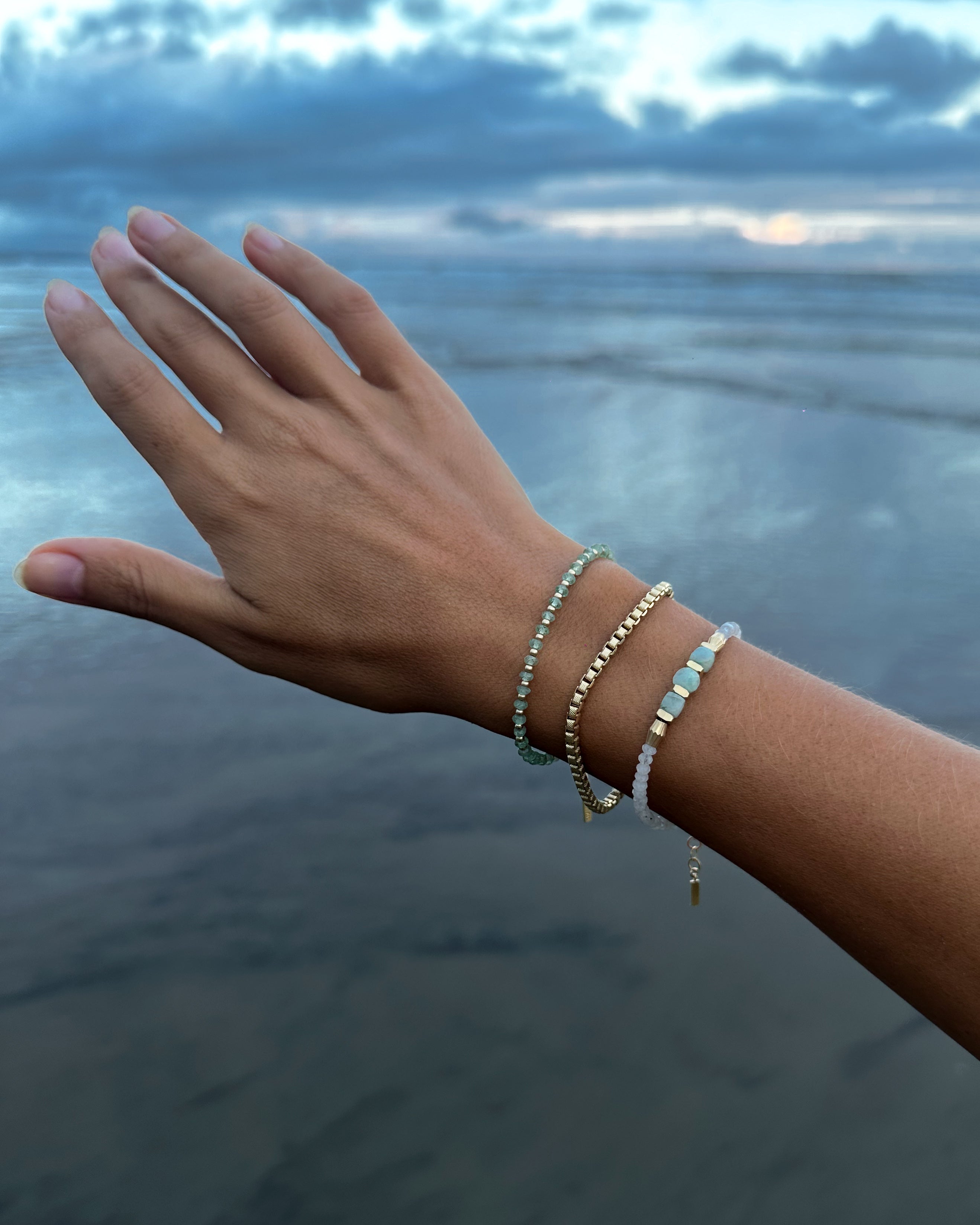
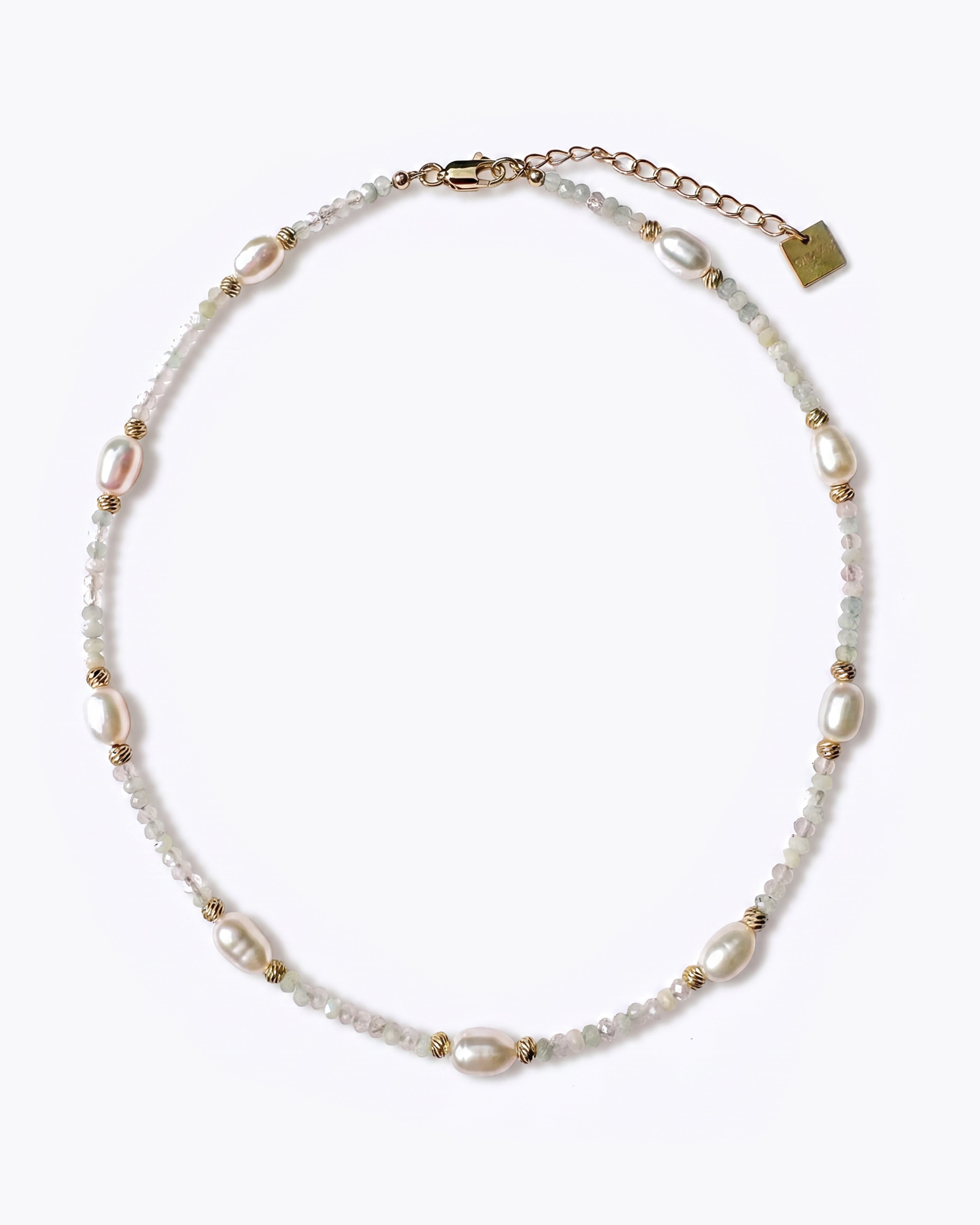
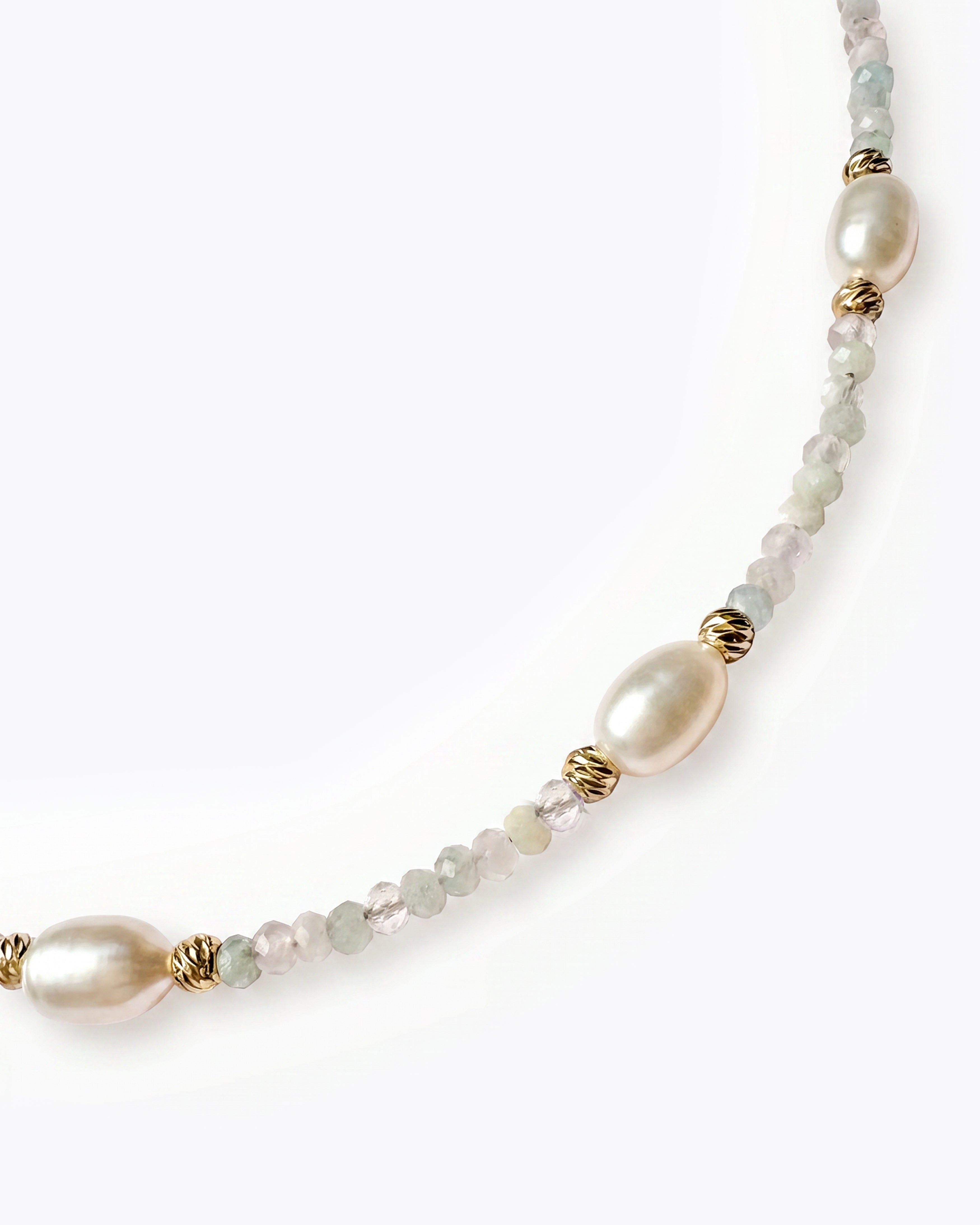
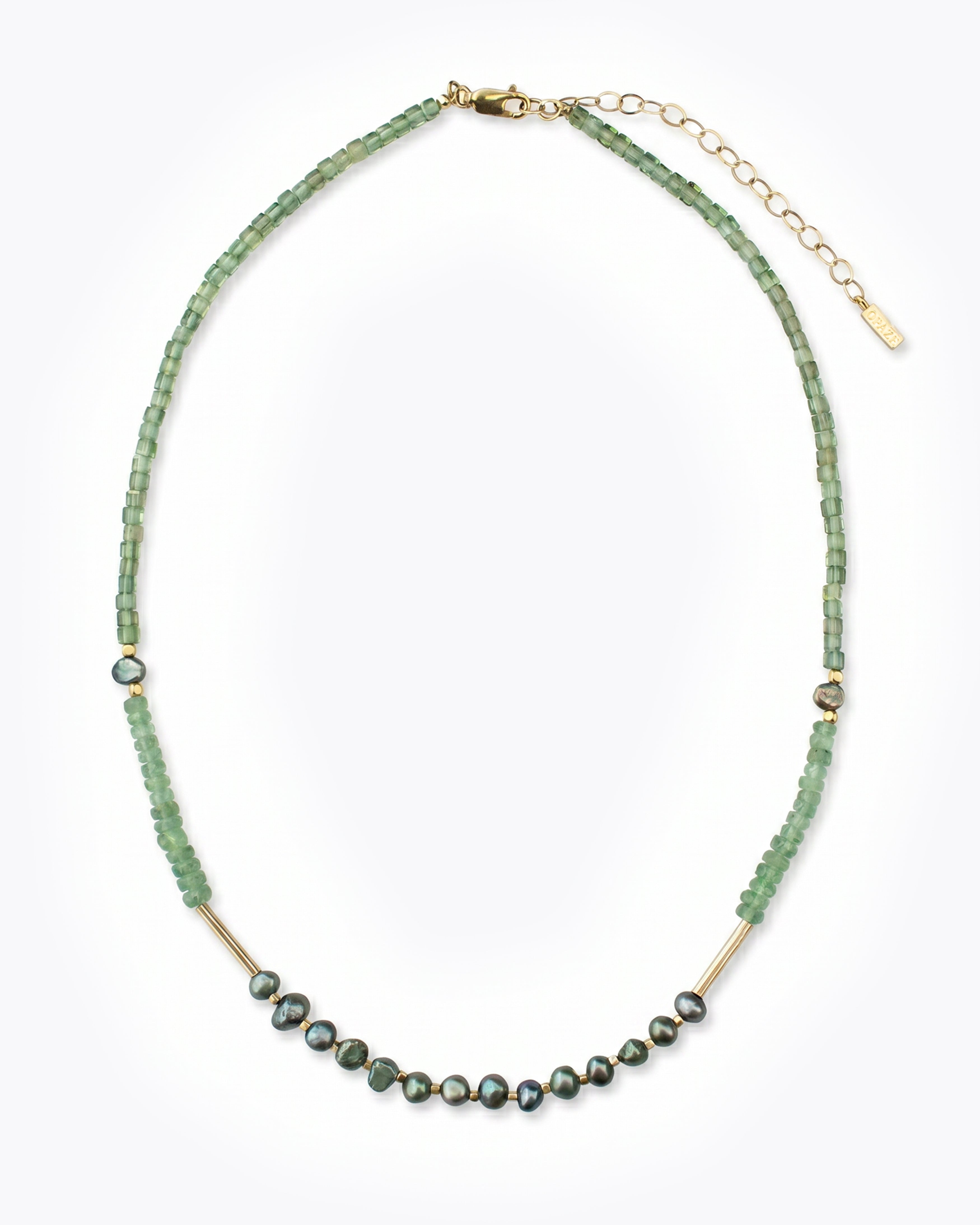
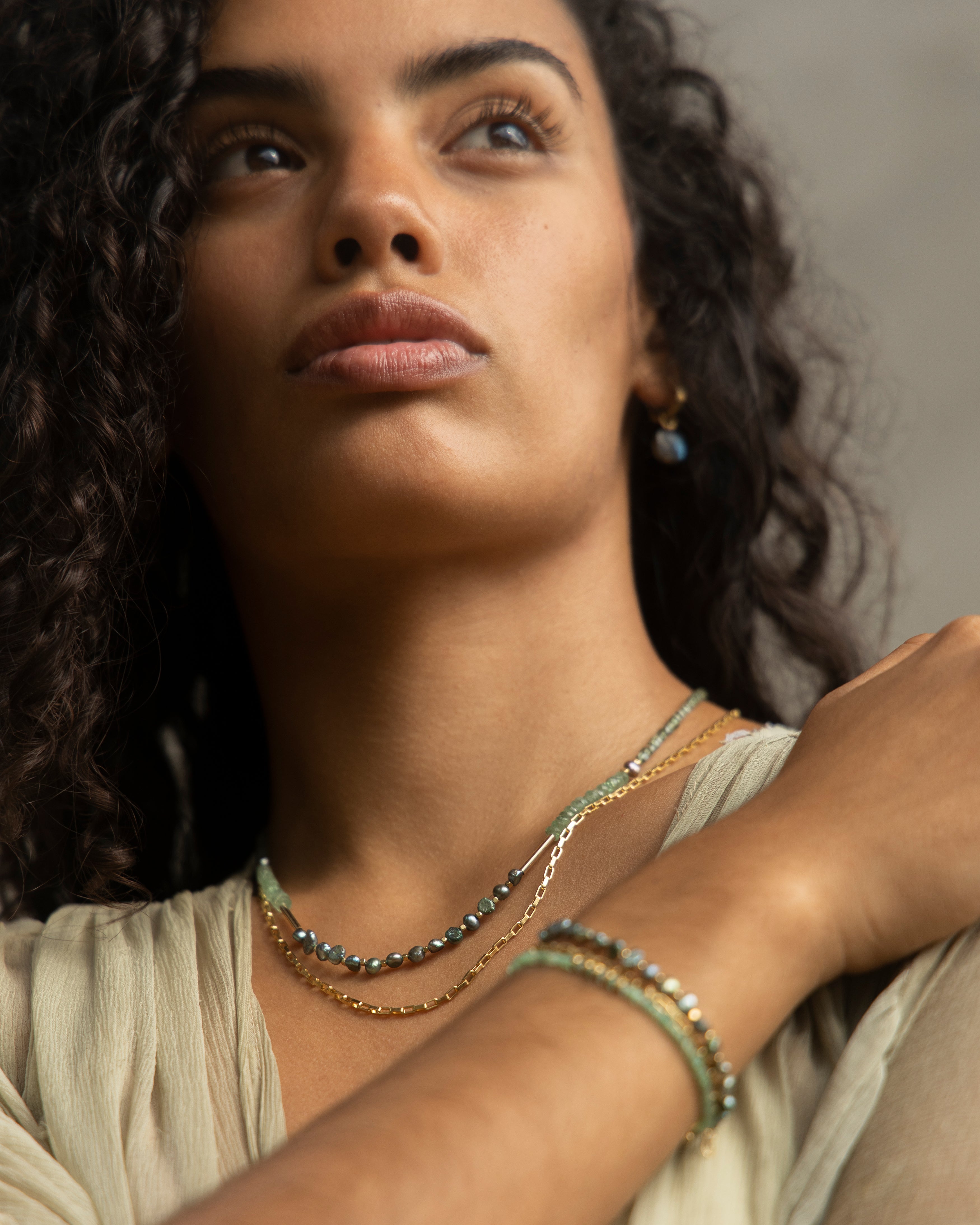
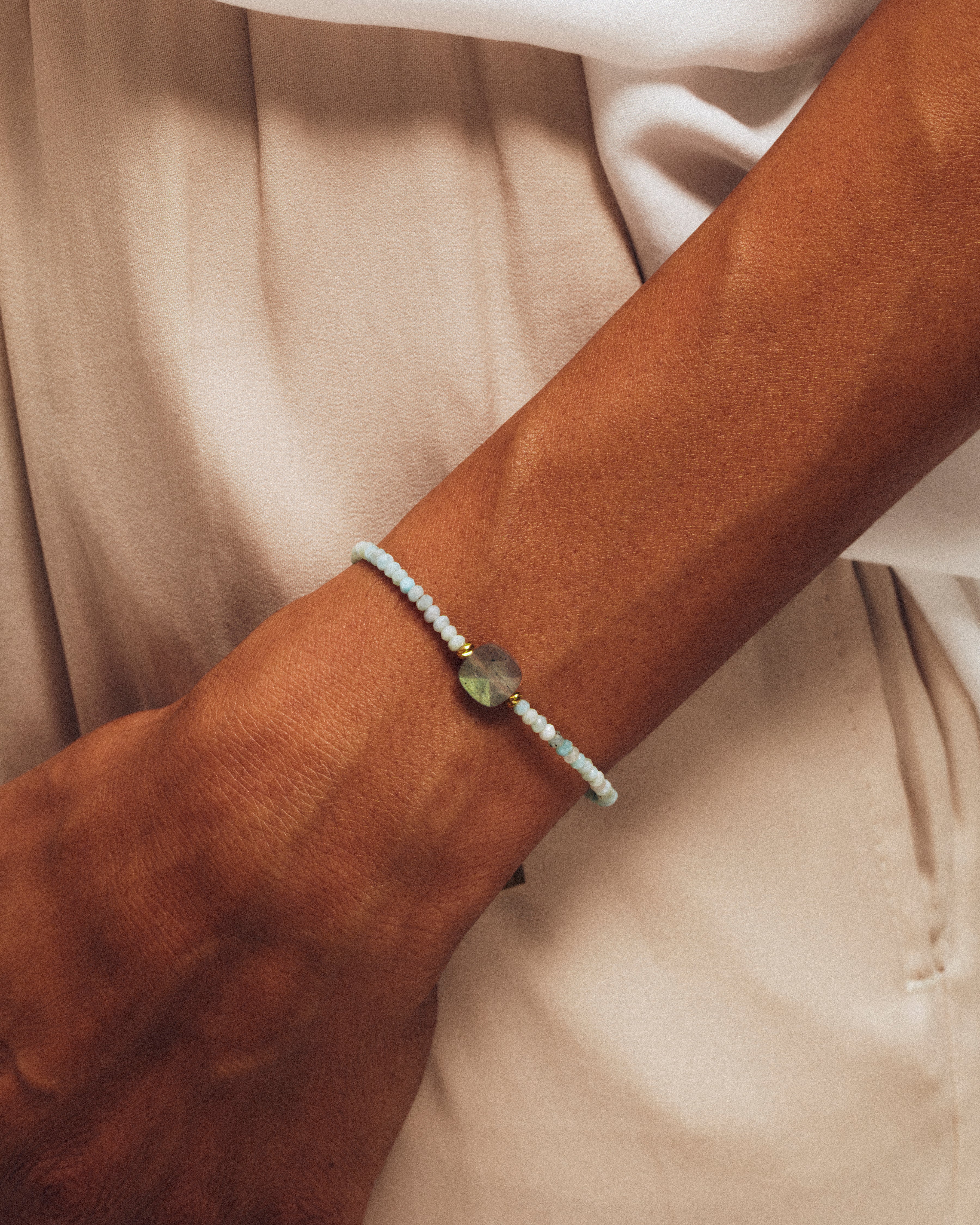
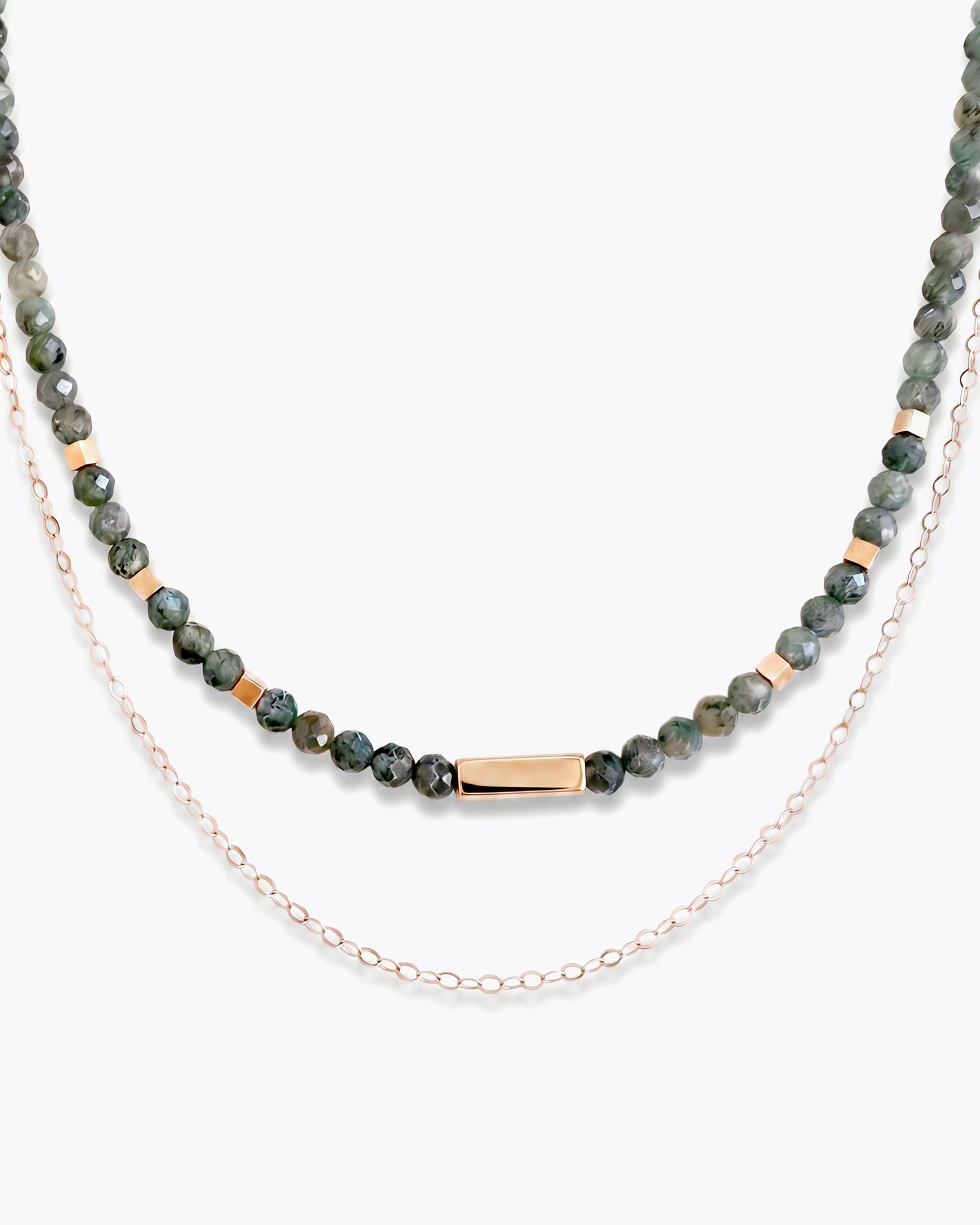
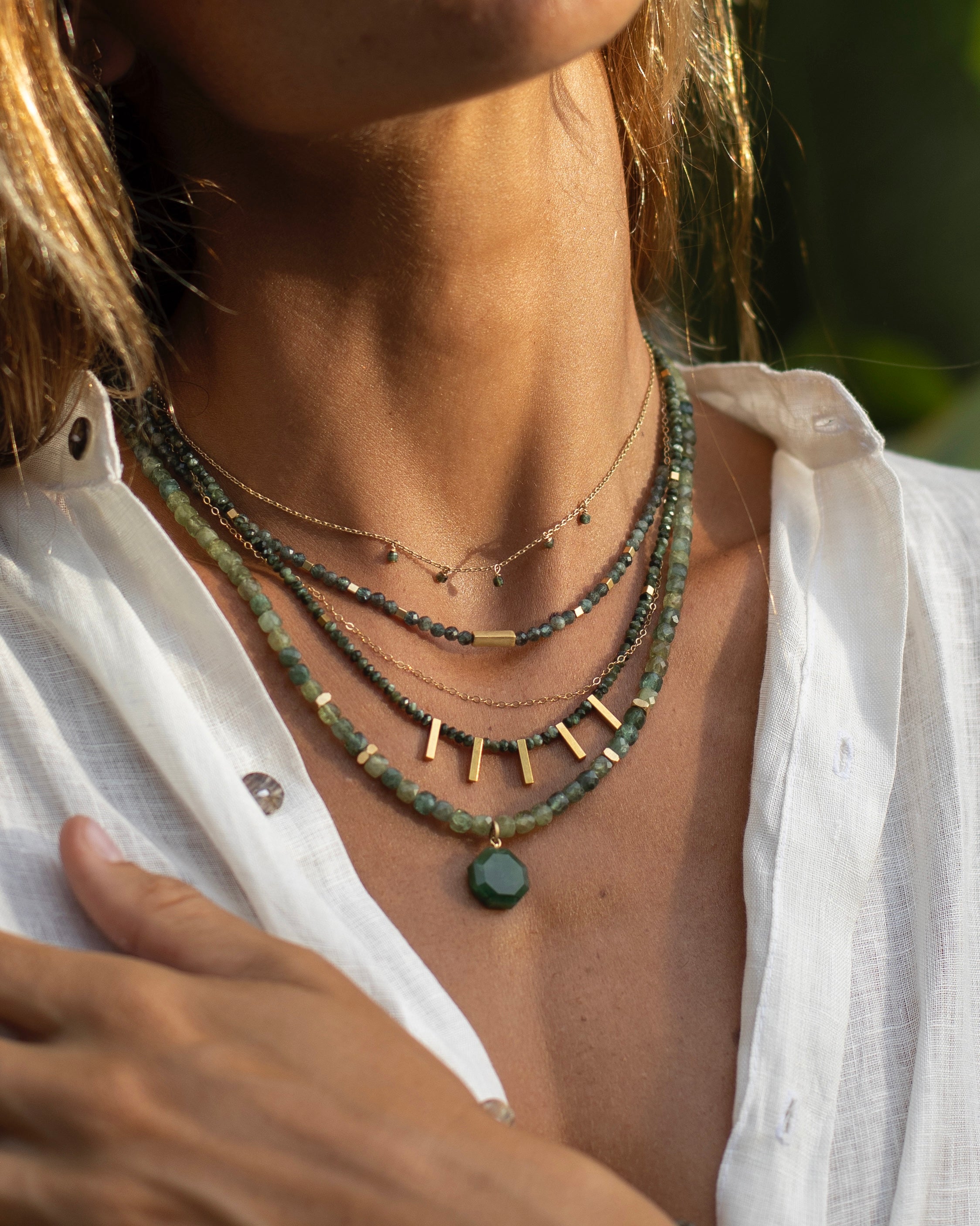
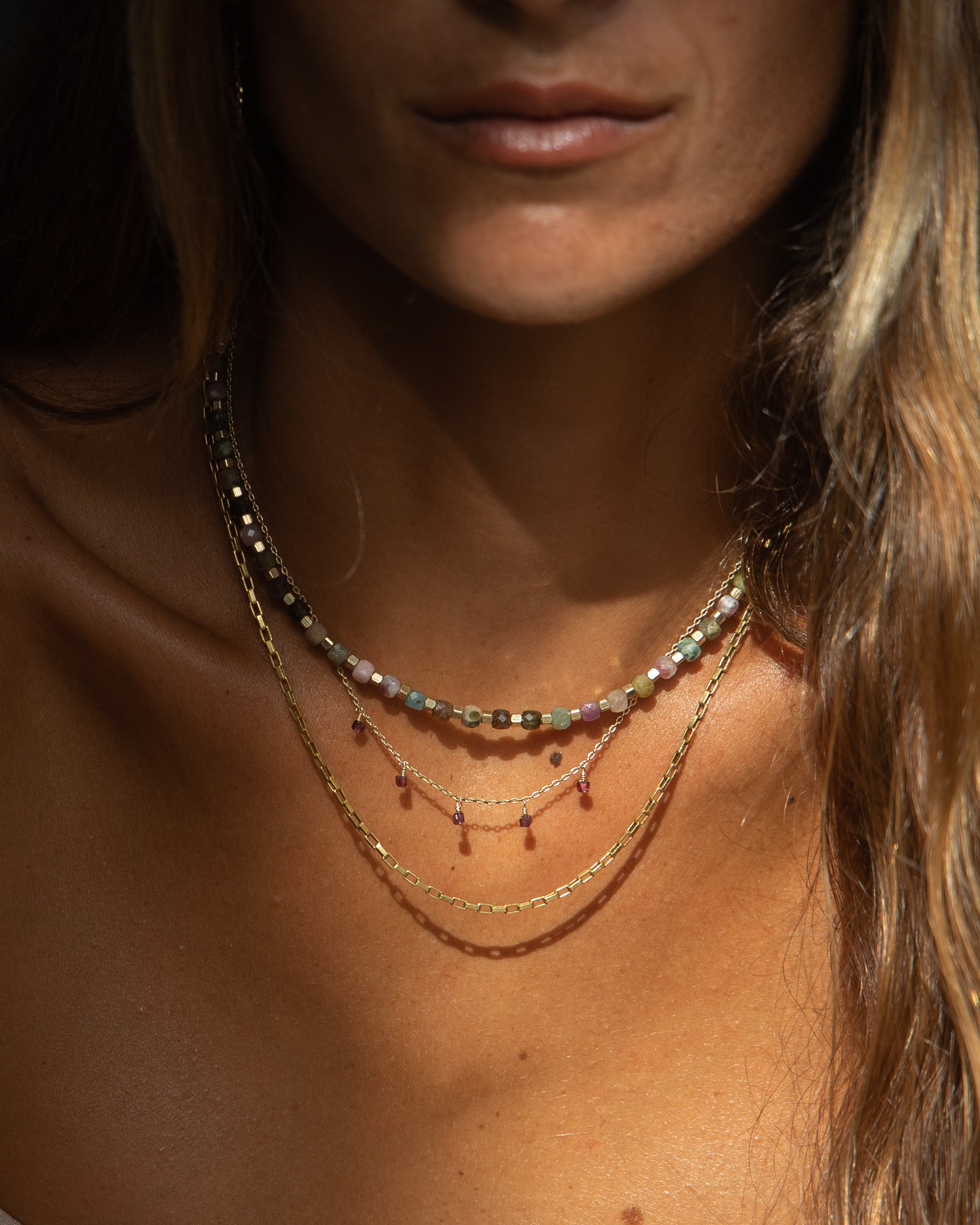
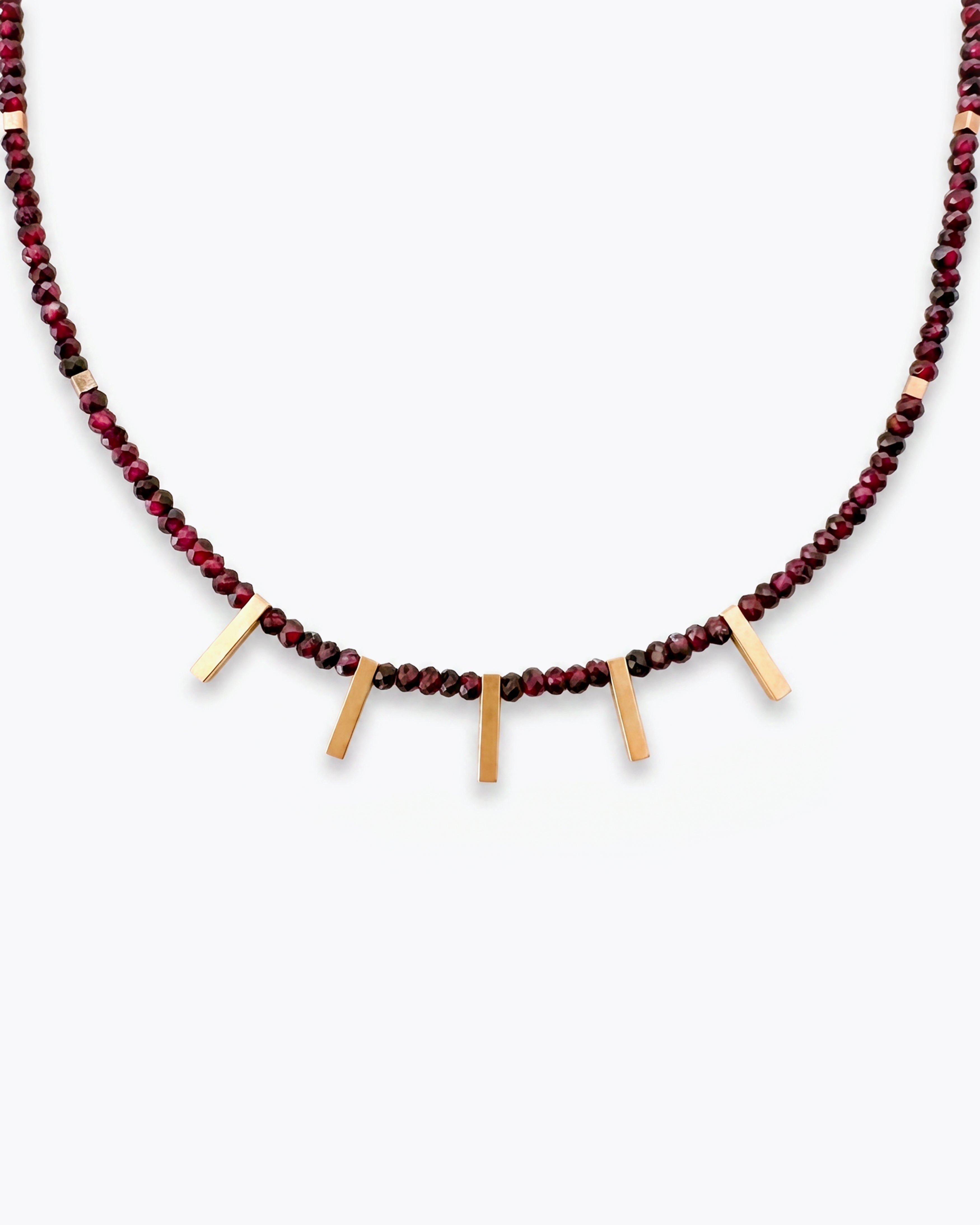
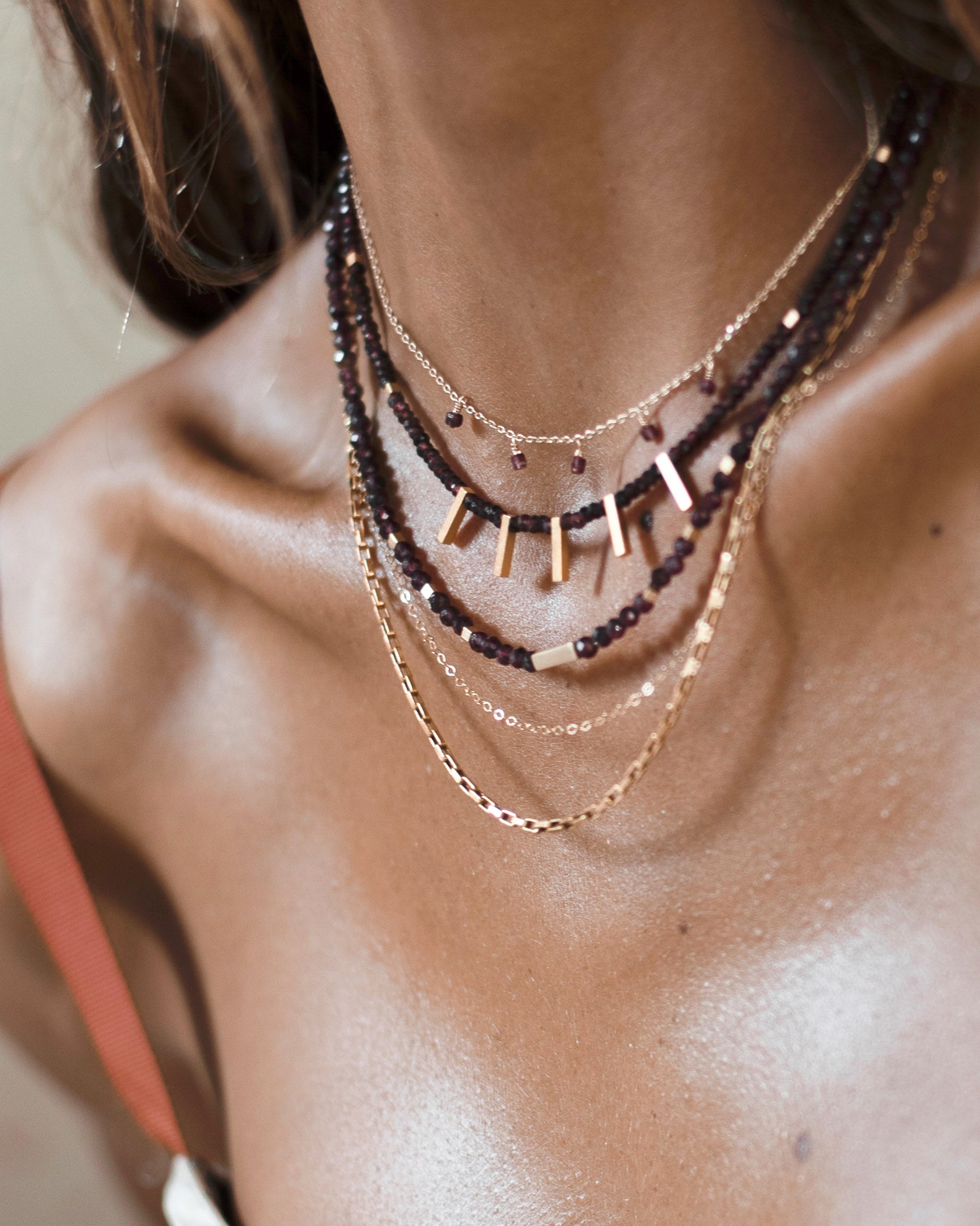
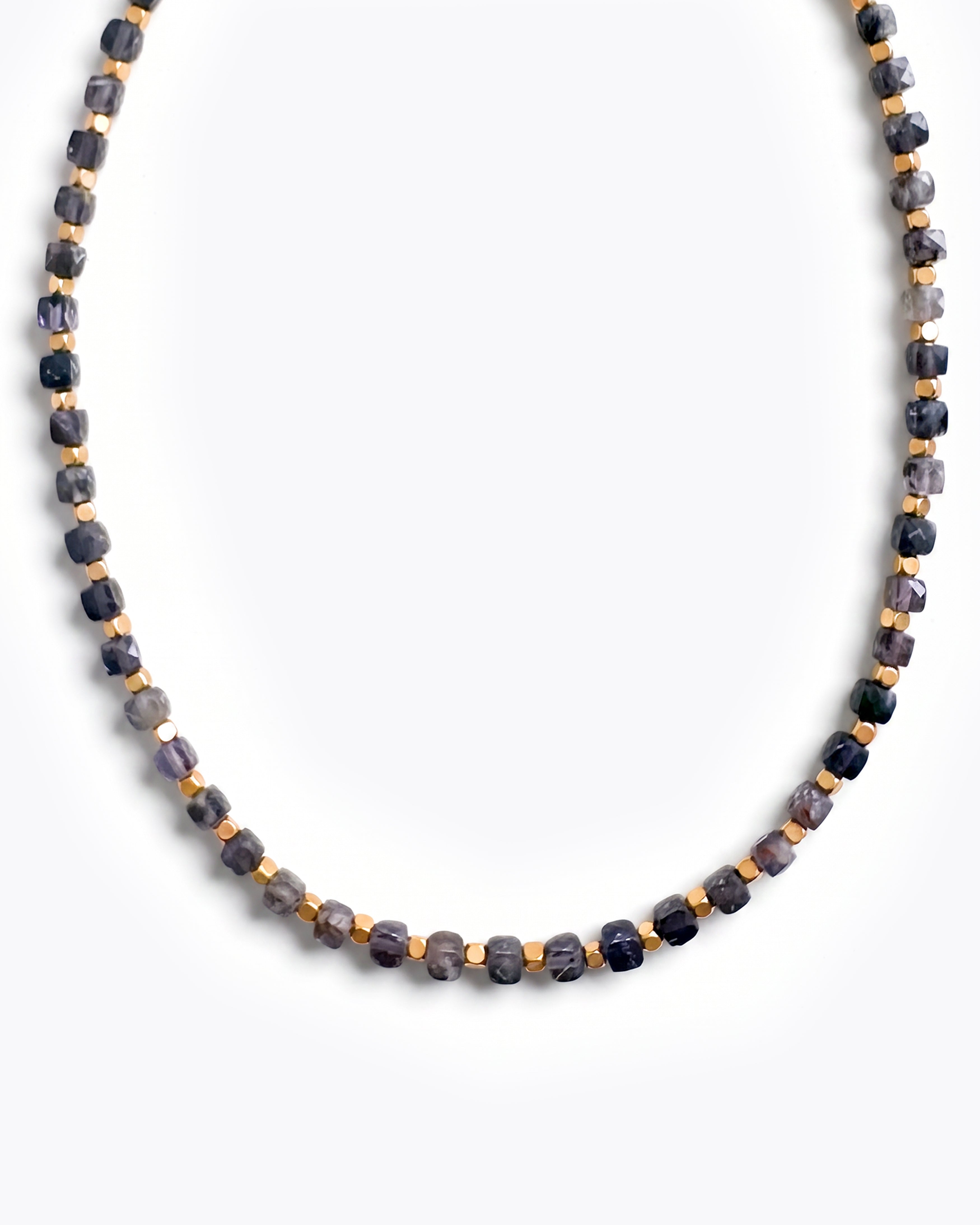
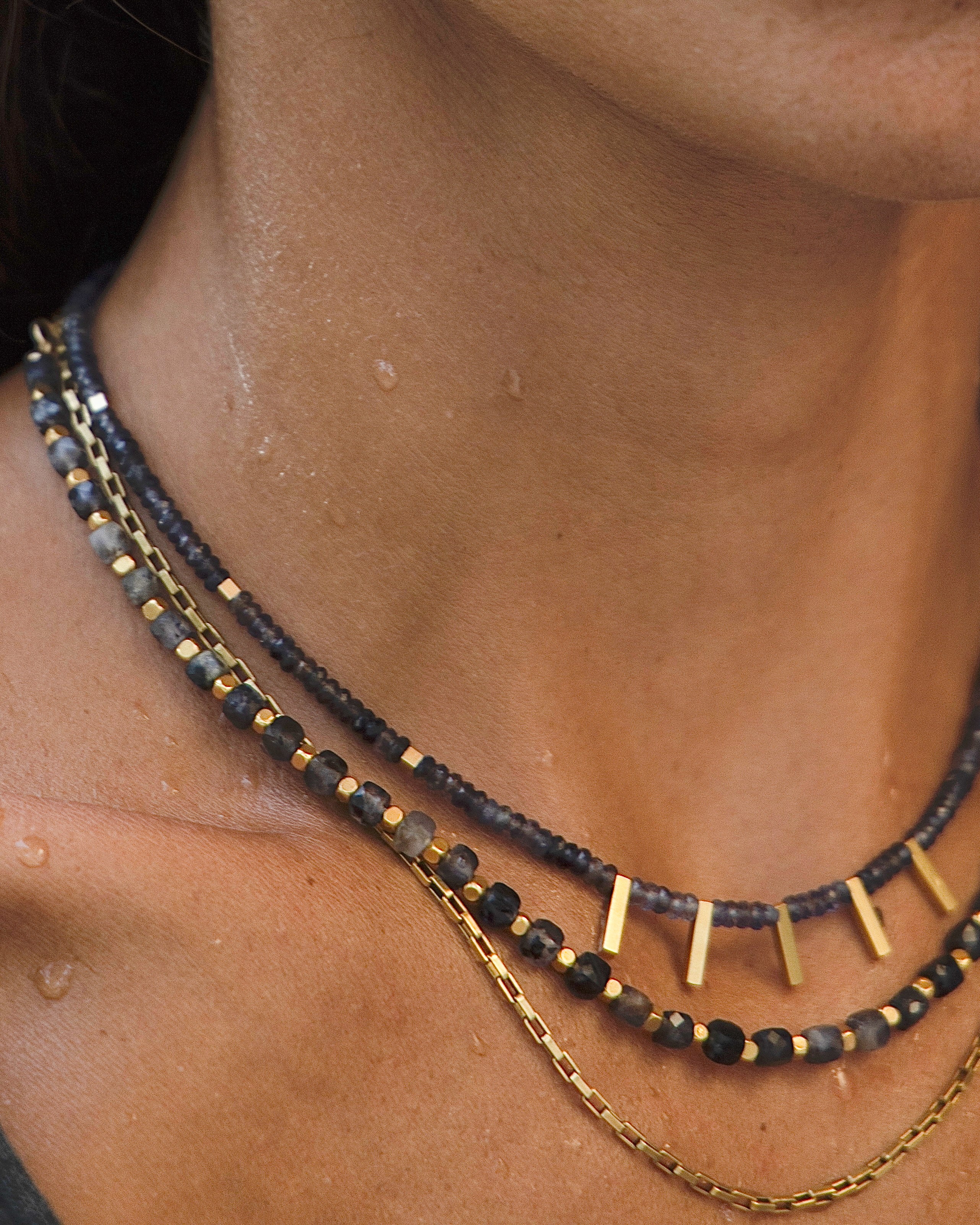
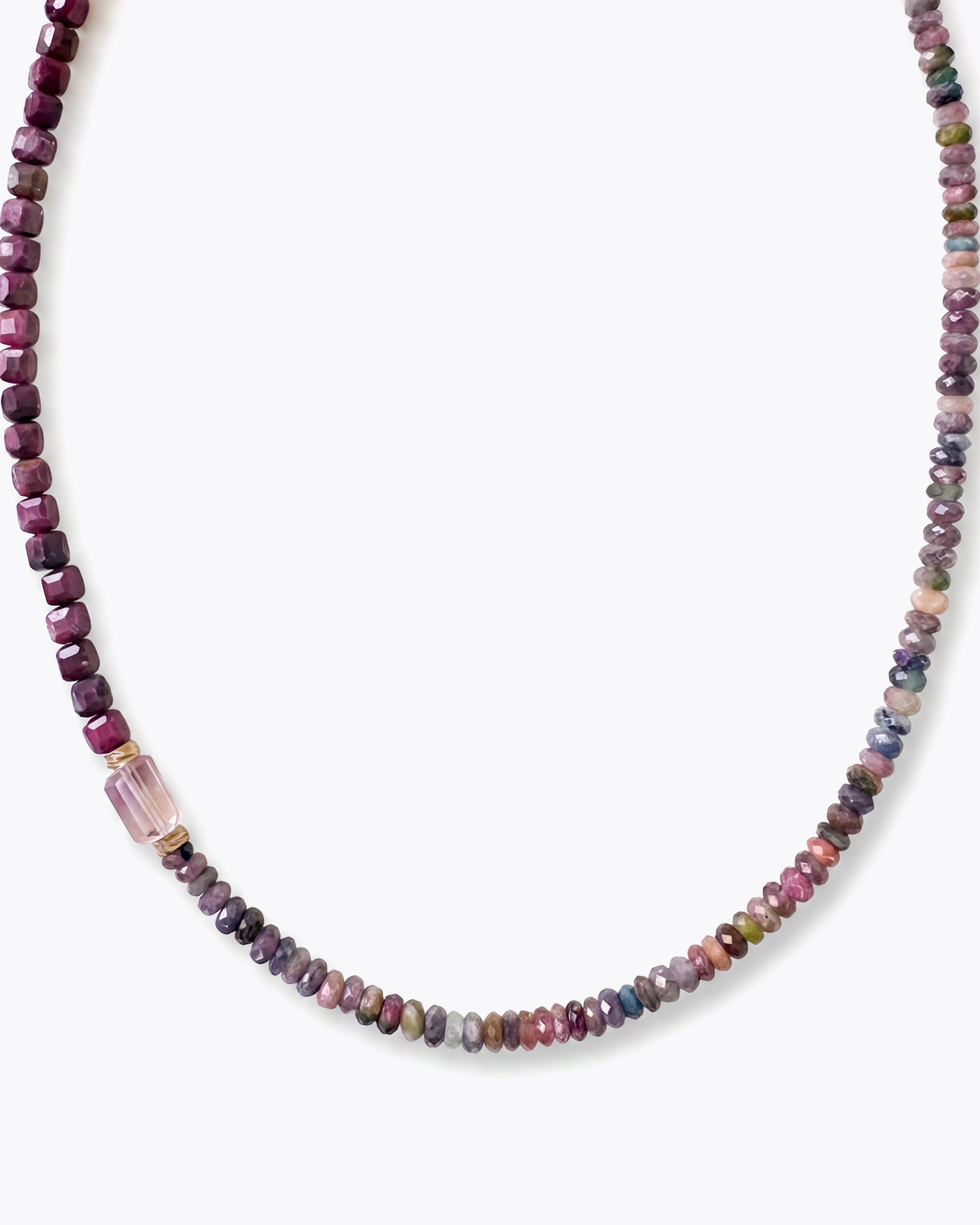
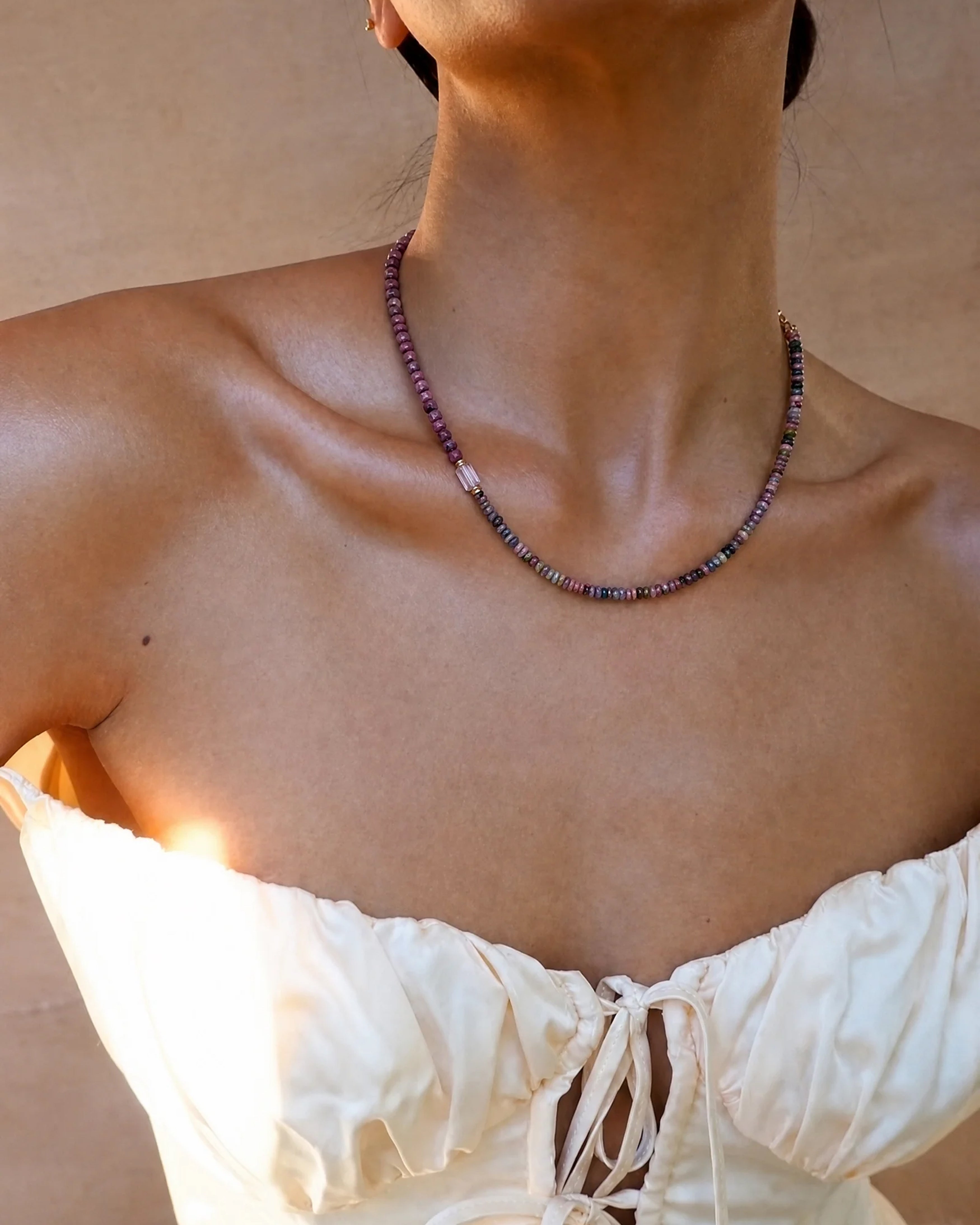
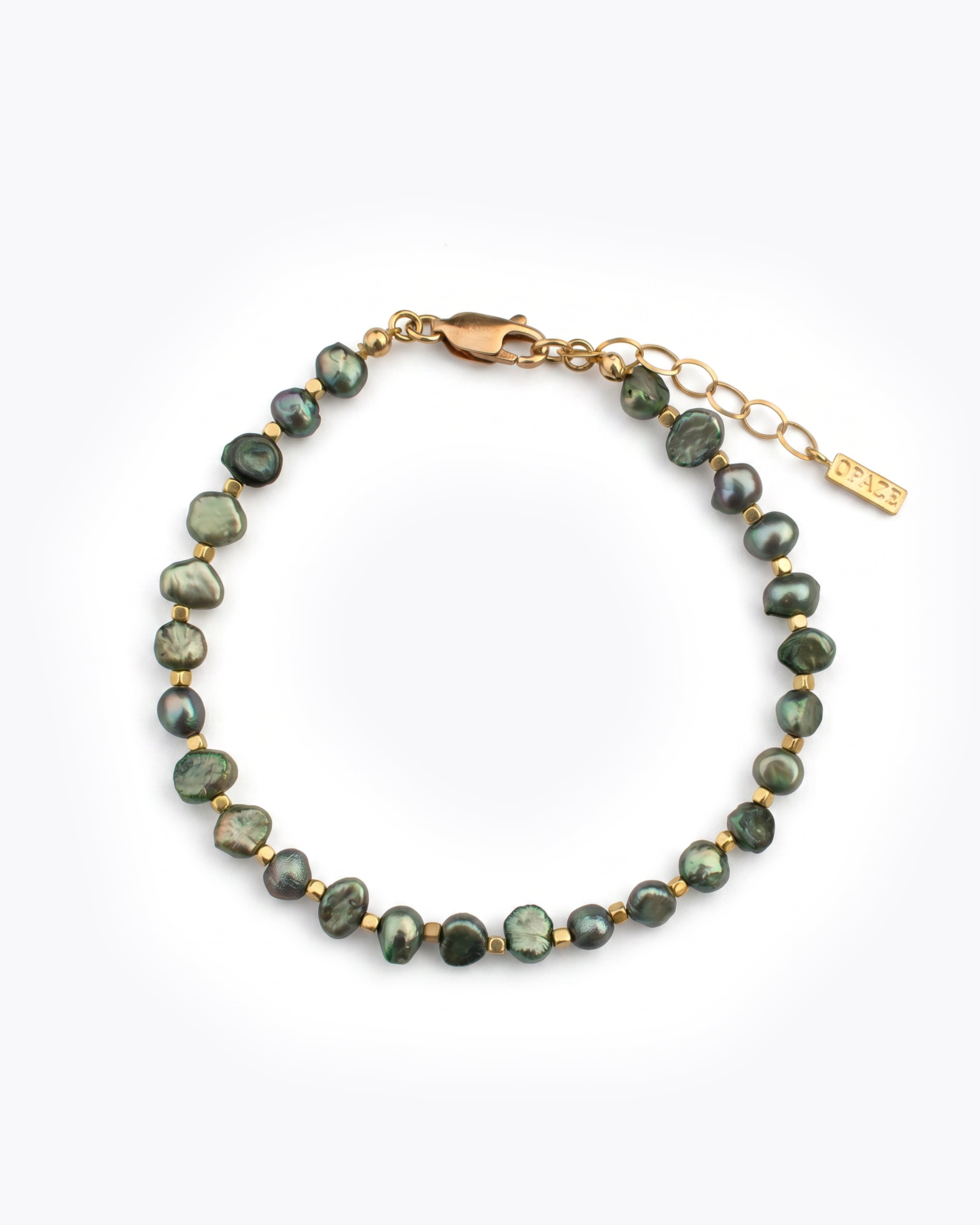
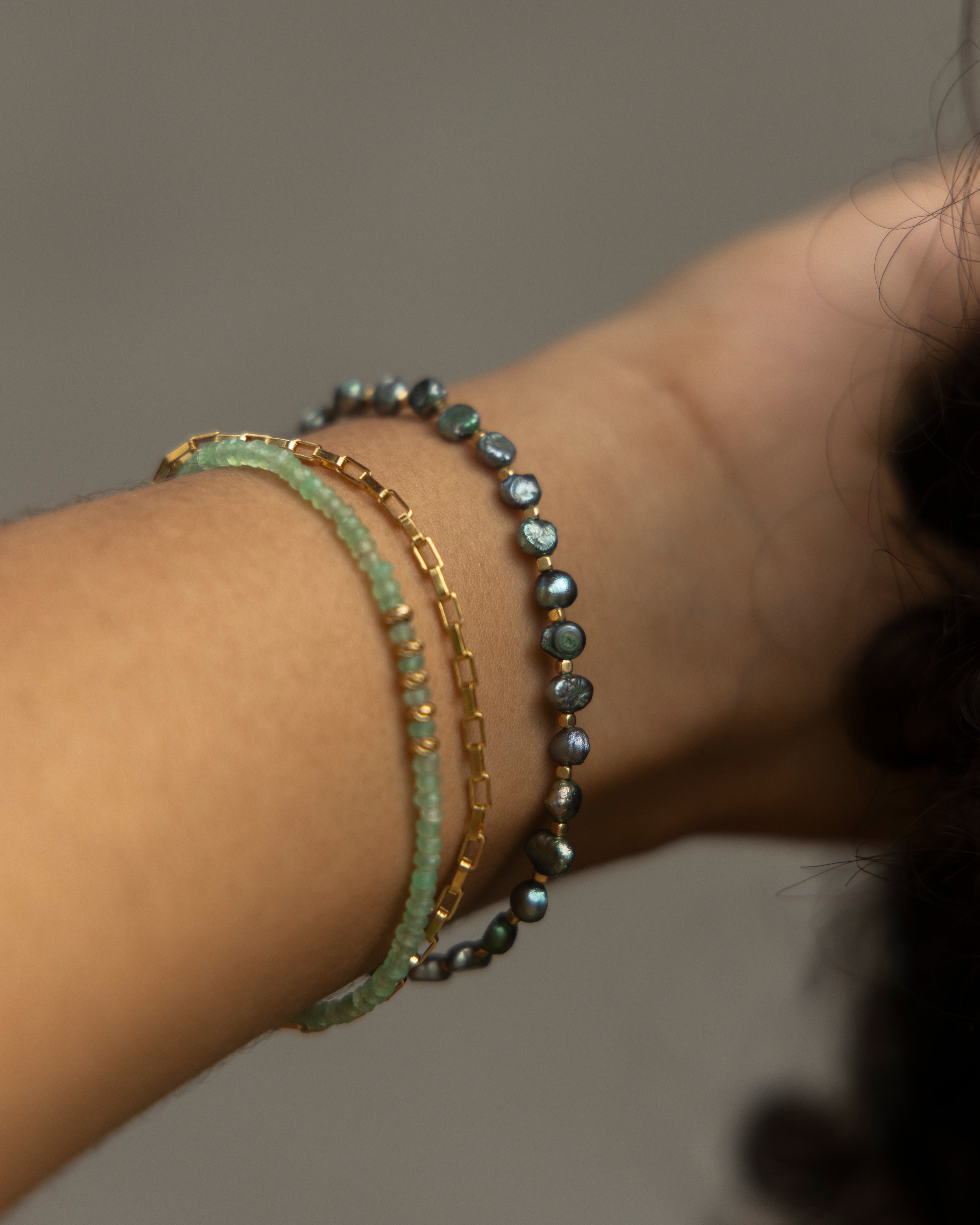
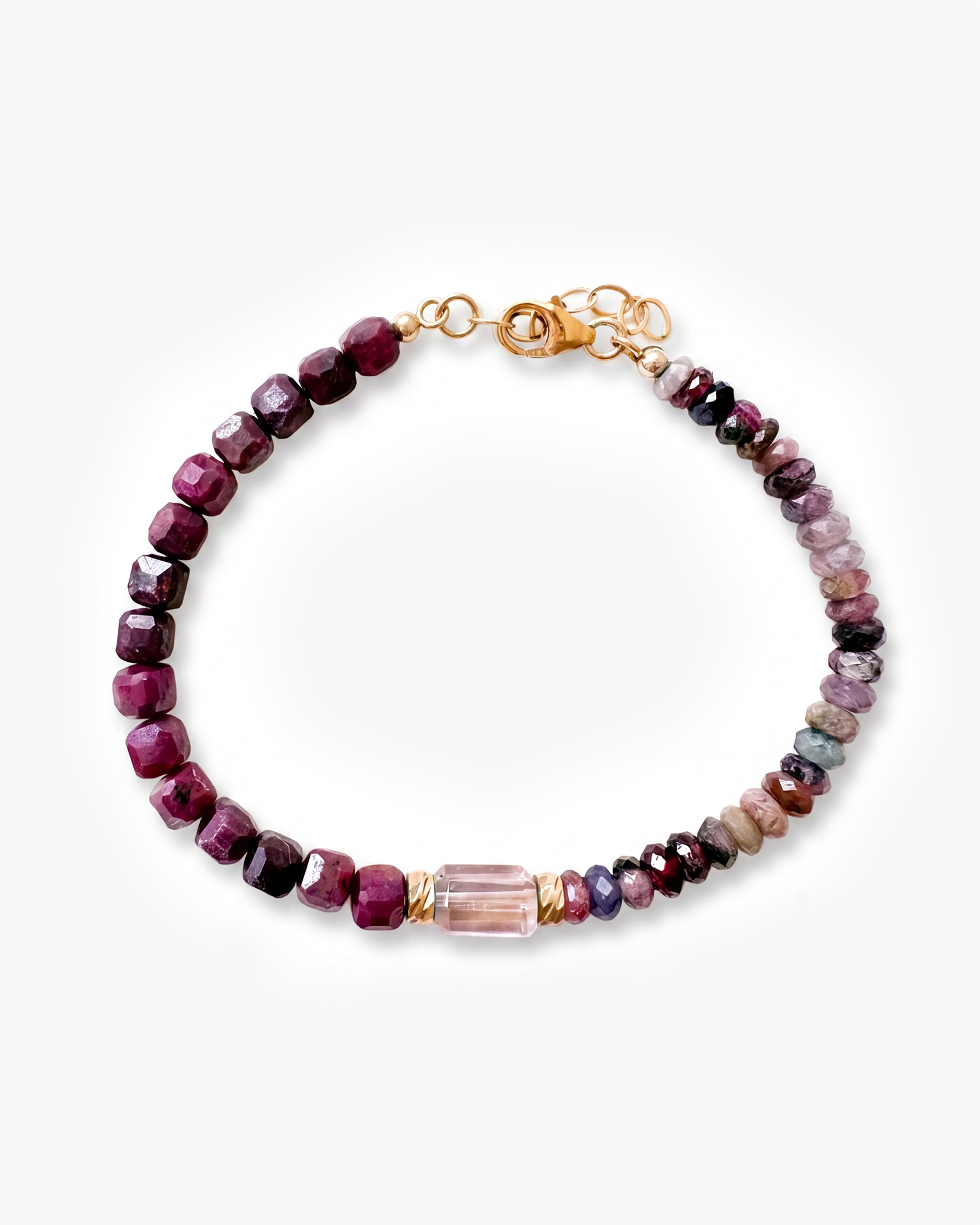
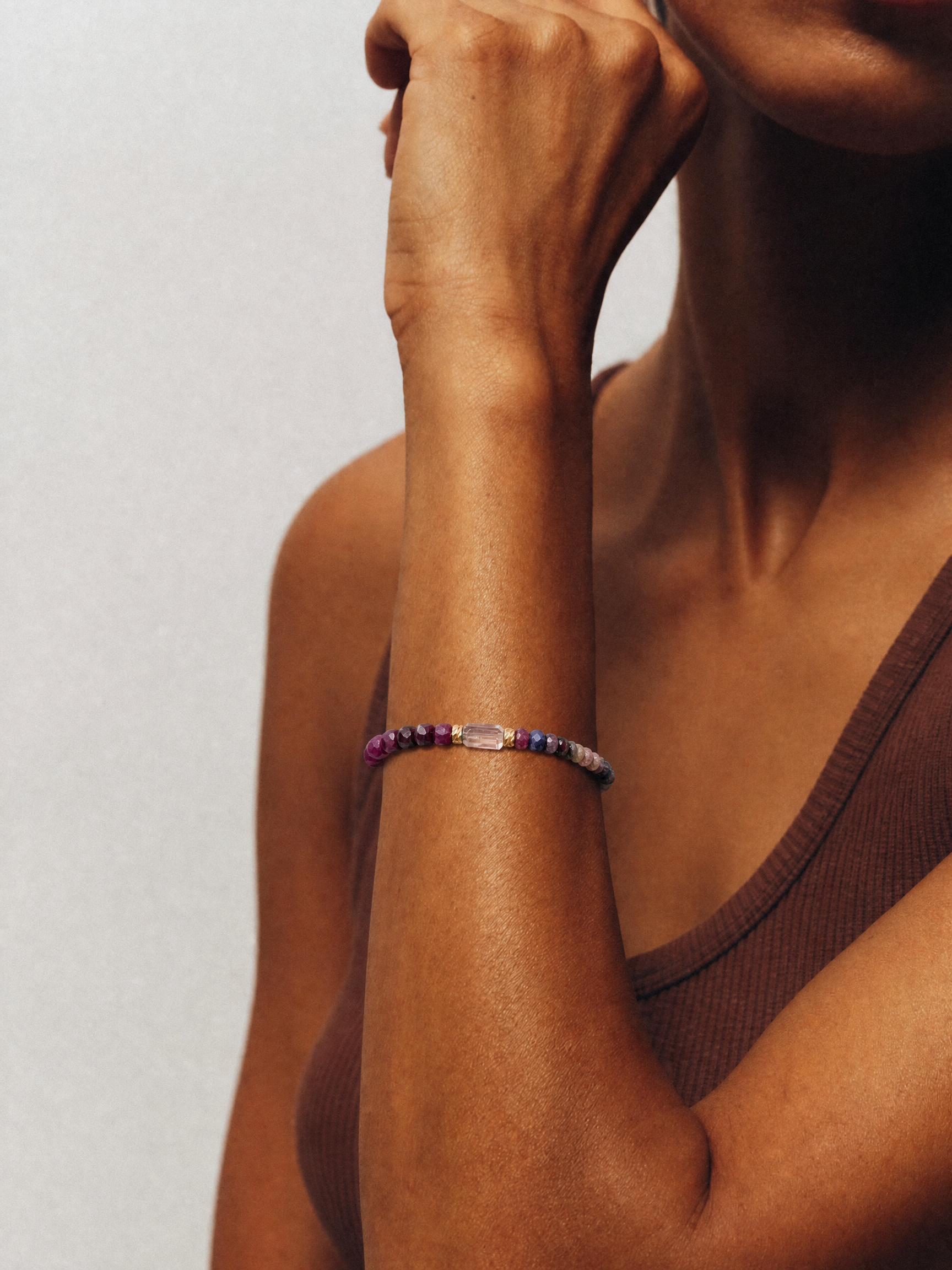
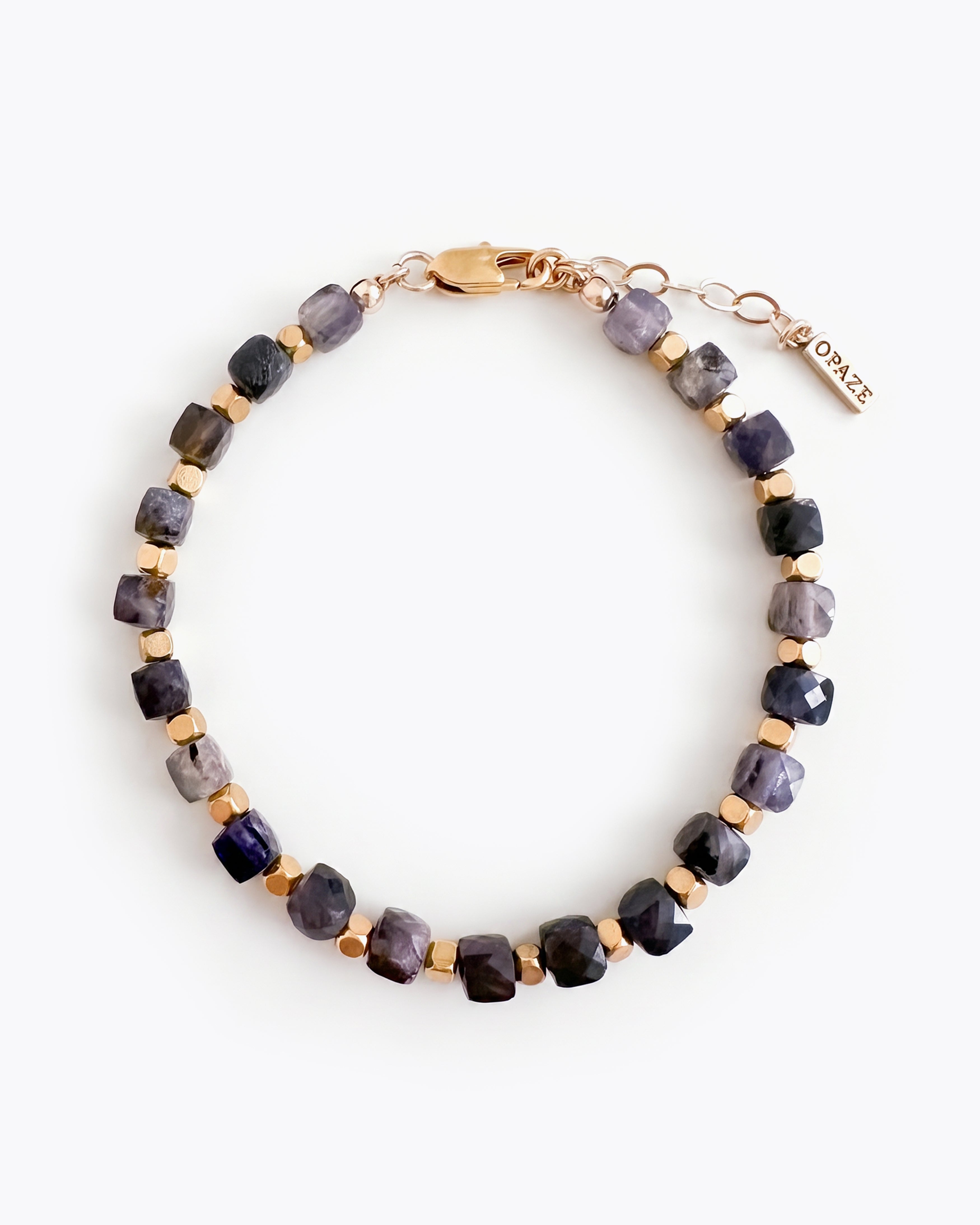
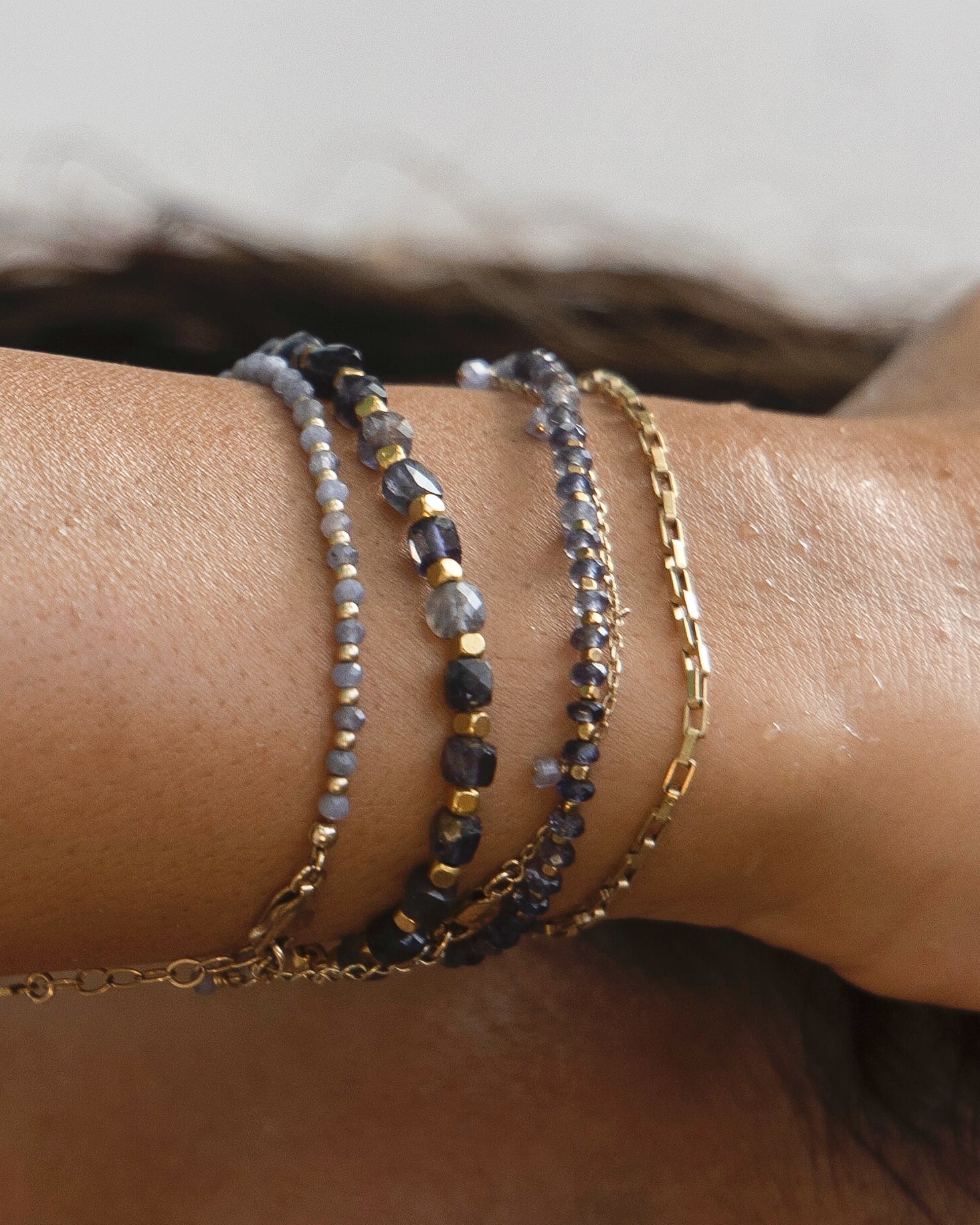
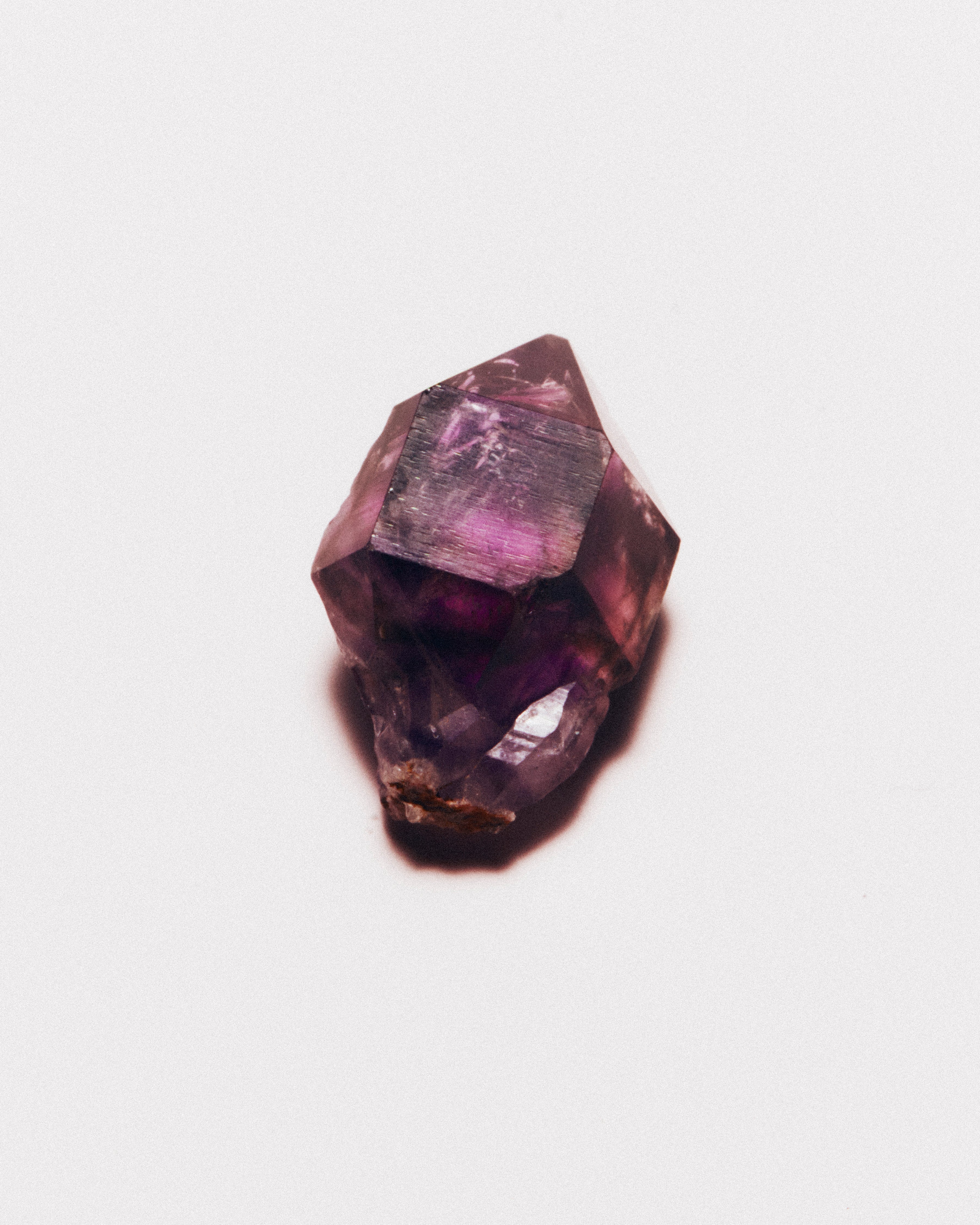
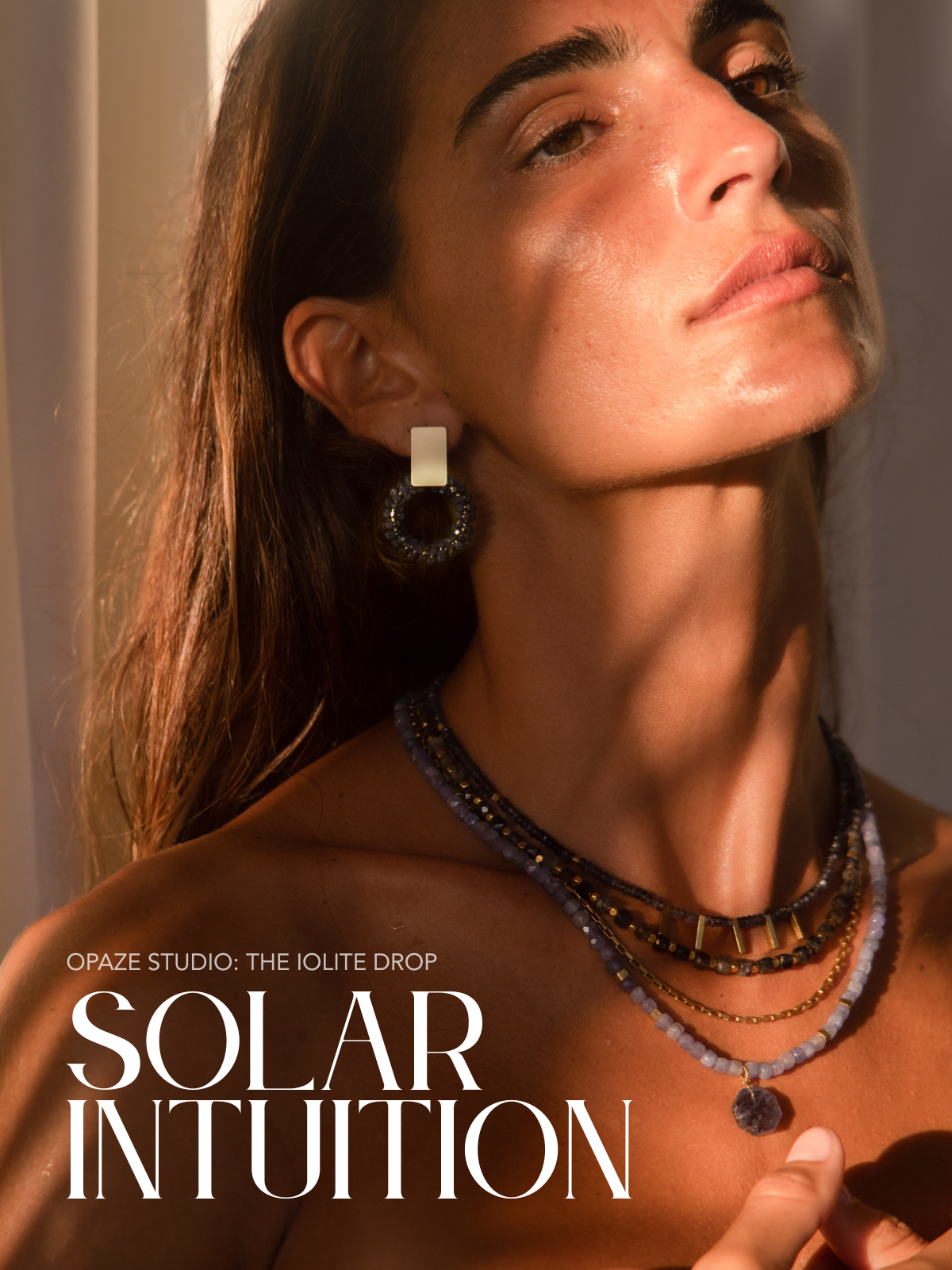
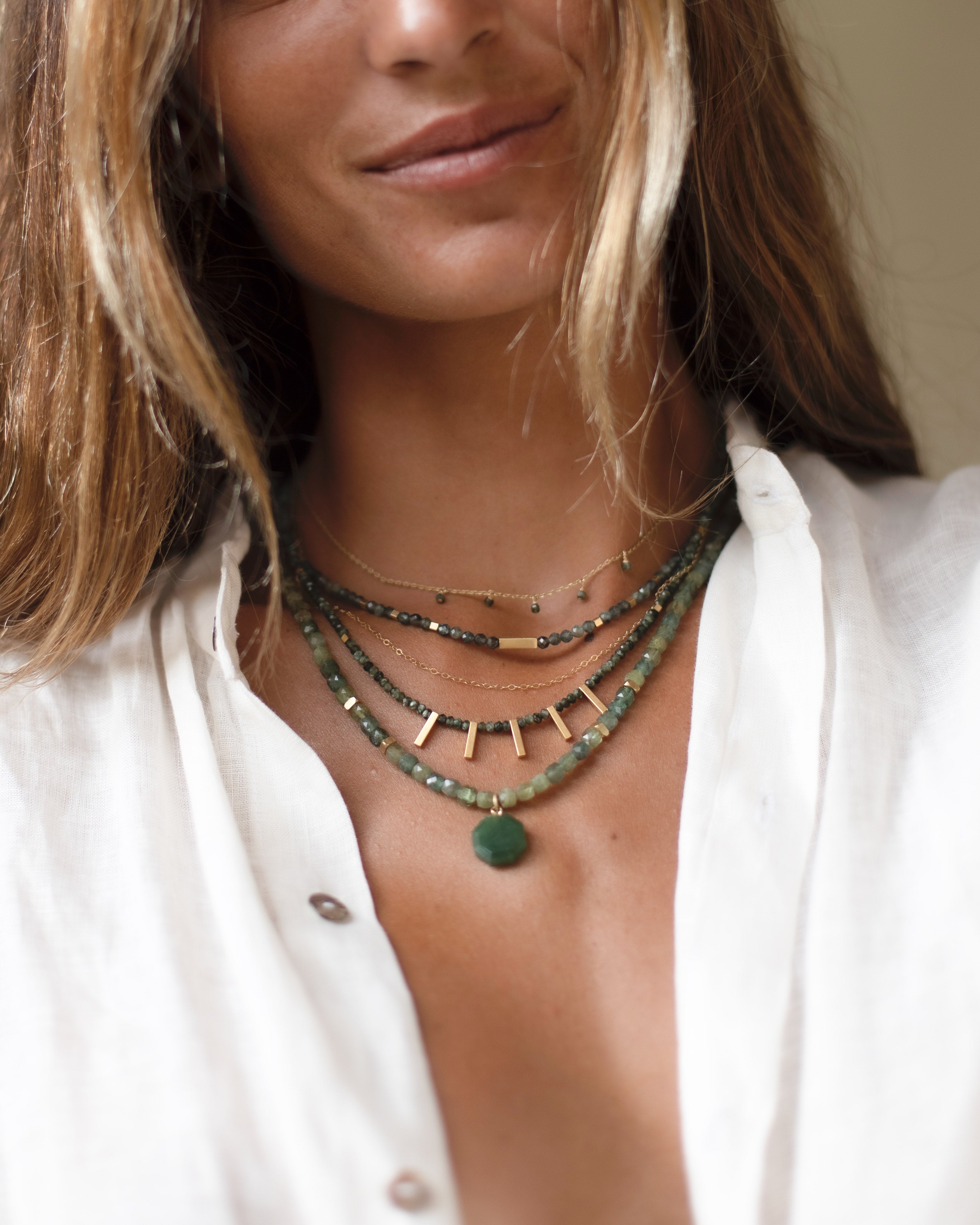
Our gold plated pieces fall squarely into the intentional category. The gold plating allows us to channel our investment into the stones: natural labradorite with real depth, moonstone with visible adularescence, amethyst with saturation and clarity. The setting is the support system. The stone is the point.
Where Gemstones Change the Conversation
Natural gemstones introduce a variable the traditional fine jewelry framework does not weight heavily enough: uniqueness.
No two natural stones are identical. A natural labradorite ring is, in a meaningful sense, the only one in the world, because no other piece of labradorite has exactly the same color play, the same internal structure, the same light behavior. That is not something that changes based on the karat of the setting holding it.
Stones also carry associations that transcend material value. Many people who wear gemstones are drawn to their specific properties: the protective quality attributed to labradorite, the intuitive clarity associated with moonstone, the amplifying energy of clear quartz. These associations are ancient, cross-cultural, and deeply personal. They have nothing to do with whether the setting is 14k or gold plated.
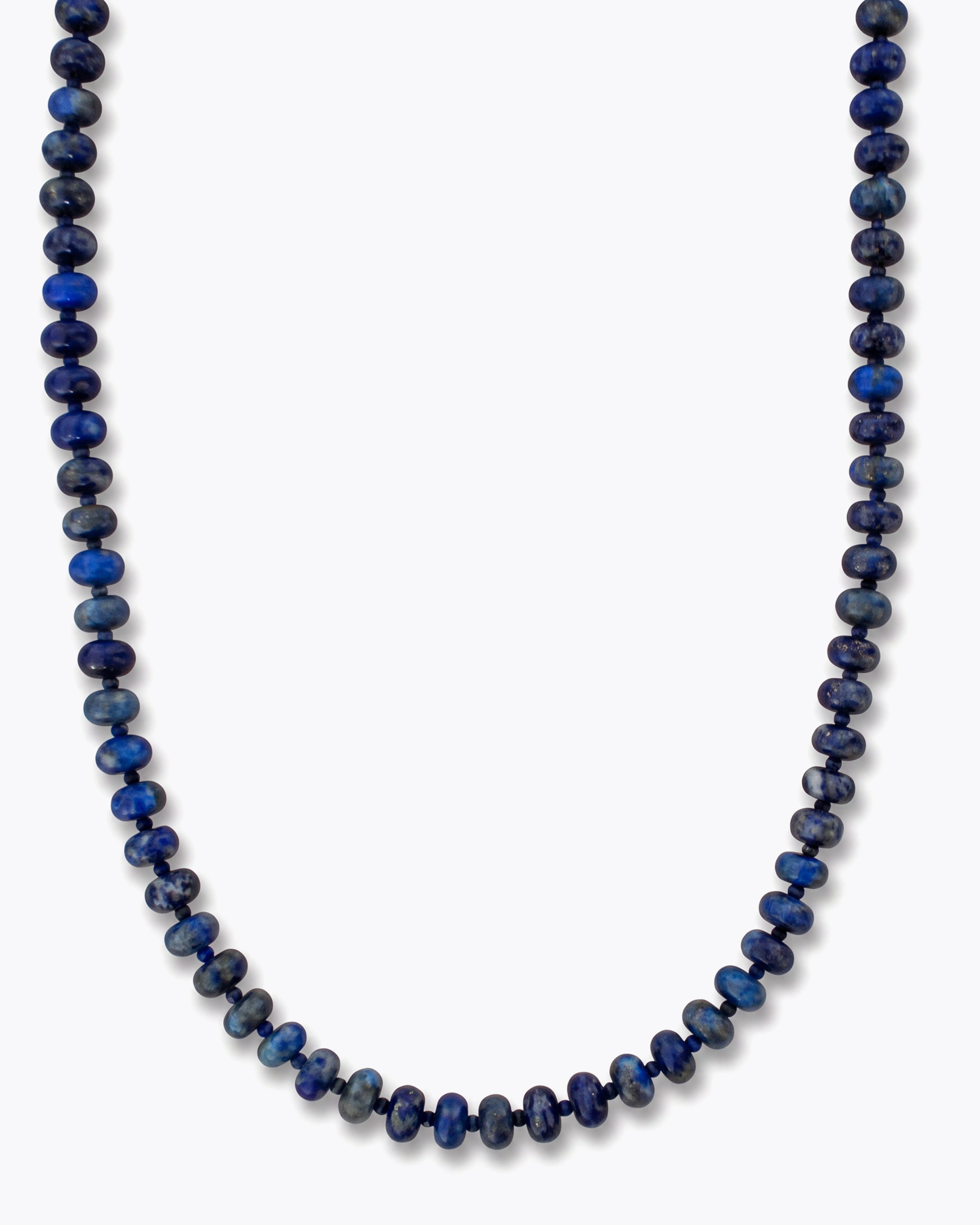
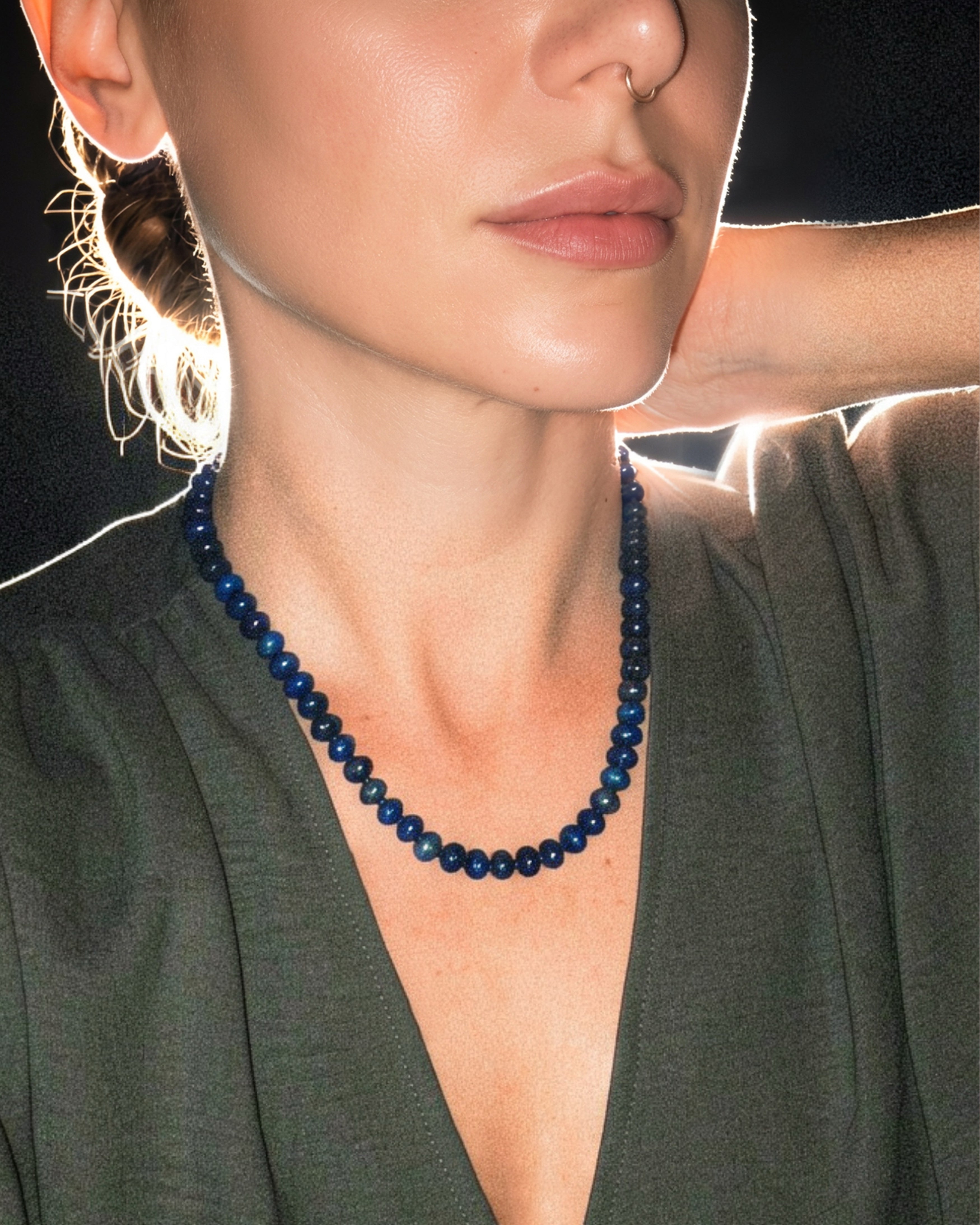
This is the space Opaze inhabits: accessible, fine-adjacent jewelry, made with artisan craft, anchored by natural stones, and worn by people who care about what they put on their bodies.

The Real Question to Ask Before You Buy
Not: is this fine jewelry? But: is this a piece someone made with care? Does the stone have genuine quality? Will I feel good wearing this? Does it mean something?
If the answers are yes, the taxonomy becomes irrelevant. You have something worth wearing.
Is gold plated jewelry considered fine jewelry?
By the traditional industry definition, fine jewelry refers to solid precious metals. However, many gold plated pieces, especially those set with natural gemstones and made with artisan craft, represent a level of quality and intentionality that the traditional category fails to capture.
What is the difference between fine jewelry and fashion jewelry?
Traditionally, fine jewelry is made of precious metals and gemstones; fashion jewelry uses less precious materials. However, the more meaningful distinction is between intentional, quality-driven pieces and disposable, trend-driven ones.
Are natural gemstones used in gold plated jewelry?
Yes. Many jewelry makers, including Opaze, set natural gemstones in gold plated settings. The quality of the stone is independent of the type of metal setting used.
What makes jewelry high quality if not the metal?
Craftsmanship, stone quality, setting security, finish, and design intentionality are all markers of quality that exist independently of metal type. A well-made gold plated piece can significantly outperform a poorly made solid gold one.