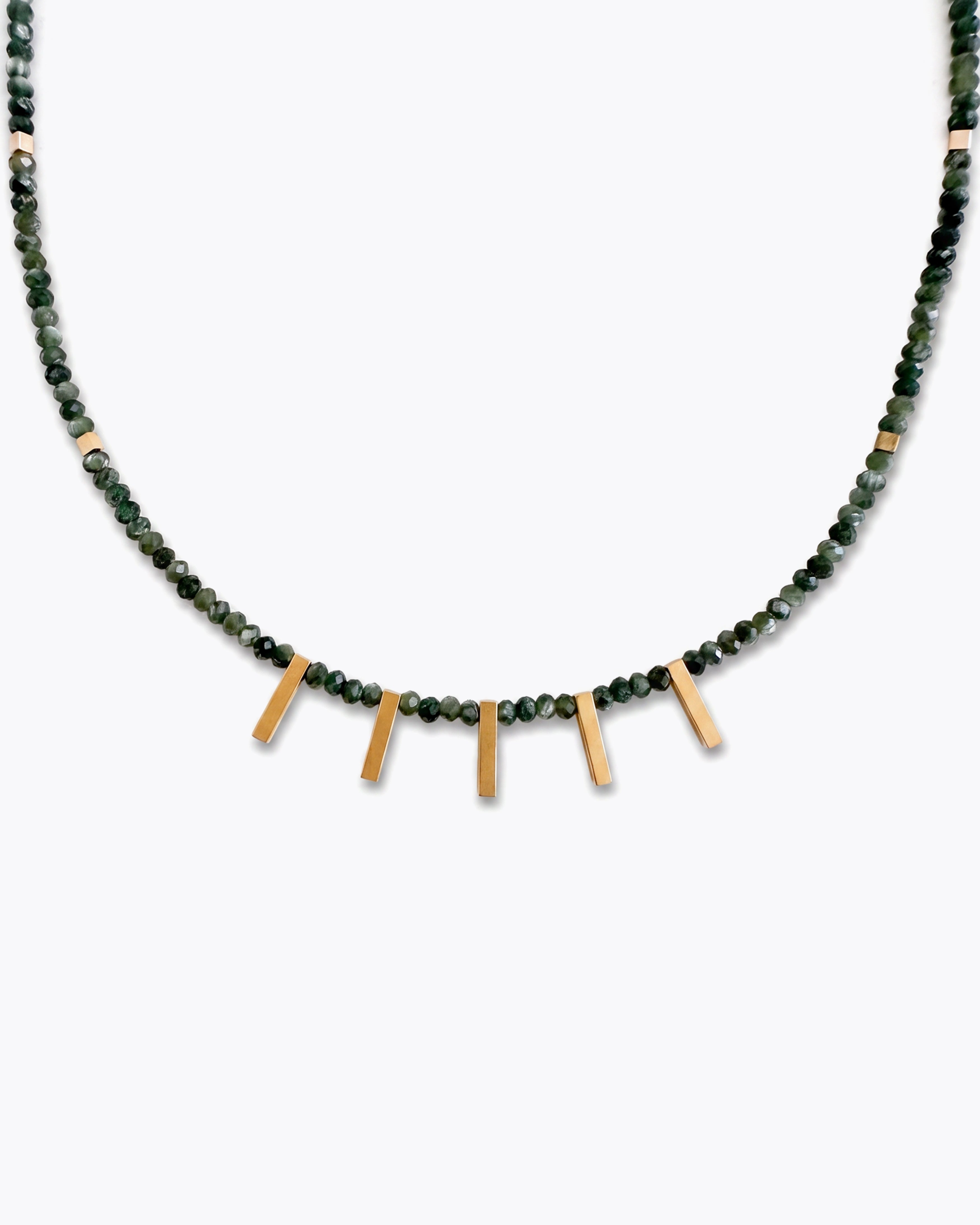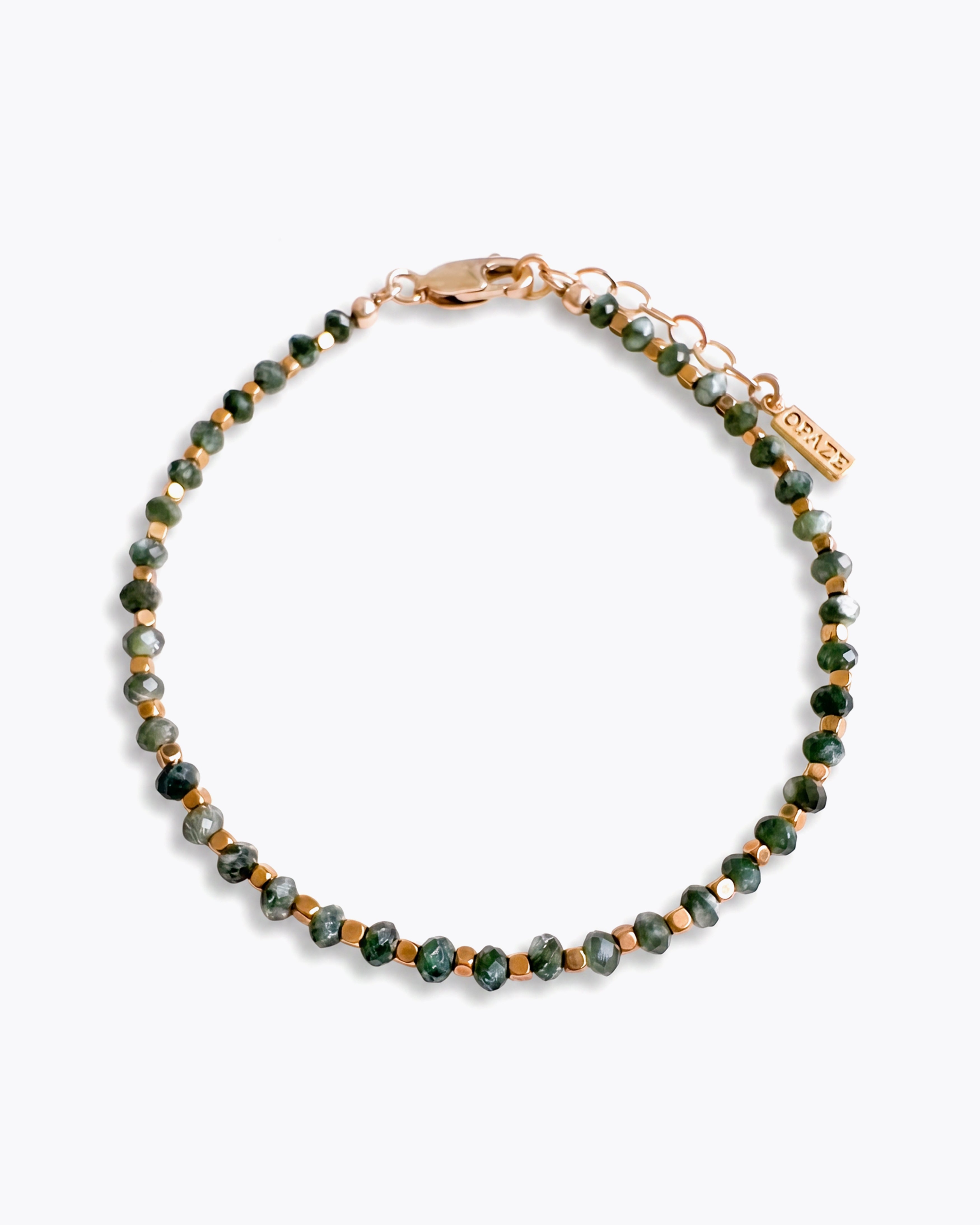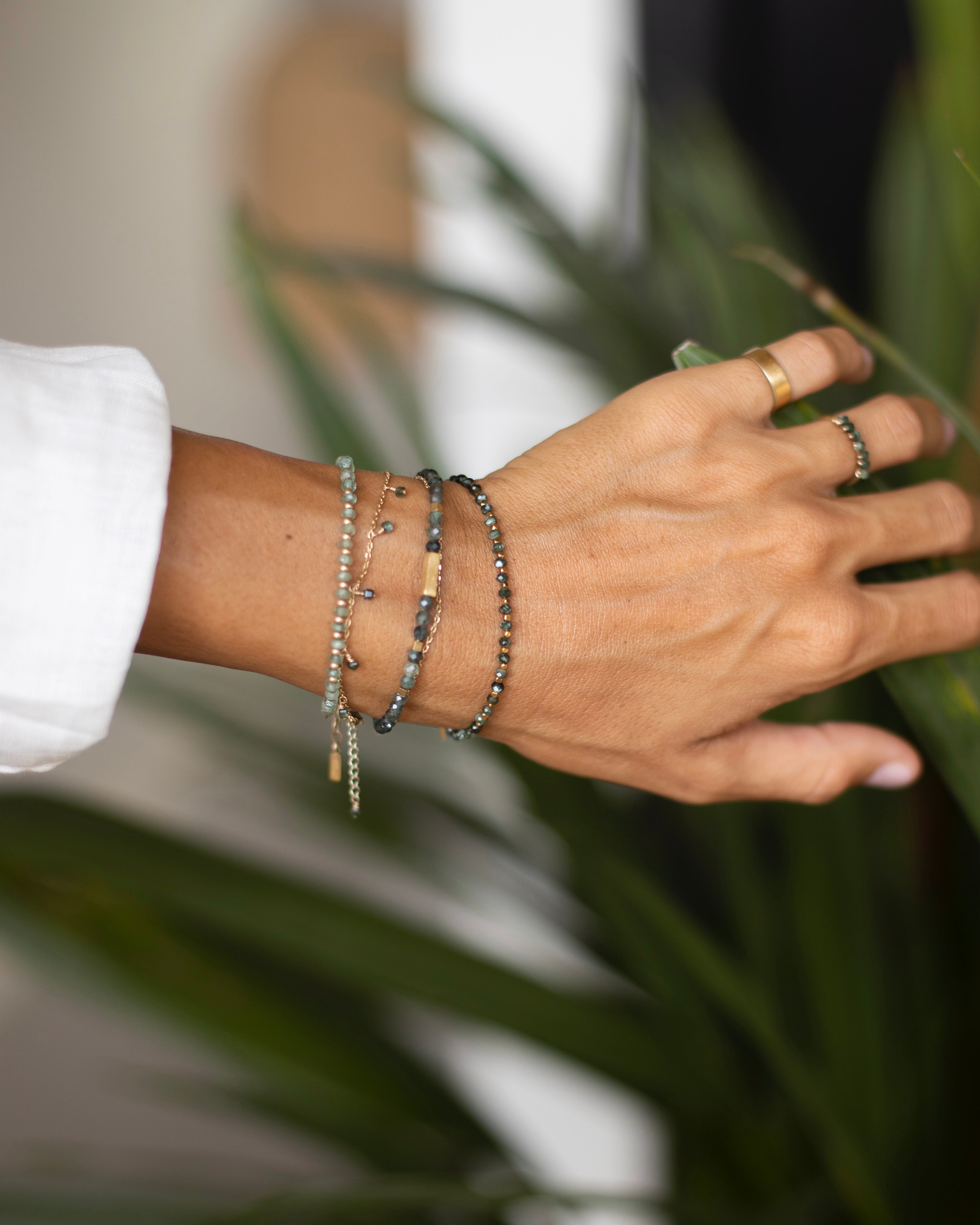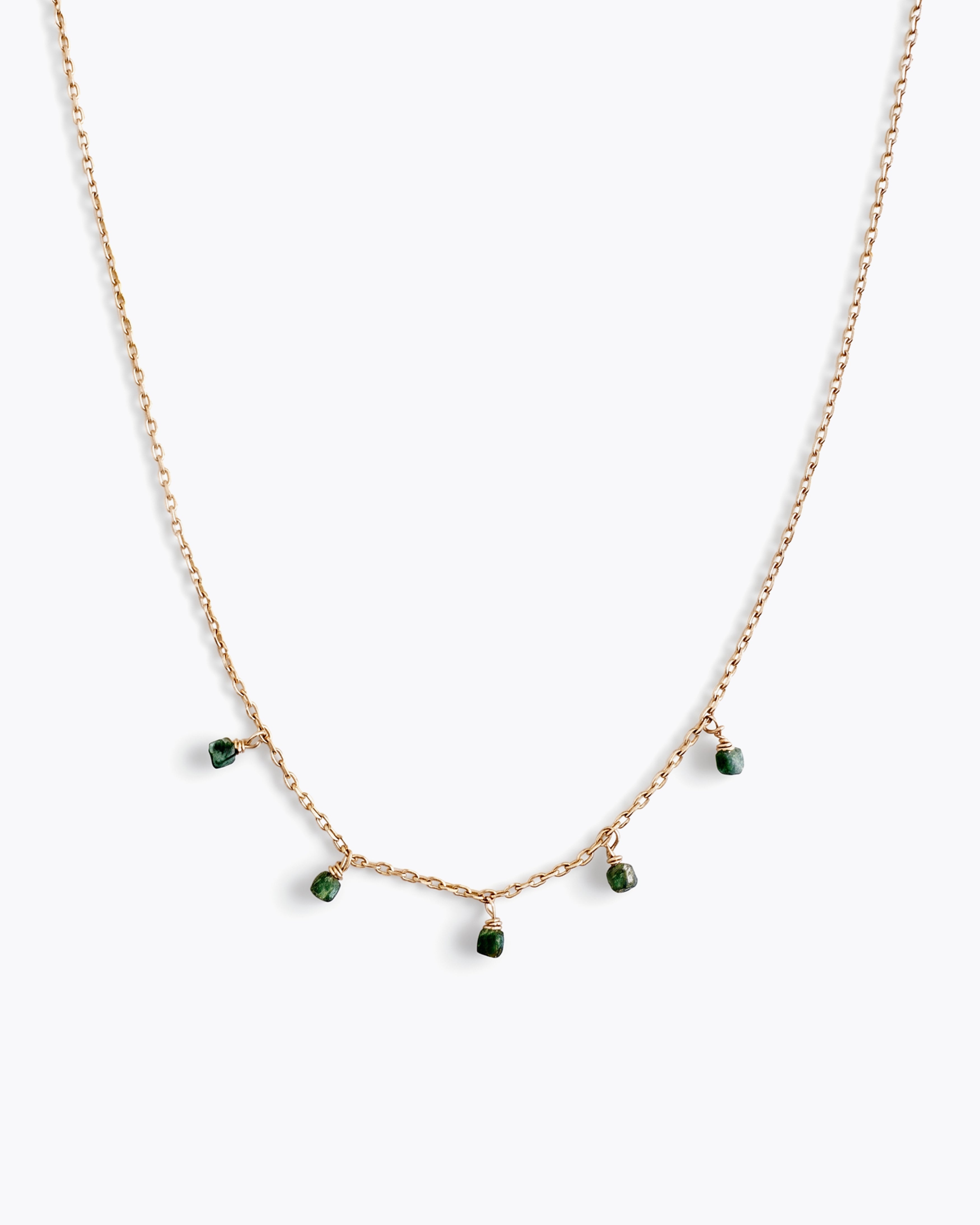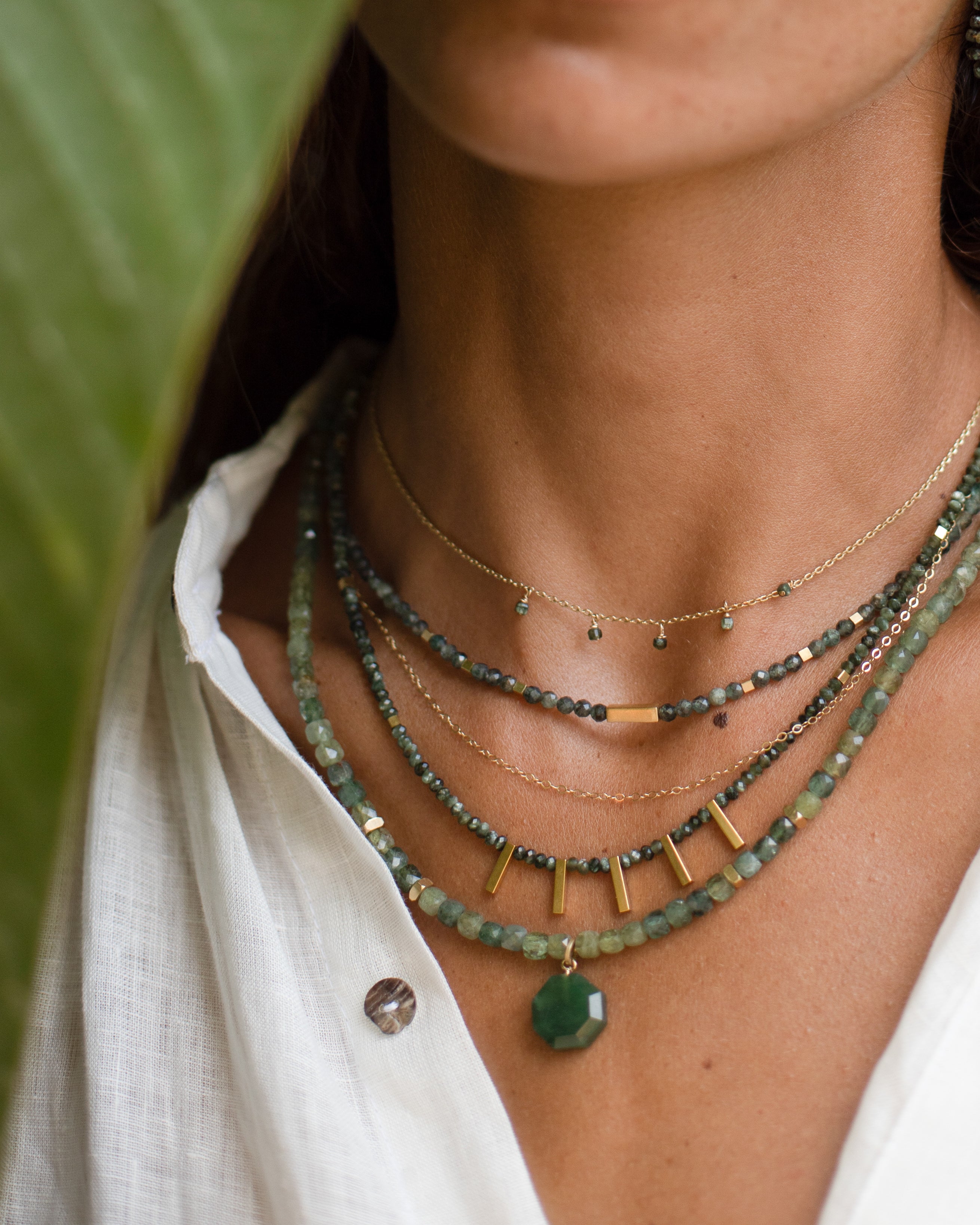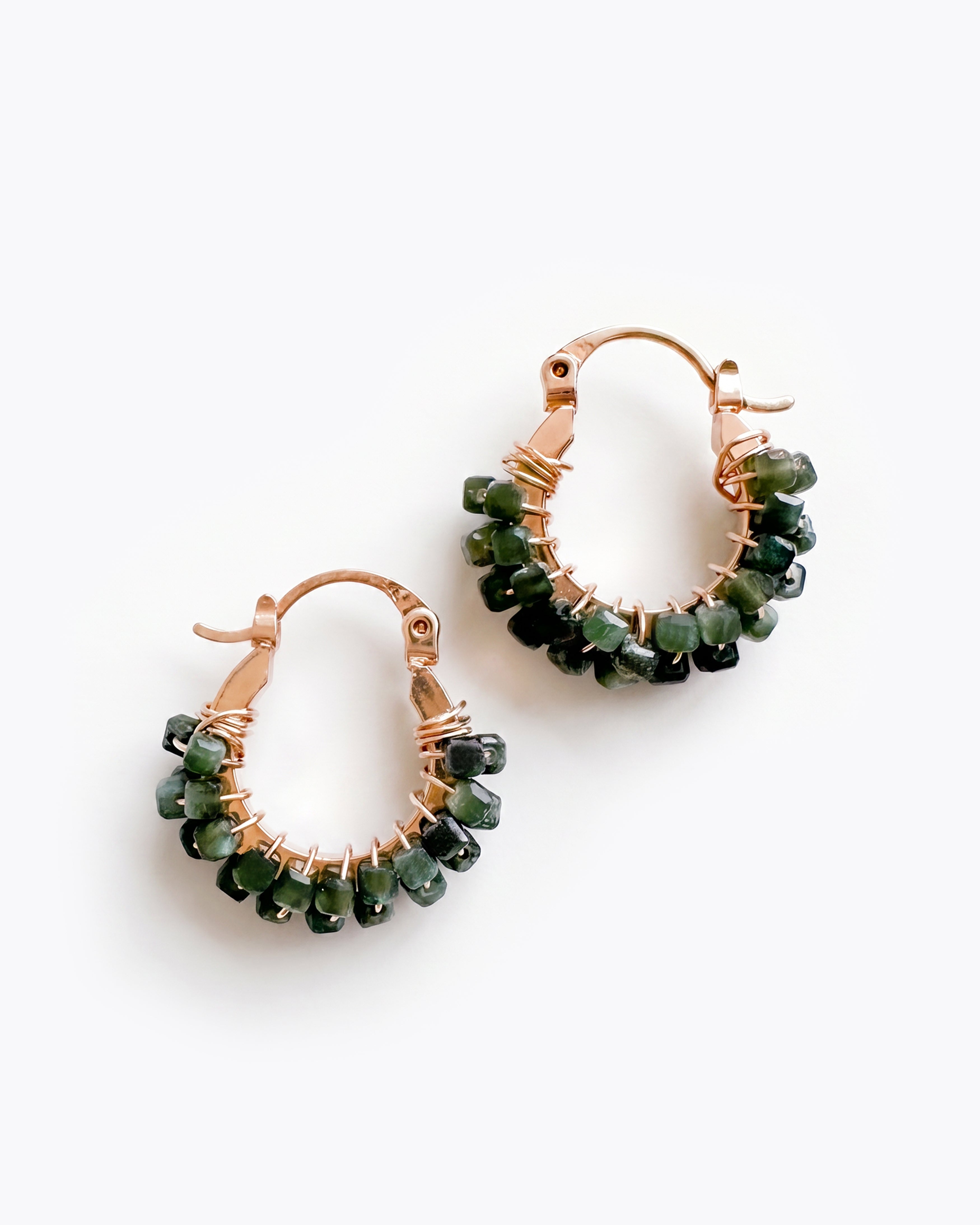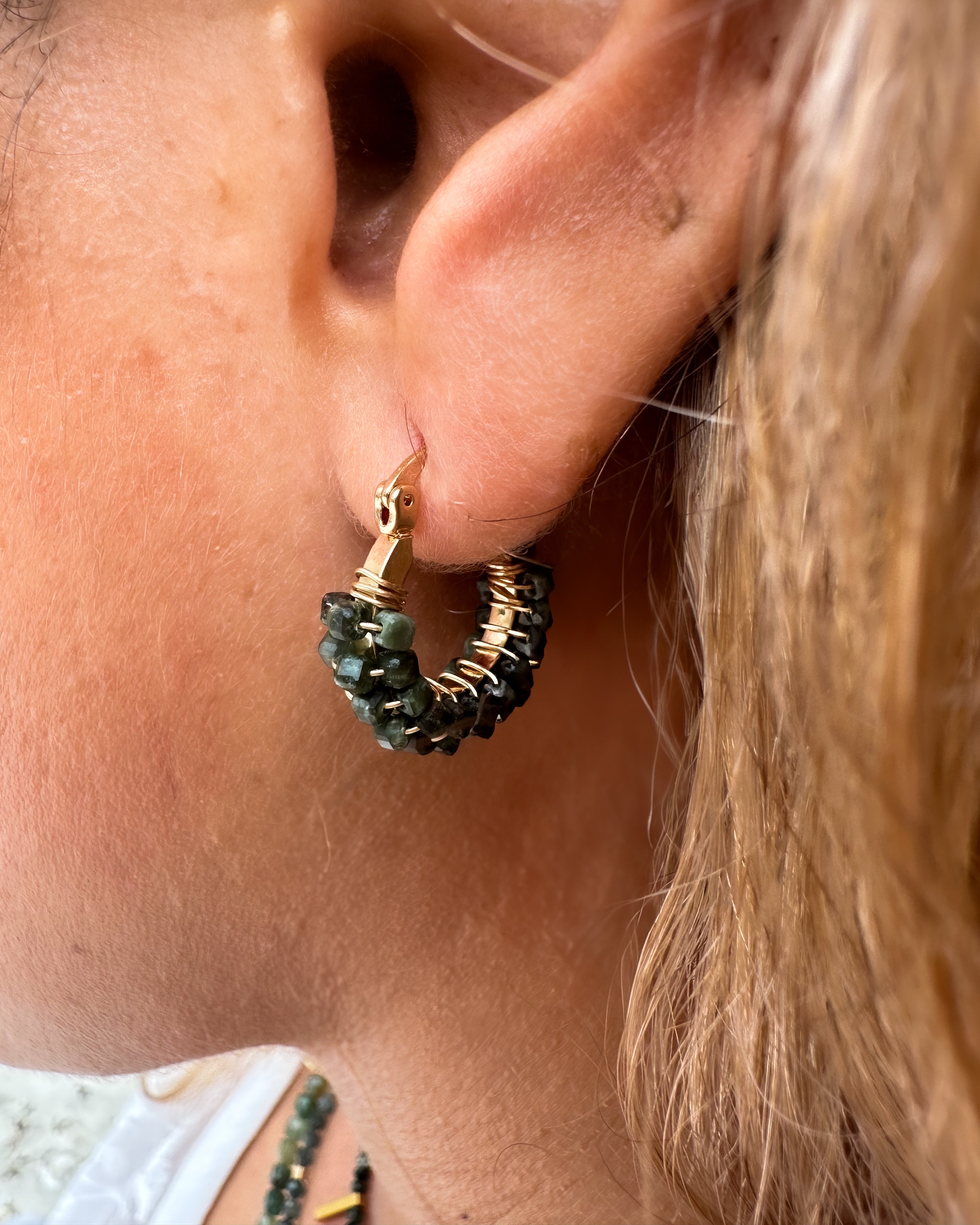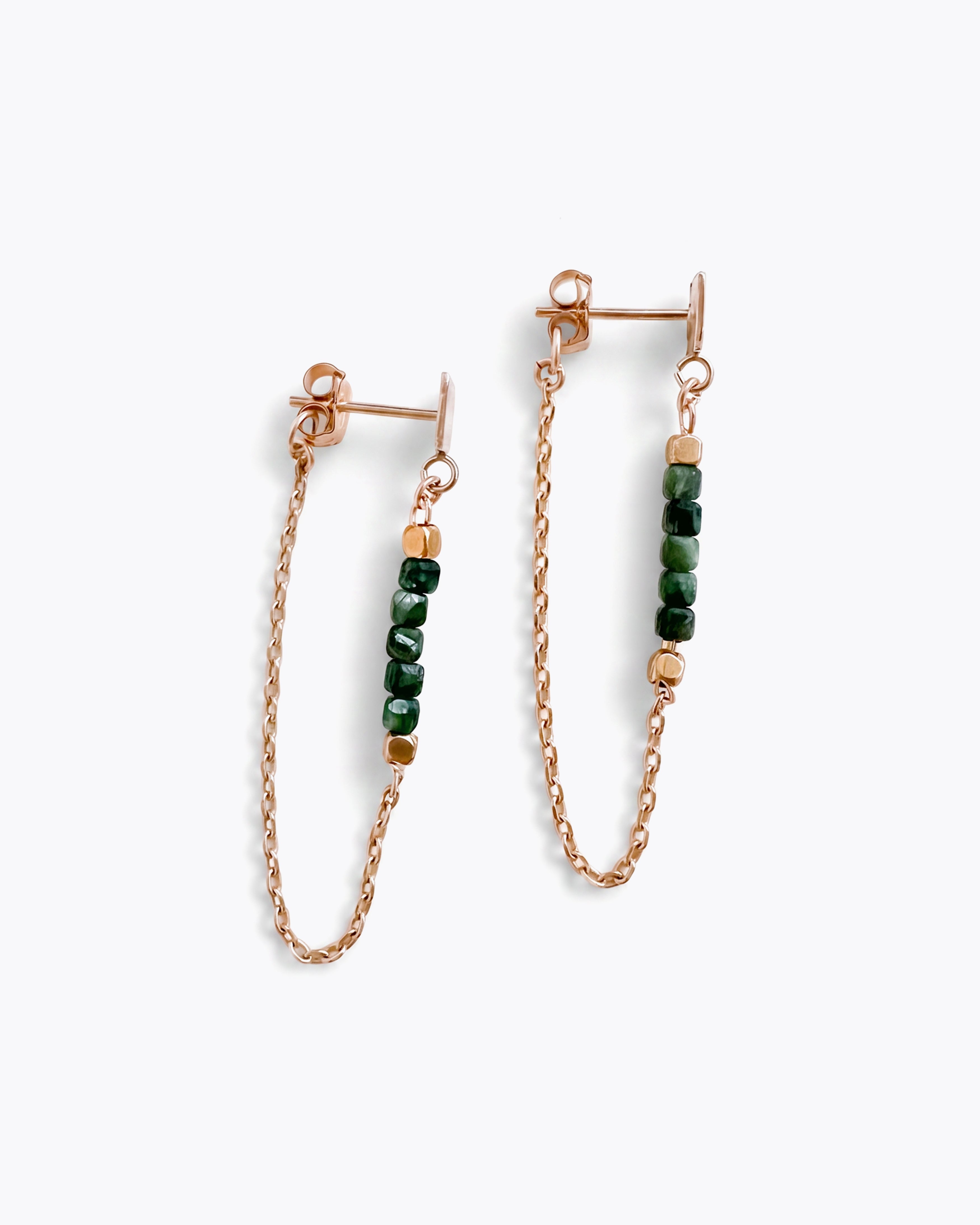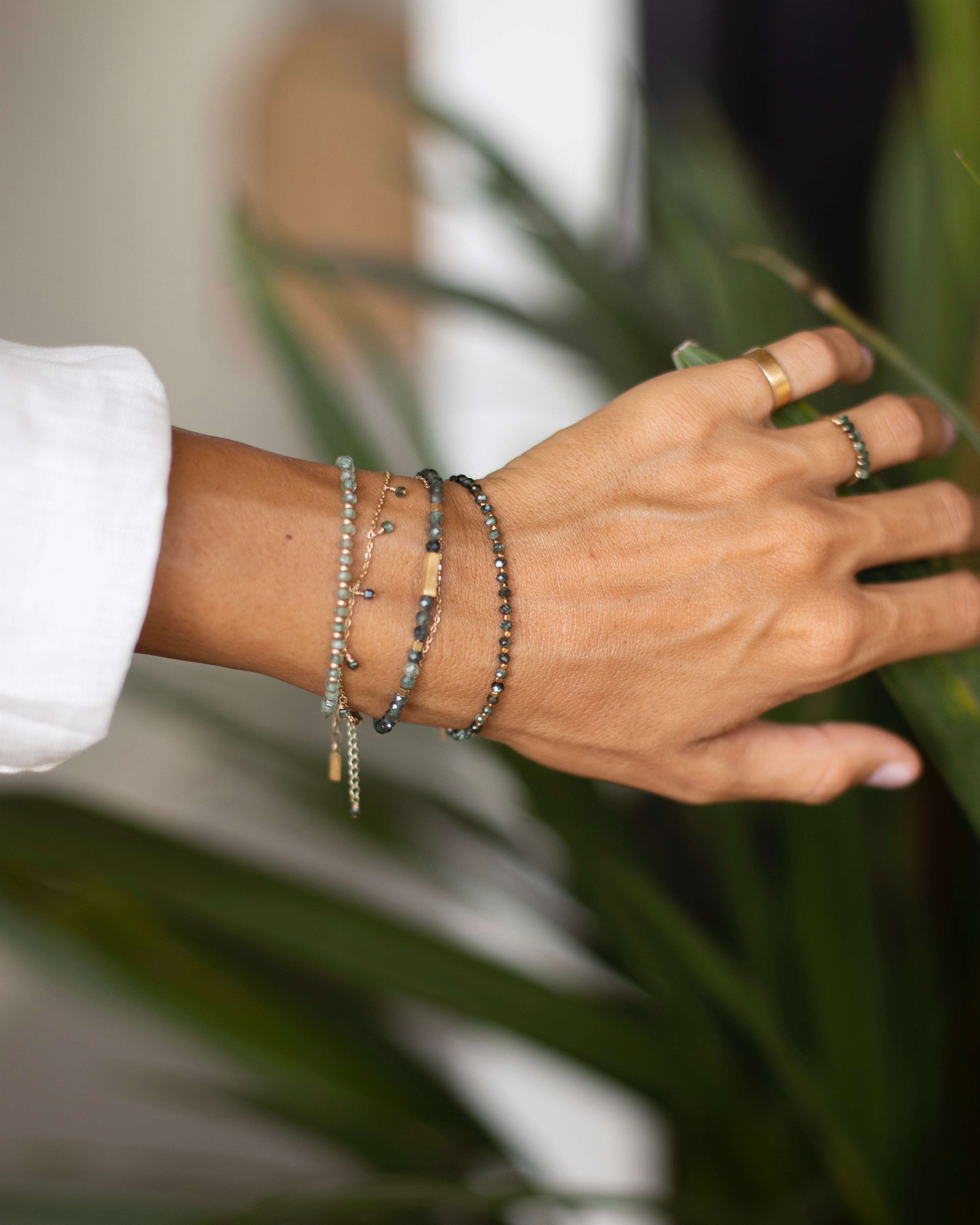



Seraphinite
Healing, Spiritual Elevation & Sacred Transformation
There is no other stone quite like seraphinite. Its deep forest green, shot through with silver feathery patterns that catch and release light as the stone moves, has an appearance so otherworldly that the people who first studied it reached immediately for celestial imagery. The name comes from the seraphim, the six-winged angels described in the Book of Isaiah as standing closest to the divine, singing perpetually of holiness. Looking at a fine seraphinite specimen, with its luminous silver plumage moving through dark green like wings in motion, the association does not feel like a stretch.
It is a stone that has attracted serious attention from healers, collectors, and jewelers alike, precisely because what it offers visually and energetically is genuinely singular. There is nothing else in the mineral kingdom that replicates it.
Rarity and Formation
Seraphinite is a trade name for a particular variety of clinochlore, a magnesium iron phyllosilicate mineral belonging to the chlorite group. The distinctive silver chatoyant patterns are caused by mica inclusions within the chlorite matrix, specifically muscovite or phlogopite mica fibers, which reflect light in the silky, feather-like way that gives the stone its signature appearance.
The world's only significant known source of gem-quality seraphinite is the Lake Baikal region of Siberia, Russia, specifically the Korshunovskoye iron ore deposit in the Irkutsk Oblast. Lake Baikal, the world's deepest freshwater lake, is one of the most geologically extraordinary environments on Earth, and the minerals produced in its surrounding geology reflect that uniqueness. The deposit that produces seraphinite is finite, and as accessibility and extraction conditions have become more challenging, genuinely fine material has become increasingly rare.
The finest seraphinite shows a deep, rich green with bright, clearly defined silver feathering throughout the stone. Lower-quality material tends toward a lighter green with less defined patterning. Because the stone is relatively soft (hardness 2 to 3 on the Mohs scale), it requires careful handling and is typically cut into cabochons or beads rather than faceted gems. This limits its application in jewelry but also gives it a distinctive, organic quality when set thoughtfully.
Energy and Intention
Seraphinite is considered by many in crystal healing traditions to be among the most powerful stones for spiritual healing and elevation. Its connection to the seraphim, the highest order of angels in certain theological traditions, reflects a belief in its capacity to bridge the earthly and the divine: to help the wearer access higher states of awareness while remaining grounded in the body.
It is strongly associated with the heart chakra and the crown chakra simultaneously, a combination that links personal love with universal compassion, and individual experience with the larger spiritual current of which each life is a part. This dual alignment makes it particularly valued for meditation and for any practice that seeks to integrate spiritual awareness with embodied, emotional life.
Seraphinite is considered a stone of profound healing, working not just at the surface of experience but at the level of cellular and energetic patterning. In this context, it is associated with the release of old programming, the deep-seated beliefs, behaviors, and emotional patterns inherited from family systems or formed through early experience that no longer serve the person's growth. The healing it supports is described as fundamental rather than superficial: the kind of change that shifts something at the root.
It is also associated with clarity about life purpose. Many who work with seraphinite describe a quality of seeing more clearly where they are being called and what stands in the way, a combination of honest assessment and gentle encouragement toward one's highest potential.
The silver feathering within the stone is associated in some traditions with the feathers of wings, symbolizing spiritual protection, divine guidance, and the ability to rise above limiting circumstances. Wearing seraphinite is sometimes described as a way of inviting spiritual support and angelic presence into one's daily experience.
How to Wear It
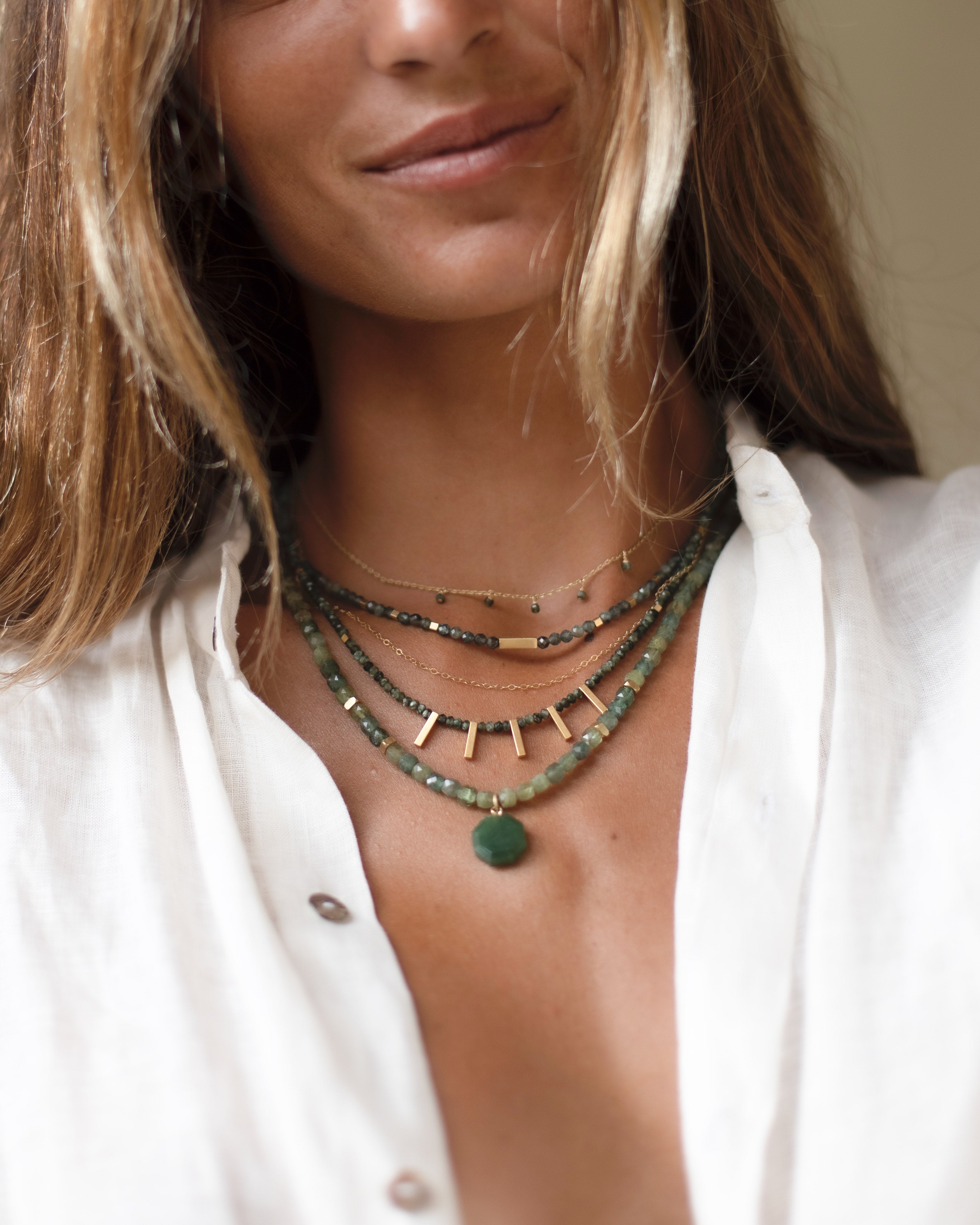
Because of its softness, seraphinite is best set in designs that protect the stone from impact, such as bezel settings or pieces where the stone sits flush with the metal. It works beautifully in both sterling silver and yellow gold, each bringing out a different quality of the green: silver makes the stone feel more luminous and ethereal, while gold gives it a warmer, earthier depth.
It pairs meaningfully with other high-frequency stones: moldavite, phenacite, or danburite for those drawn to deep spiritual work; labradorite or iolite for a more accessible combination of intuition and elevation. As a solo piece, a seraphinite pendant worn close to the heart is quietly extraordinary. It is not a stone that shouts. It speaks to those who are already listening.