





How to Make Your Gold Plated Jewelry Last for Years (5 Simple Rules)
The most common reason gold plated jewelry looks worn too soon is not the quality of the piece. It is the habits around it.
A well-made gold plated piece, one with quality plating, a good base metal, and a thoughtfully set stone, can stay beautiful for years. But it requires a little intention. The same kind of intention, frankly, that makes wearing beautiful things more meaningful in the first place.
Here are five rules we follow, and share with every Opaze customer.
Rule 1: Last On, First Off
Put your jewelry on after everything else, after perfume, hairspray, sunscreen, lotion, dry shampoo. The chemicals in these products are the single fastest accelerators of gold plating wear. They do not cause visible damage immediately, but they degrade the surface layer over time, and the cumulative effect compounds.
Conversely, take your jewelry off first. Before washing your hands, before you get in the shower, before you work out. The order matters.
This one habit alone extends the life of a piece significantly. It also creates a small ritual around wearing beautiful things: putting them on with care at the start of the day, and releasing them with care at the end. That is not nothing.
Rule 2: Water Is Not Your Friend (Most of the Time)
Brief exposure to water will not destroy a quality gold plated piece. But prolonged exposure, swimming, showering, soaking, is another matter. Chlorine is particularly harsh on gold plating and can cause rapid deterioration of the surface layer. Salt water is similarly damaging.
The practice: take your jewelry off before swimming, hot tubs, and showers. If you forget and wear a piece in the pool once, dry it immediately and thoroughly with a soft cloth.
Sweat is also worth mentioning. If you work out regularly, remove your pieces before exercise. The salt in sweat accelerates oxidation, especially if you have naturally acidic skin.
Rule 3: Store With Intention
Tossing your jewelry into a dish on the bathroom counter, exposed to steam, humidity, and open air, is one of the most common ways beautiful pieces degrade without anyone understanding why.
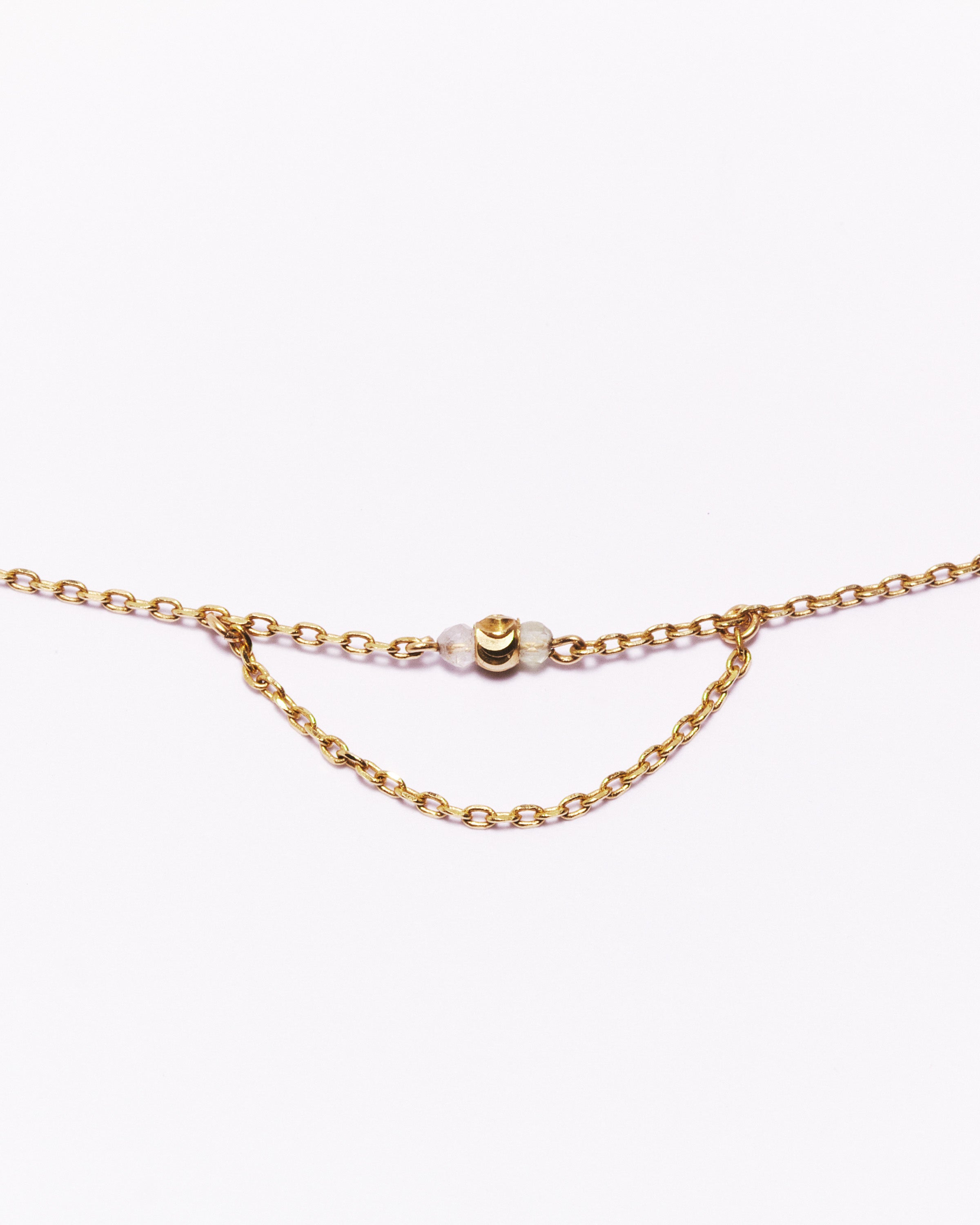
Gold plated jewelry should be stored individually, ideally in a soft pouch or a lined jewelry box where pieces are not touching each other. Contact between pieces causes micro-scratches that dull the surface and can chip the plating.
Airtight storage further slows oxidation. Some people include a small silica packet in their jewelry box to absorb moisture. This is particularly valuable if you live somewhere humid.
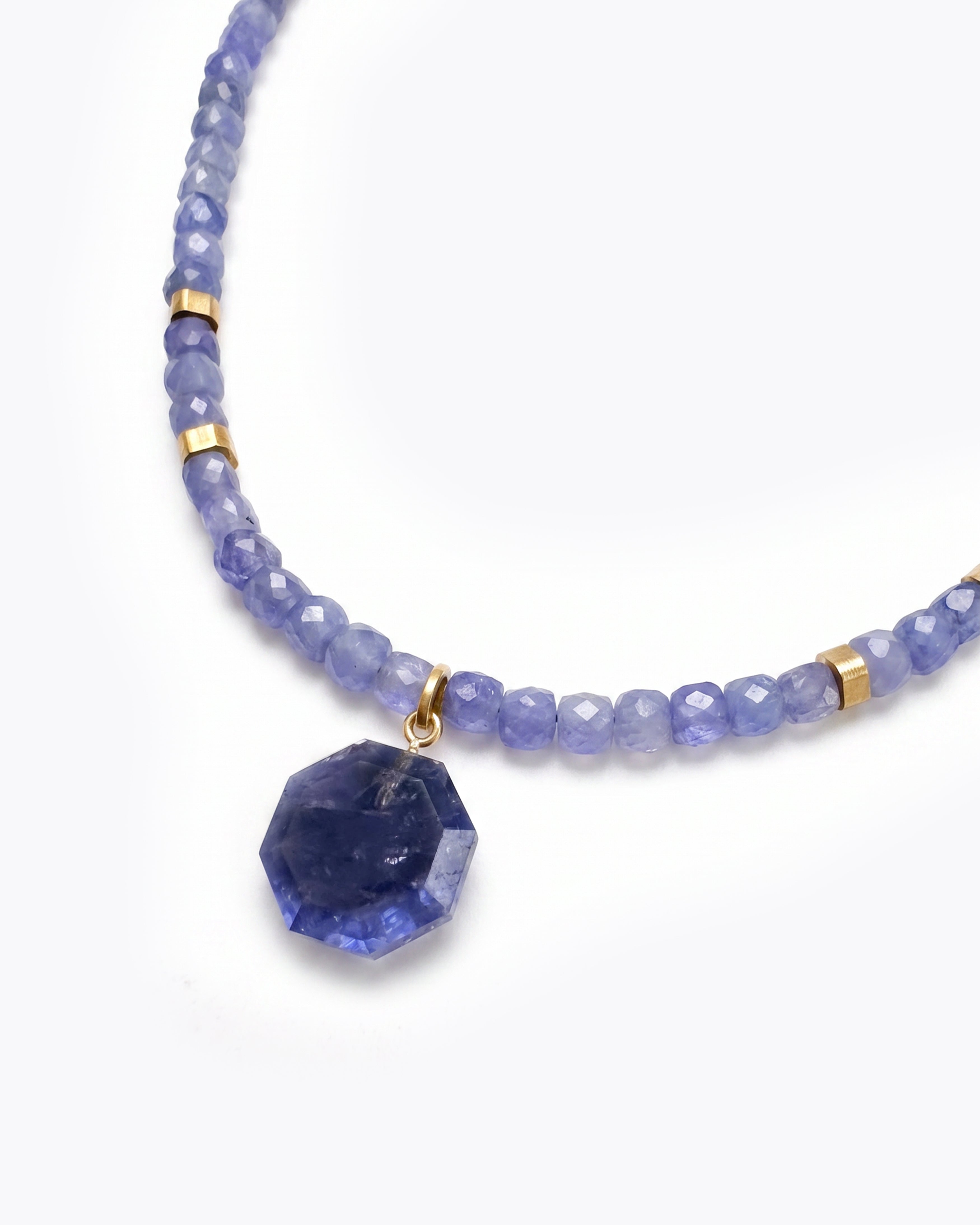
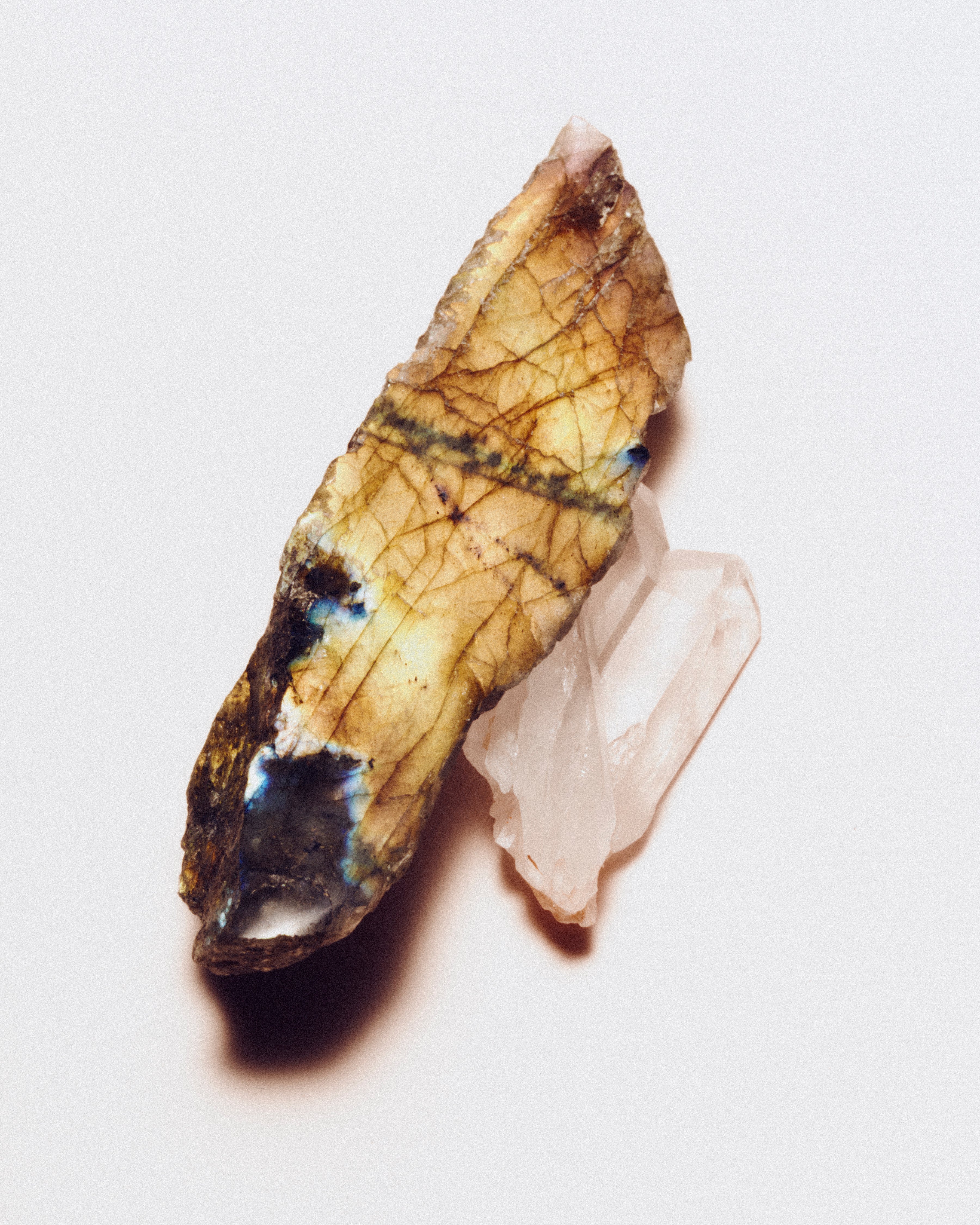
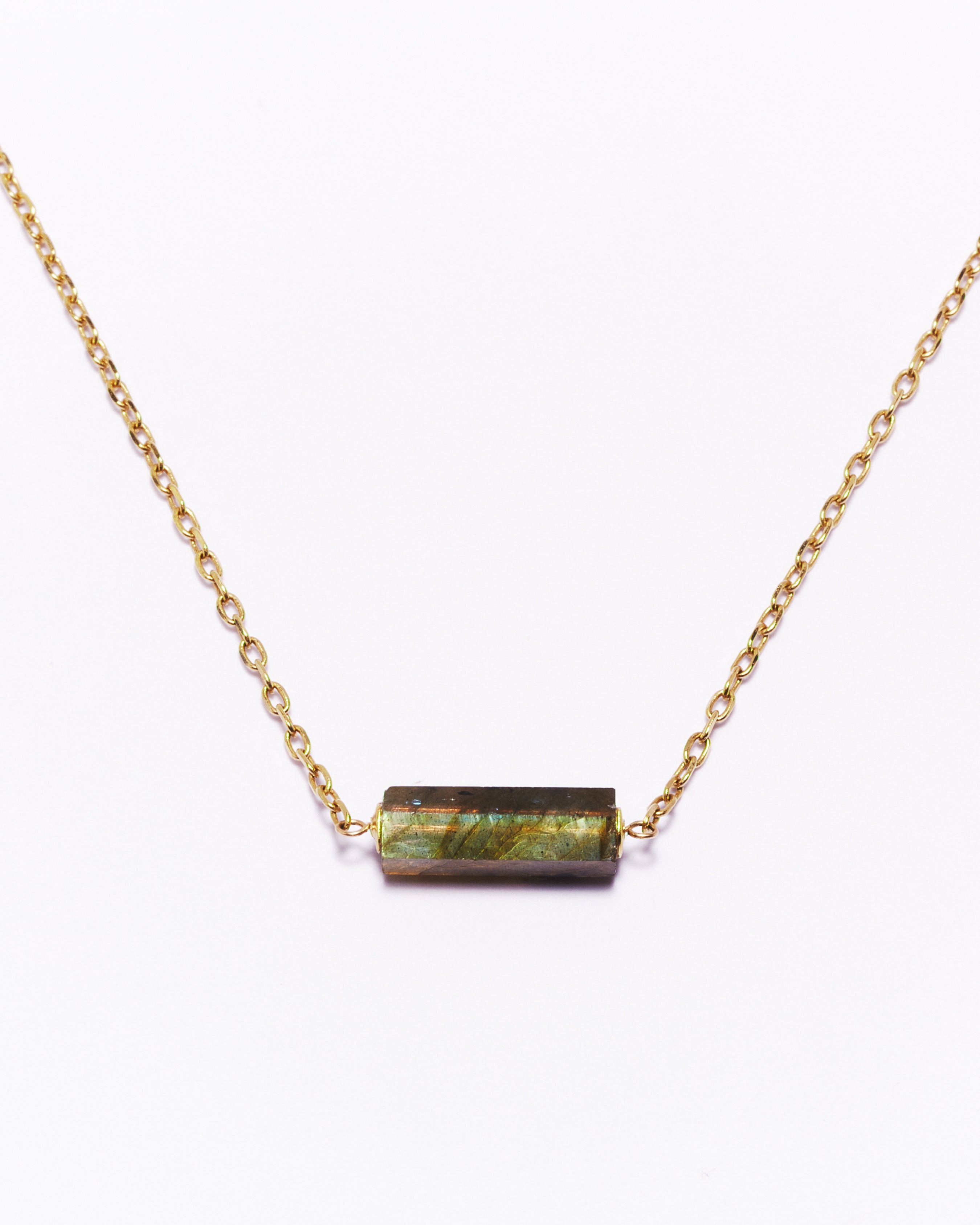
Beyond the practical, there is something worth considering about how you relate to your pieces. Stones like moonstone and labradorite are said to respond to the energy around them. A small ritual of placing them thoughtfully, with care rather than carelessness, is a way of honoring what they carry.
Rule 4: Clean Gently and Regularly
After wearing a piece, a quick, gentle wipe with a dry, soft cloth removes the oils, sweat, and trace chemicals that accumulate during the day. This takes ten seconds and makes a material difference over time.
When a deeper clean is needed, use a slightly damp cloth, not soaking wet, with no soap. Pat dry immediately. Never use abrasive cloths, harsh chemicals, or jewelry cleaning solutions unless they are specifically formulated for gold plated pieces.
Avoid ultrasonic cleaners entirely. They work by vibration, which can loosen stone settings and strip thin plating layers.
For natural gemstones, check the stone's care requirements individually. Some stones, including certain softer gems, should be kept away from water and chemicals altogether.
Rule 5: Know When to Rest a Piece
This is the one people resist. But rotating your collection rather than wearing the same piece every single day is both a care practice and an aesthetic one.
Any piece worn daily without rest will wear faster than one that rests between uses. More importantly, rotation means you actually experience everything you own rather than over-relying on two or three pieces while the rest sit unseen.
Build a small, intentional collection. Rotate with the season, the occasion, the stone that feels right this week. Let each piece rest and remain beautiful longer.
A Note on Re-Plating
Even with perfect care, gold plating has a natural life cycle. When a piece you love begins to show wear, re-plating is a genuinely good option. A local jeweler can refresh the gold layer for a fraction of the original cost, and the piece comes back looking new.
At Opaze, we design our settings with this in mind. The stones are set to be secure. The base metal is quality. The design is timeless. So when the gold layer needs renewing, what you are renewing is a beautiful thing, not replacing it.
How often should I clean my gold plated jewelry?
A quick wipe with a dry soft cloth after each wear is ideal. A gentle damp cloth clean every few weeks keeps pieces looking their best.
Can I use jewelry cleaner on gold plated pieces?
Only if the cleaner is specifically formulated for gold plated jewelry. Avoid harsh chemicals, alcohol-based solutions, and anything abrasive.
How do I store gold plated jewelry properly?
Store each piece separately in a soft pouch or lined box, away from humidity and direct sunlight. Avoid bathroom counters where steam and moisture accumulate.
Can gold plated jewelry be re-plated?
Yes. A local jeweler can re-plate gold plated pieces, restoring the surface layer and extending the piece's life significantly.