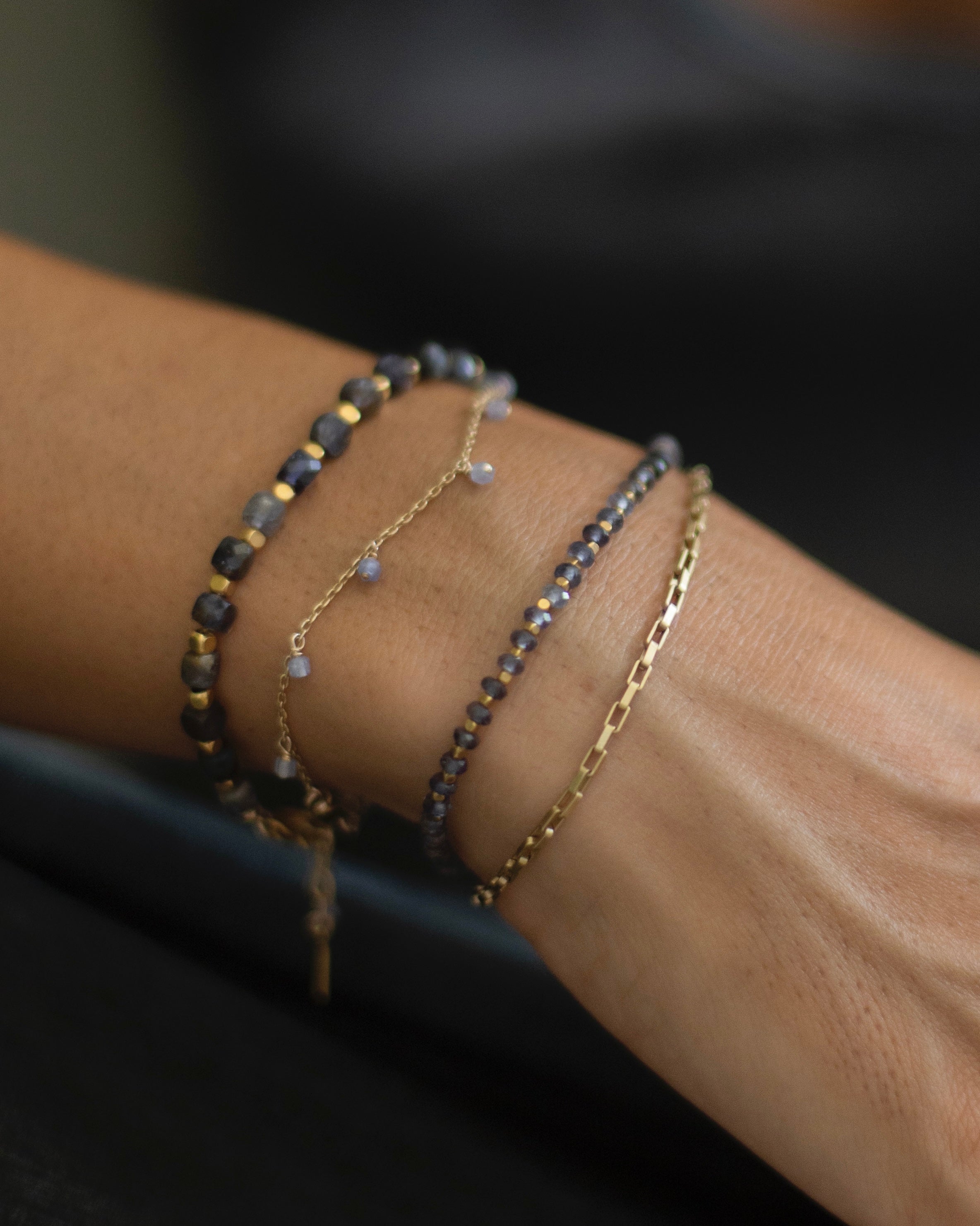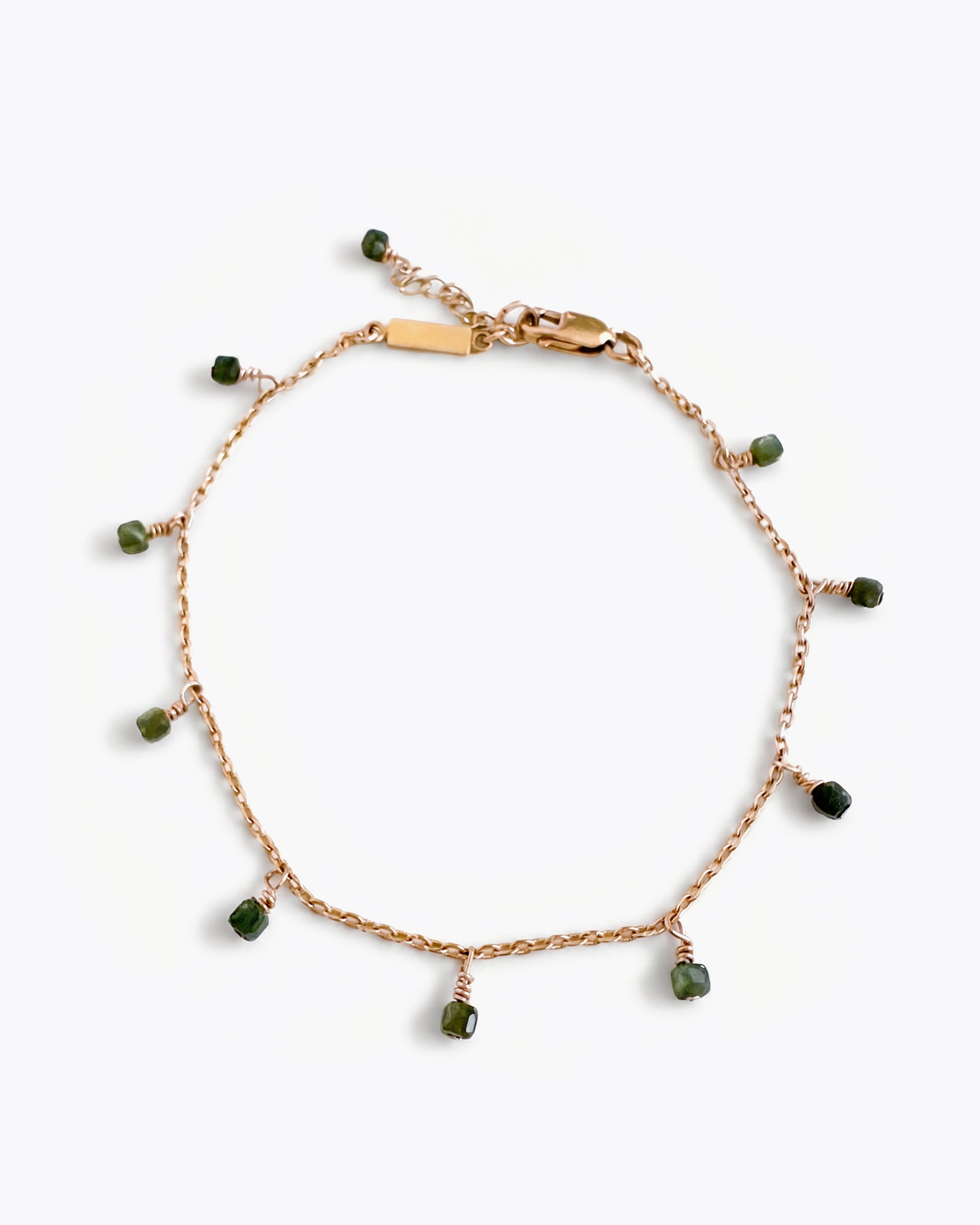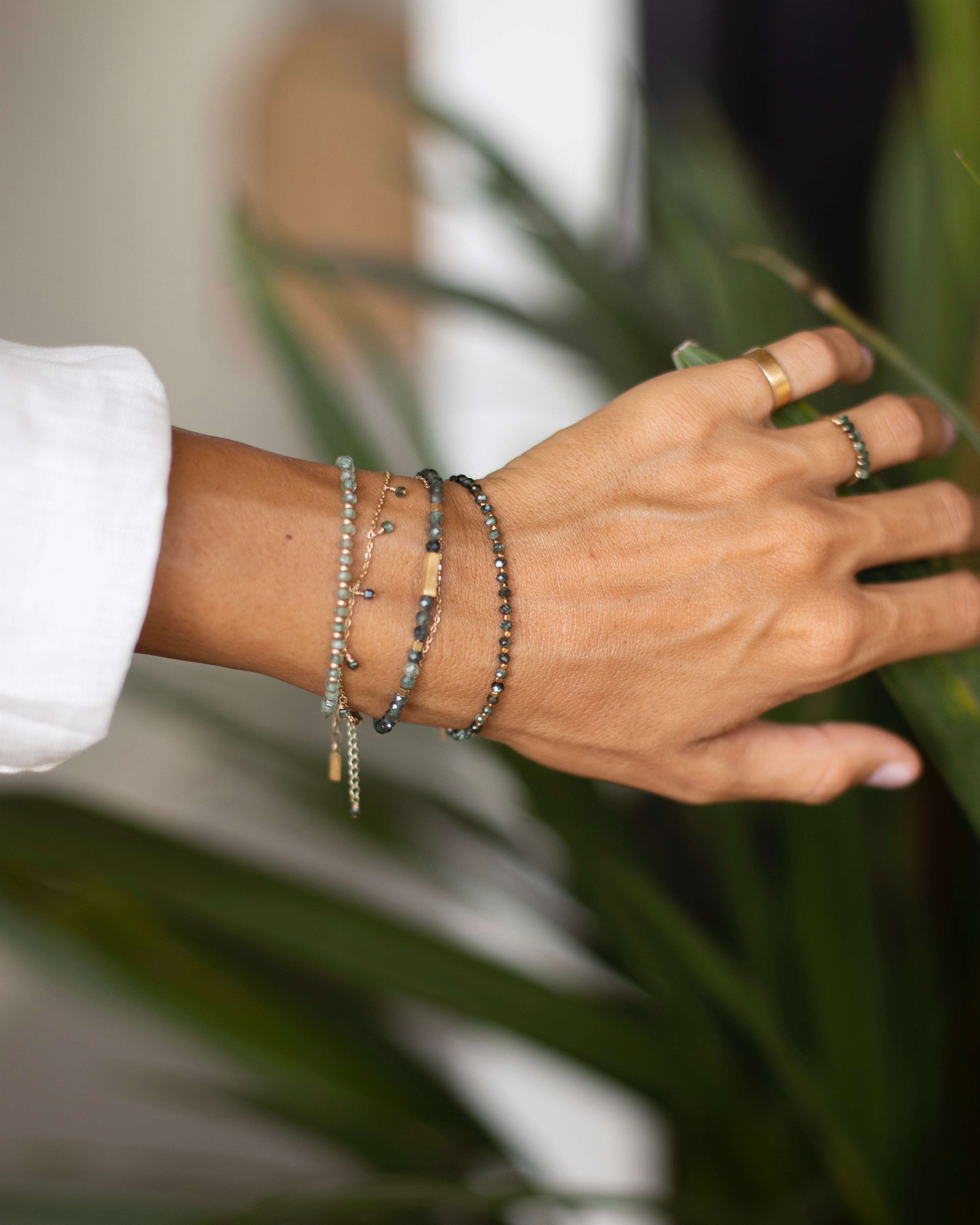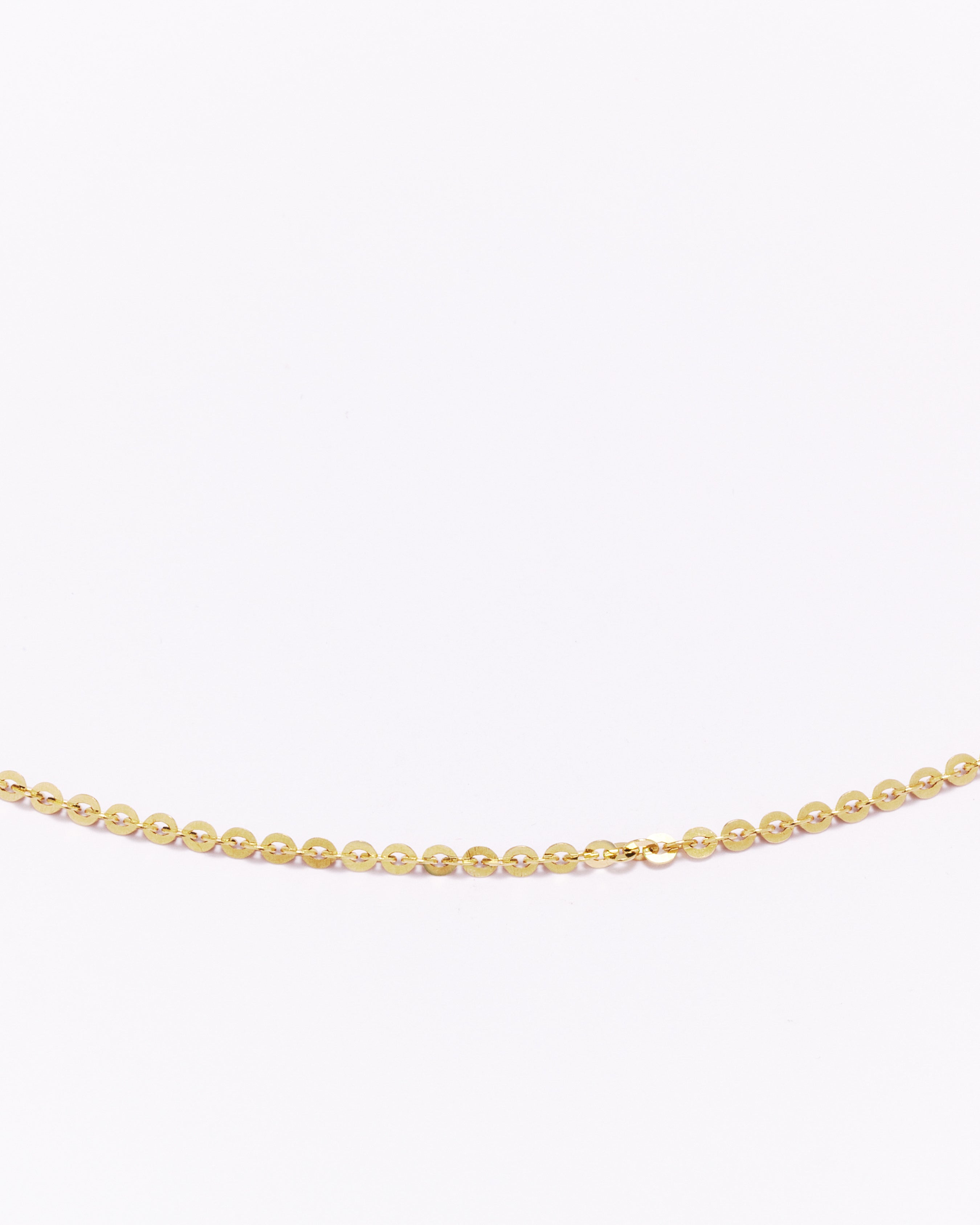




Gold Plated Jewelry: Does It Tarnish, Last, or Turn Green? (The Honest Answer)
If you've ever hesitated before buying a piece of gold plated jewelry — wondering whether it will oxidize, chip, or slowly turn your skin green — this is the post you needed to find.
We're going to answer this honestly. Because at Opaze, we believe that an informed customer is a happy one. And the truth about gold plated jewelry is more nuanced, and more encouraging, than most brands will admit.
What Is Gold Plated Jewelry, Exactly?
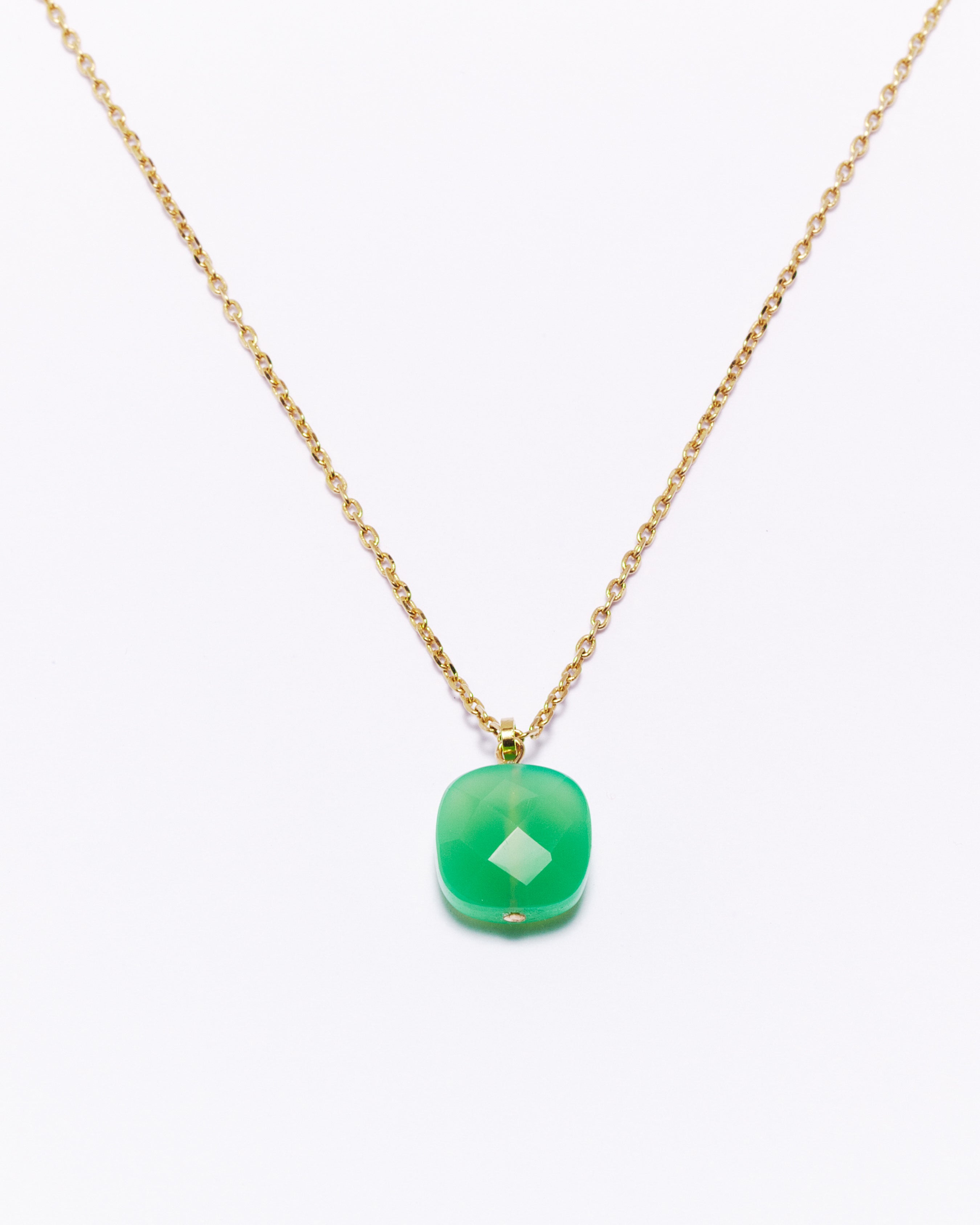
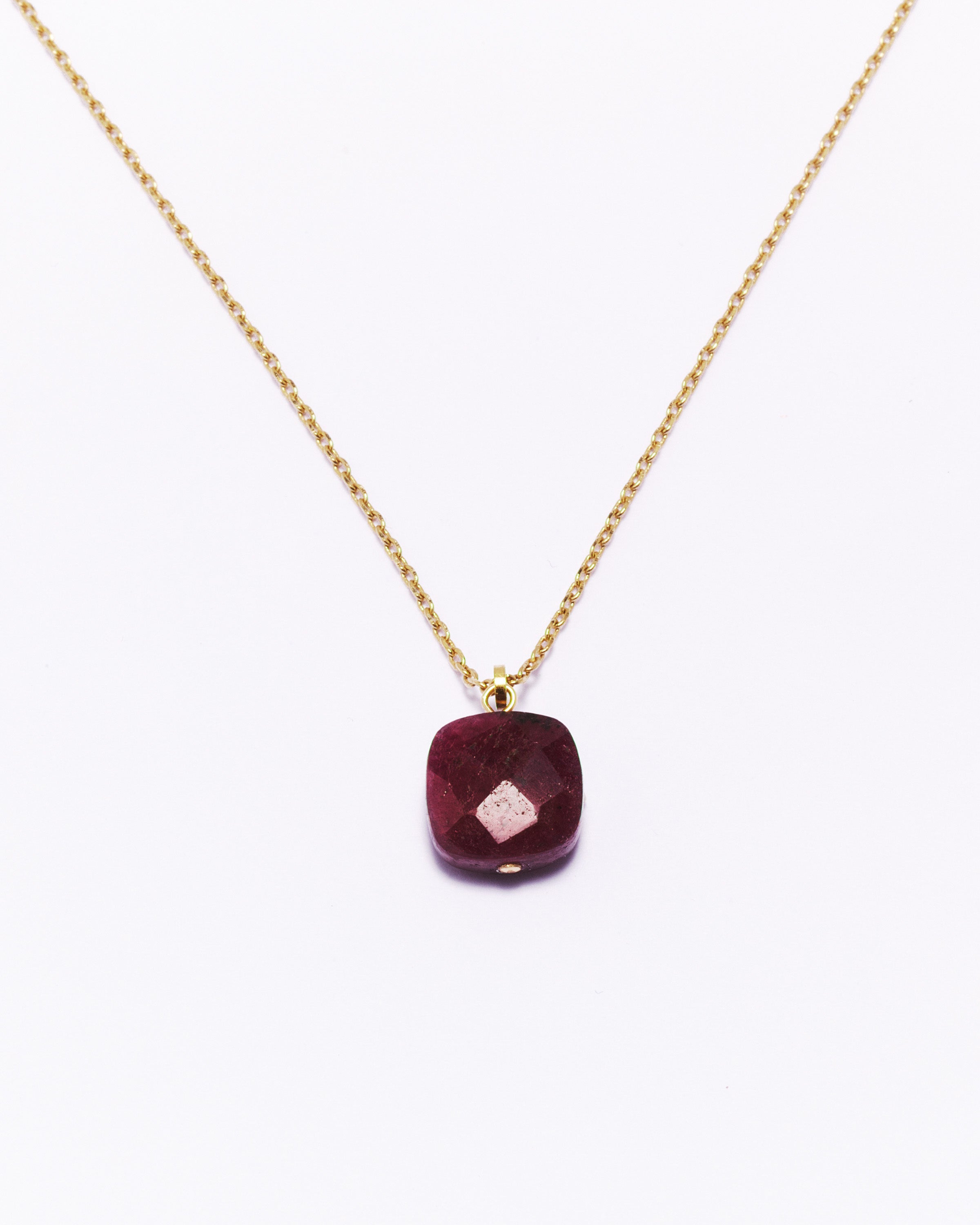
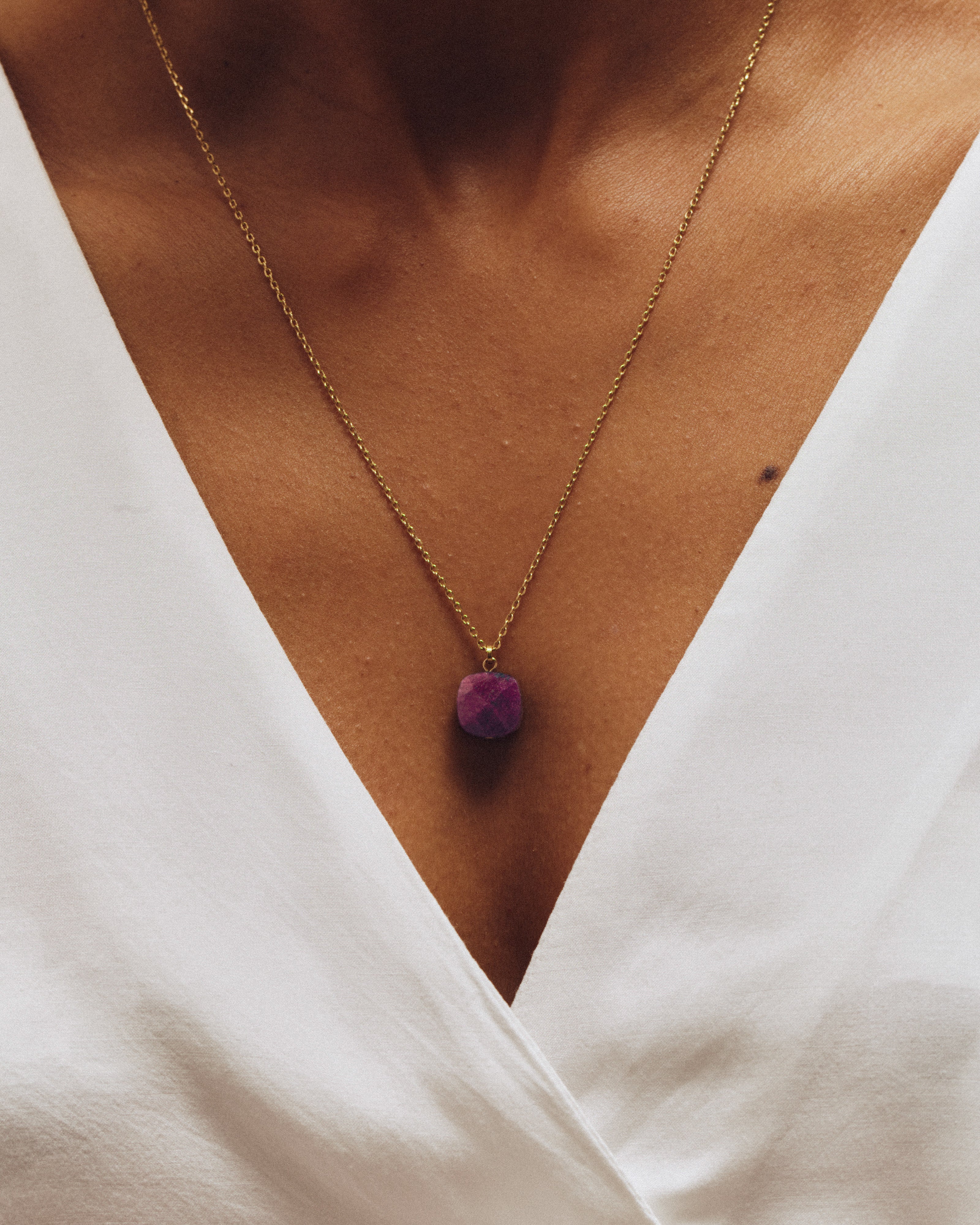
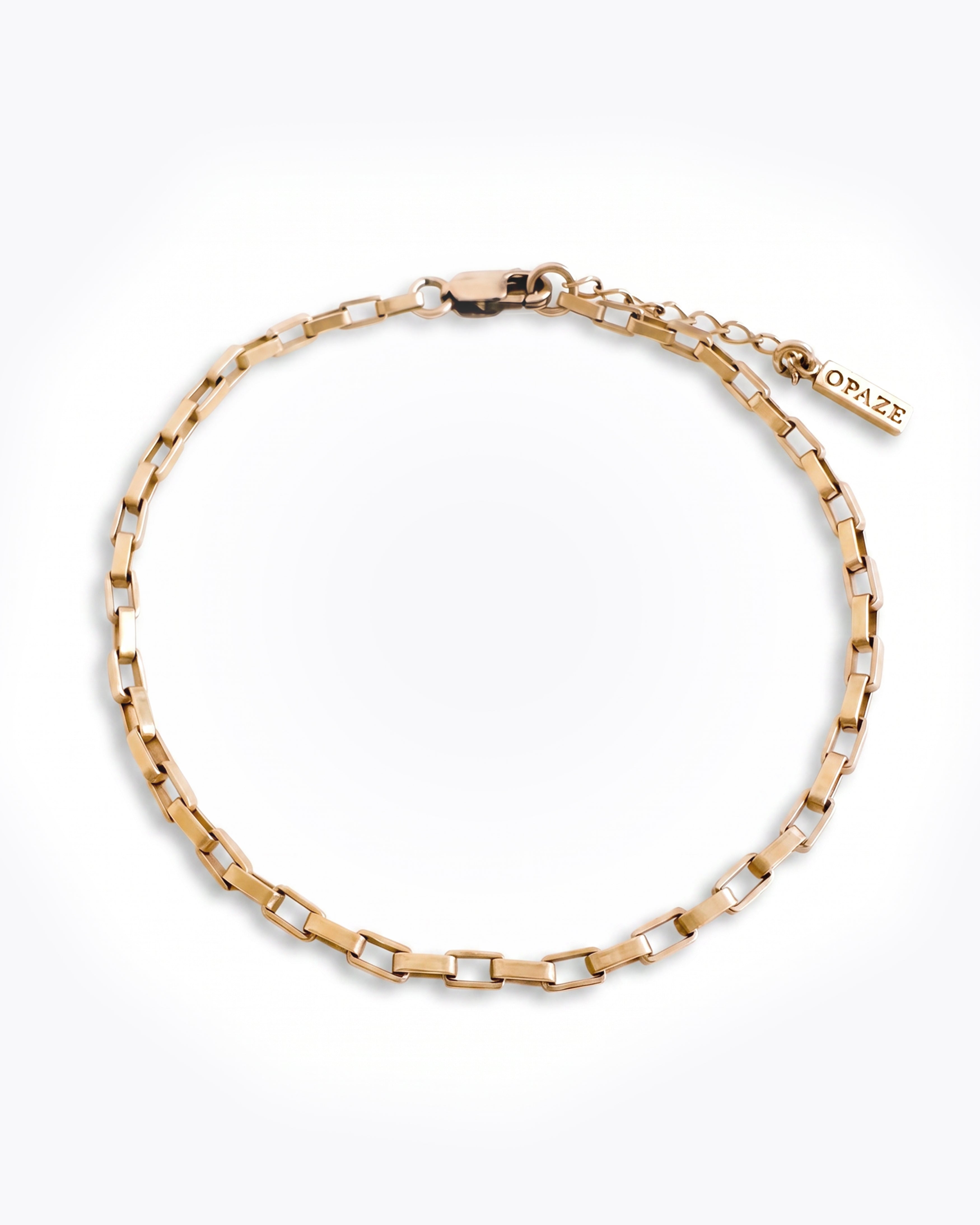
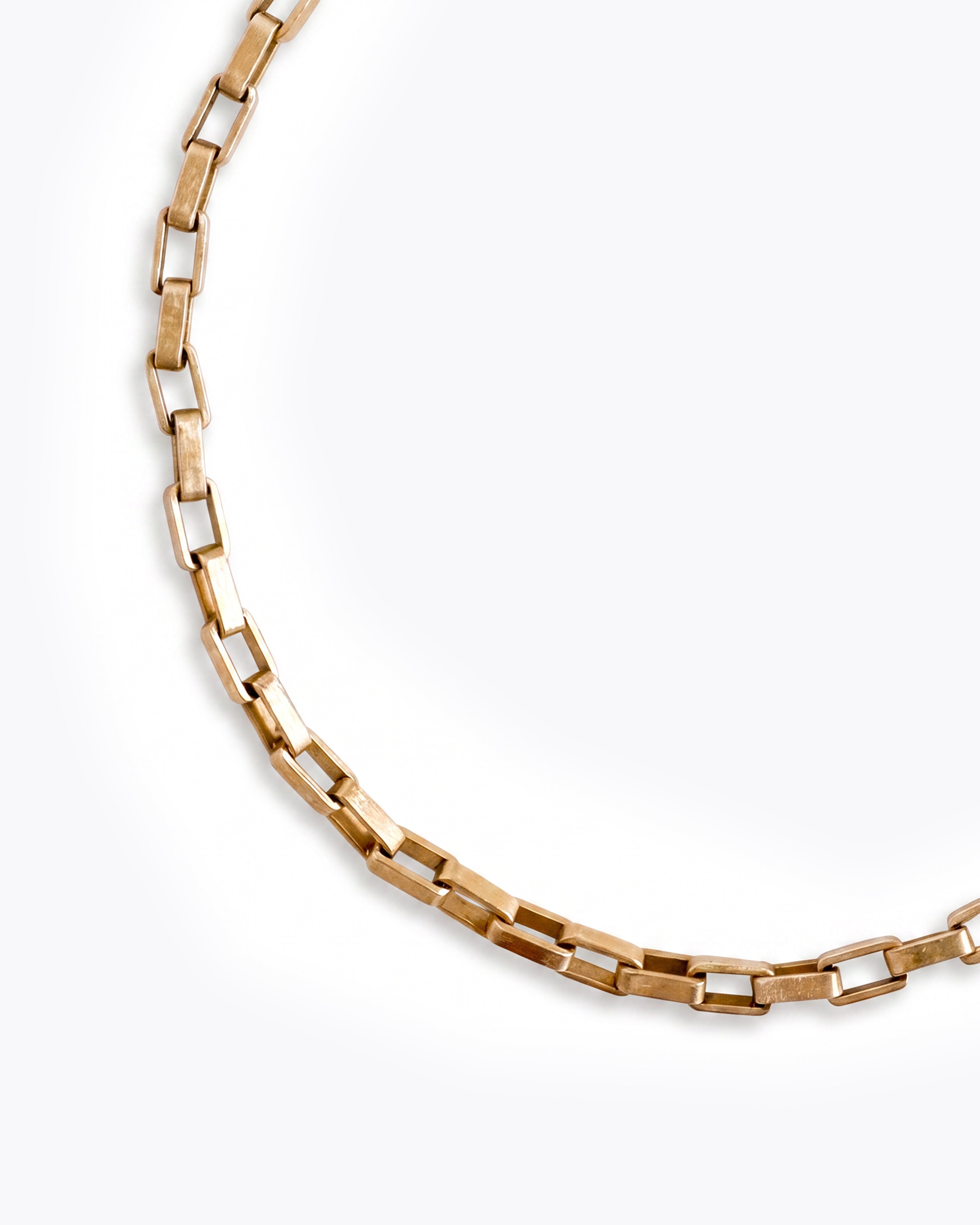
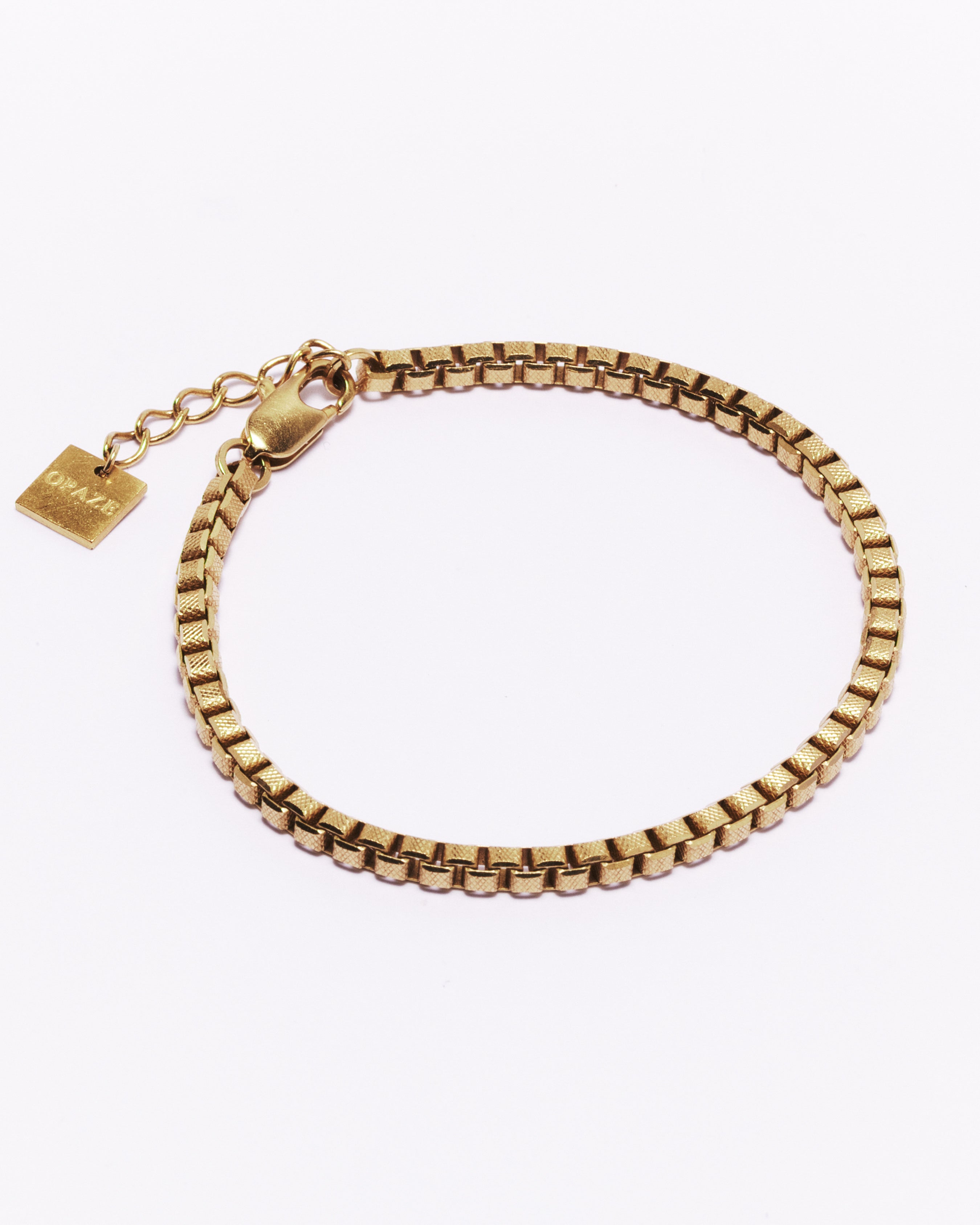
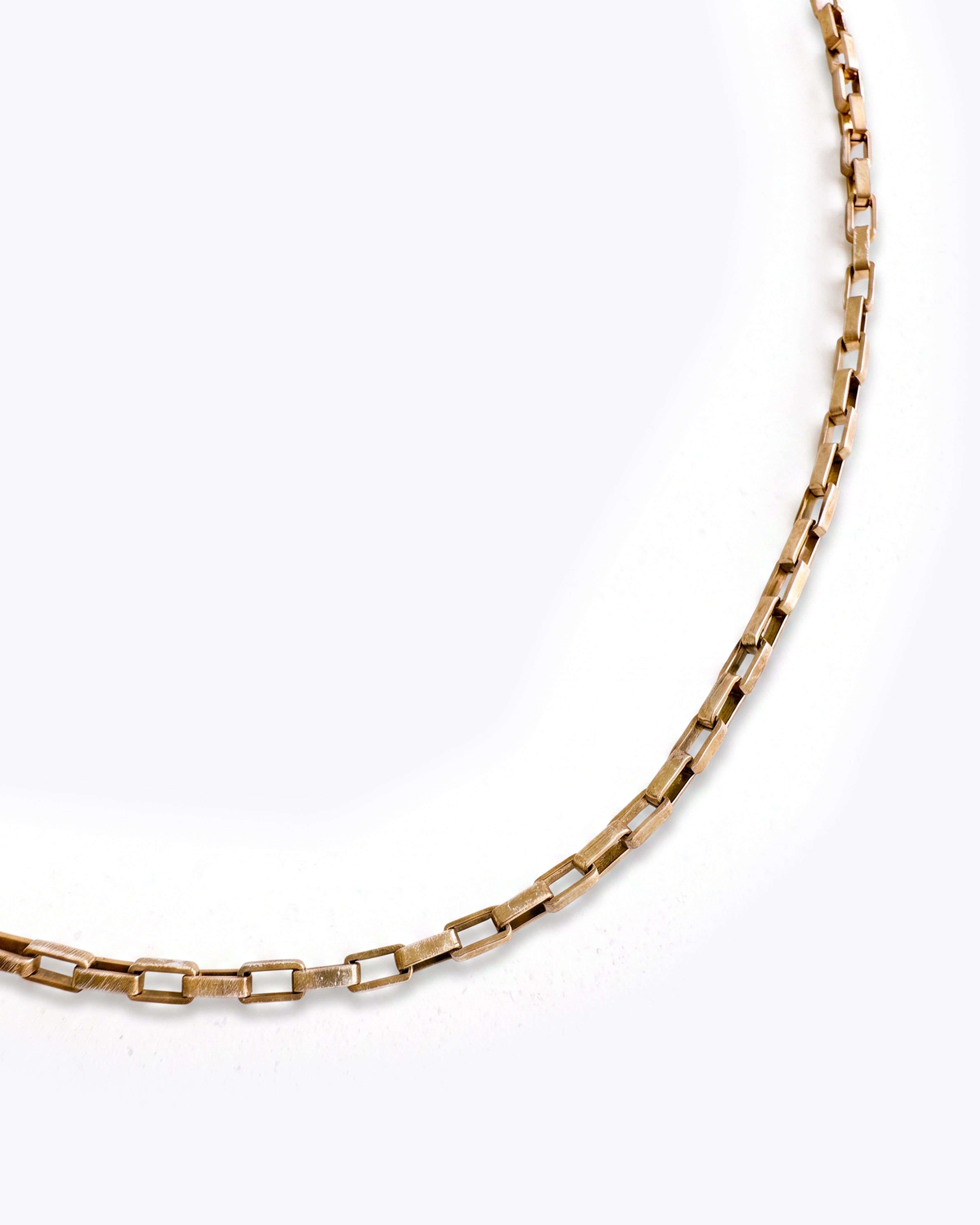
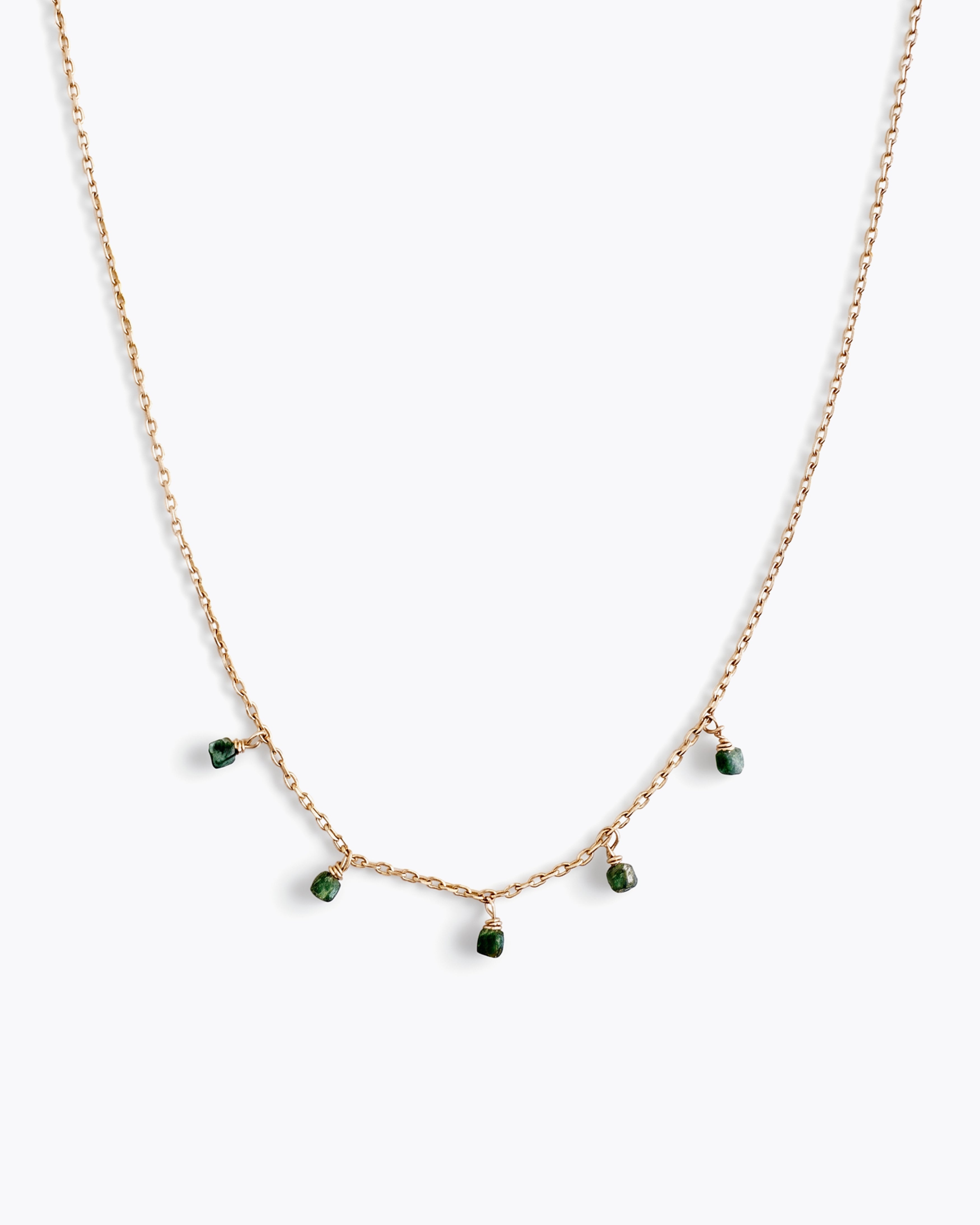
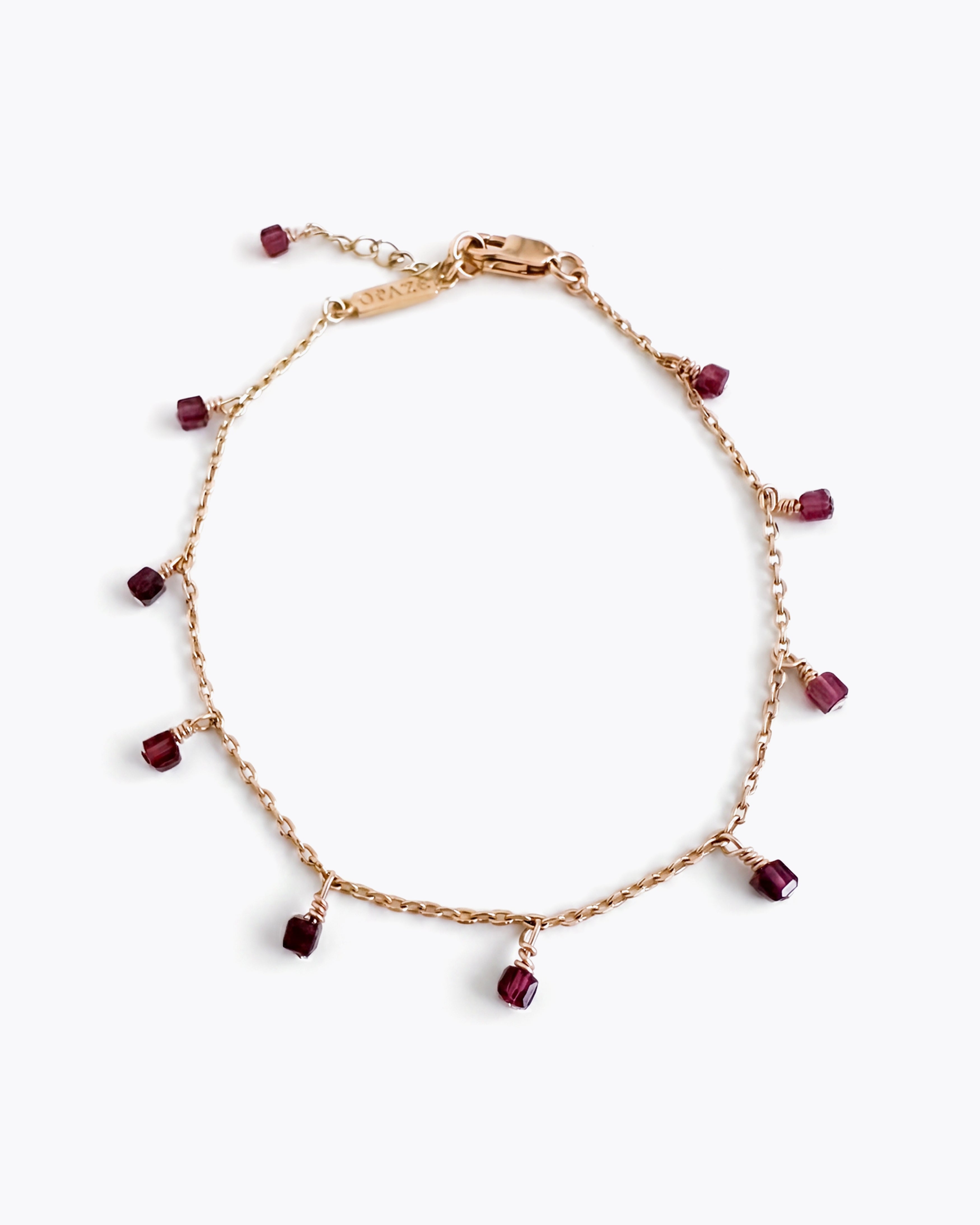
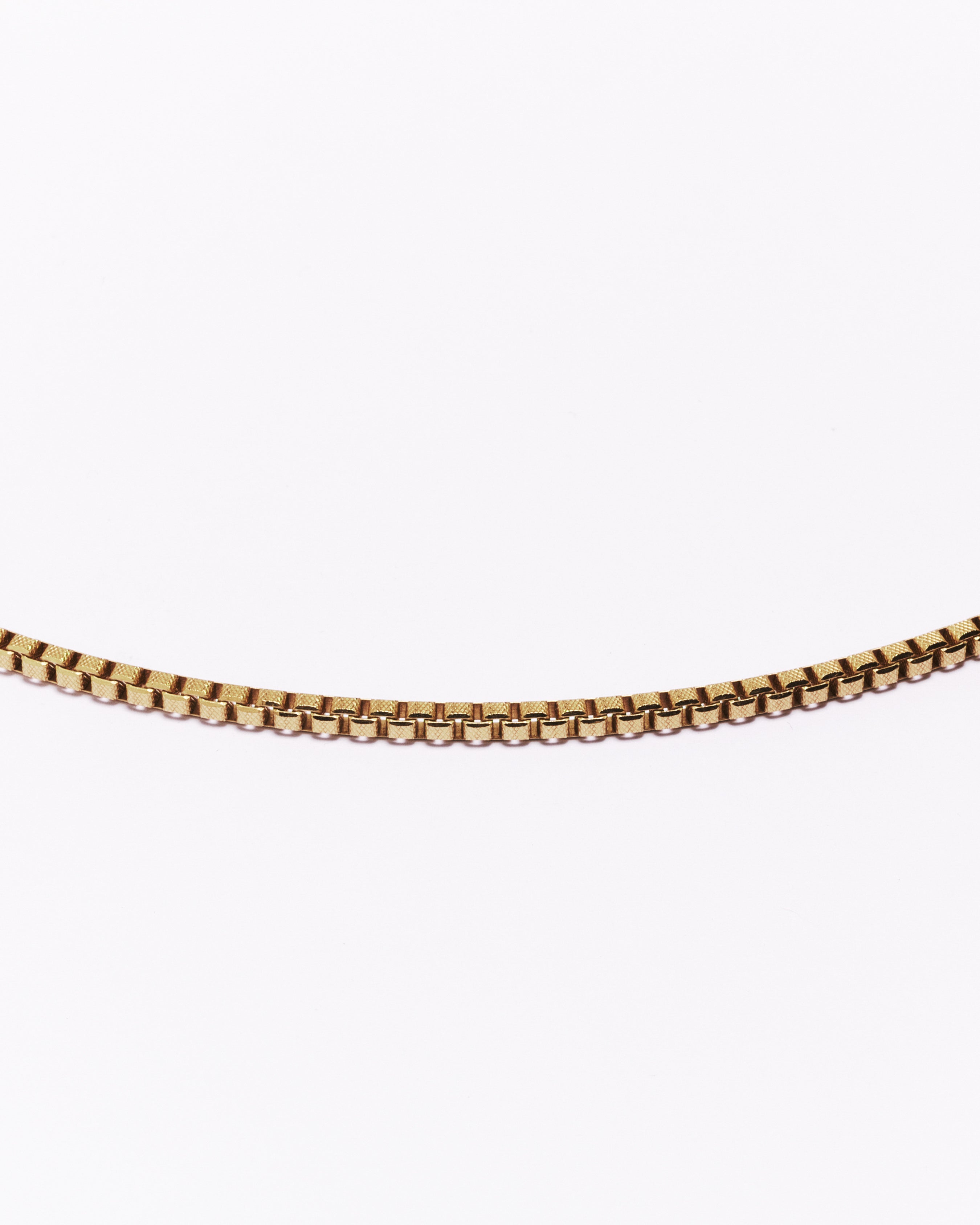
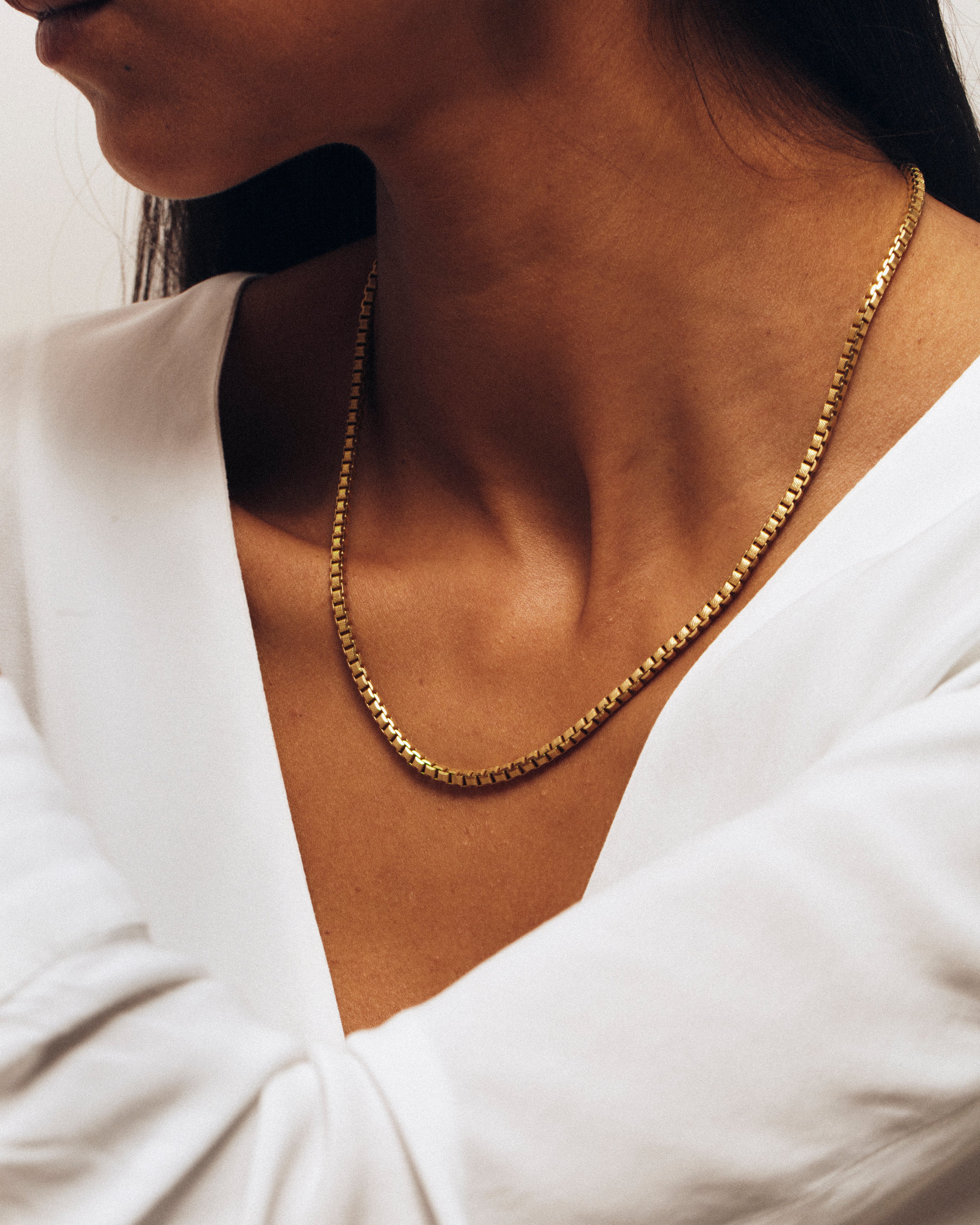
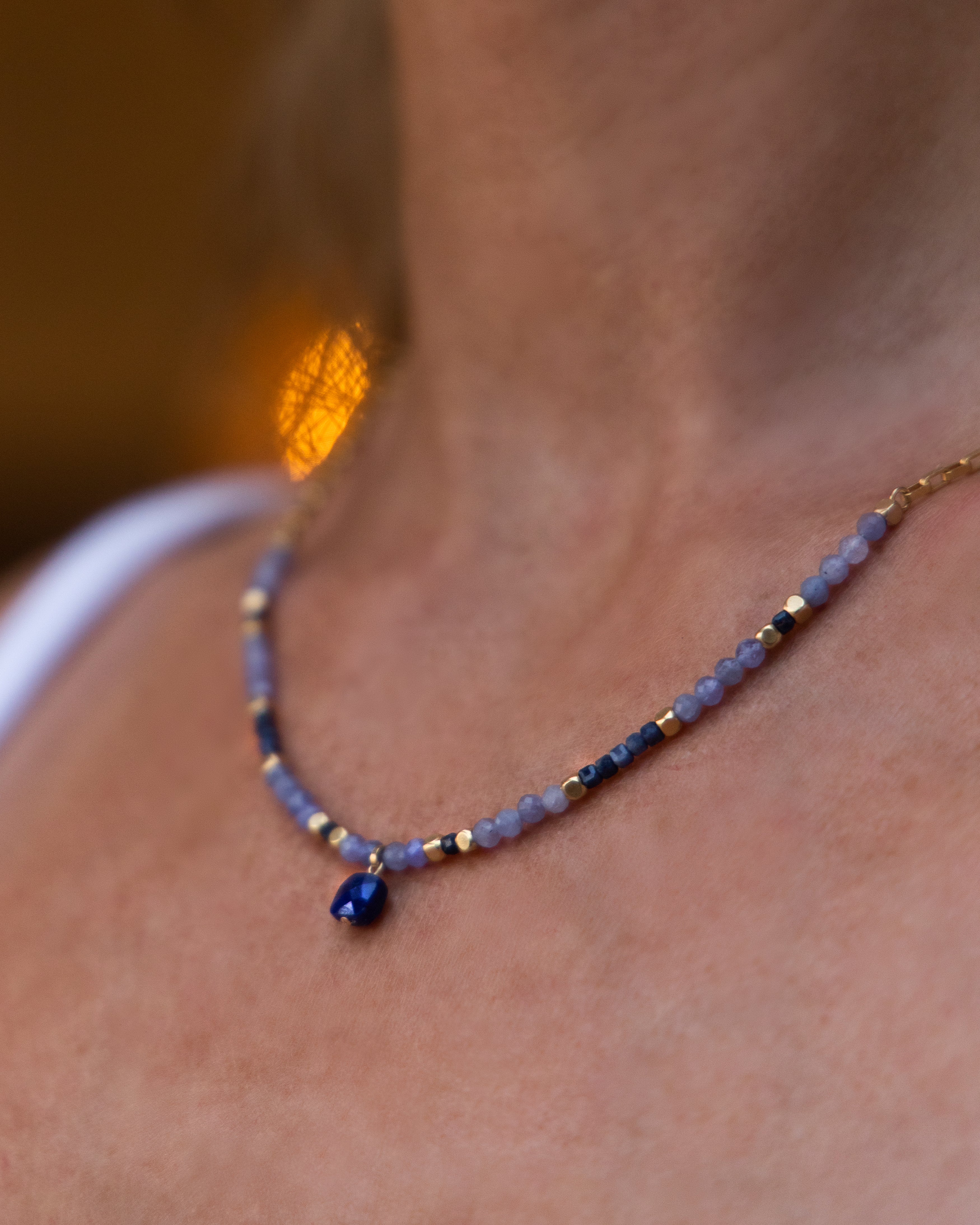
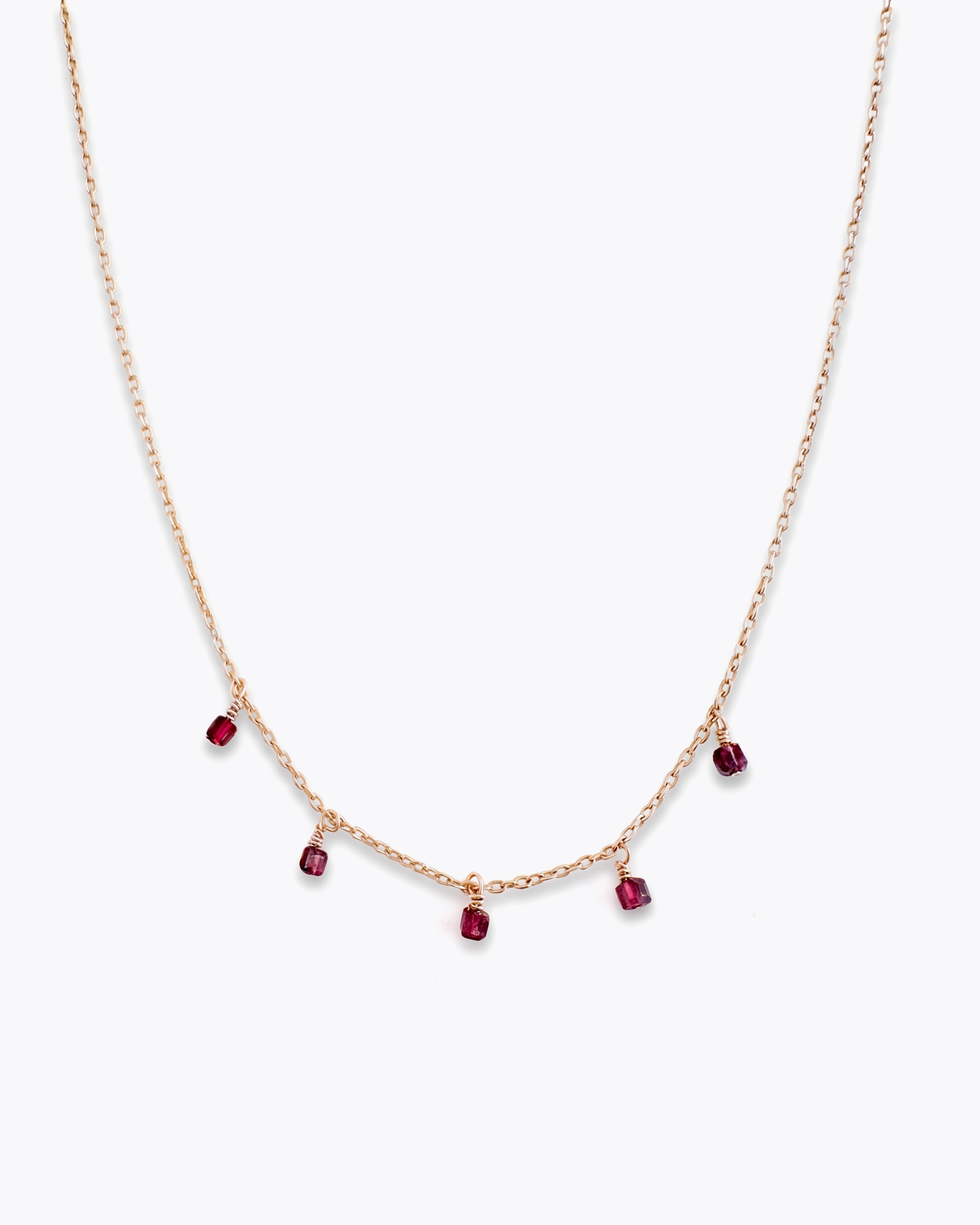
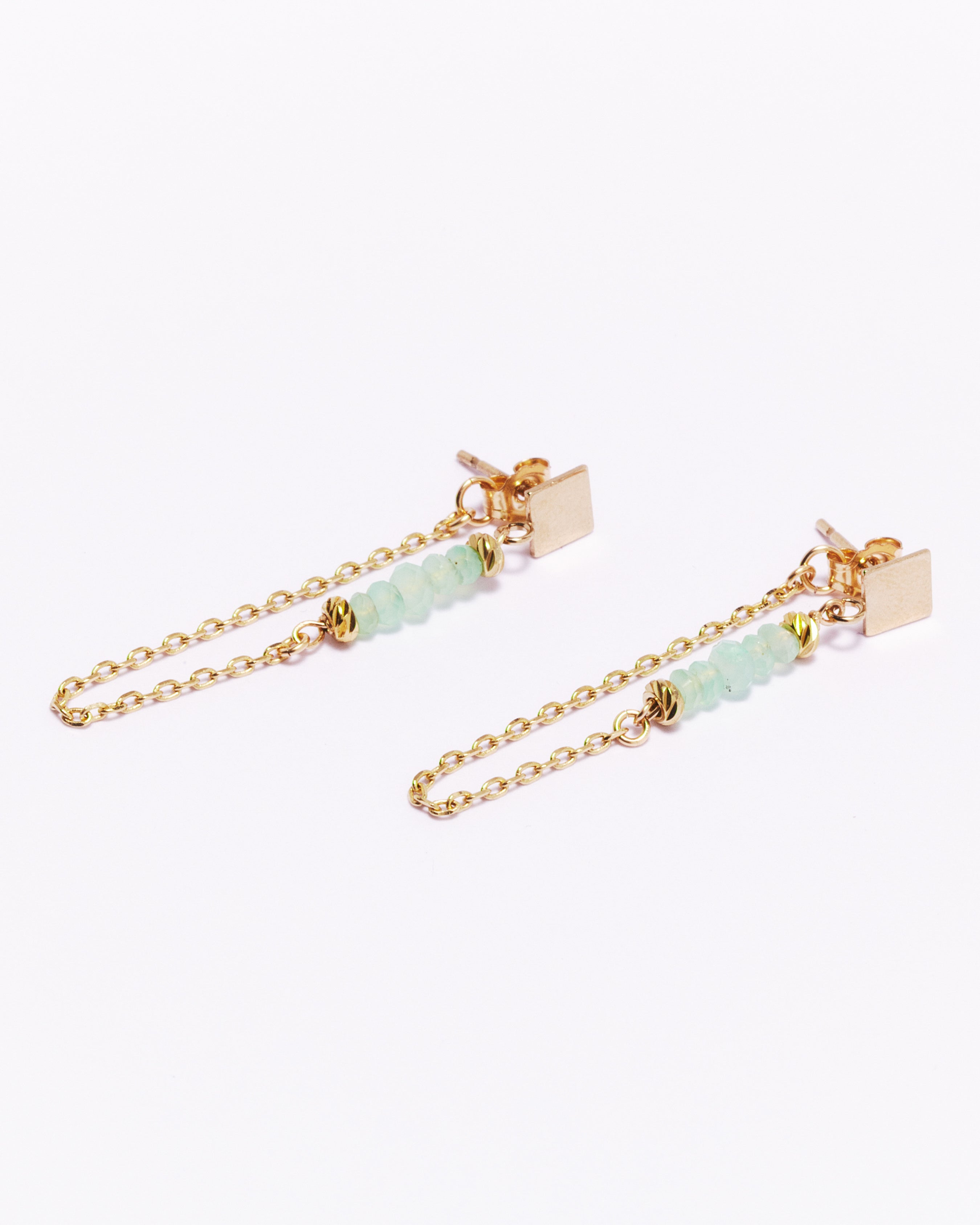
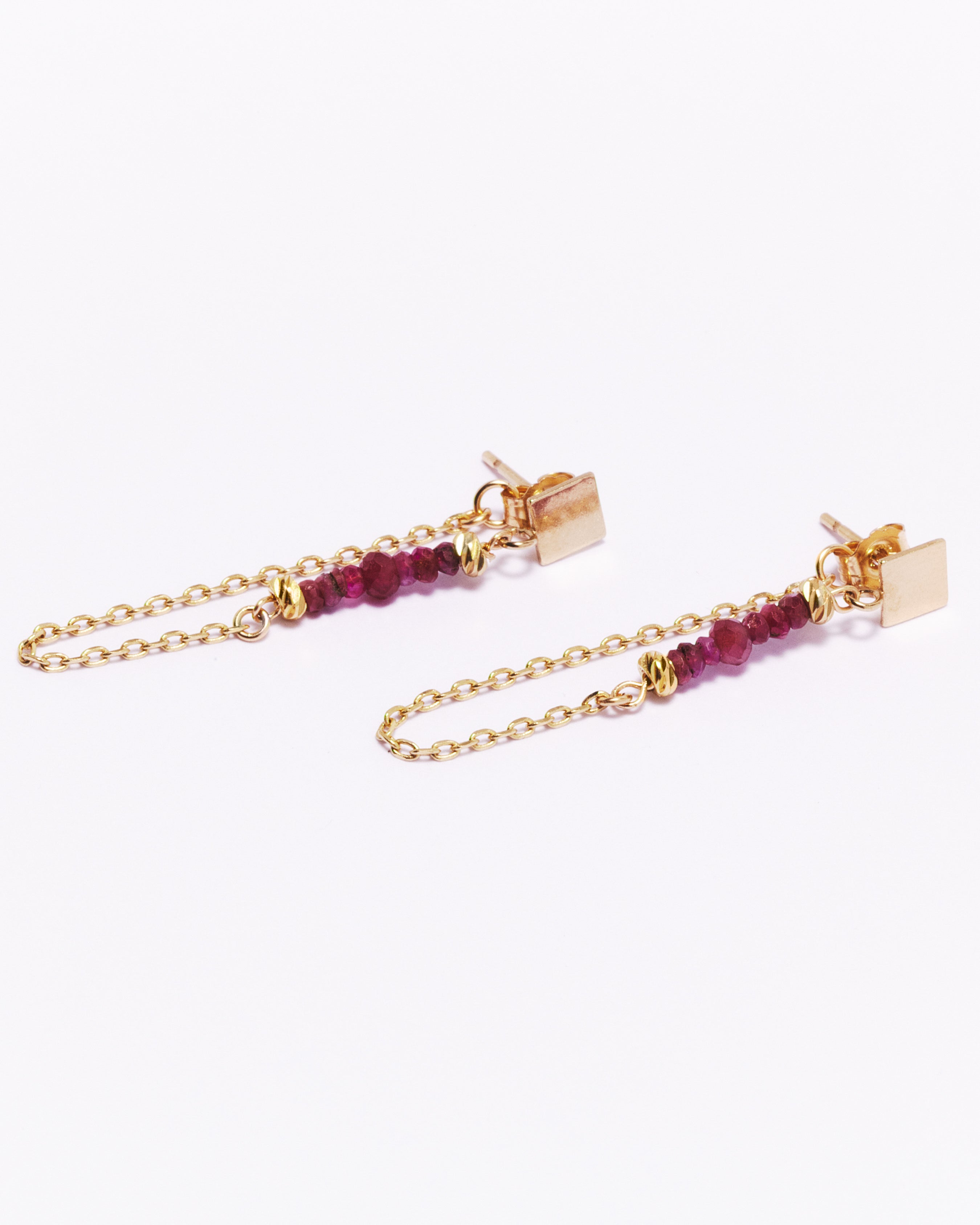
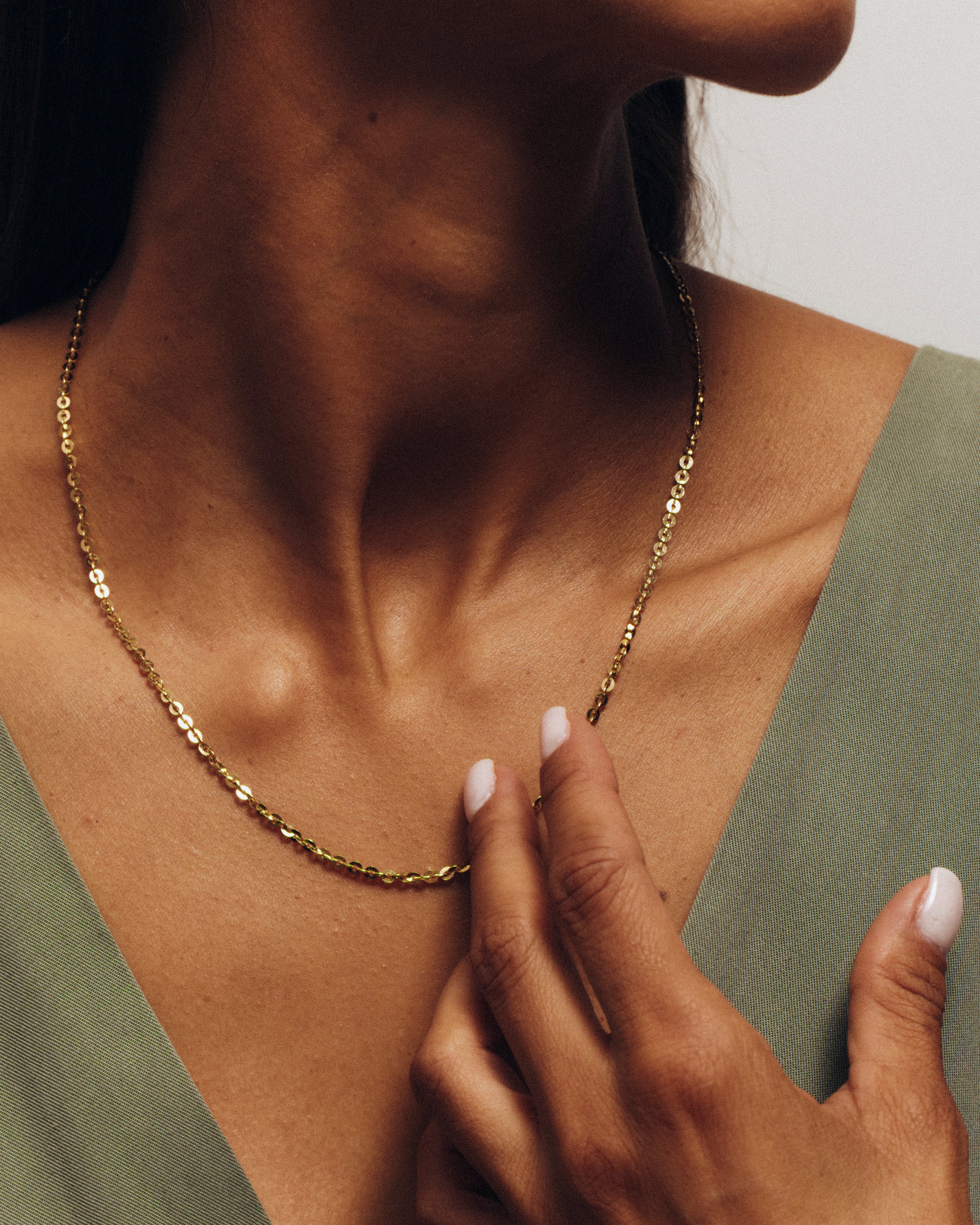
Gold plated jewelry is made by depositing a thin layer of gold onto a base metal — typically brass, copper, or sterling silver — using an electroplating process. The result is a piece that has the warm, luminous finish of gold at a fraction of solid gold's price.
The thickness of that gold layer matters enormously. Industry standard is measured in microns. Pieces plated at 0.5 microns or less will wear quickly. High-quality gold plated jewelry — like the pieces we craft at Opaze — uses a significantly thicker layer, which directly translates to longer-lasting wear and a finish that stays true.
At Opaze, our gold-plated settings are built on quality base metals and finished to a standard we stand behind. The difference is visible, and it's tactile.

Does Gold Plated Jewelry Tarnish?
Yes — eventually, and under the right (or wrong) conditions, all gold plated jewelry can tarnish. But "eventually" is doing a lot of work in that sentence.
Tarnish happens when the gold layer breaks down and the base metal beneath begins to oxidize. How fast that happens depends on several factors:
- Plating thickness — thicker plating means slower wear
- Your skin chemistry — some people have naturally more acidic skin, which accelerates the process
- What it comes into contact with — perfume, chlorine, salt water, and lotions are the main culprits
- How you store it — exposure to air and humidity speeds up oxidation
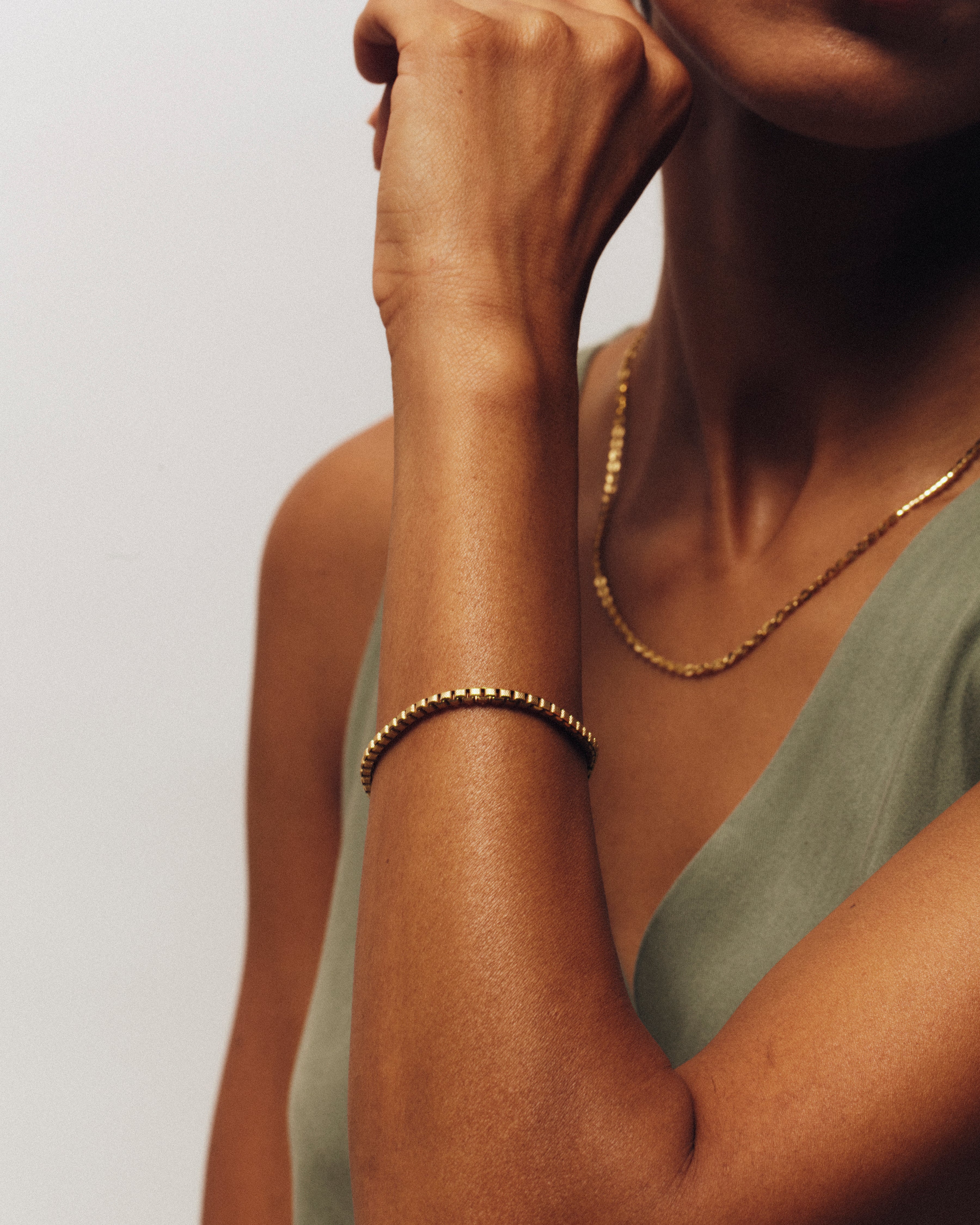
The good news: with a little intention and the right habits, a well-made gold plated piece can look beautiful for years. We've seen Opaze pieces worn daily for eighteen months with no visible change — because the care was there.
Will It Turn My Skin Green?
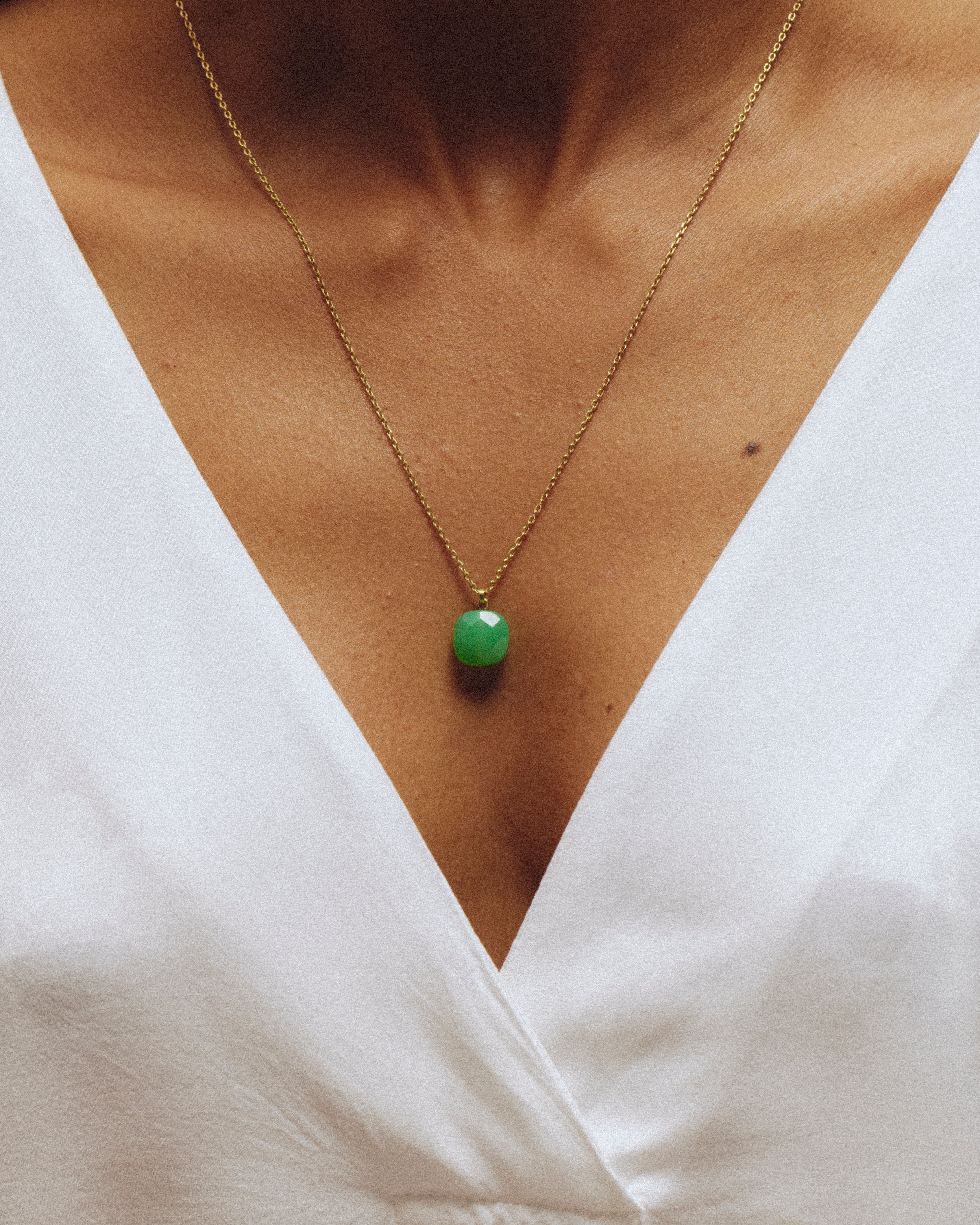
The green skin phenomenon is real, but it's not the gold doing it. It's the base metal underneath — usually copper — reacting with your skin's moisture and acidity. When the gold layer wears thin enough to expose the copper, you may notice a faint greenish tint.
Again: quality matters here. A well-plated piece on a quality base metal takes much longer to reach that point. And it's worth saying — this reaction is cosmetic only. It's not harmful.
If you're particularly sensitive to metals, look for pieces built on sterling silver as the base layer. At Opaze, some of our settings use sterling silver as the base precisely to minimize this kind of reaction while maintaining the warmth of gold at the surface.

How Long Does Gold Plated Jewelry Last?
This question has no single answer — but here's a helpful framework.
With minimal care: 12 months to 2 years of daily wear before visible fading begins.
With thoughtful care: 3 to 4 years, sometimes longer, before any significant change.
With proper storage and occasional re-plating: indefinitely.
Yes, re-plating is a thing. A local jeweler can refresh the gold layer on a piece you love, giving it a second life. At Opaze, we design our pieces with this in mind — the bones of the piece, the setting, the stone, the craftsmanship — those should outlast any plating cycle.
What Makes Gold Plated Jewelry Worth Buying?
This is where the conversation gets interesting. Because the real question isn't just about durability — it's about value.
Solid gold is a lifetime investment. Gold plated jewelry is something else: accessible beauty, made with intention, that allows you to wear real gemstones and artisan craftsmanship without the weight — financial or literal — of fine metal jewelry.
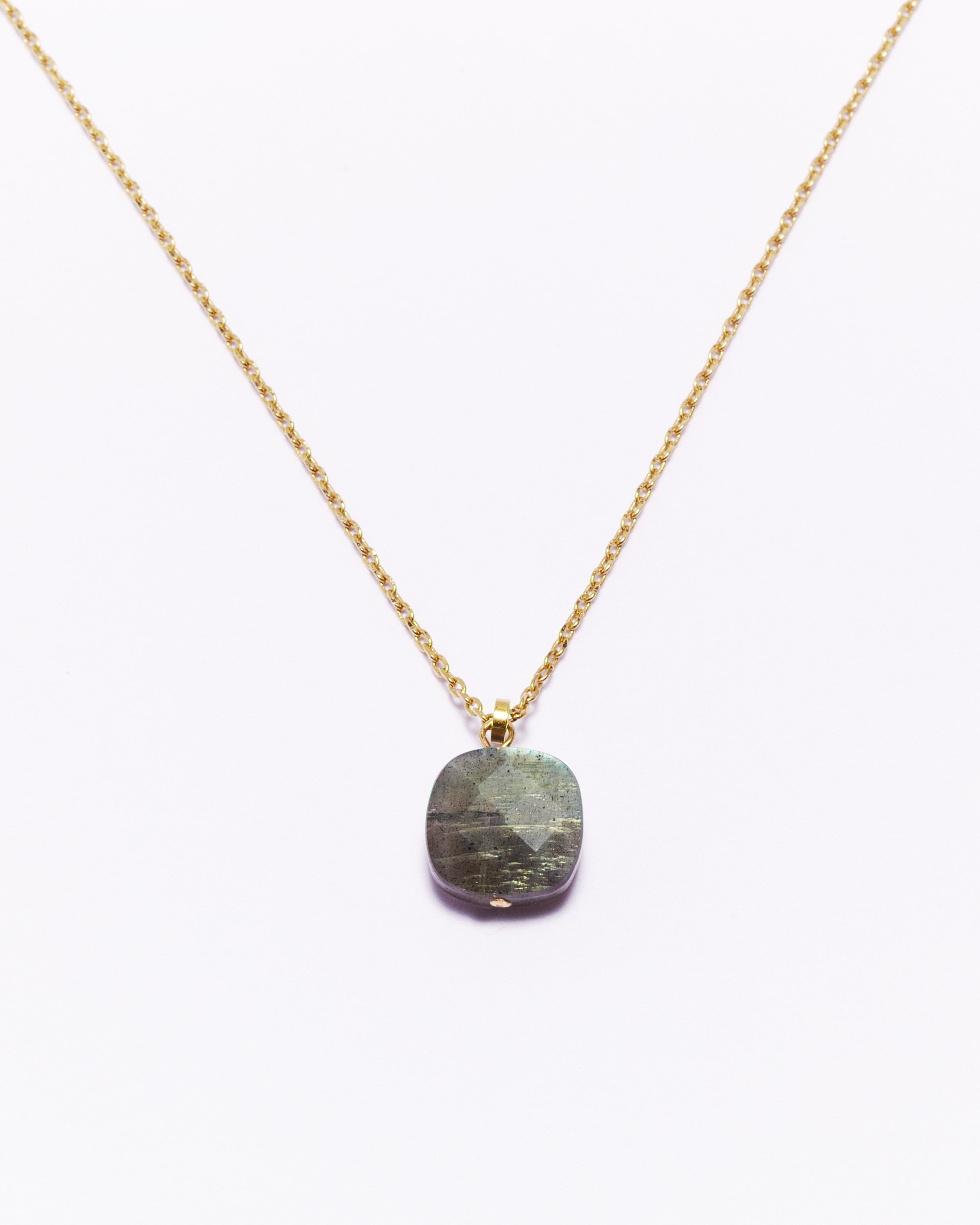
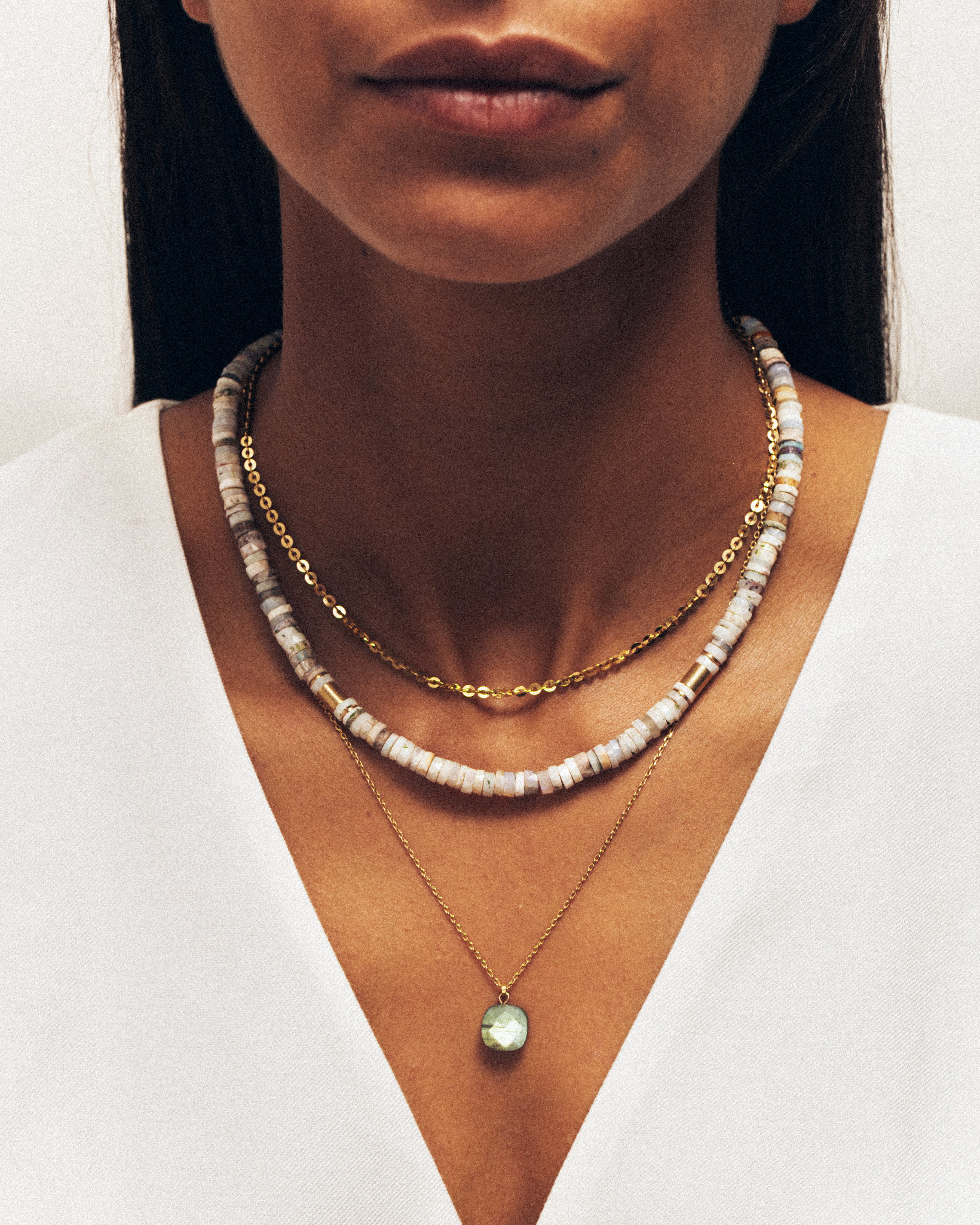
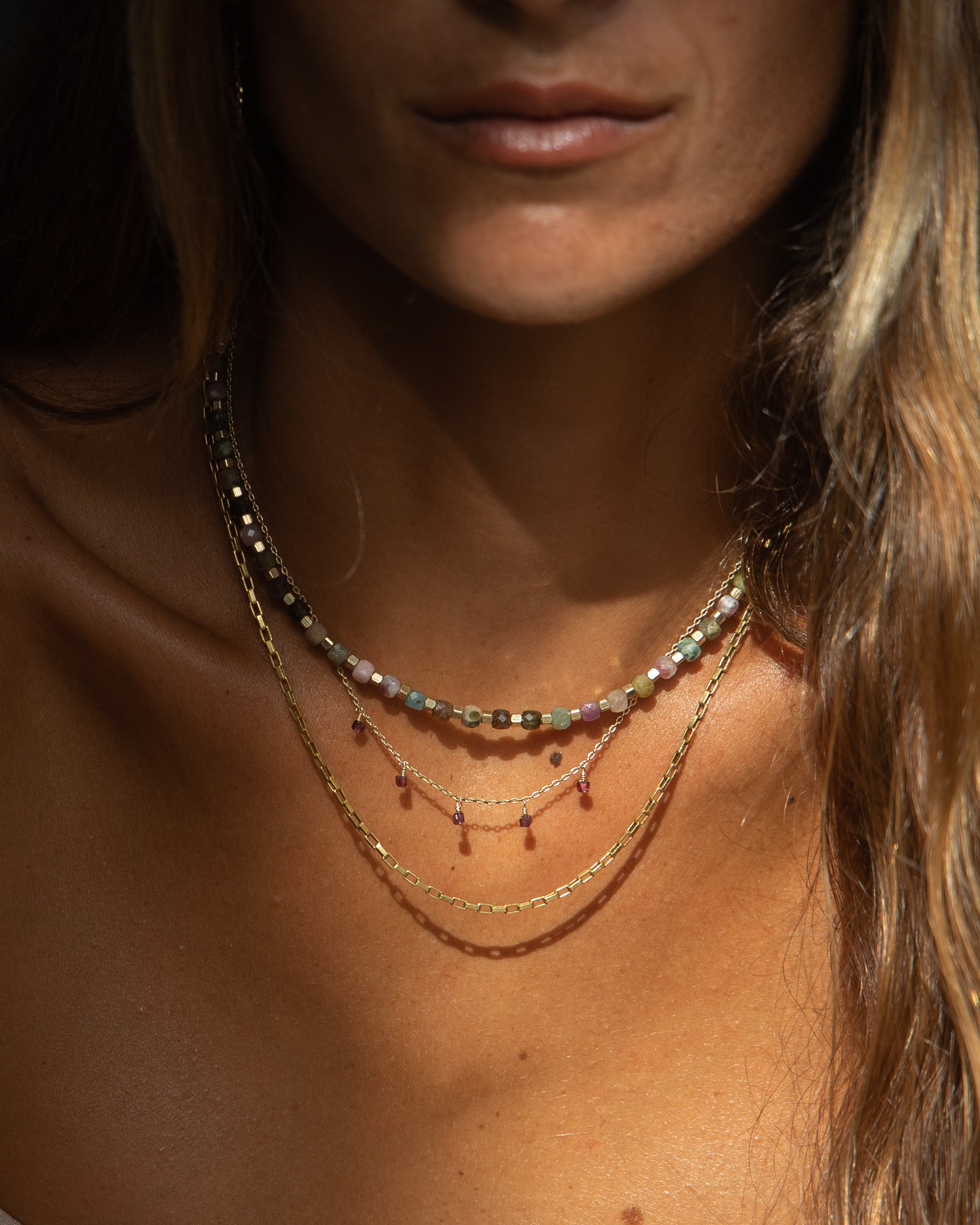
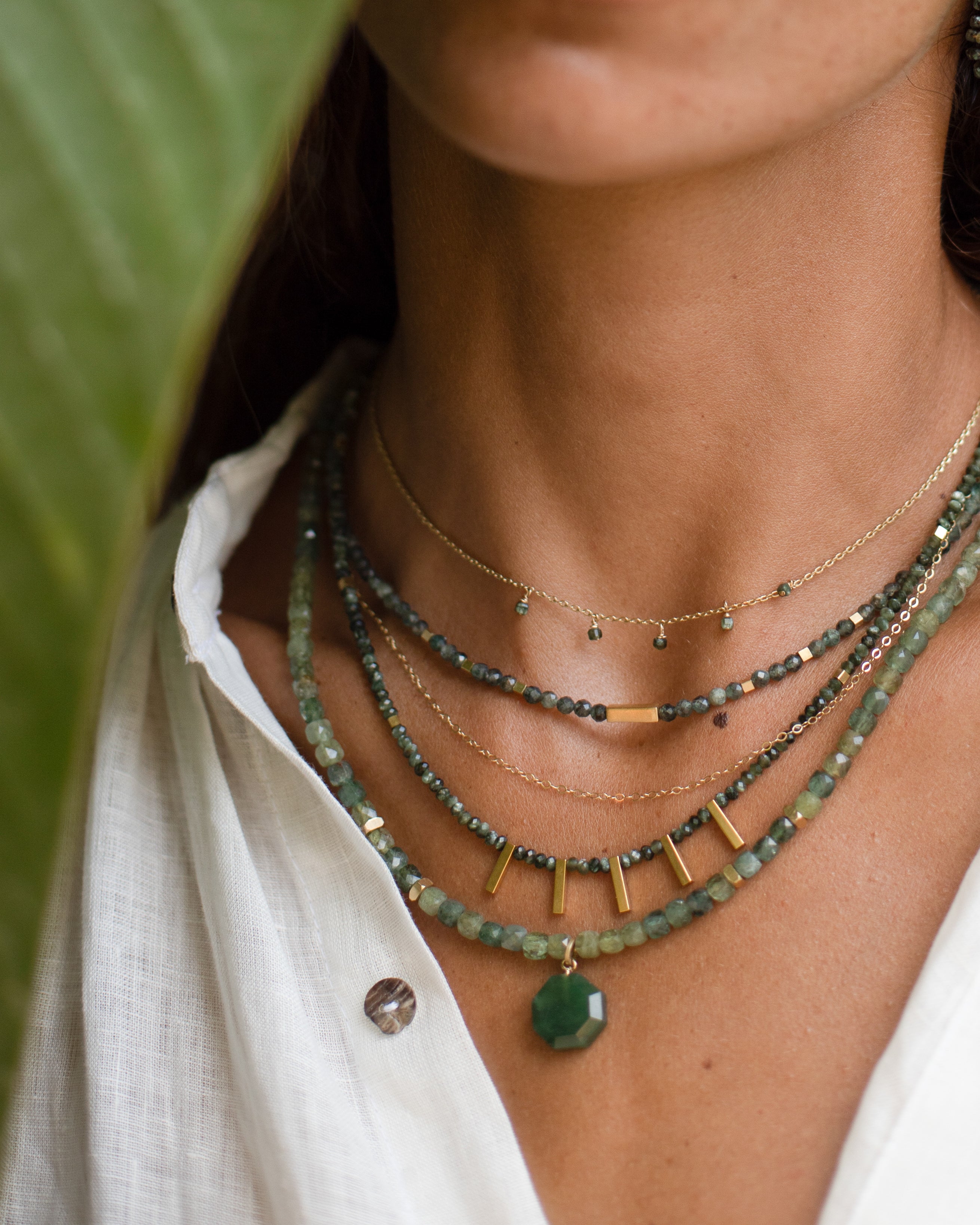
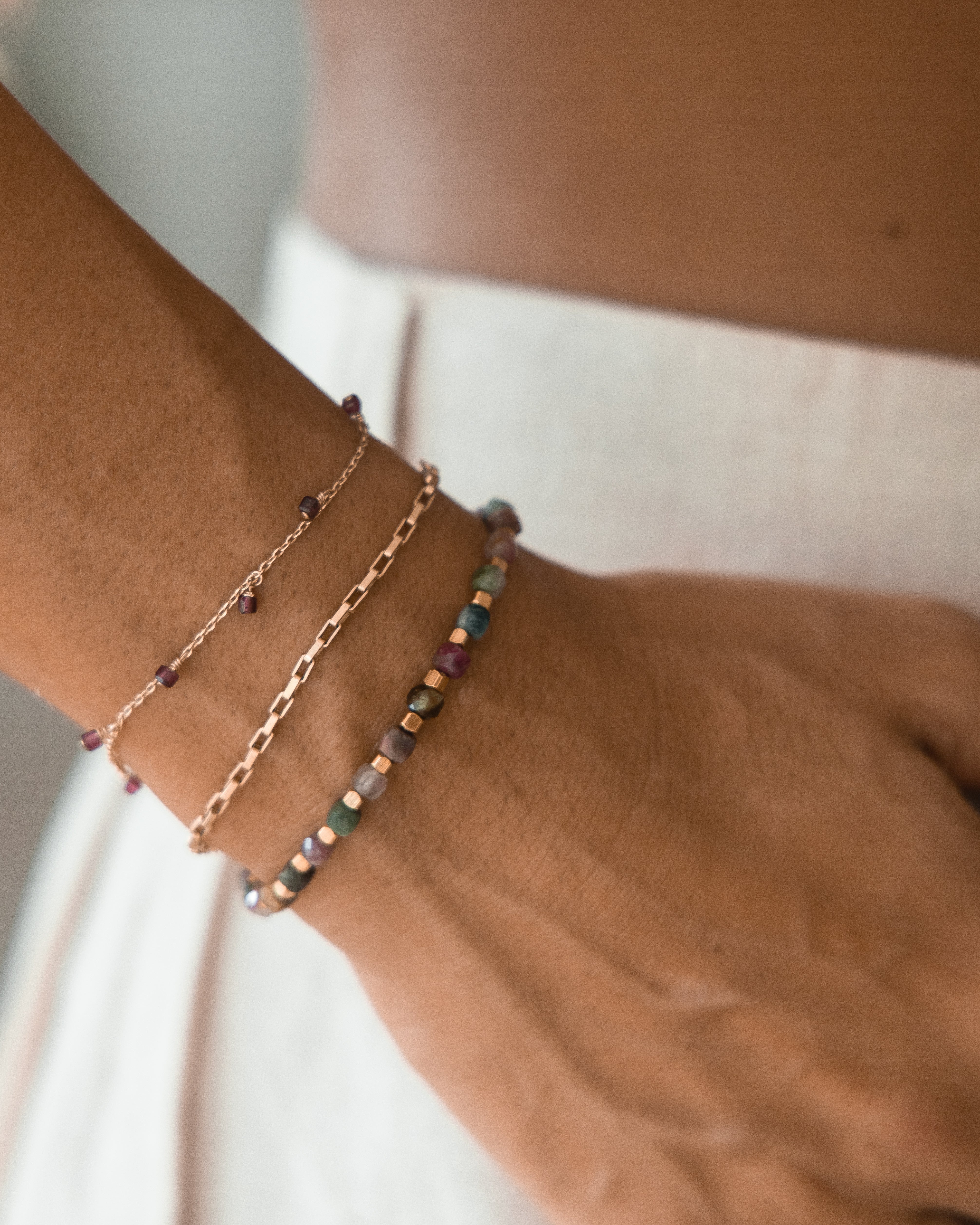
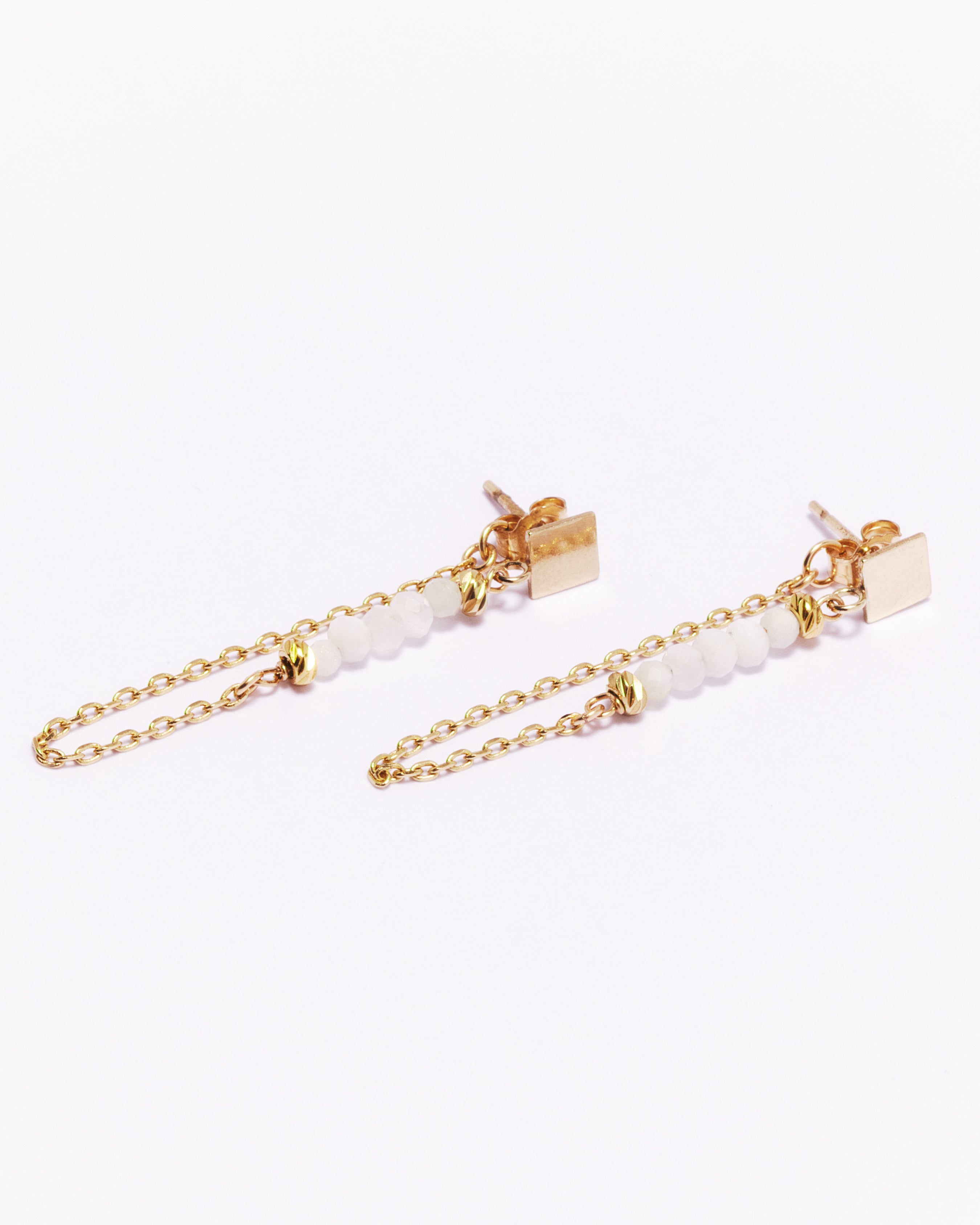
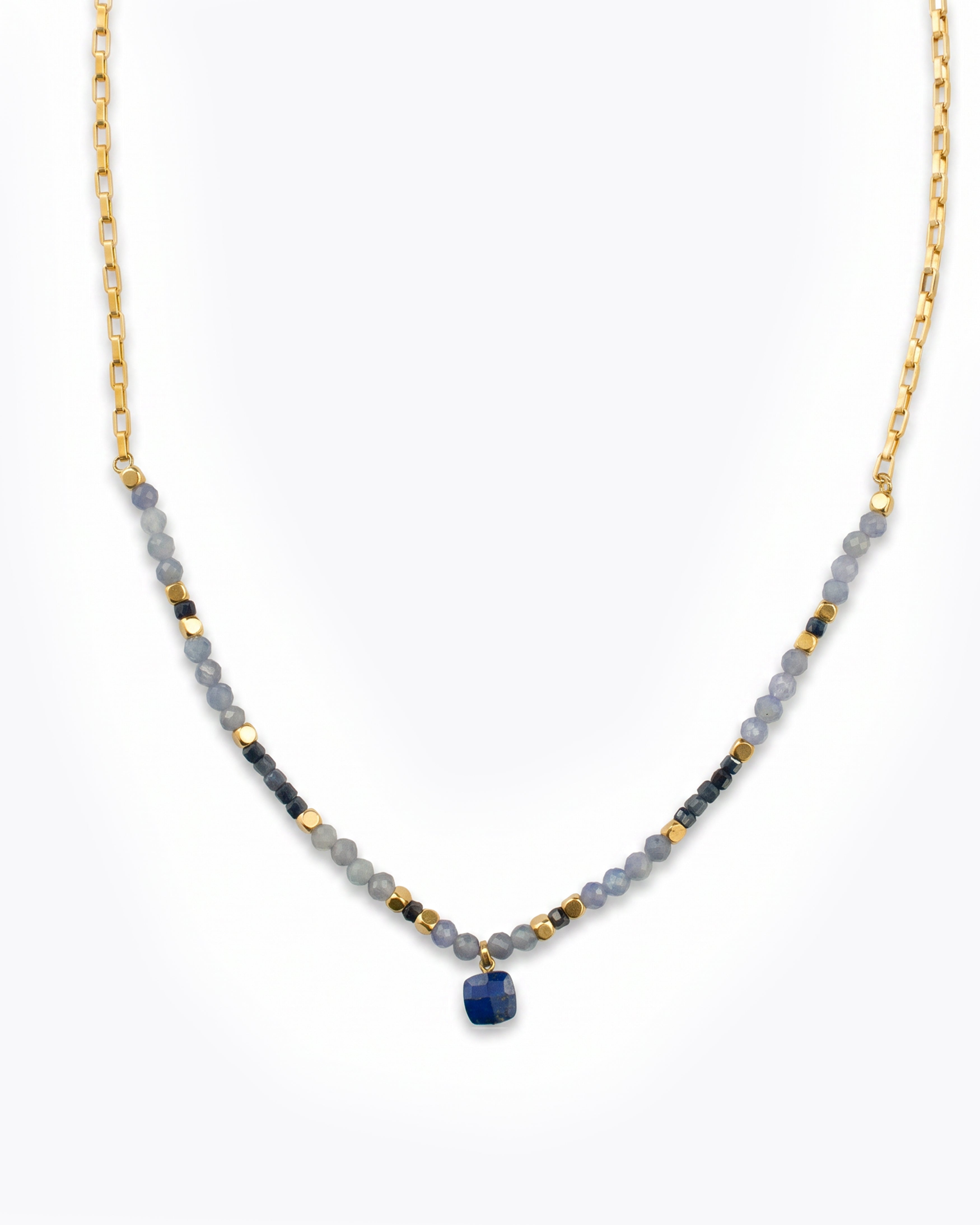
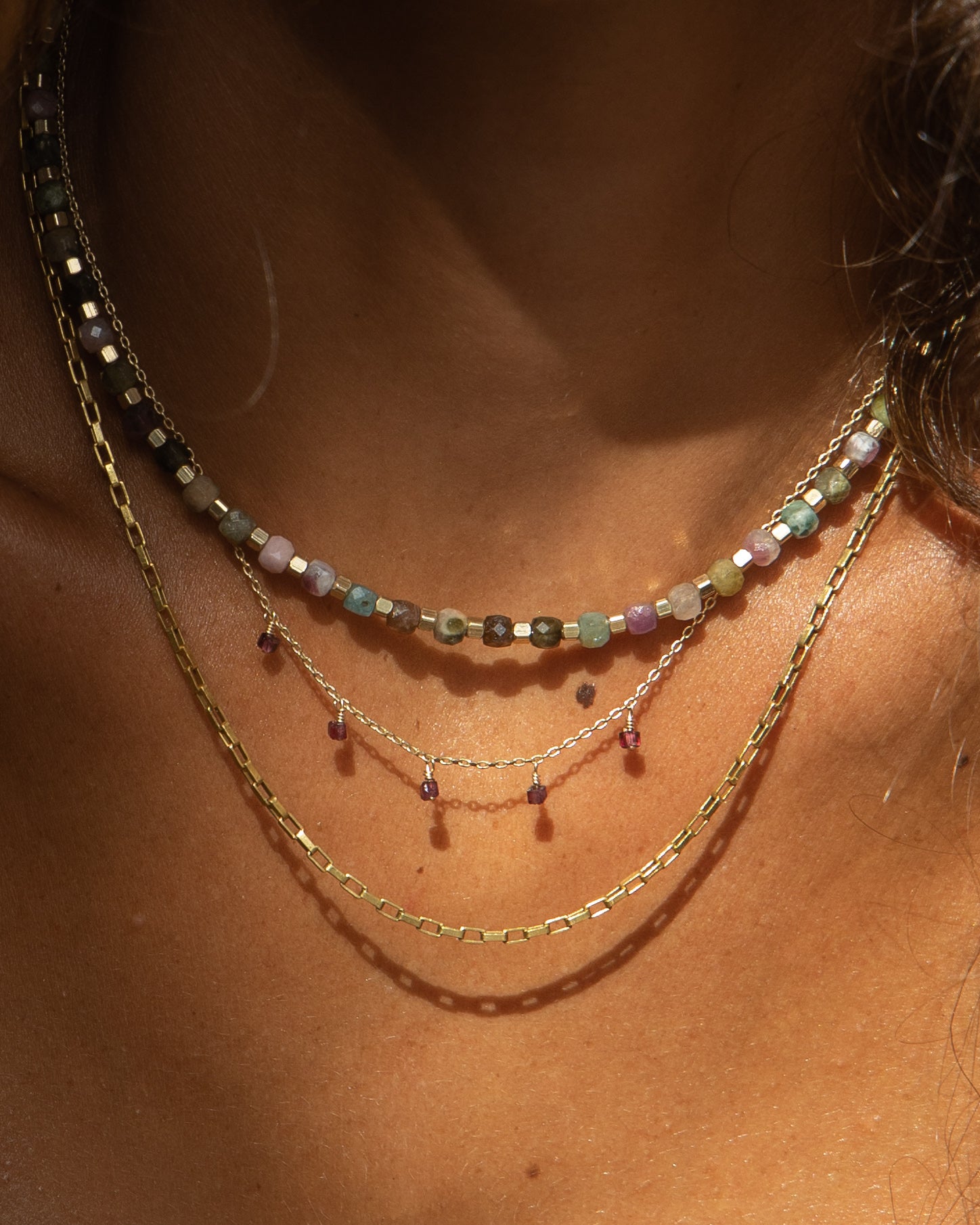
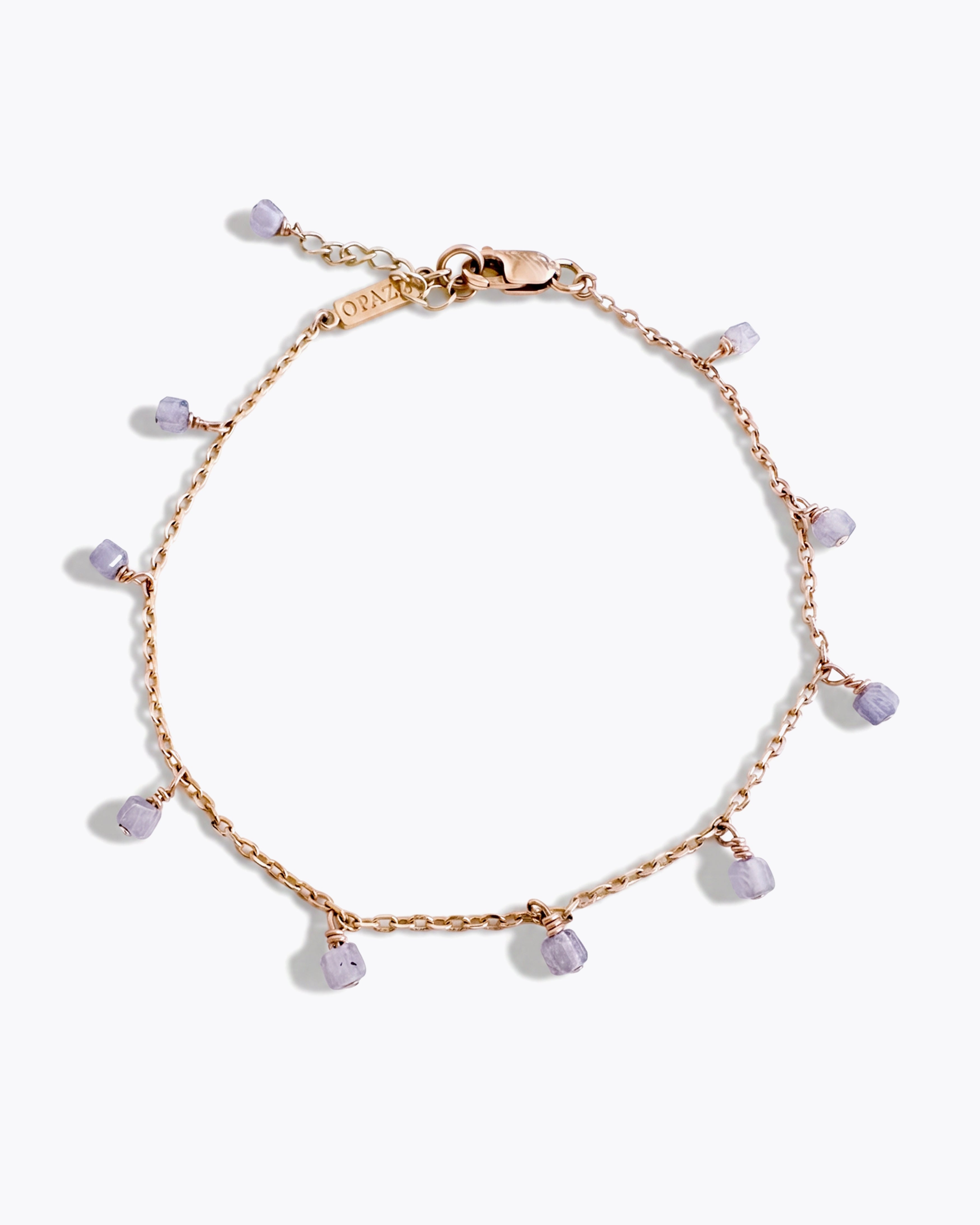
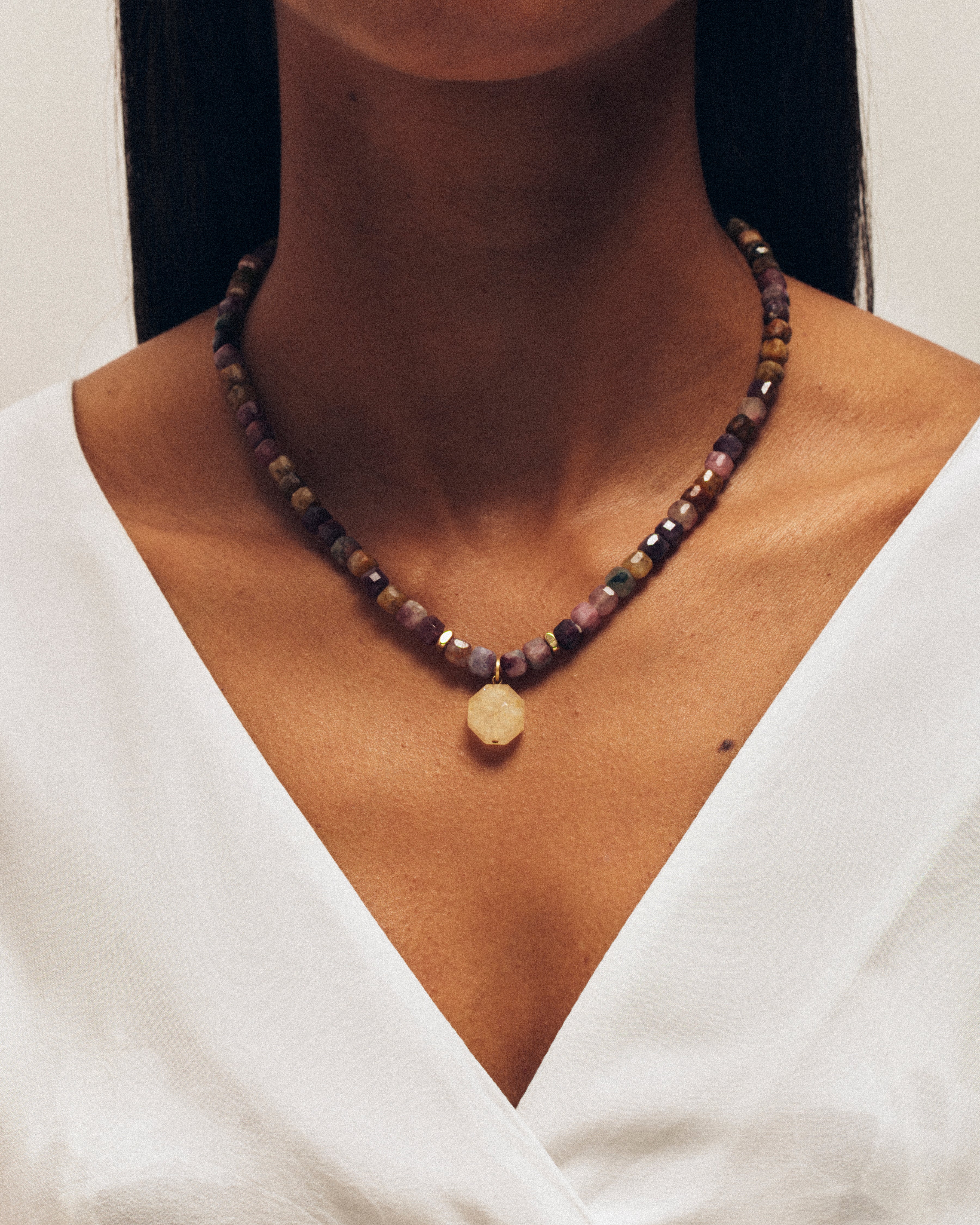
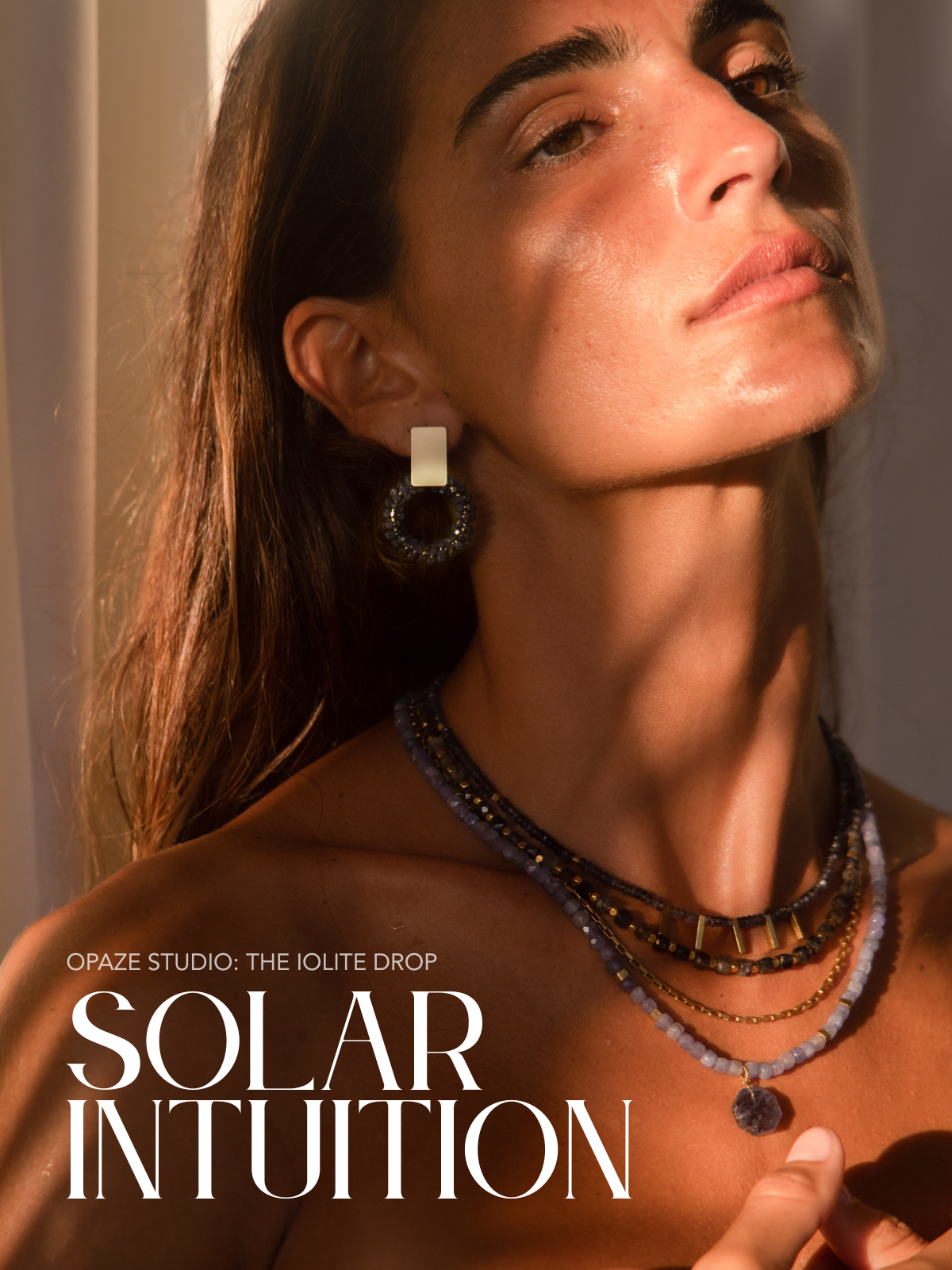
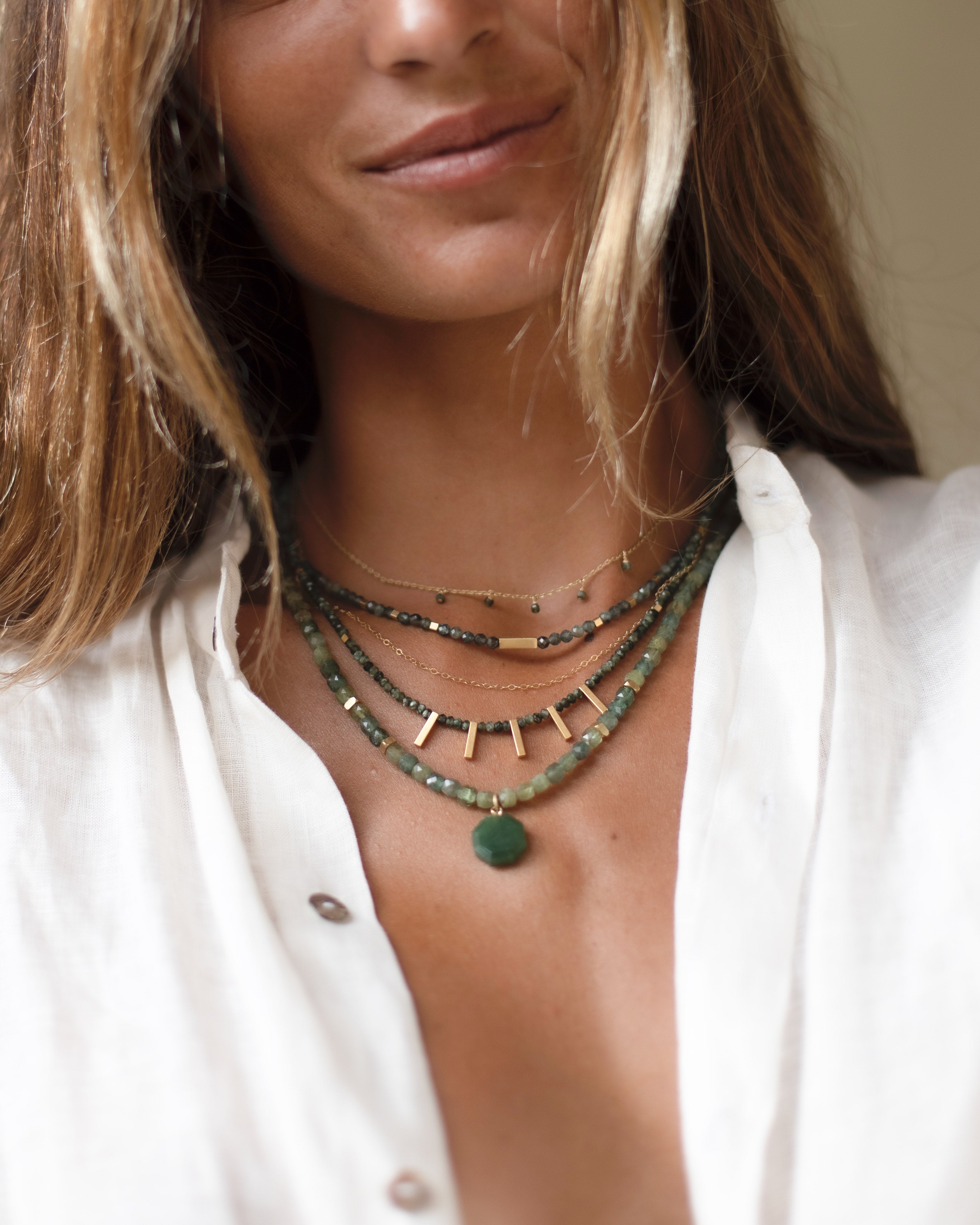
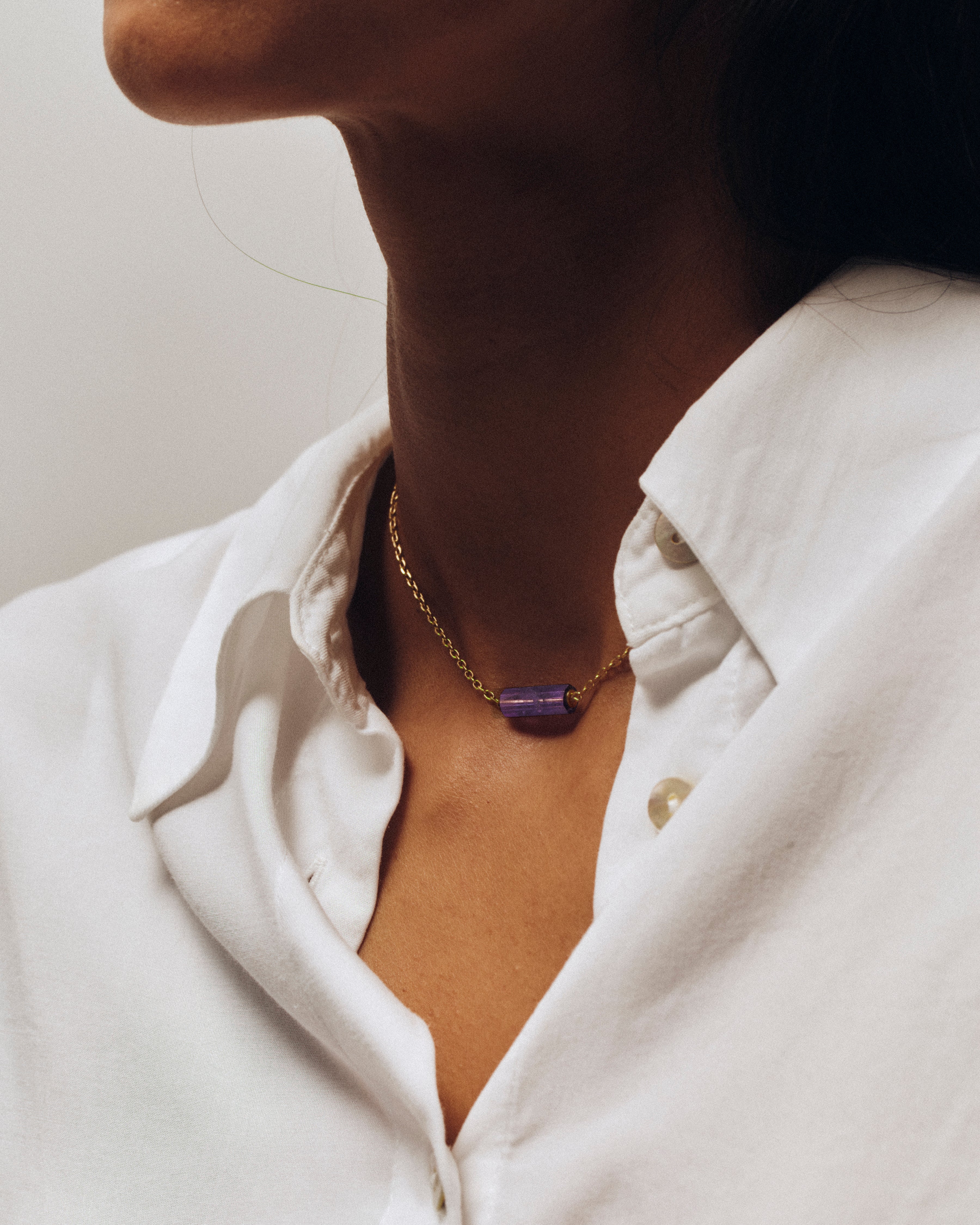
At Opaze, we sit in that space deliberately. Our pieces are gold plated, yes. But they're also set with high-quality natural gemstones, handcrafted in our Ateliers, and designed to be worn, not stored. The value is in the experience of wearing them.
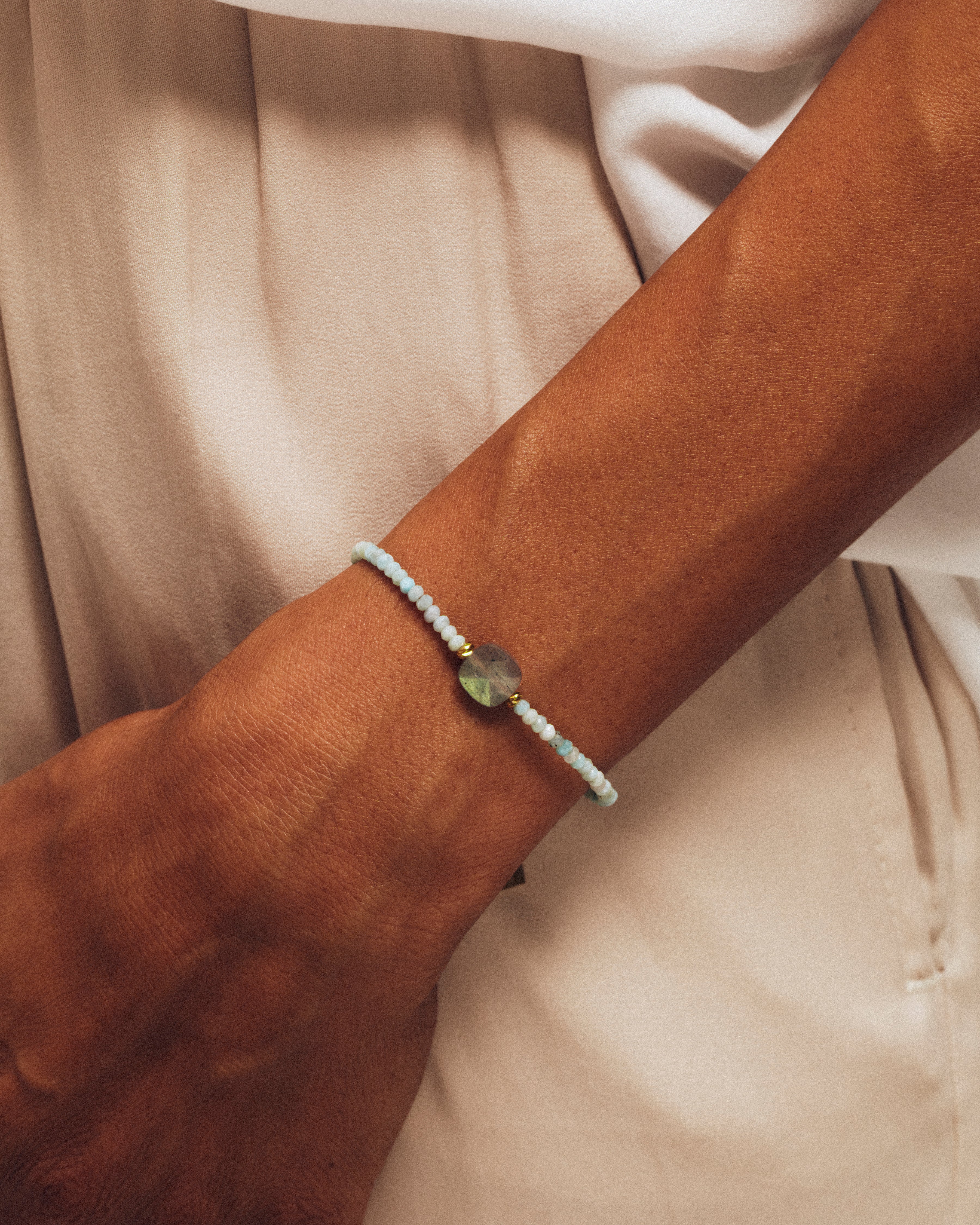
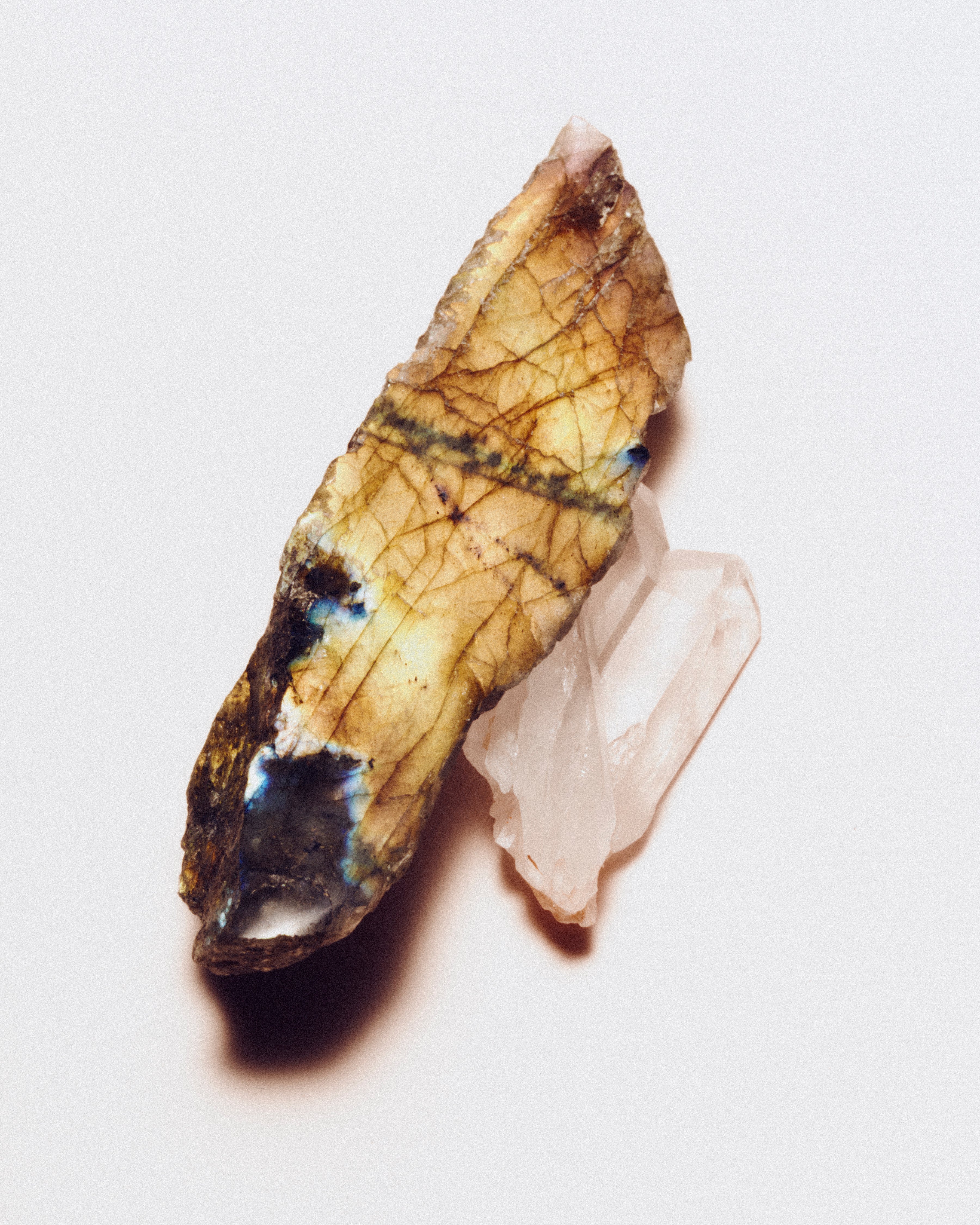
There's also something worth saying about the energetics of the stones we work with. A piece of labradorite or moonstone carries its own presence regardless of whether the setting is solid gold or gold plated. The stone doesn't know the difference. And often, neither will the people who notice it on you.

How to Make Your Gold Plated Jewelry Last (Quick Reference)
- Put your jewelry on last — after perfume, hairspray, and lotion
- Take it off before swimming, showering, or exercising
- Store each piece separately in a soft pouch or closed box
- Gently clean with a soft, dry cloth after wearing
- Avoid ultrasonic cleaners — they strip plating
The Bottom Line
Gold plated jewelry can tarnish. It can fade. Under the wrong conditions, it can turn your skin green. None of that is a scandal — it's just physics.
But a well-made gold plated piece, cared for with intention, is a genuinely beautiful thing to own. It's how you access artisan design, meaningful gemstones, and real craftsmanship at a price that makes sense for your actual life.
That's the honest answer. And it's the one we build every Opaze piece around.
-
Is gold plated jewelry real gold?
- How do I know if my gold plated jewelry is good quality?
- Look for thicker plating (measured in microns), quality base metals like brass or sterling silver, and gemstone settings that are secure and well-finished. Price can be an indicator, but craftsmanship tells the real story.
- Can gold plated jewelry be repaired?
- Yes. A local jeweler can re-plate gold plated pieces, refreshing the surface layer and extending the life of the piece significantly.
- Is gold plated jewelry safe to wear every day?
- Generally yes, with reasonable care. If you have metal sensitivities, choose pieces with sterling silver as the base metal layer.
Gold plated jewelry contains real gold — a thin layer bonded to a base metal. It is not solid gold, but the gold at the surface is genuine.