



How to Tell If Jewelry Is Good Quality Before You Buy It
Most people cannot tell a well-made piece of jewelry from a poorly made one, not immediately, and not from a product photo. That is not a gap in taste. It is a gap in information. The jewelry industry has very little transparency around what quality actually means, so buyers are left to make decisions based on price, brand recognition, or aesthetic alone.
Here is what to look for instead.
Start With the Stone (If There Is One)
In any gemstone piece, the stone is the most significant variable in quality. A stunning setting holding a mediocre stone is still a mediocre piece. And a well-cut, natural gemstone in a simple setting is a beautiful thing.
Ask, or look for, these things:
- Is it natural or synthetic? Natural gemstones are formed over geological time and carry genuine uniqueness. Lab-created stones are optically similar but identical to each other and produced industrially. Neither is inherently bad, but you deserve to know which you are buying.
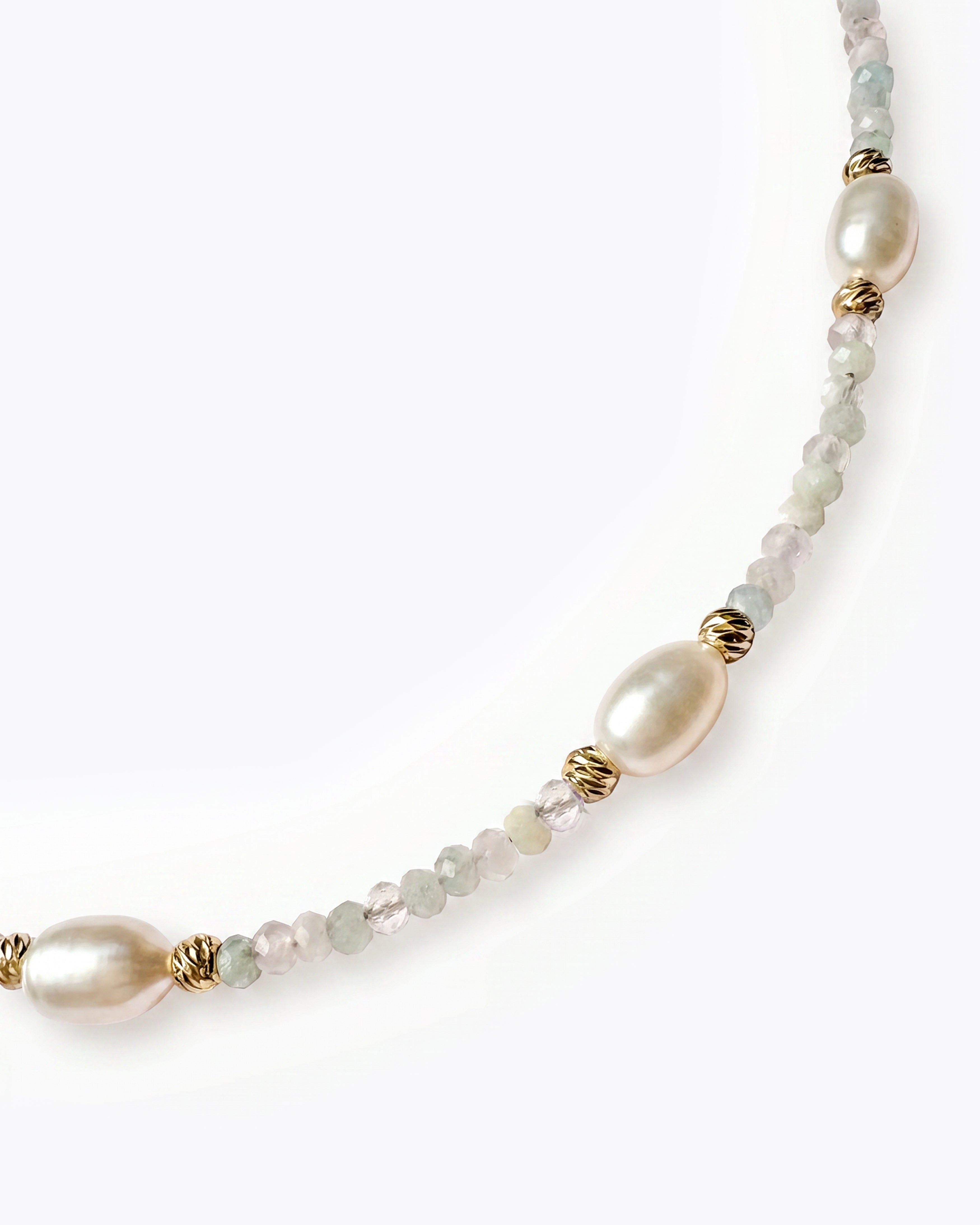
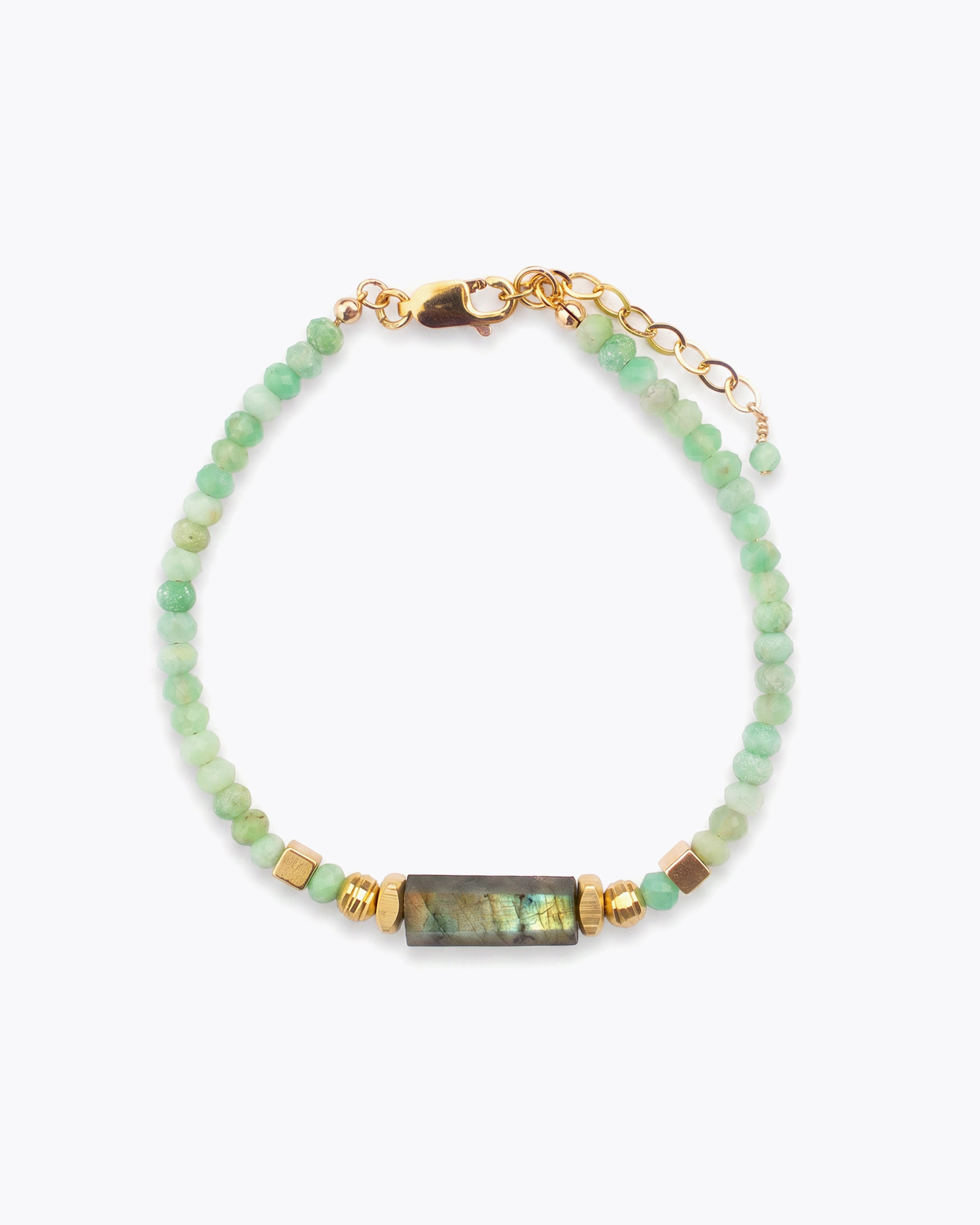
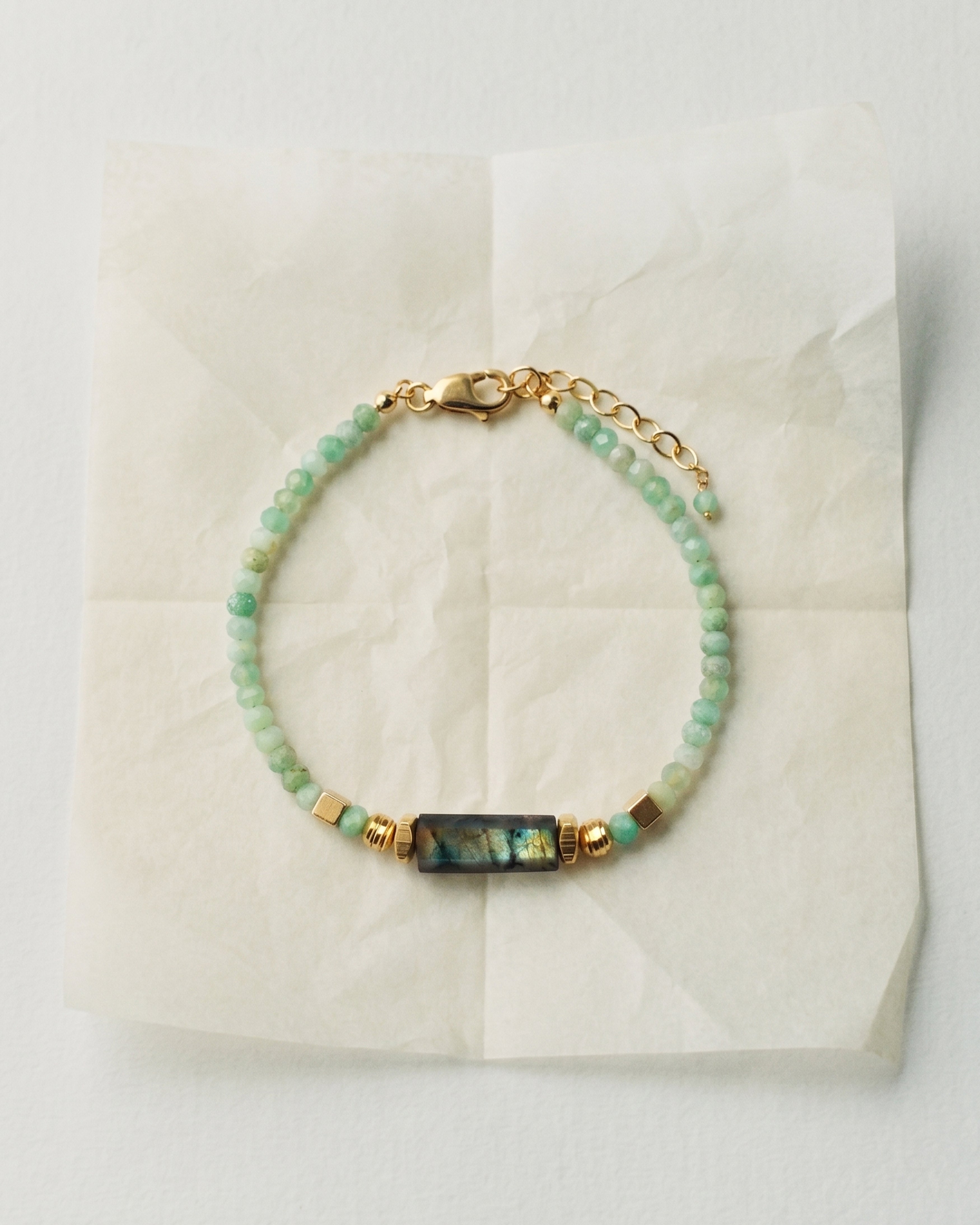
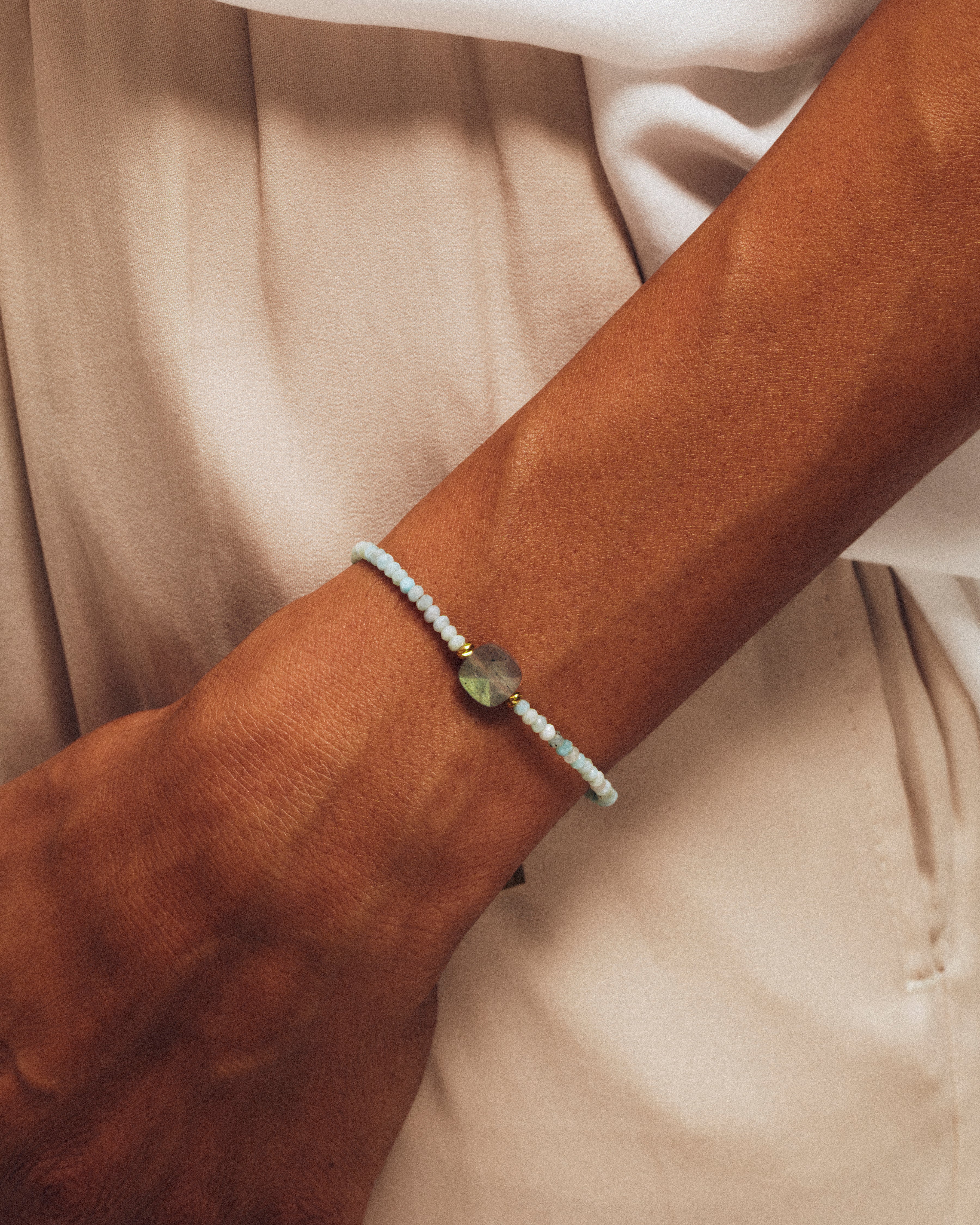
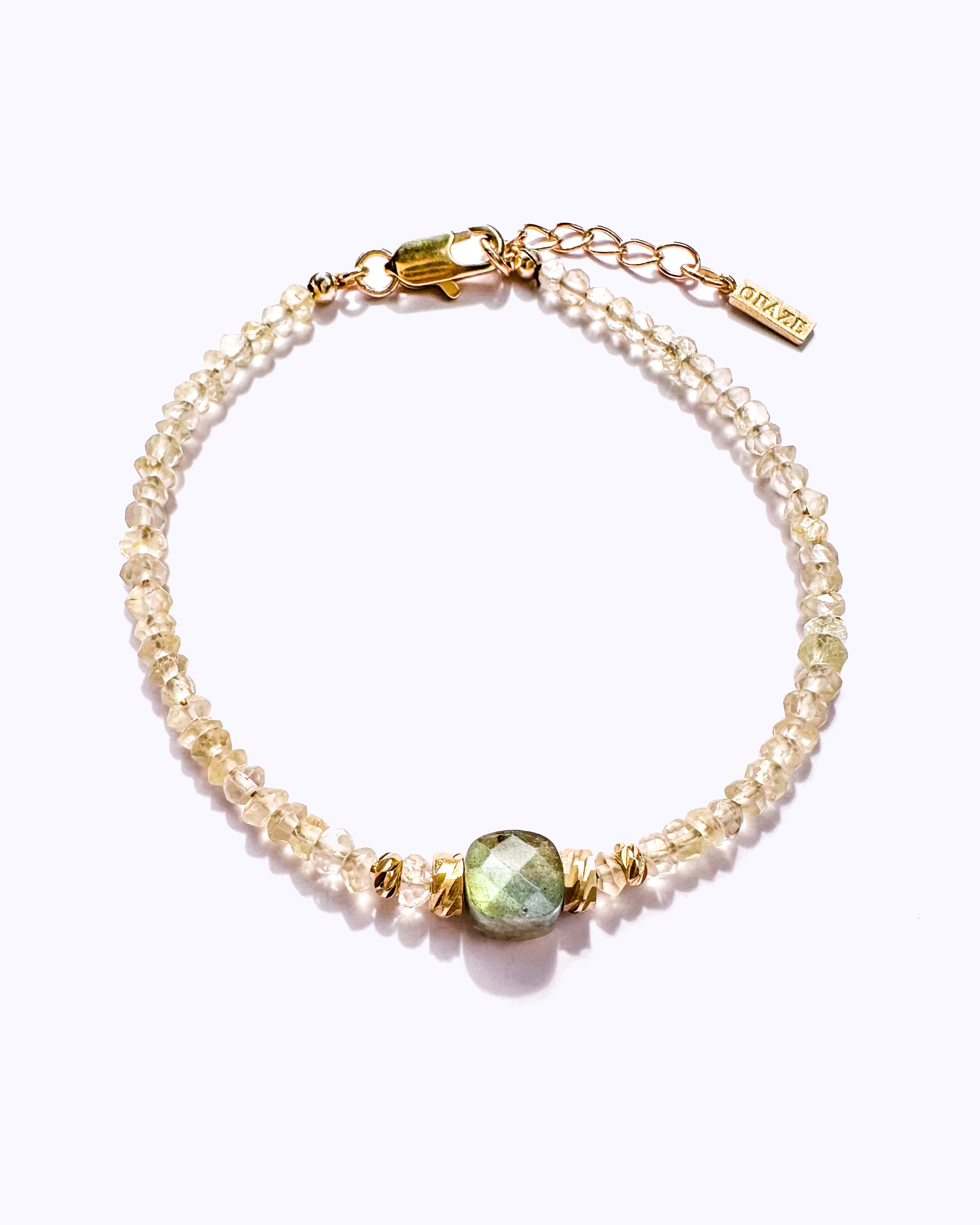
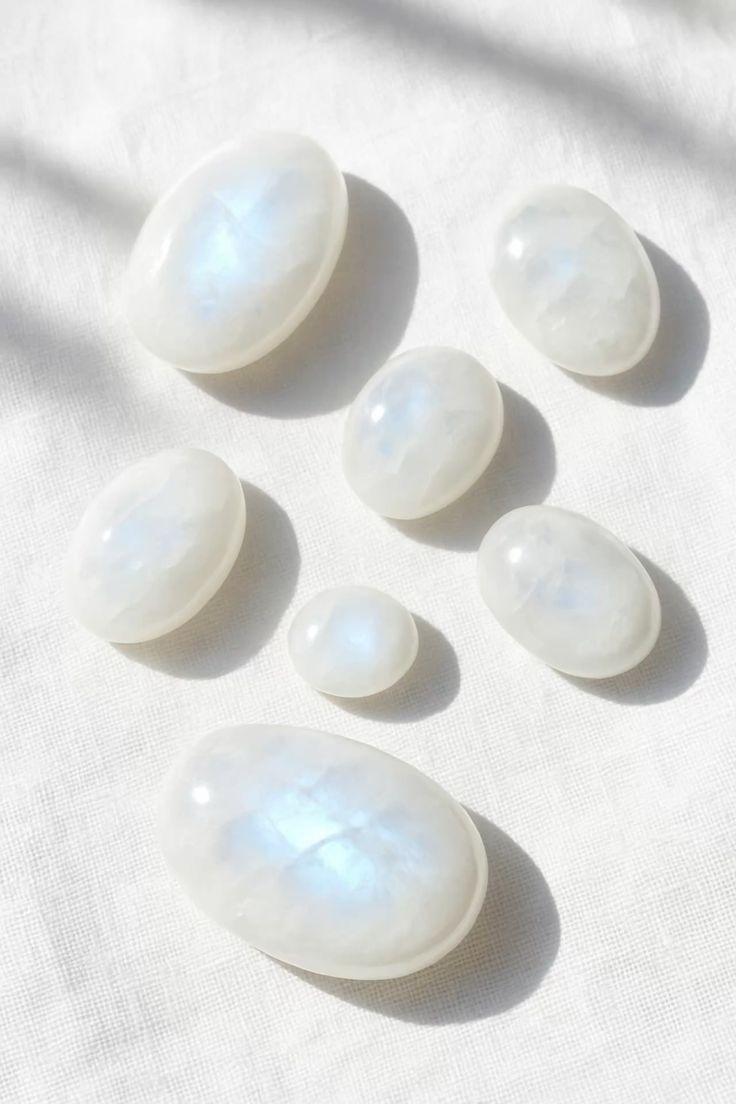
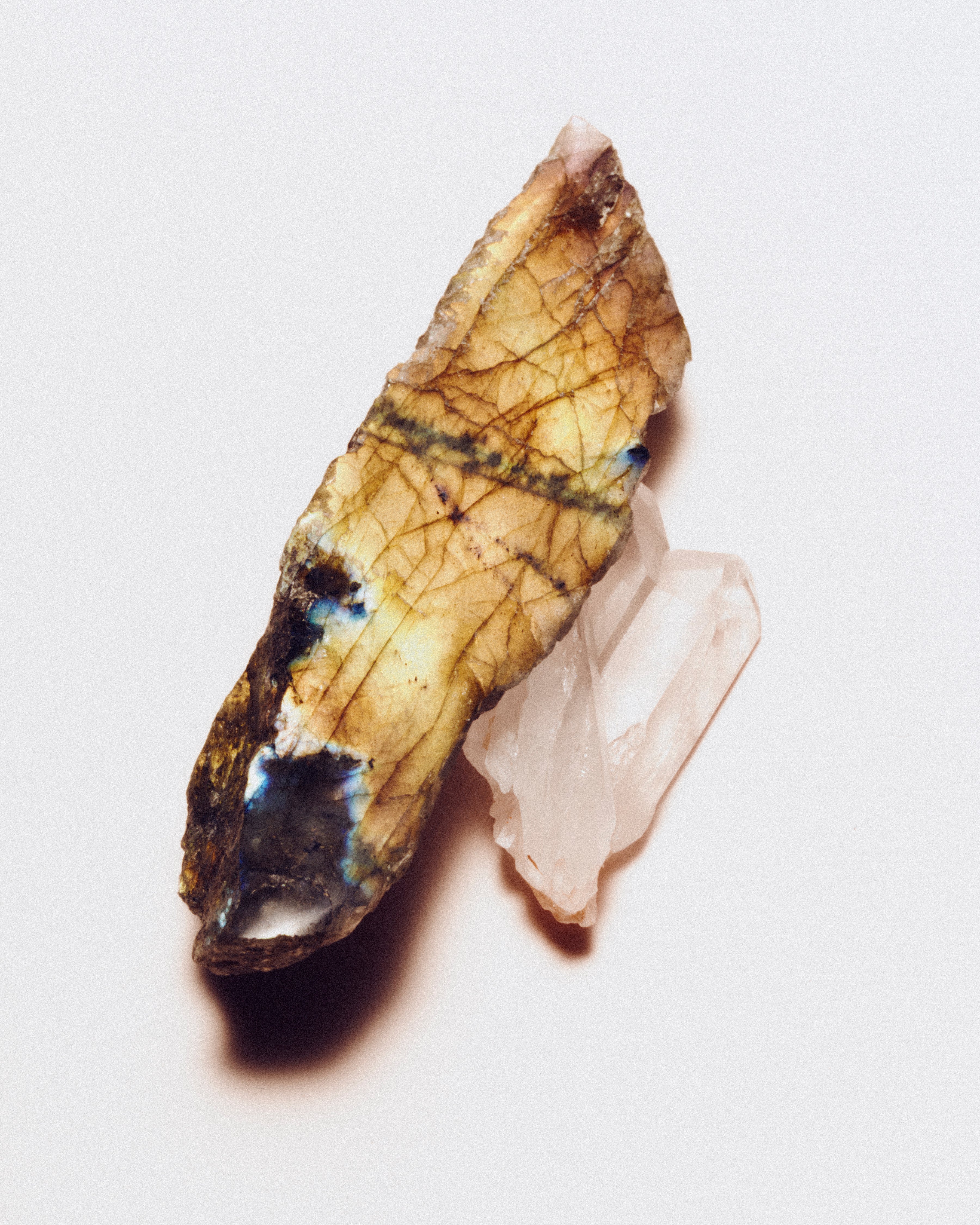
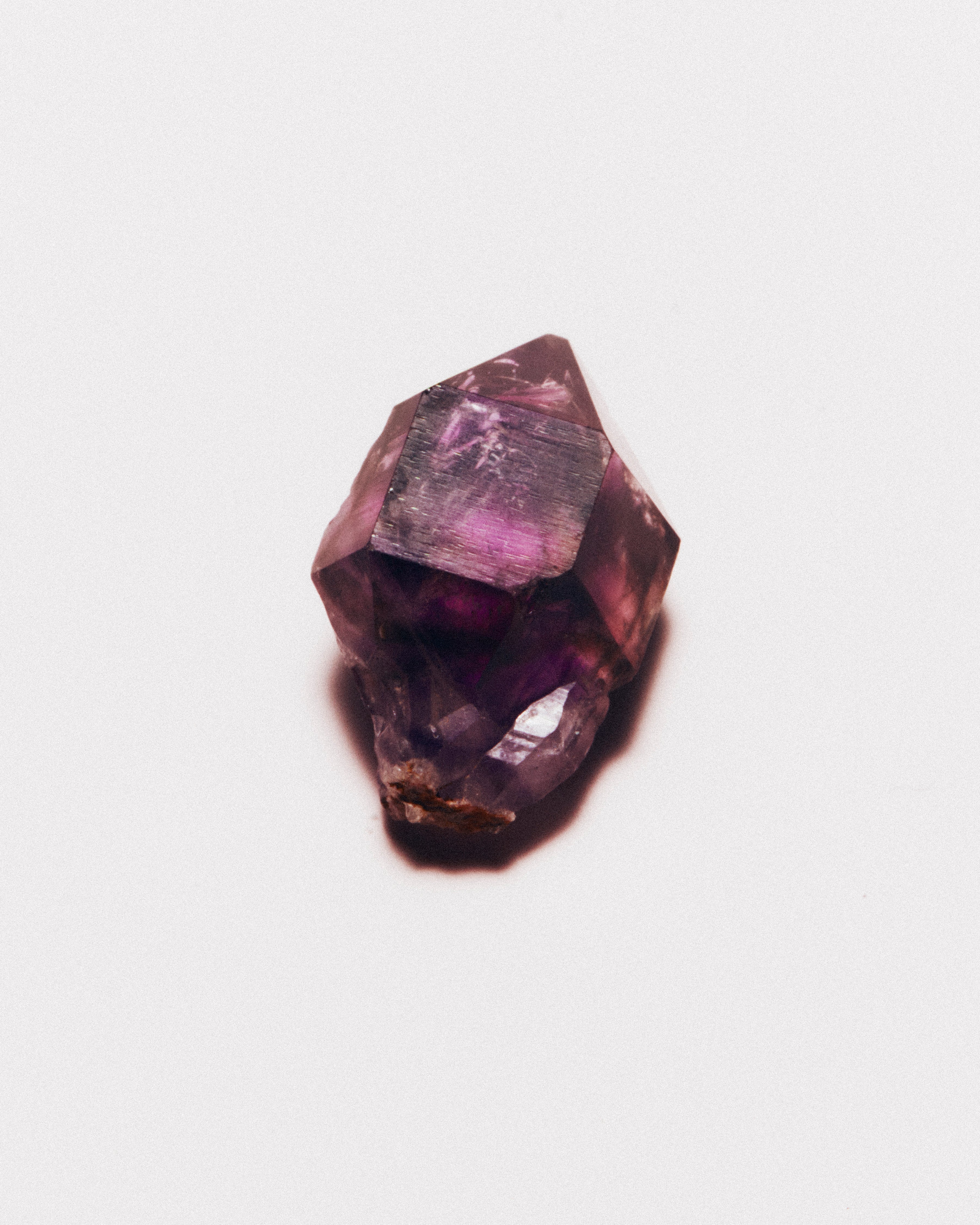
- Is there visible life in the stone? Natural stones have inclusions, color variation, and optical phenomena: the schiller in labradorite, the adularescence in moonstone, the depth in a well-cut amethyst. These are features, not flaws. If a gemstone looks too perfect and uniform, it may be synthetic or glass.
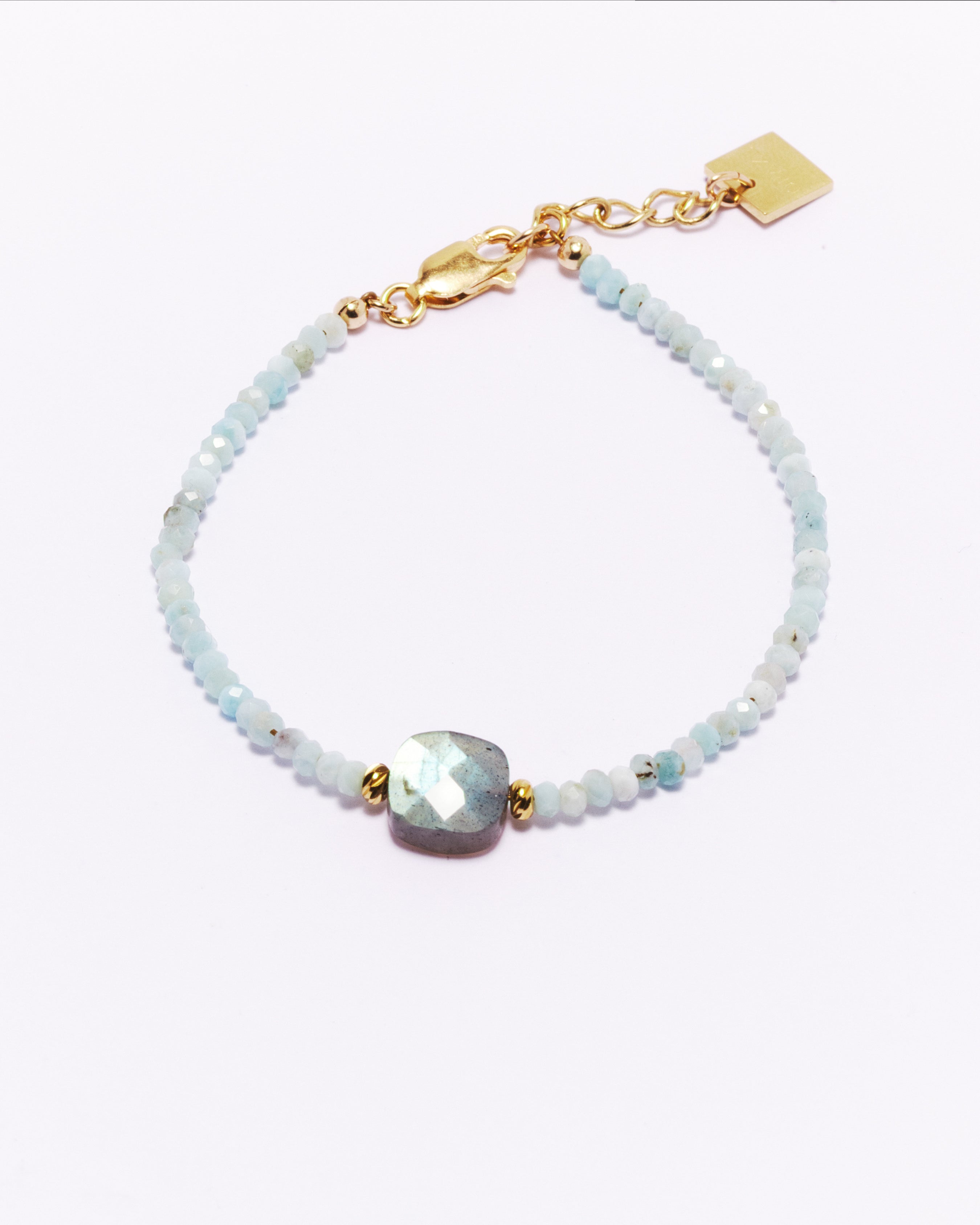
- Is the cut intentional? A well-cut stone catches light at multiple angles and has consistent faceting. A poorly cut stone looks flat or dull.
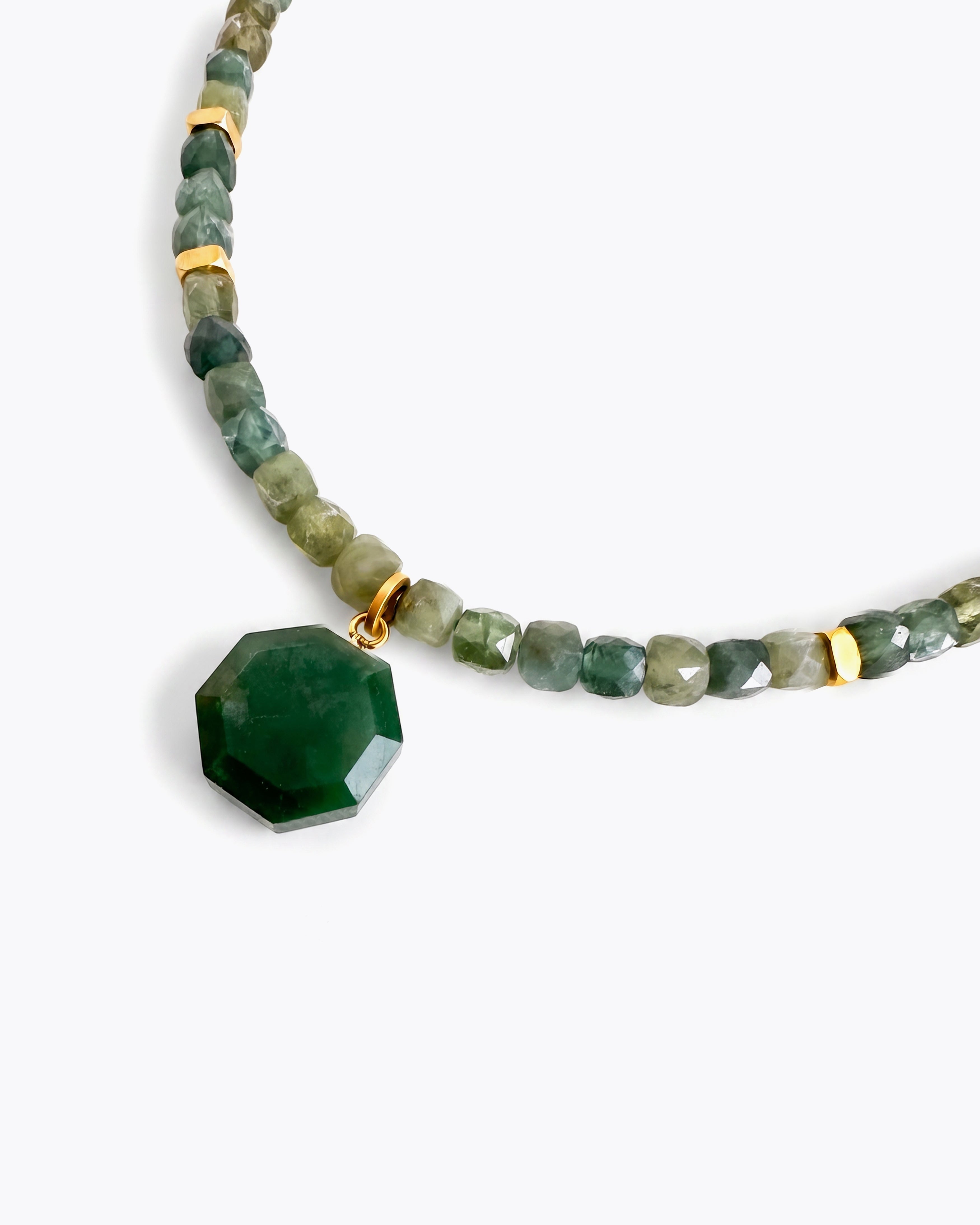
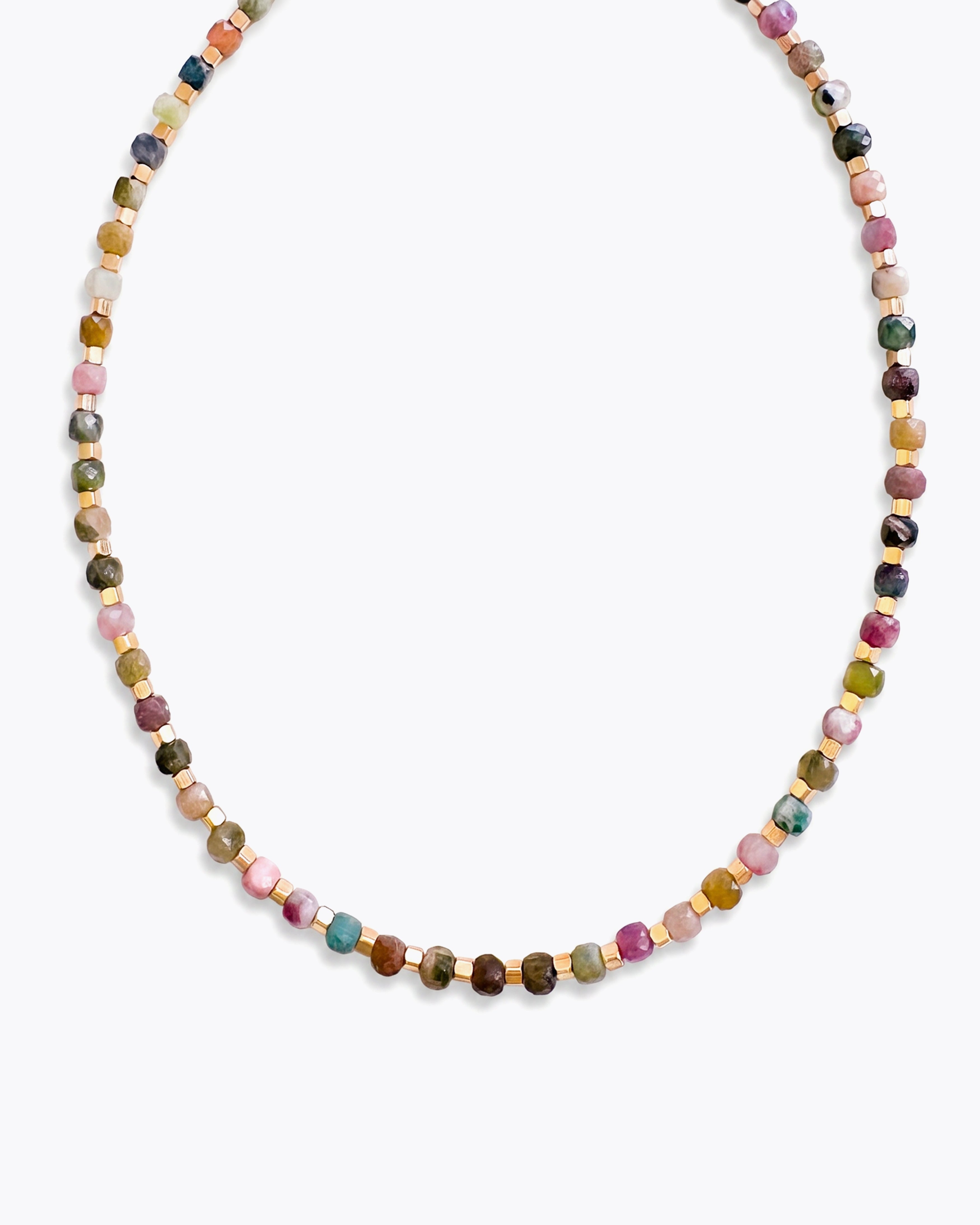
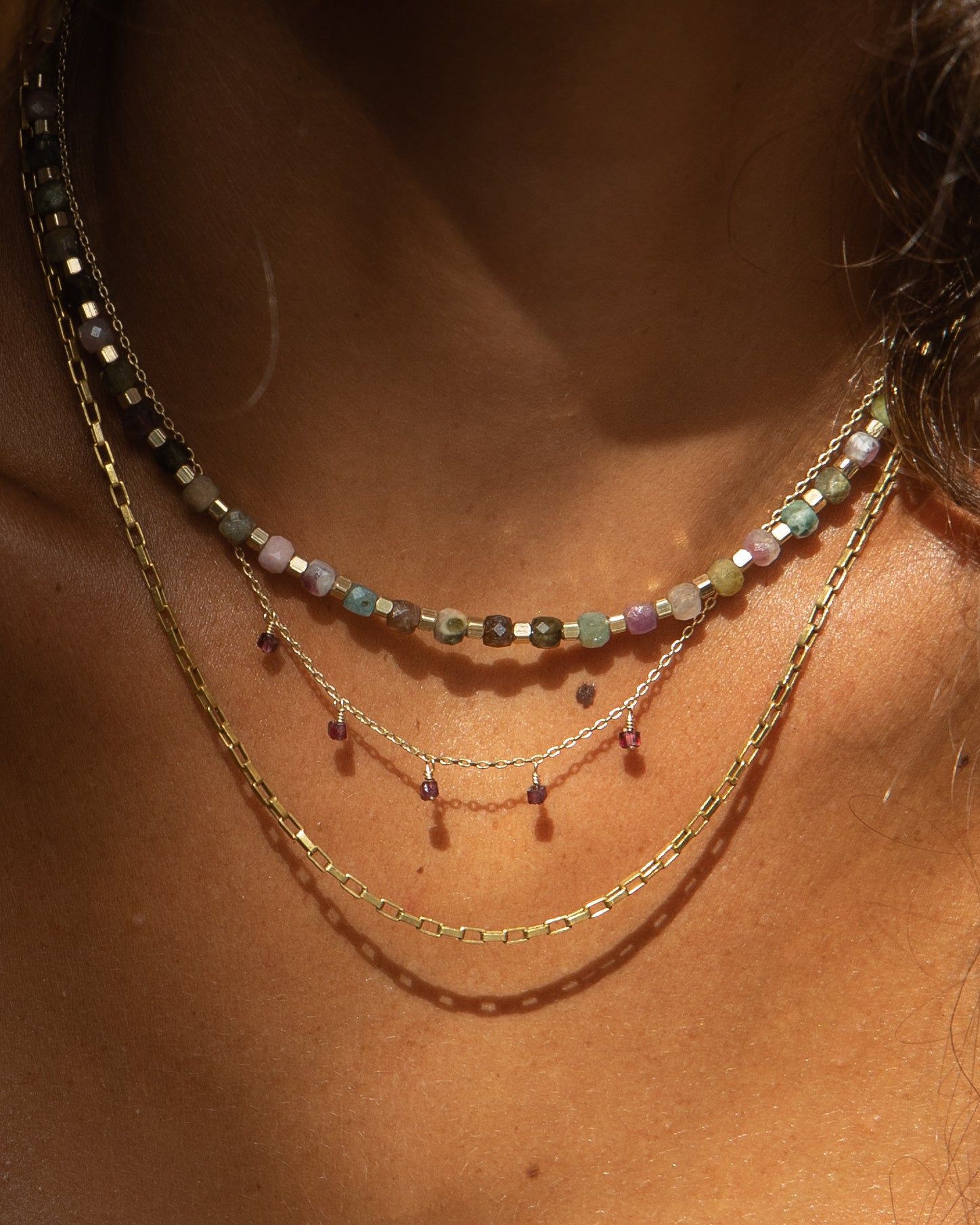
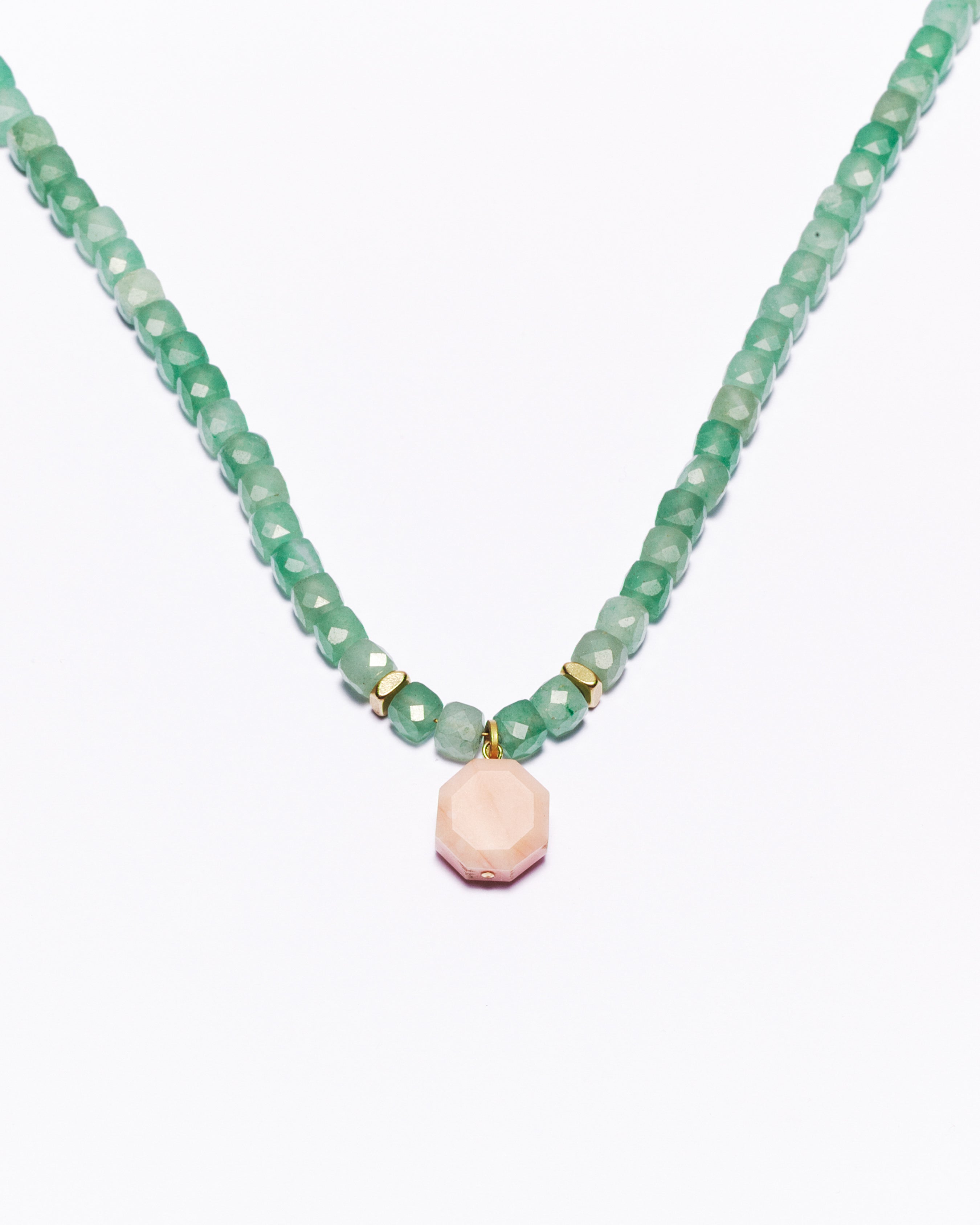
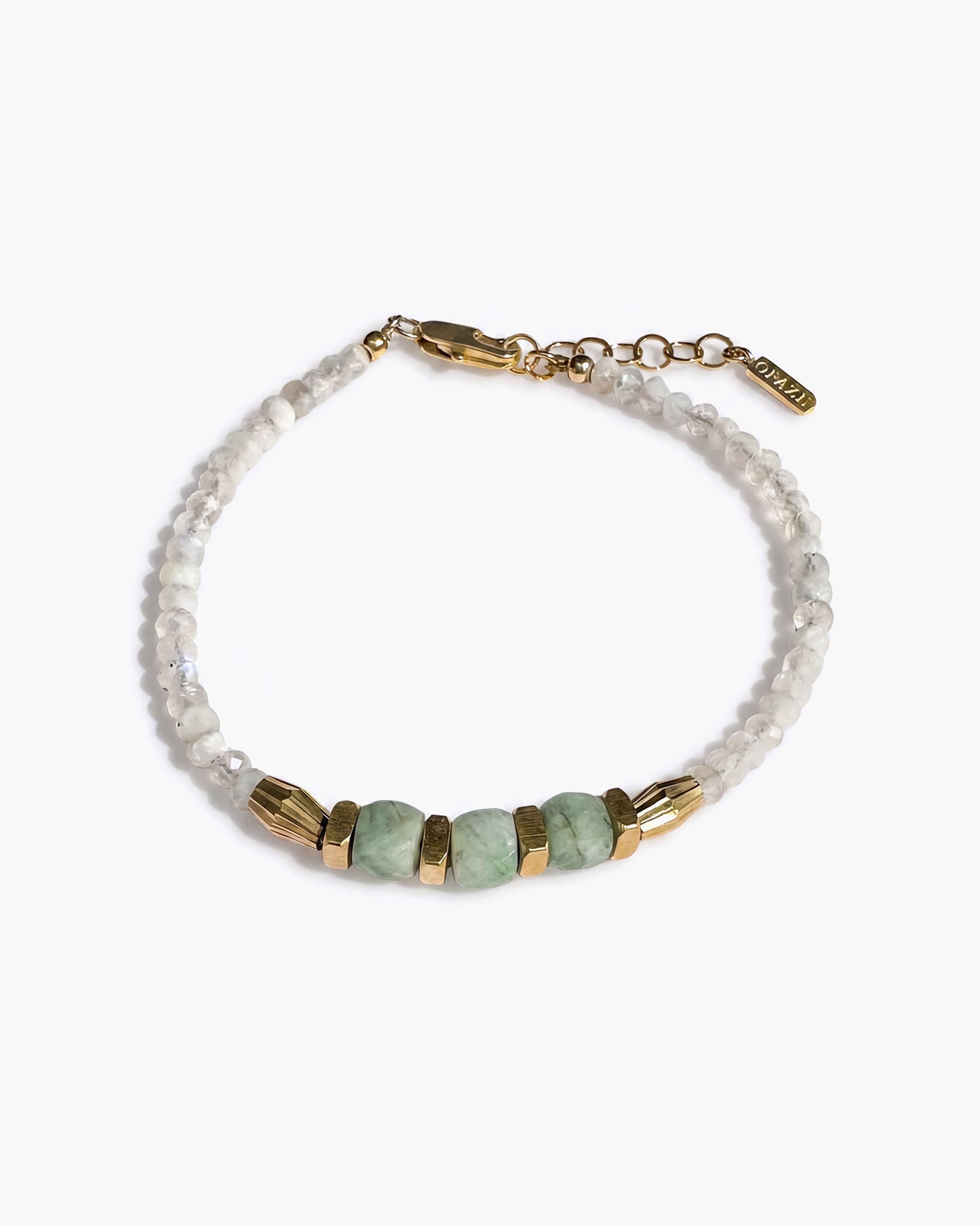
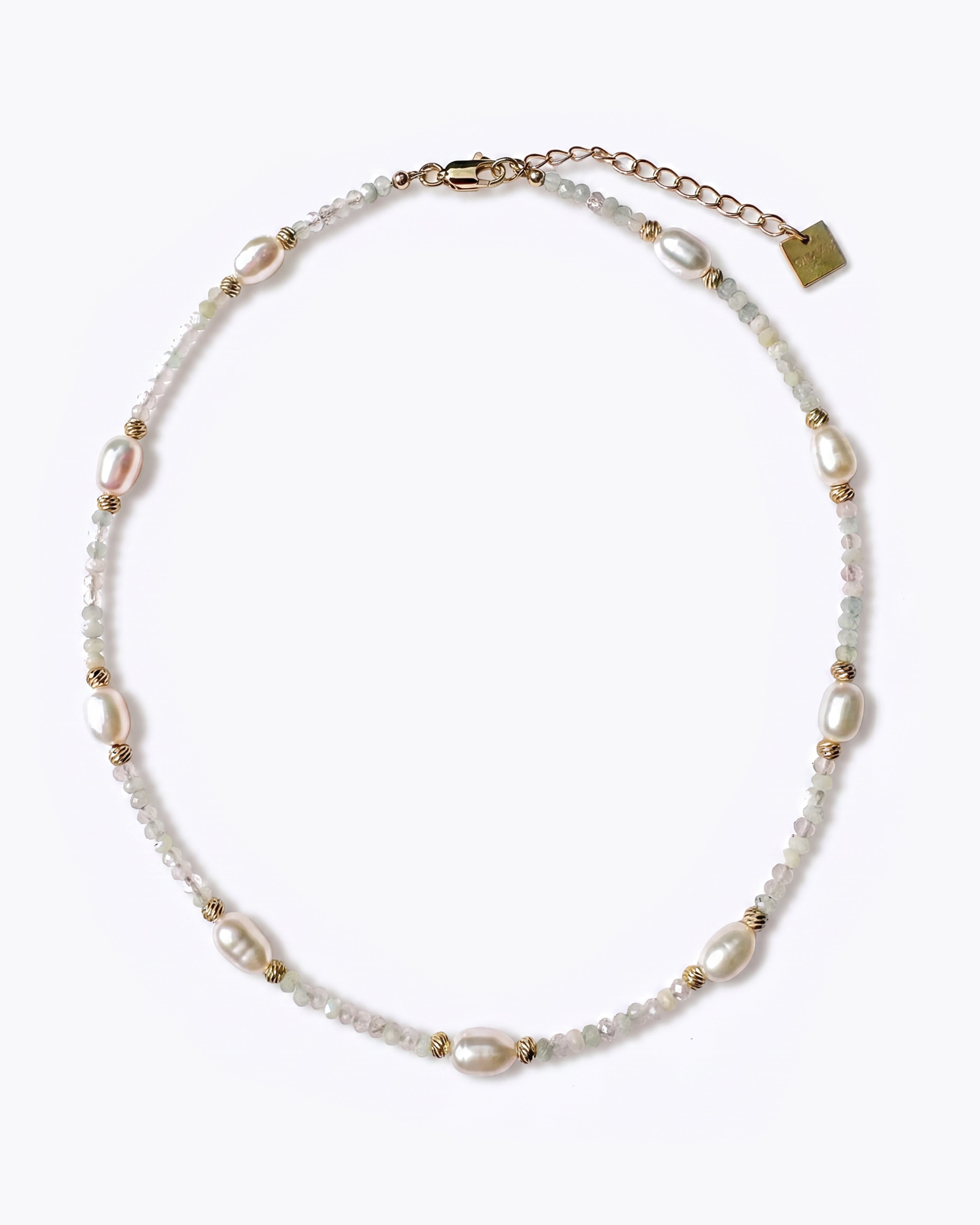
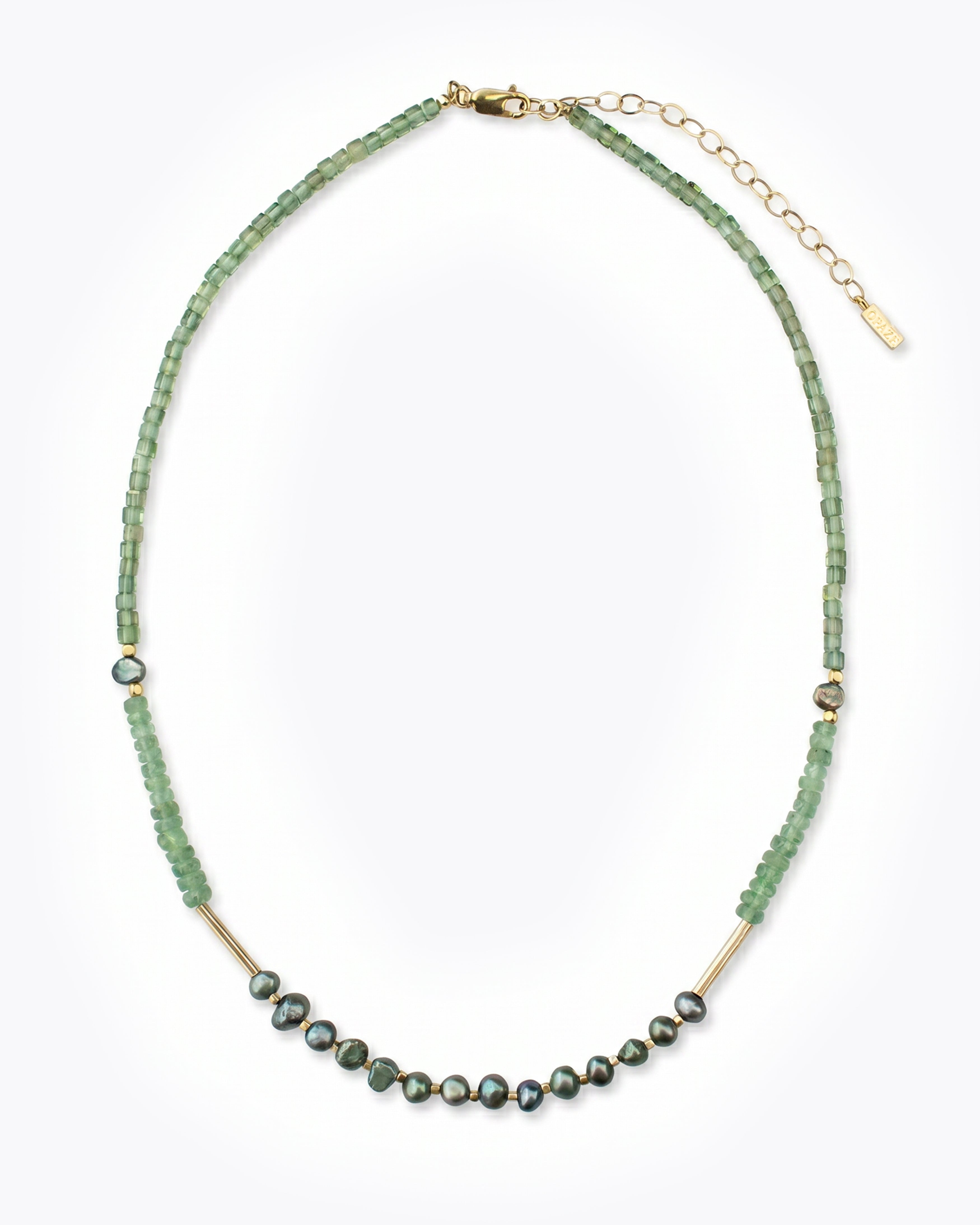
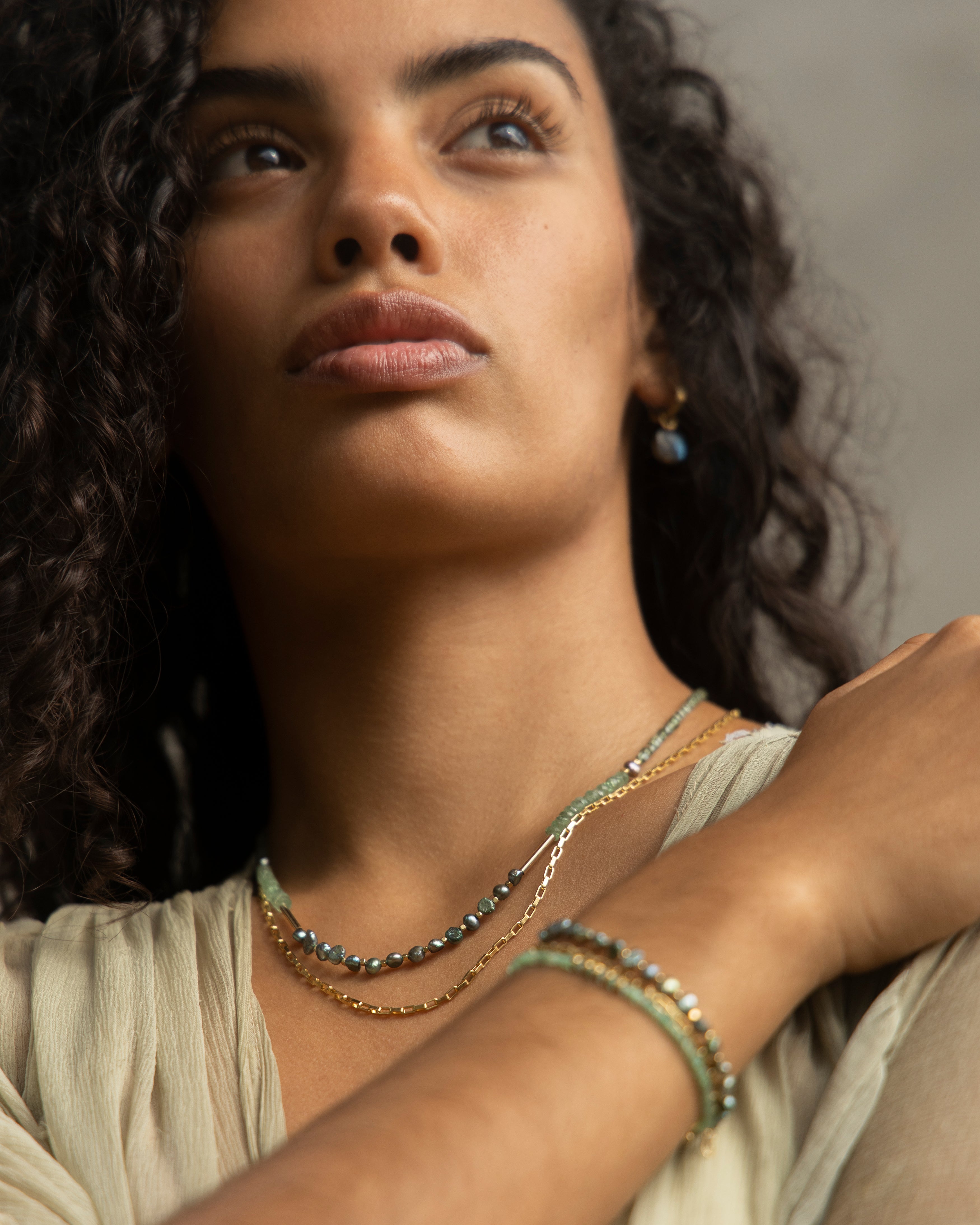
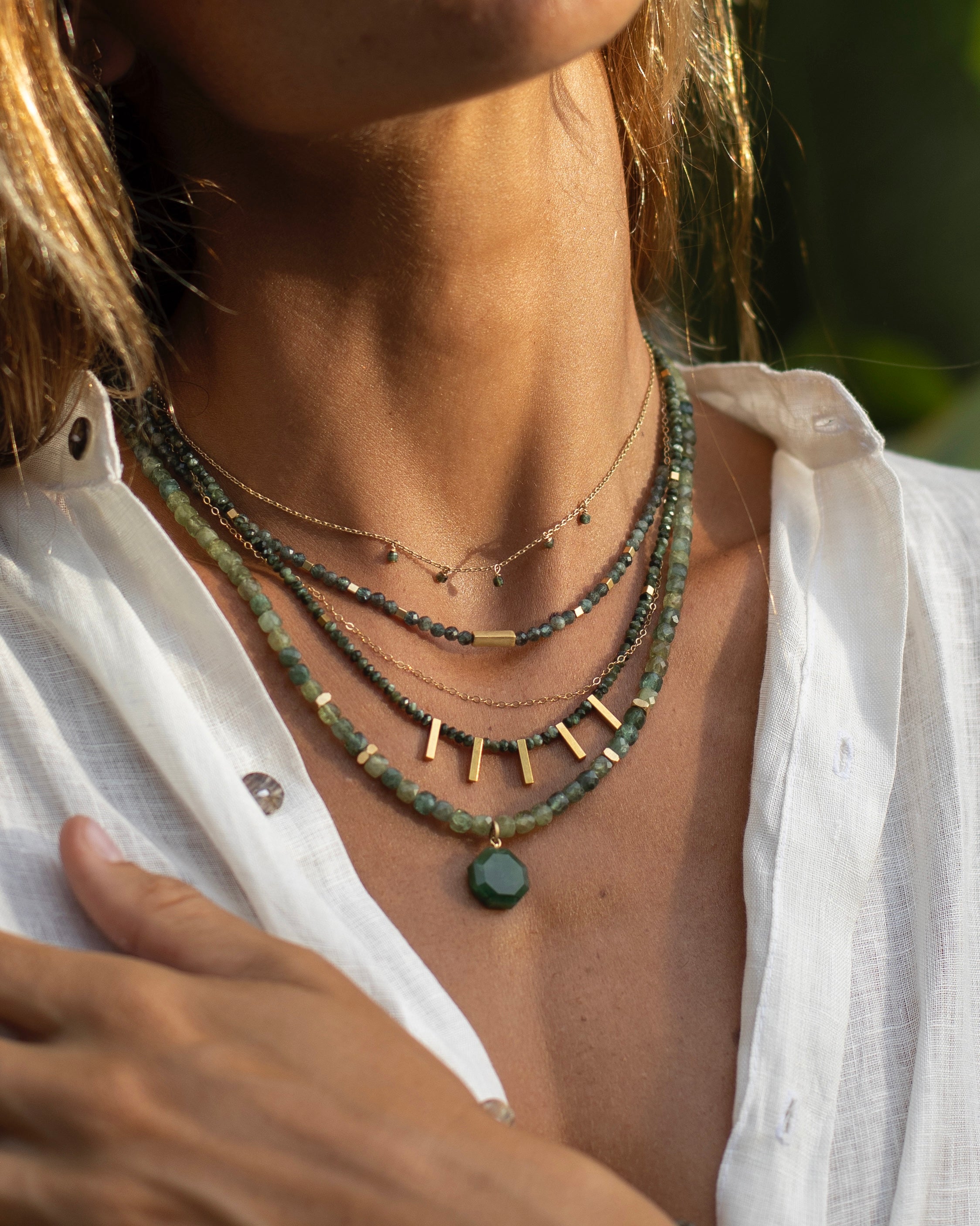
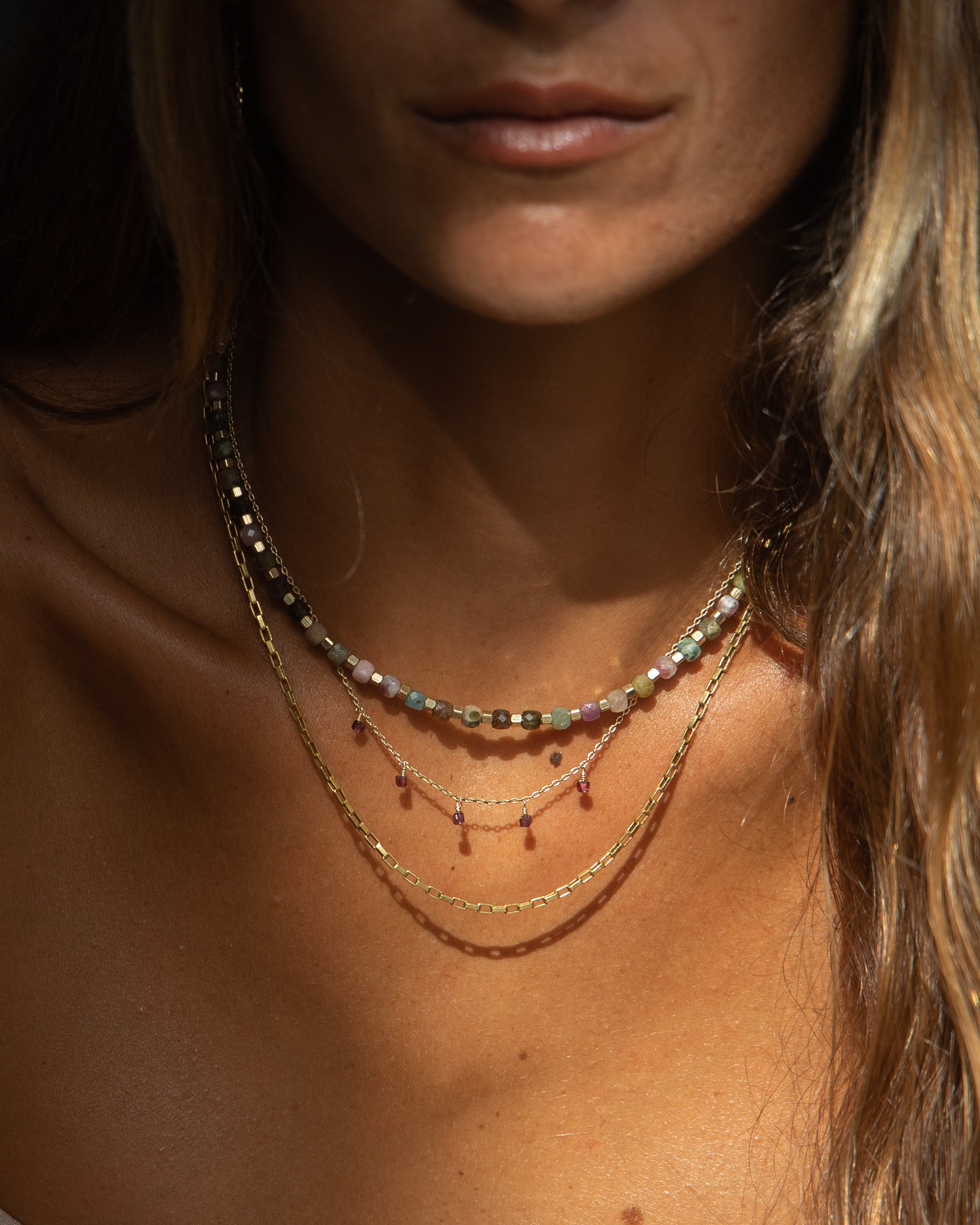
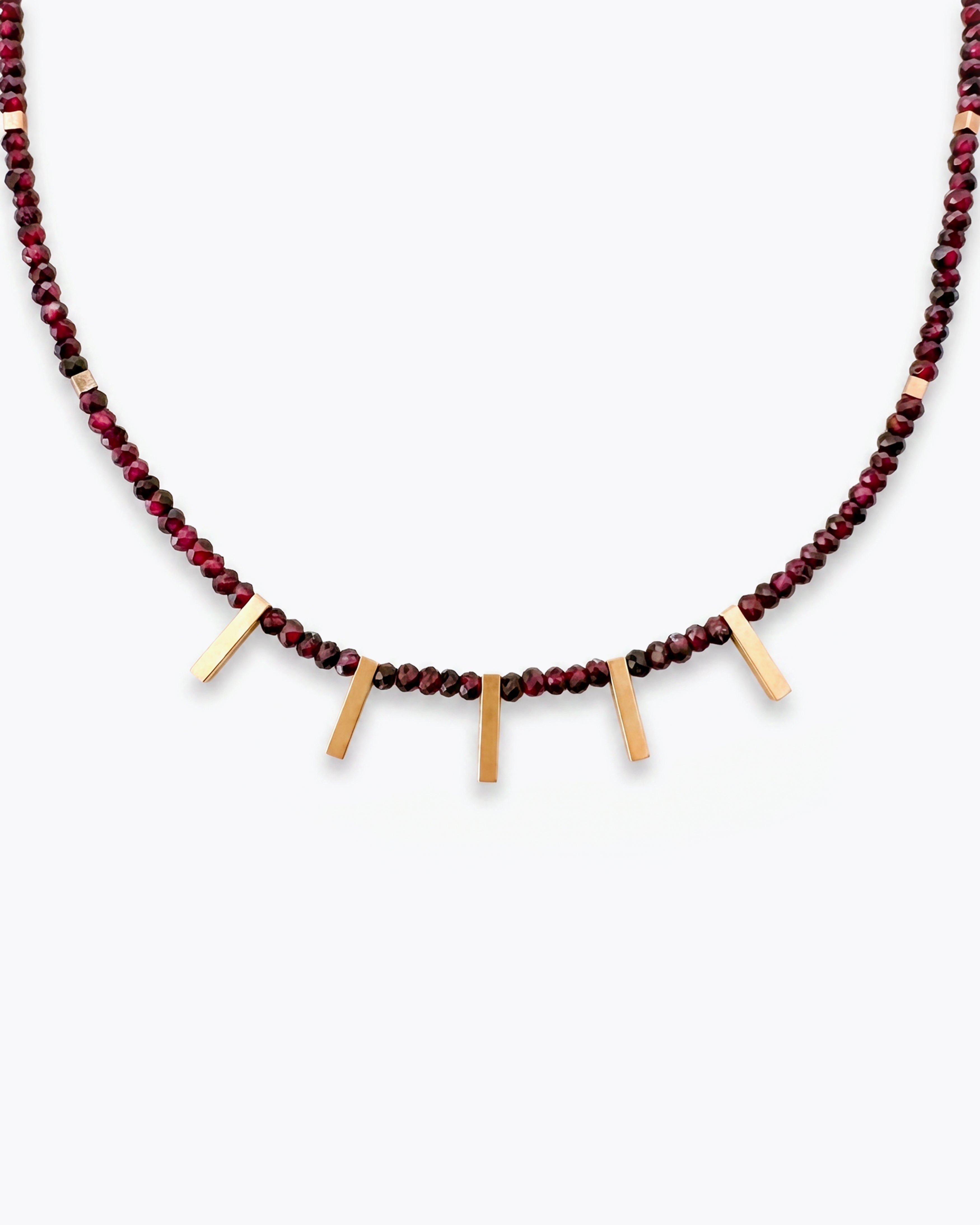
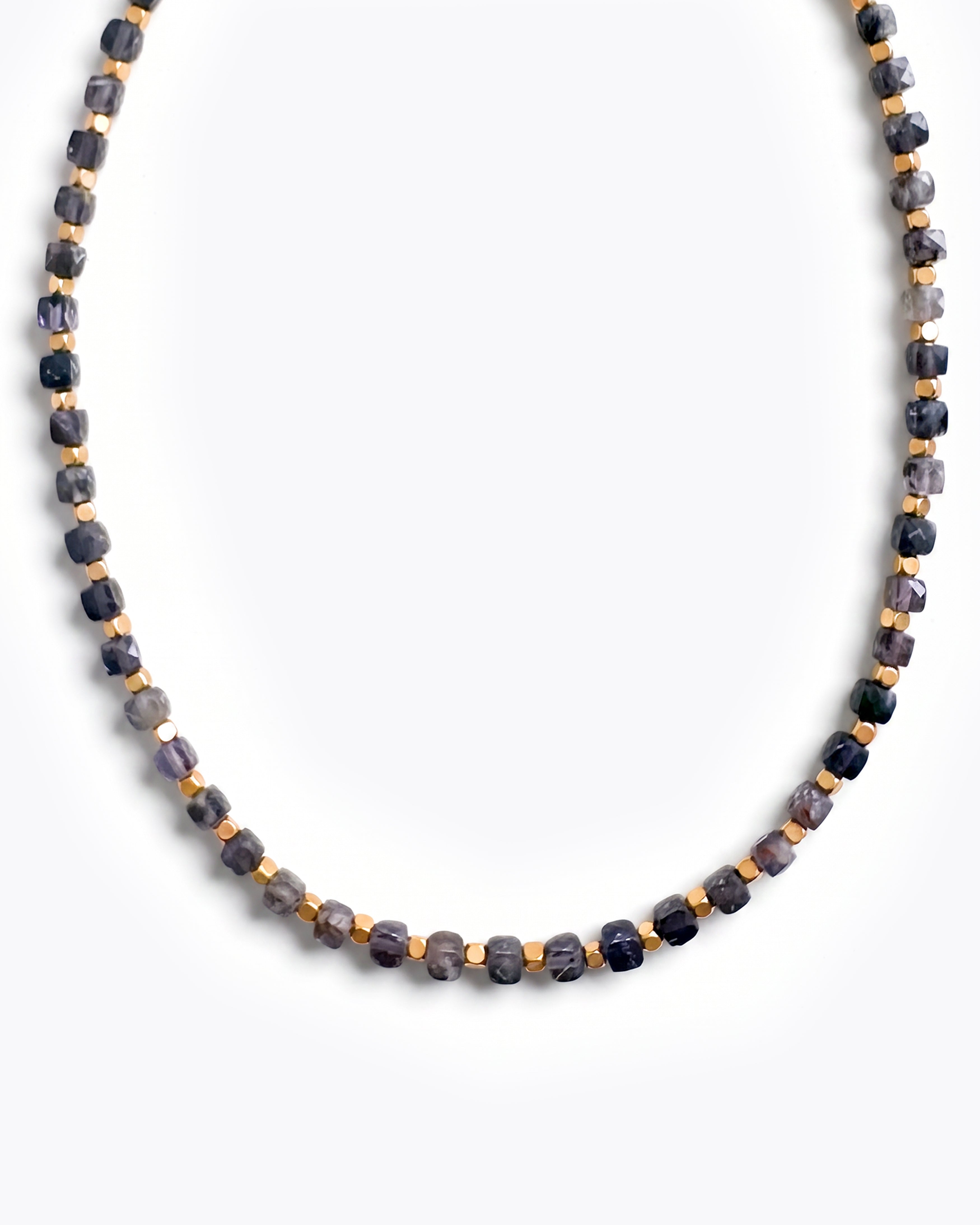
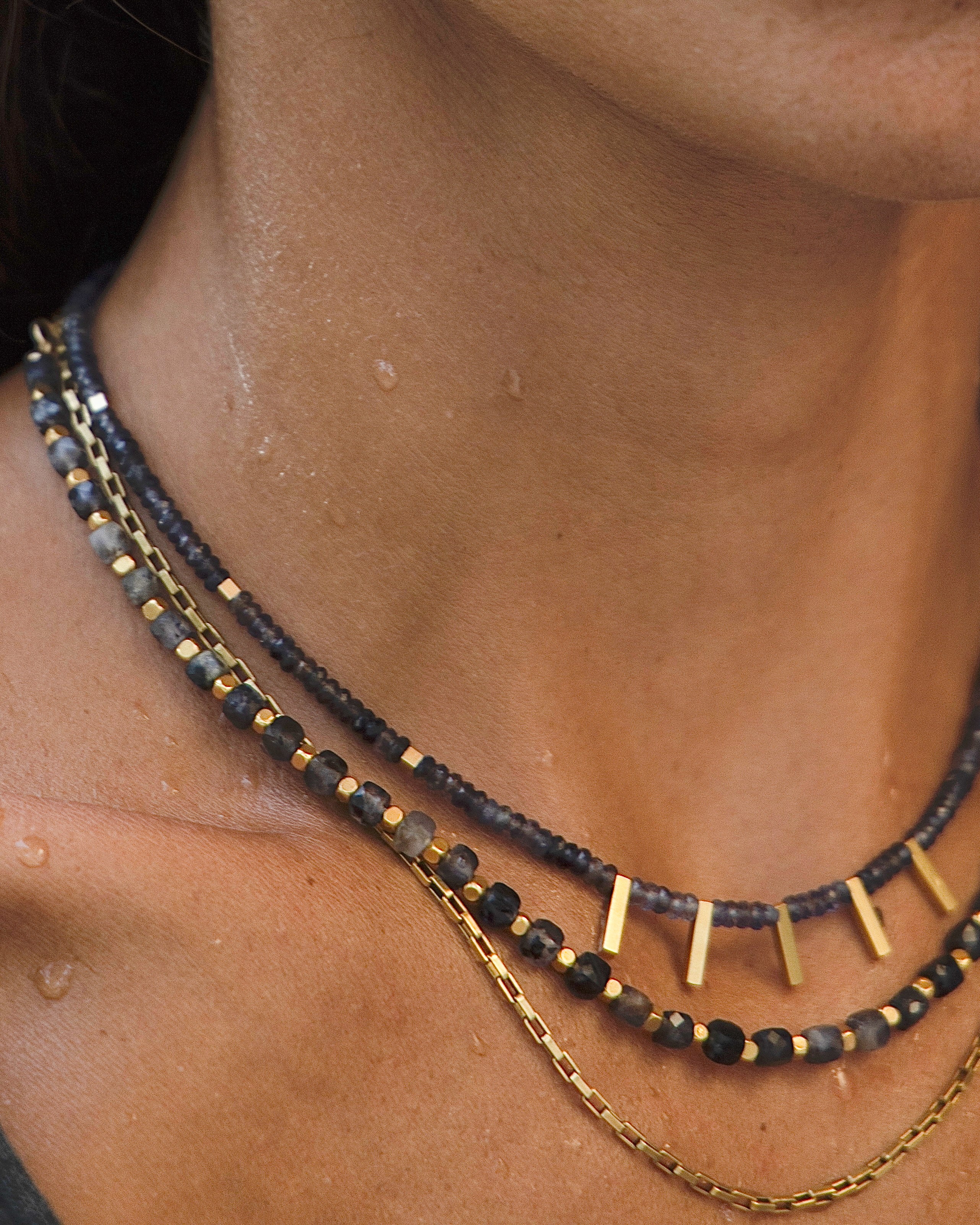
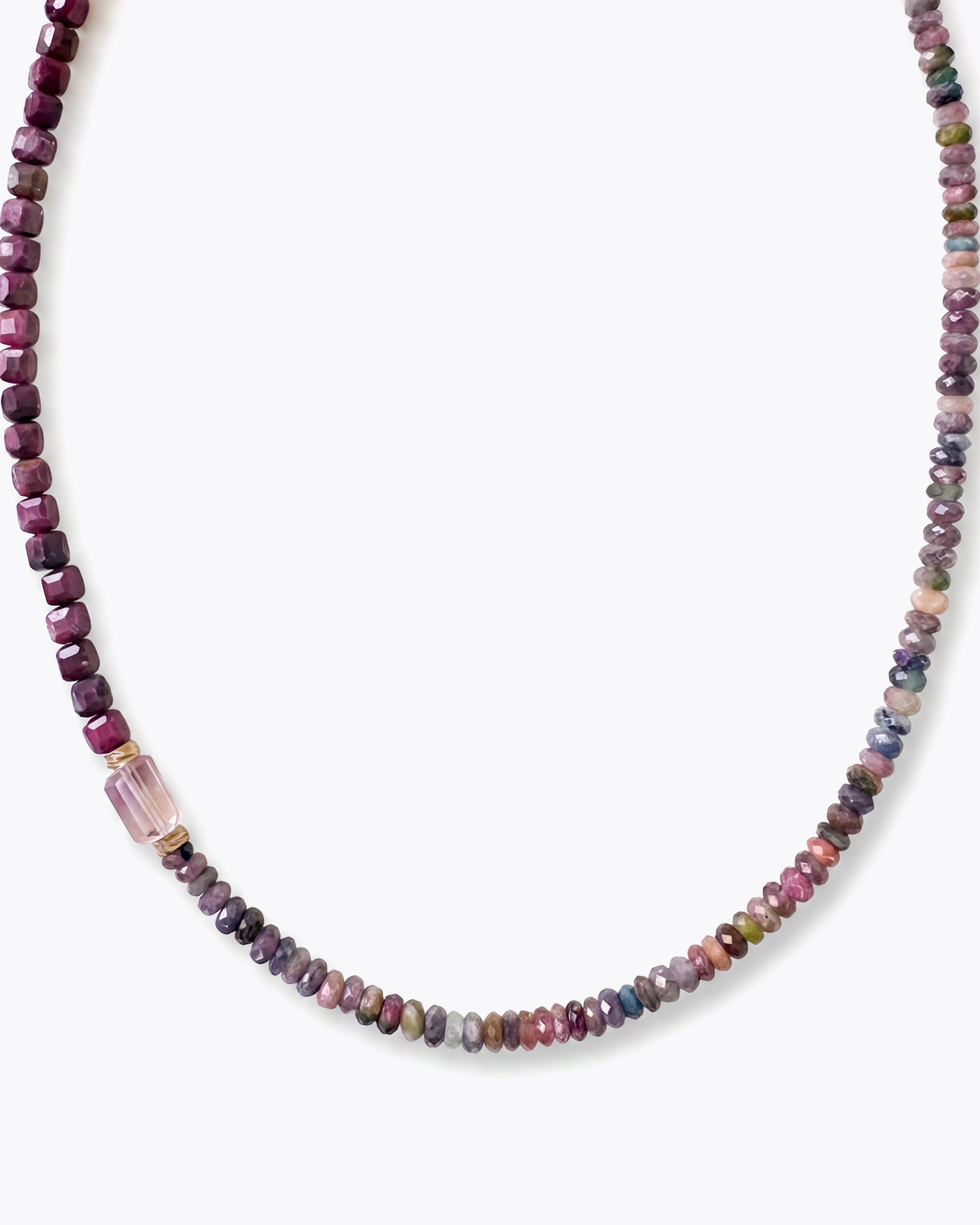
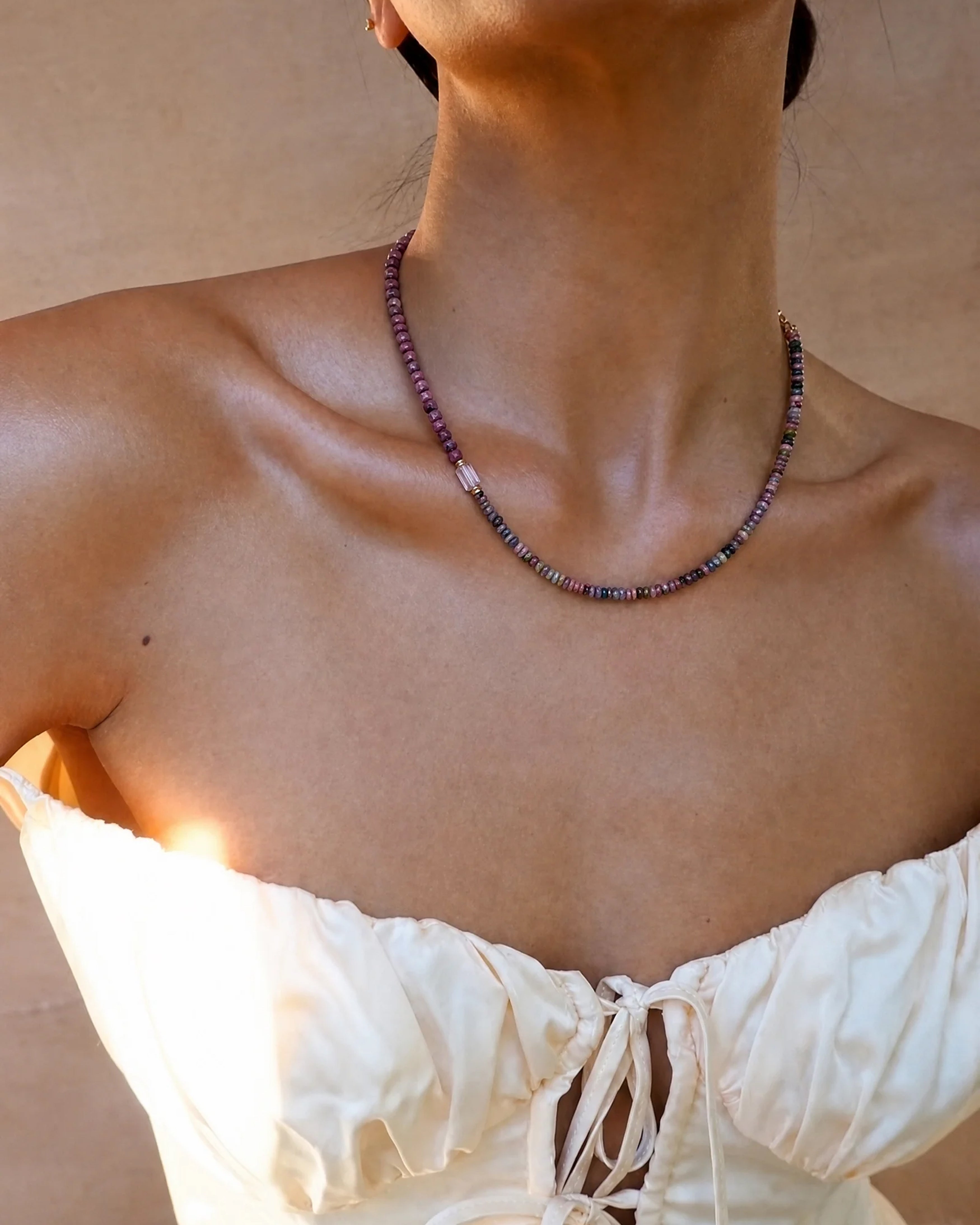
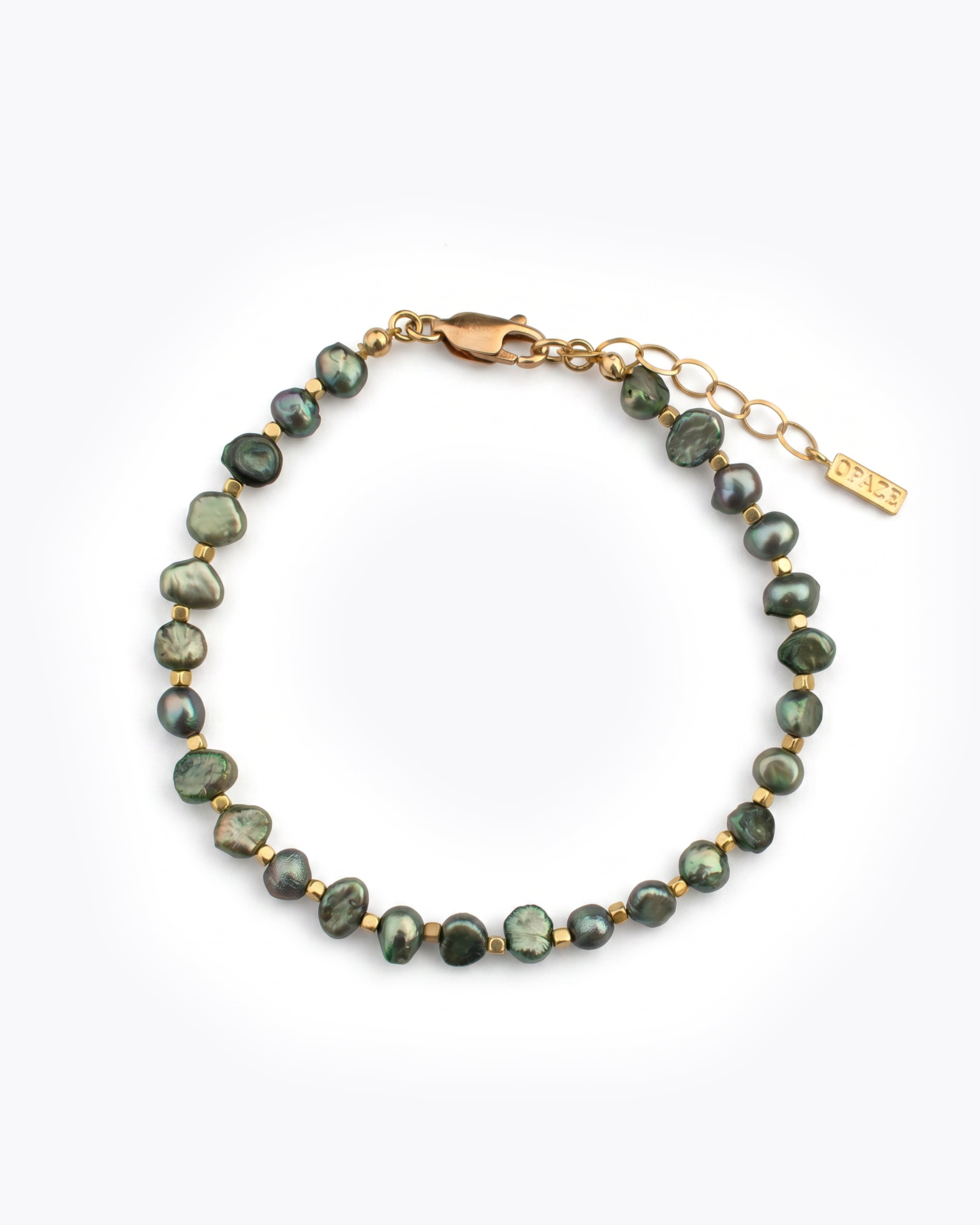
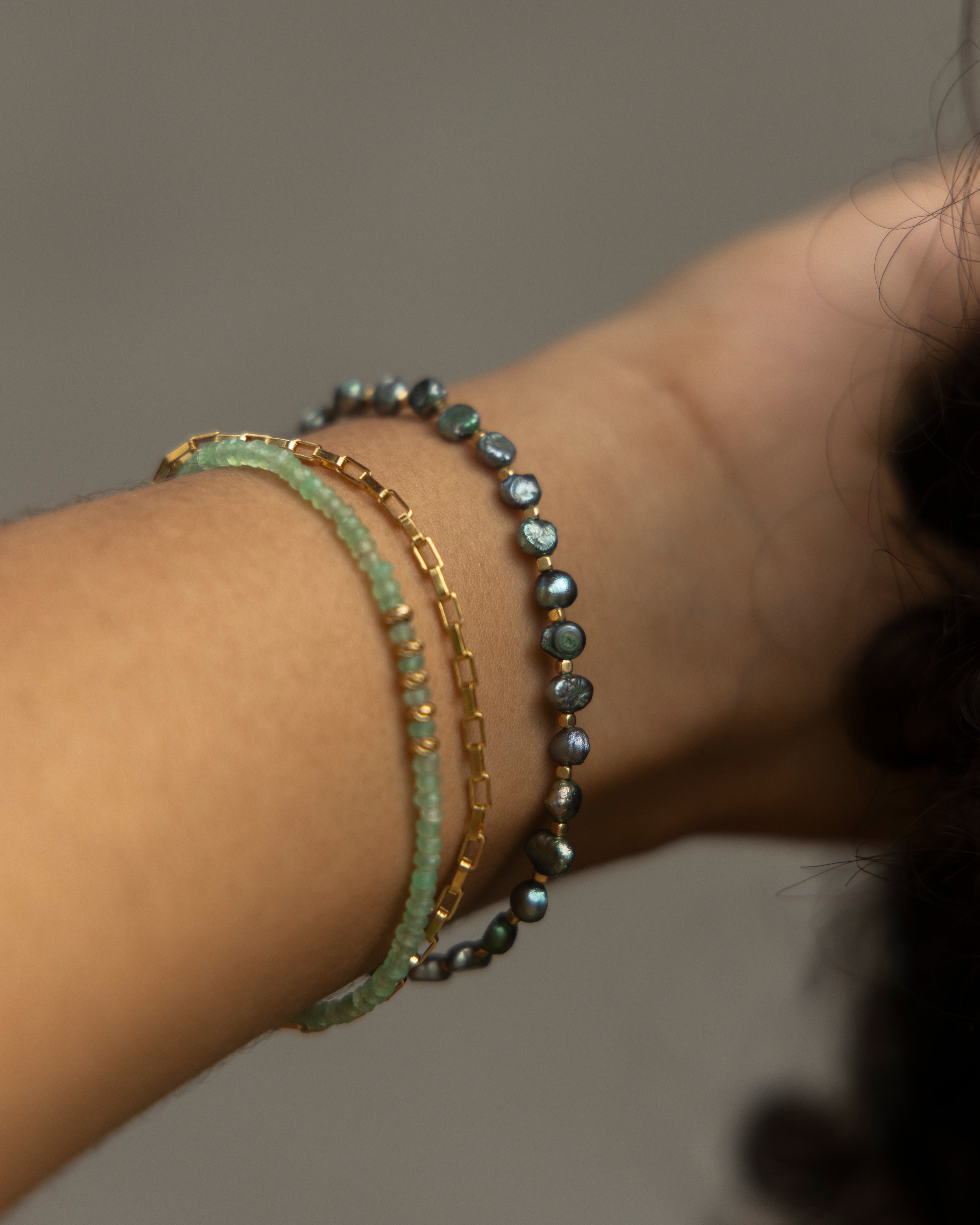
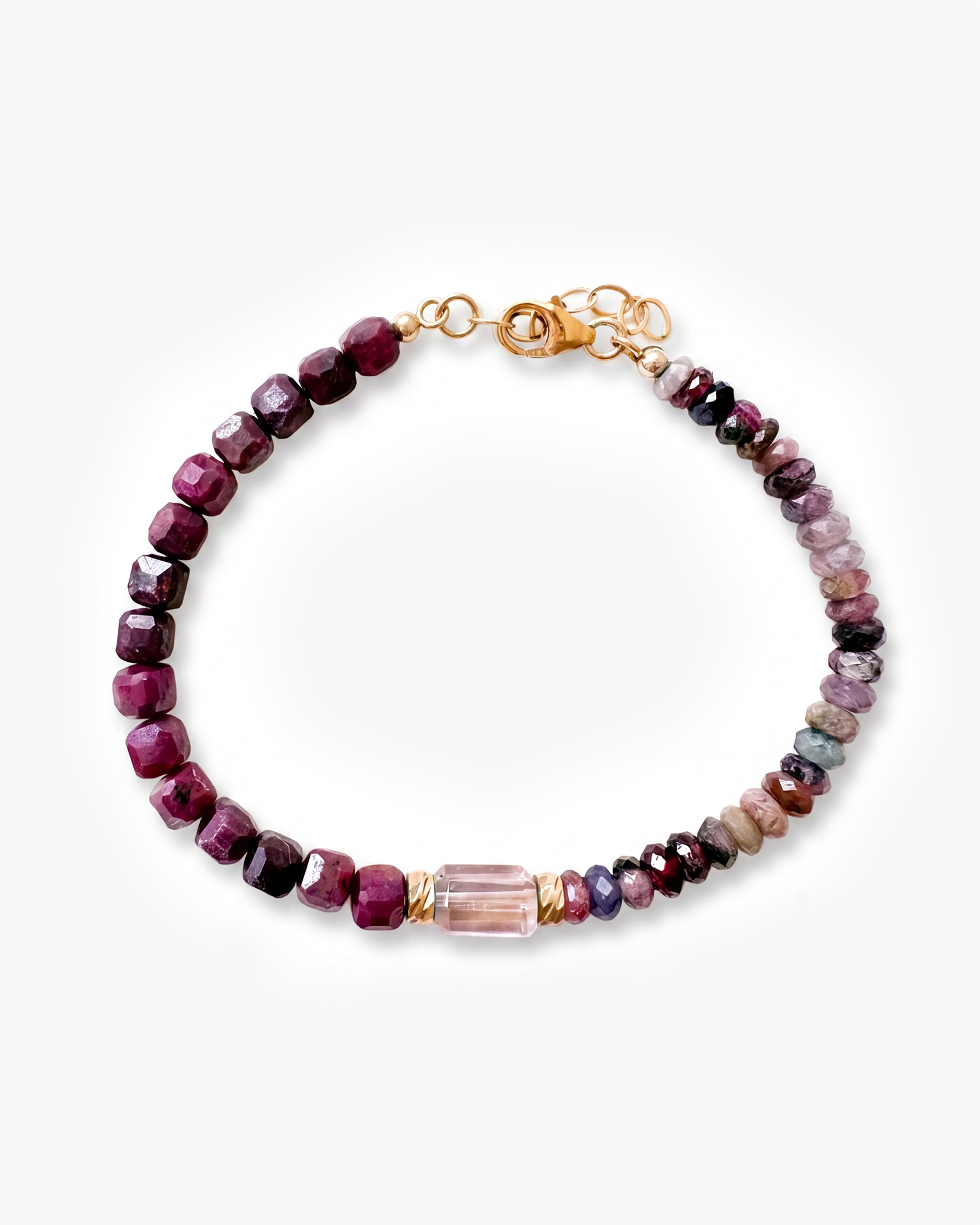
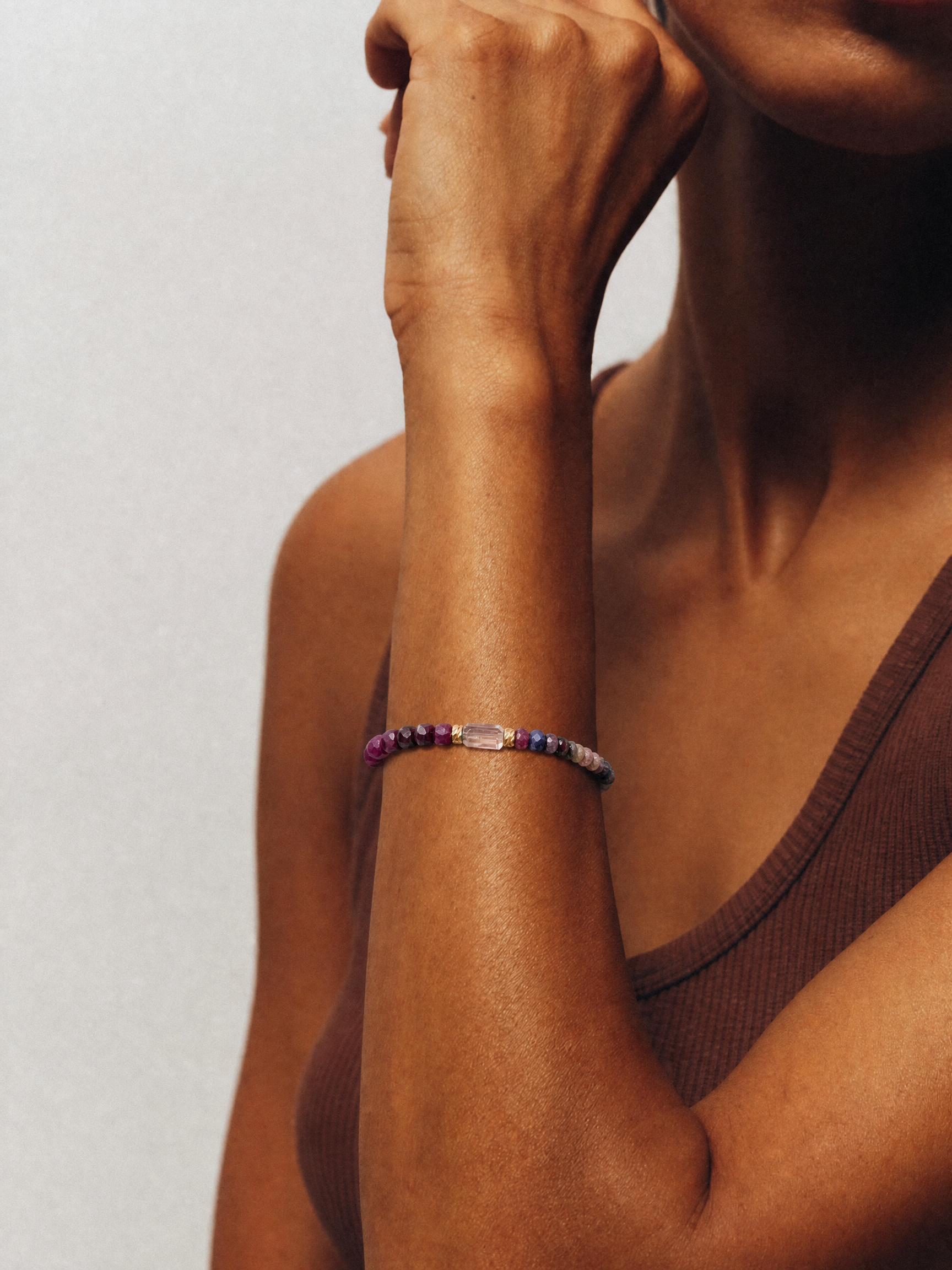
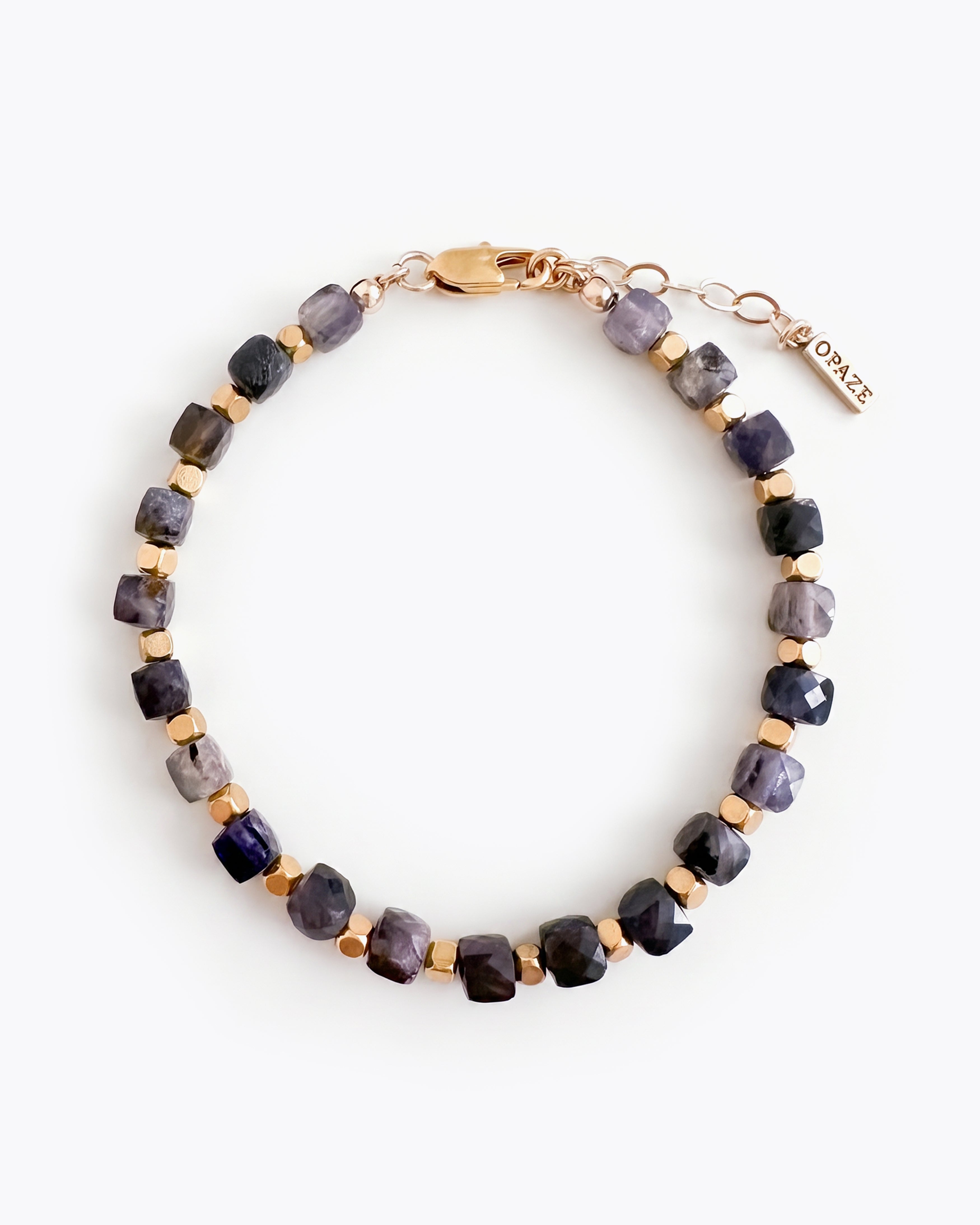
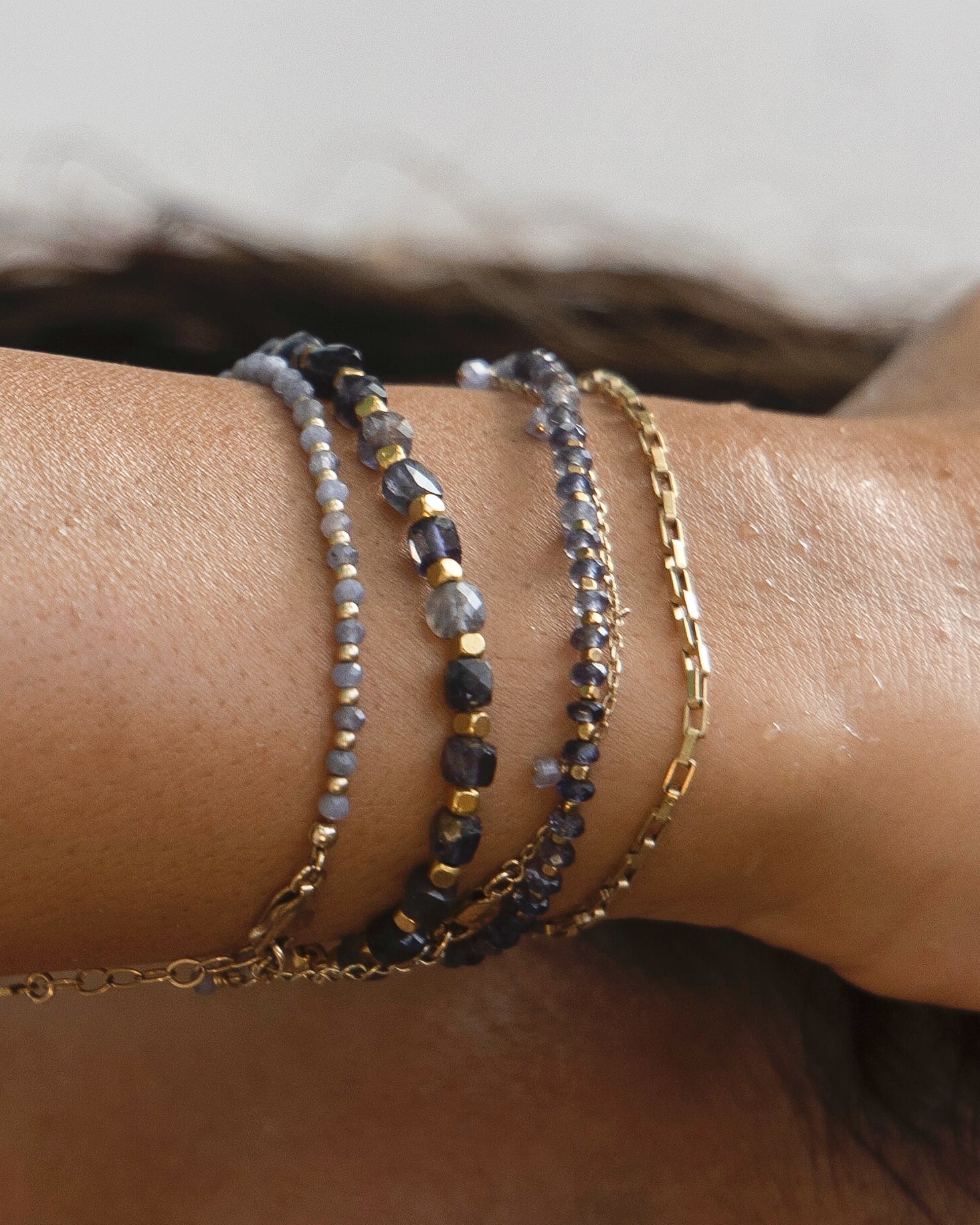
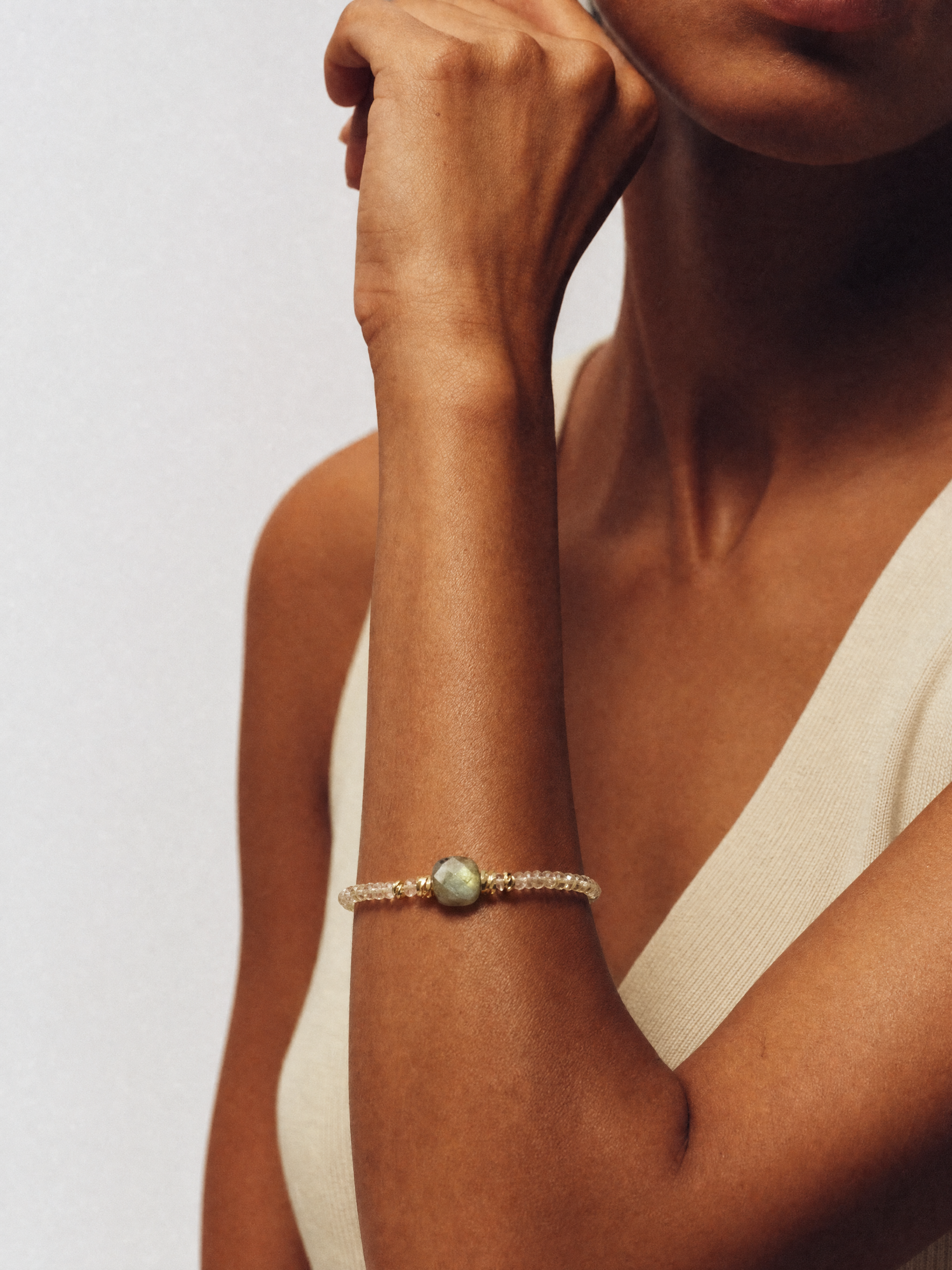
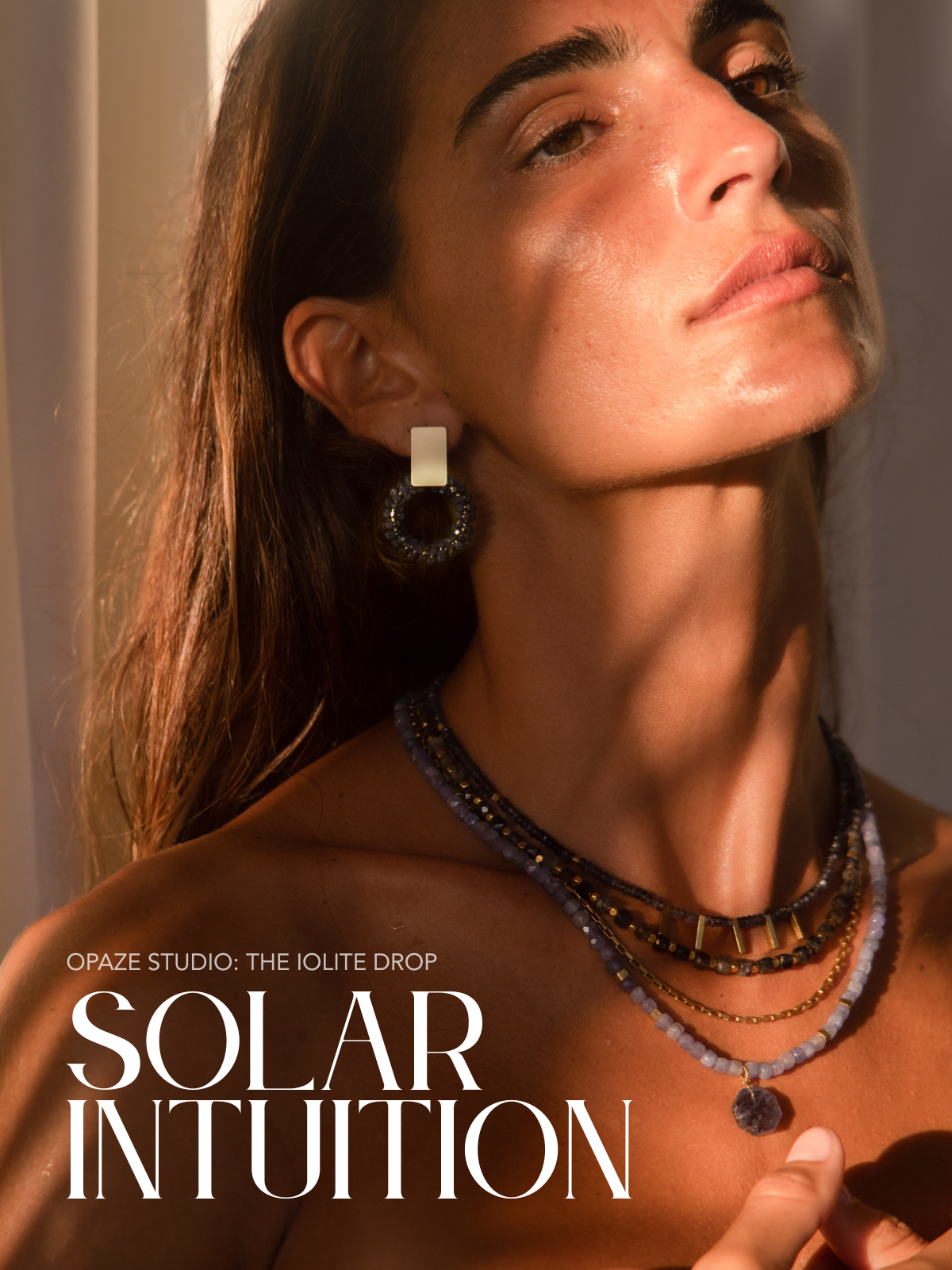
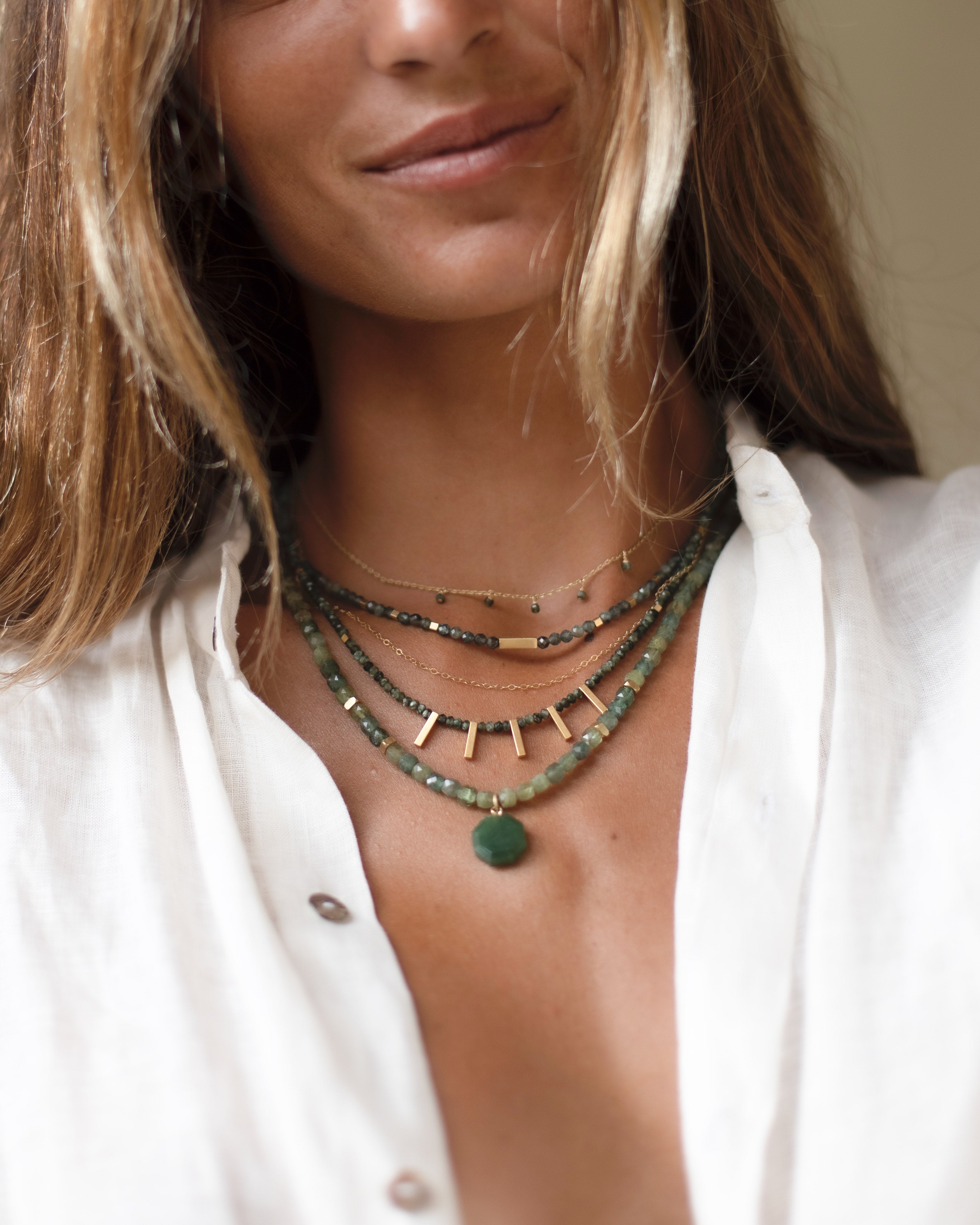
At Opaze, every stone is individually selected. We look for natural gemstones with character, the kind of piece where the stone tells you something, where you look at it differently at different times of day.

Examine the Setting
The setting is the architecture of the piece. Its job is to hold the stone securely while contributing to the design. Signs of quality in a setting:
- Secure prongs or bezels — the stone should not move or wobble. Gently press the stone in person, or look for video if buying online. A quality setting holds firm.
- Consistent finish — no rough edges, no visible tool marks, no inconsistent coloring. The finish should be even and smooth, including inside bands and behind settings where no one will usually look.
- Weight — quality metal has substance. An extremely light piece may indicate very thin metal or a hollow construction that will not wear well.
- Clean joins — where the setting meets the band or chain, the join should be seamless. Visible glue, gaps, or uneven solder points are red flags.
Understand the Metal
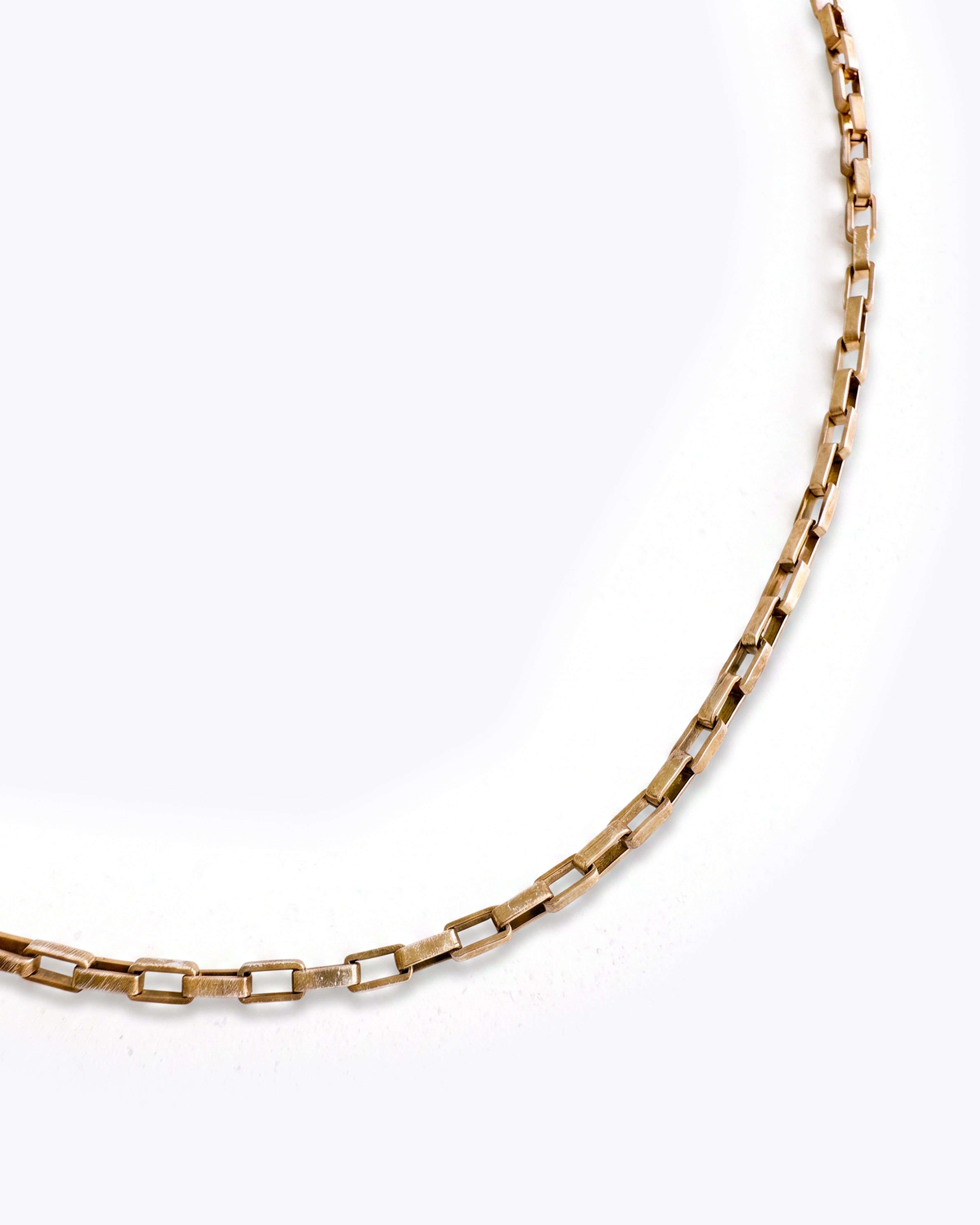
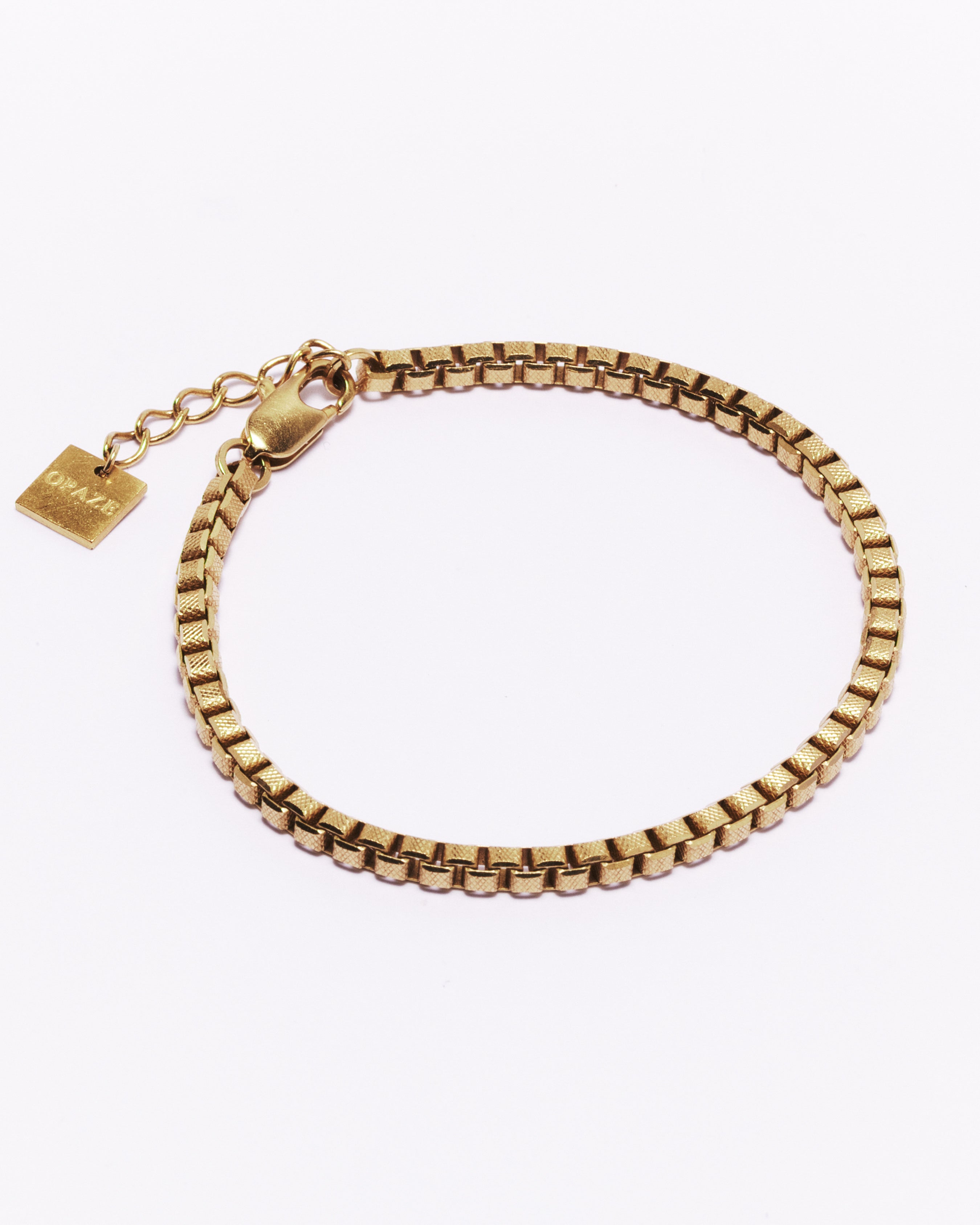
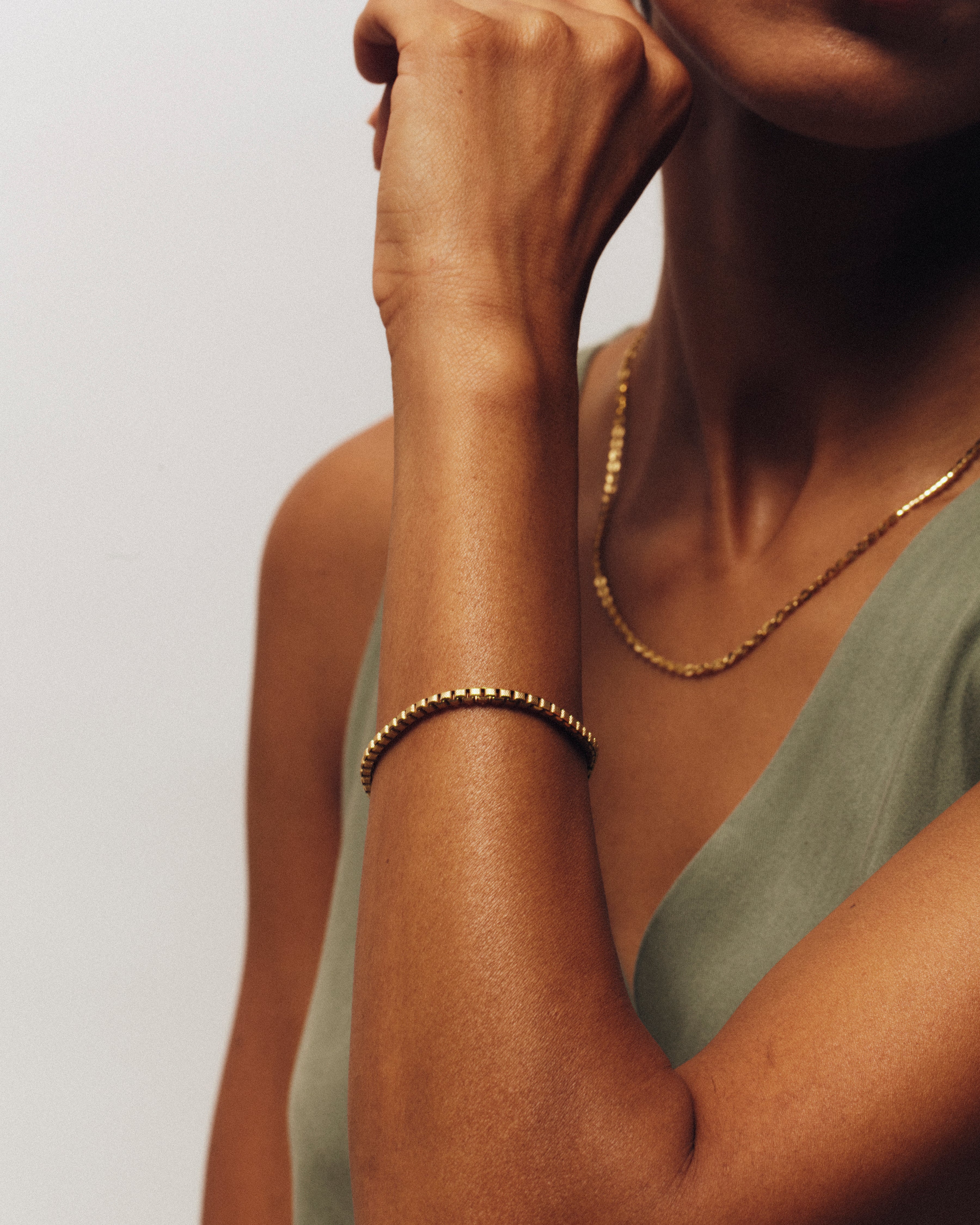
For gold plated jewelry, the key quality indicator is the thickness of the gold layer and the quality of the base metal. While you may not have access to exact micron measurements when buying, you can ask the brand directly. Any brand that cares about quality will be able to answer.
Signs of poor quality gold plating: visible color inconsistency, a brassy tone showing through at edges or joins, or a finish that feels rough rather than smooth.
Signs of good quality gold plating: rich, even color, smooth finish throughout, and a weight that feels proportional to the piece's size.
Read the Brand, Not Just the Listing
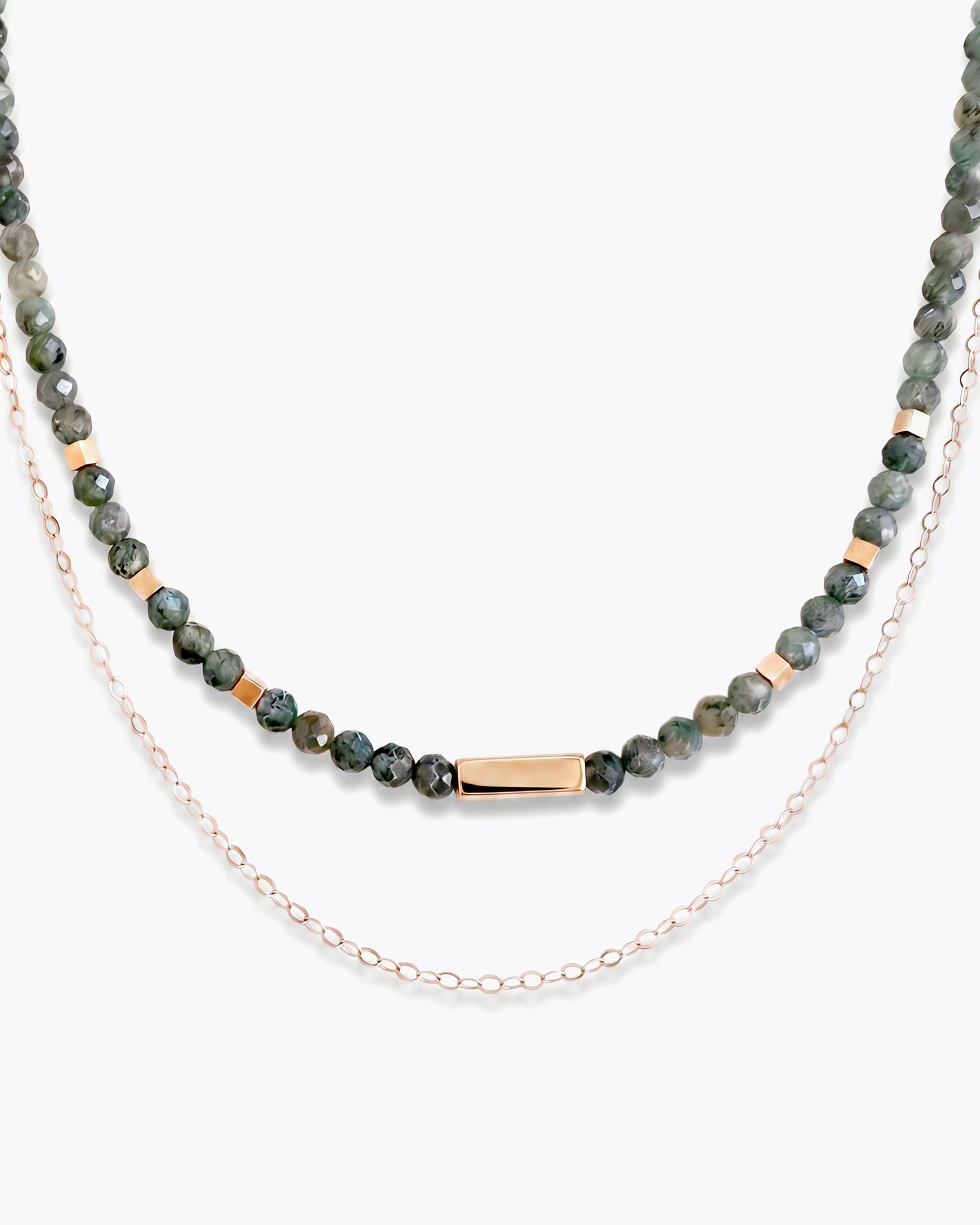
The way a brand talks about its materials is one of the clearest indicators of quality. Vague language like "gold-tone," "metallic finish," or "crystal" often signals that specifics are being deliberately avoided. Clear language like "18k gold plated over sterling silver," "natural labradorite," or "recycled brass base" signals transparency and care.
Look also for brand values that extend to sourcing. Artisan-made jewelry, small-batch production, ethically sourced stones: these practices often correlate with higher quality because they involve more human attention per piece.
Trust What You Feel
This is not mysticism. It is experience. When a piece of jewelry feels right in the hand, there is usually a reason. Quality has a physical character: a certain weight, a smoothness, a coherence of design. Pieces that feel flimsy, sharp-edged, or somehow off usually are.
And for those who engage with the energetic properties of stones: a natural gemstone with genuine quality tends to have a presence that synthetic or glass alternatives simply do not carry. Some people notice this immediately. Others come to it over time. But it is worth paying attention to.

Ask Questions
A quality brand should be able to tell you: what the stone is, where it came from, what the base metal is, what the plating thickness is, and how to care for the piece. If a brand cannot or will not answer these questions, that is information too.
At Opaze, we welcome every question. The pieces we make are designed to be understood, because we believe that knowing what you are wearing deepens the experience of wearing it.
How can I tell if a gemstone is real or fake?
Natural gemstones have visible inclusions, color variation, and optical depth. They are cool to the touch. Glass and synthetic stones tend to look too uniform and perfect. When in doubt, ask the seller directly for the stone's origin and any certification.
What does gold plated mean on jewelry?
Gold plated means a thin layer of real gold has been electroplated onto a base metal. Quality varies based on the thickness of the gold layer and the quality of the base metal underneath.
Is handmade jewelry better quality?
Handmade or small-batch jewelry typically involves more attention per piece and more intentional material selection. It does not guarantee quality, but it does correlate with the kind of care that produces it.
What questions should I ask a jewelry brand before buying?
Ask about the stone type (natural versus synthetic), the base metal, the plating thickness, the country or studio of manufacture, and care instructions. The clarity and willingness of the brand's response is itself informative.